Insurance and Hearing Aids in 2026: What's Actually Covered
If you're putting off hearing aids because you expect insurance to pay for them, you're not alone. Hearing aid insurance coverage is one of the most confusing topics in hearing care. People often assume that if they have insurance, they're covered. The reality is more complicated - and in many cases, more accessible than you might think.
This guide explains what mainstream insurance actually covers, which account types can slash your costs, and why direct-buy OTC pricing often makes the insurance question irrelevant. The goal: help you stop waiting and start hearing clearly.
Original Medicare (Parts A and B)
Original Medicare does not cover hearing aids or hearing aid fitting costs. This exclusion has been in place since Medicare began in 1965. While Medicare Part B may cover the cost of a diagnostic hearing exam if your doctor deems it medically necessary, the hearing aids themselves are your responsibility. The "Hearing Aid Coverage Act" has been proposed to Congress multiple times but has never passed into law.
Medicare Advantage (Part C) - Your Best Bet
Many Medicare Advantage (Part C) plans offer hearing aid coverage as supplemental insurance. According to recent data, approximately 88 to 97 percent of Medicare Advantage plans in 2026 include some form of hearing benefit. Coverage typically ranges from $500 to $2,000 per hearing aid, often once every 1 to 3 years. Some plans even cover hearing exams, earmolds, batteries, and audiologist visits for fitting and adjustments. However, coverage varies widely by plan and state. Always check your specific plan's "Evidence of Coverage" document to understand exactly what is included.
Private Health Insurance
Most private health insurance plans do not cover hearing aids for adults. Some employer-sponsored plans include a hearing benefit of $500 to $1,500 per ear once every 2 to 3 years, but this is less common than most people expect. Only six states currently mandate hearing aid coverage for adults in private plans: Arkansas ($1,400 per aid every 3 years), Connecticut ($1,000 every 24 months), Illinois ($2,500 every 24 months), New Hampshire ($1,500 every 60 months), Rhode Island ($700 every 3 years), and Washington state ($3,000 every 3 years). Even in these states, plans may have exceptions or limits. If you have an employer plan, contact member services to confirm your specific benefits. Pre-authorization is usually required.
VA Coverage for Veterans
The Veterans Administration (VA) provides comprehensive hearing aid coverage for veterans with service-connected hearing loss. Eligibility and the extent of coverage depend on your service-connected disability rating. If you are a veteran, visit your local VA hearing clinic or contact the VA to determine your eligibility. The VA may cover the full cost of hearing aids and related services.
Medicaid Coverage Varies Dramatically by State
Medicaid coverage for hearing aids is one of the most inconsistent programs in the U.S. All states cover hearing aids for children under Medicaid. For adults, roughly 32 states offer some form of hearing health coverage, but what qualifies as medical necessity, which devices are covered, and how often replacements are allowed differs from state to state. Some states cover full hearing aid costs for adults; others cover nothing. Contact your state's Medicaid office directly to learn what is available to you.
HSA and FSA Accounts: The Best-Kept Secret
Health Savings Accounts (HSA) and Flexible Spending Accounts (FSA) can be used tax-free for hearing aids - both OTC and prescription devices. This is one of the most overlooked ways to reduce the true cost of hearing aids. When you use HSA or FSA funds, you avoid taxes on that portion of the purchase. Depending on your tax bracket (typically 22 to 37 percent), this effectively reduces your out-of-pocket cost by 20 to 30 percent. For example, a $349 hearing aid bought with an HSA in a 22 percent tax bracket effectively costs about $272 in pre-tax dollars. Receipts and product documentation are usually required for reimbursement.
State Programs and Assistance
A handful of states offer additional support for hearing aid costs. Some run hearing aid loan programs, sliding-scale fee structures, or grants. University audiology clinics often offer reduced-cost services to the public. Check your state's aging department or disability services office to see what programs are available in your area.
Why OTC Pricing Often Beats Insurance Coverage
Here is the real insight: prescription hearing aids typically cost $2,000 to $8,500 per pair. Many insurance plans cap coverage at $500 to $1,500 per ear. That leaves you paying the bulk of the cost out of pocket anyway. Meanwhile, over-the-counter (OTC) hearing aids have become FDA-approved and clinically advanced. A $349 OTC hearing aid often delivers the clarity and performance you need without waiting for insurance approval or dealing with an audiologist's fitting fees. The math: $349 out of pocket vs. $500-$1,500 out of pocket after your insurance co-pay. For many people, direct-buy OTC hearing aids make the insurance coverage question moot.
Insurance vs Direct OTC: What to Check Before Waiting
Insurance can help, but it can also slow down the decision. Before delaying hearing support, compare your actual benefit, your allowed providers, your out-of-pocket cost, and whether a direct OTC option is already within reach.
| Question | If insurance helps | If direct OTC is simpler |
|---|---|---|
| What is my real benefit? | Use it if the allowed amount materially lowers your cost | Compare direct pricing if the benefit is small or restricted |
| Can I choose any device? | Check network and brand limits | Choose by lifestyle and setup preference |
| How fast can I start? | Plan for provider steps and approvals | Buy online if OTC is appropriate for your situation |
| Do I have warning symptoms? | Use medical coverage for evaluation | Do not self-treat sudden loss, pain, drainage, or severe dizziness |
Next step: Compare affordable Panda vs retail options
Online path: Read the online OTC buying guide
What Panda Hearing Aids Cost - With and Without Insurance
Panda Stealth - $279 (was $379, save $100) - An almost invisible, discreet in-the-canal hearing aid. Fully HSA/FSA eligible. With an HSA at a 22 percent tax bracket, your effective cost drops to approximately $217. This is below what most insurance plans would require as a copayment.

Panda Air - $299 (was $399, save $100) - A hearing aid designed to look like modern wireless earbuds, solving the stigma issue many people worry about. Fully HSA/FSA eligible. The earbud-style design appeals to people who are embarrassed by the traditional medical look of hearing aids but still need clear amplification.
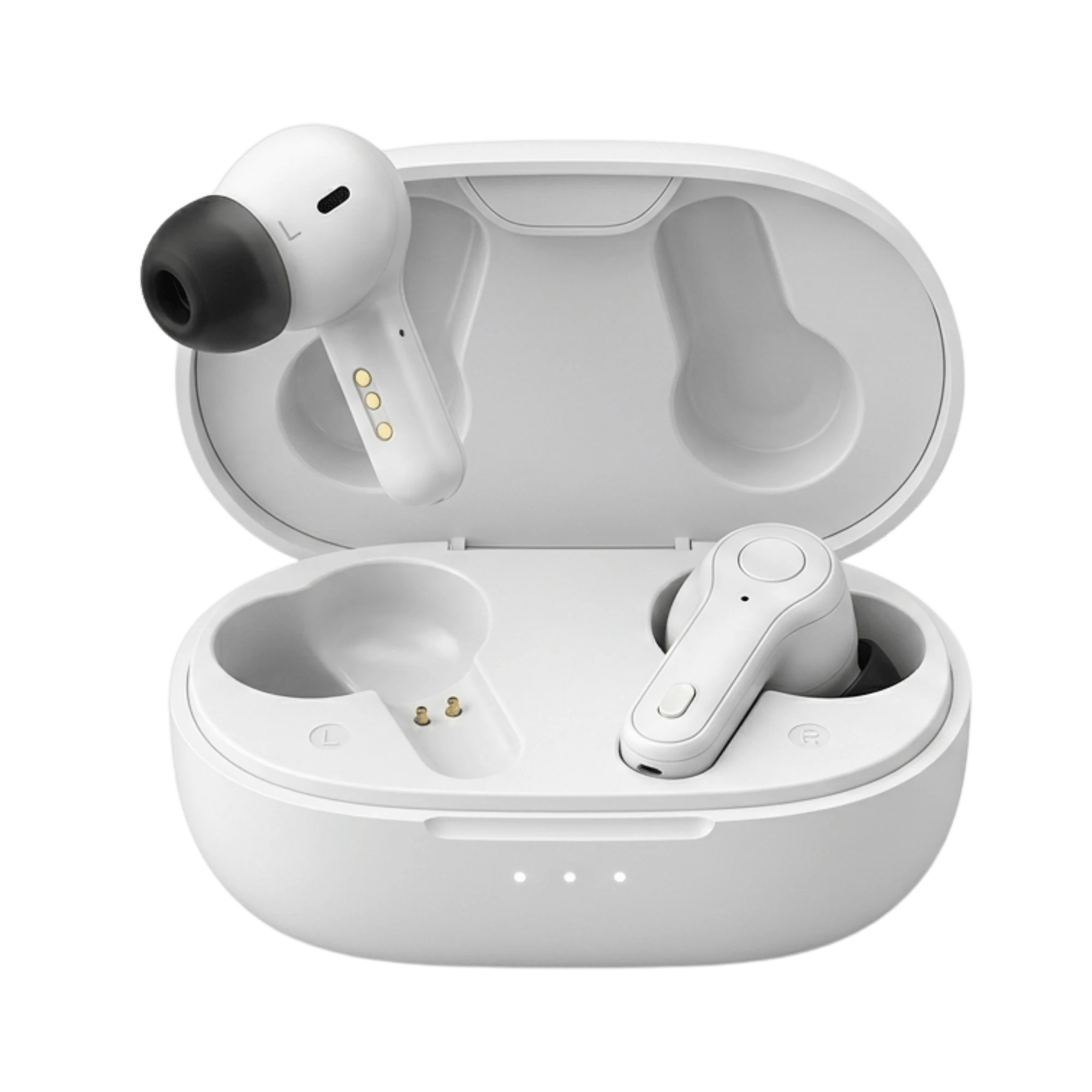
Panda Quantum - $349 (was $499, save $150) - A clinical-grade RIC (Receiver-in-Canal) hearing aid with 16-channel processing, adaptive noise reduction, and up to 80 hours of battery life. Fully HSA/FSA eligible. Quantum is for people with more significant hearing loss or those who want serious performance. It includes a clinically tuned 10-minute self-fitting online hearing test at home - no clinic visit required.

Bottom Line on Insurance and Hearing Aids
Don't wait for insurance to cover hearing aids. Original Medicare doesn't cover them at all. Most private plans cap coverage far below the full cost. Even the best Medicare Advantage plans typically cover only $500 to $2,000, leaving significant out-of-pocket costs. HSA and FSA accounts, however, can reduce your effective cost by 20 to 30 percent on any hearing aid purchase. Direct-buy OTC pricing often makes insurance coverage irrelevant - you save more by buying a Panda Quantum for $349 upfront than you would after paying copayments on a higher-priced prescription device. If you have hearing loss, the path to clarity is to use what you have (HSA/FSA funds), not to wait for what you might not have (comprehensive insurance coverage).
Frequently Asked Questions
Does Medicare cover hearing aids in 2026?
Original Medicare (Parts A and B) does not cover hearing aids or fitting costs. However, many Medicare Advantage (Part C) plans do offer hearing benefits. Check your specific plan's coverage documents or call member services to confirm. If you have Original Medicare, consider OTC hearing aids - they are FDA-approved and often more affordable than prescription devices with insurance copayments.
Can I use my HSA or FSA to buy OTC hearing aids?
Yes. Both OTC and prescription hearing aids are eligible medical expenses for HSA and FSA accounts. You can use pre-tax dollars to pay for them, which typically reduces your effective cost by 20 to 30 percent depending on your tax bracket. Keep your receipt and documentation for reimbursement.
How do I check if my insurance covers hearing aids?
Contact your insurance provider's member services line or log into your online member portal. Ask specifically whether hearing aids are covered, what the annual or per-device limit is, how often replacements are covered, and whether pre-authorization is required. For Medicare Advantage plans, request a copy of your "Evidence of Coverage" document. For Medicaid, contact your state's Medicaid office.
Are hearing aids tax deductible?
Hearing aids are generally not tax deductible as a personal medical expense unless your total medical expenses exceed 7.5 percent of your adjusted gross income - a very high threshold. However, you can avoid taxes on hearing aid purchases by using HSA or FSA funds, which is a more practical approach for most people.
The key takeaway: insurance is often overestimated as a path to affordable hearing aids. Untreated hearing loss is linked to cognitive decline, depression, and increased fall risk. The faster path to clarity is to check your HSA/FSA, then evaluate direct-buy OTC options like those from Panda Hearing. All three Panda models - Panda Stealth, Panda Air hearing aids, and Panda Quantum - are HSA/FSA eligible and FDA-OTC certified, meaning you get clinically advanced hearing support at a fraction of what insurance plans typically allow. If you have been waiting for coverage to make hearing aids affordable, it is time to act.