Hidden Costs of Hearing Aids: Fittings, Domes, Wax Filters, Batteries
You find a hearing aid online for $499. You click buy, thinking you know the full price. Then the clinic calls about a fitting fee. Then you discover you need special domes. Then come the batteries. And the cleaning. And the replacement parts. Before you know it, that $499 hearing aid has become $1,500 in hidden costs over five years.
The sticker price on hearing aids is almost never the real cost. Every model, whether prescription or over-the-counter, will drain your wallet in ways the first price tag never mentions. The good news: OTC direct-buy models like Panda eliminate most of these surprises. Let's break down what actually costs money, and why all-inclusive pricing saves you thousands.
What the Sticker Price Doesn't Cover
Hearing aid prices vary wildly - from $500 OTC pairs to $10,000 prescription sets. But that number is just the entry point. Professionals typically add $100 to $600 in year-one fitting and adjustment fees alone. Then come the accessories, replacements, and maintenance costs that add up silently over the years you wear them.
1. Professional Fitting and Adjustment Fees
If you buy hearing aids from a clinic or audiologist, fitting fees are separate from the device cost. Expect to pay $100 to $300 per appointment, and most clinic-fit users return 2-4 times in the first year for adjustments, real ear measurements, and reprogramming.
That's $200 to $600 in year one alone. Over a five-year ownership period, you might return for ongoing tweaks and re-tuning another 4-6 times. Adding $400-$1,800 to the total cost just for professional adjustments.
With Panda OTC models, fitting happens at home in ten minutes via a clinically tuned online hearing test. No clinic visits. No fitting fees.
2. Disposable Batteries
Non-rechargeable hearing aids use zinc-air batteries in four sizes (10, 13, 312, 675). A binaural hearing aid wearer (both ears) goes through roughly 150 batteries per year, depending on usage and battery size. At $0.30 to $0.50 per battery, that's $50 to $75 annually per person.
Over five years, disposable batteries add $250 to $375 to your total cost of ownership. And you'll still be buying them year six, year seven, for as long as you wear non-rechargeable aids. It's a cost that never ends.
Rechargeable hearing aids eliminate this entirely. Panda models all use rechargeable cases that power the aids for full day use, then recharge overnight. No batteries to buy. No ongoing annual cost.
3. Wax Guards, Domes, and Tubes
Wax naturally builds up in your ear canal. To protect the tiny receiver inside a hearing aid, manufacturers include wax guards (small filters) and domes (earpiece sleeves). Both wear out and need regular replacement - typically every one to three months for optimal performance and hygiene.
A replacement pack of domes costs $10-$20. A pack of wax guards costs $8-$15. If you replace both every two months, you're spending $36-$70 per year. Over five years, that's $180-$350 just on consumable parts.
Panda includes domes and wax guards in the box. Replacement packs are inexpensive and widely available, but the initial set covers you from day one.
4. Cleaning and Maintenance
Clinics charge $75-$150 per professional cleaning visit, and they often recommend annual or semi-annual appointments to keep debris from accumulating inside the device. That's $150-$300 per year if you follow their guidance.
You can also clean at home with brushes and drying boxes ($30-$80 upfront). But the upfront cost, plus the learning curve on proper maintenance, makes many people choose the clinic option instead.
Panda devices can be cleaned with a soft brush. No special equipment needed. No clinic visits required.
5. Reprogramming When Hearing Changes
Hearing loss doesn't stay static. Over years, your audiogram (the measurement of how well you hear at different frequencies) changes. When it does, clinic-fit hearing aids need reprogramming - often charged at $100-$300 per appointment.
Some users reprogram annually. Others every two or three years. Over a five-year period, reprogramming fees can add $200-$900 to your total cost.
Panda OTC models update via app (for Air and Quantum) or by taking a new self-test online and regenerating your personal hearing profile. Free. Done at home. No appointment needed.
6. Warranty Extensions and Loss/Damage Insurance
Clinic-fit hearing aids often come with a basic one-year warranty. Extended coverage and loss/damage insurance are sold separately, typically costing $150-$400 upfront plus $100+/year for ongoing loss and damage protection.
Over five years, warranty and insurance add $500-$900 in extra expenses - and that's before any actual claims.
All Panda models include a 5-year warranty and 45-day money-back guarantee as standard. No upsell. No add-on insurance fees required.
7. Time and Travel
Clinic appointments take time. You drive there. You park. You sit in a waiting room. A fitting takes 45 minutes to an hour. Then you drive home. Over five years, 6-10 clinic visits represent 10-20 lost work hours, plus gas and parking costs.
For many people, especially those working or caring for family, this hidden time cost is the biggest one of all. It's hard to calculate in dollars, but it's real.
How OTC Direct-Buy Eliminates Most of These
Over-the-counter hearing aids bought direct from the manufacturer skip the clinic middleman entirely. No fitting fees. No reprogramming charges. No clinic visits. No time lost. And critically, rechargeable models eliminate battery costs.
This is why Panda Quantum, Panda Air, and Panda Stealth deliver such radically different total-cost-of-ownership outcomes. The sticker price is honest. There's nothing hiding underneath.
What Panda Includes at $279-$349
Panda Stealth at $279 (was $379, save $100) is built for discretion. Invisible fit, no Bluetooth, no app complexity. Just hearing aids that disappear into your ear. Rechargeable case provides 60 hours of total power. Three listening modes - Quiet, Noisy, Outdoor - let you adapt to any setting. The charging case doubles as a wireless remote to adjust volume and mode without touching your ears. Five-year warranty included.

Panda Air at $299 (was $399, save $100) is designed to look and feel like modern wireless earbuds. AirPod-style design means nobody has to know it's a hearing aid. Feather-light, less than the weight of a dime. Bluetooth calls, TV, and music route directly through your aids. Fast-charge case provides 60 hours total. Clinically tuned 10-minute self-fitting via online hearing test. Five-year warranty included.
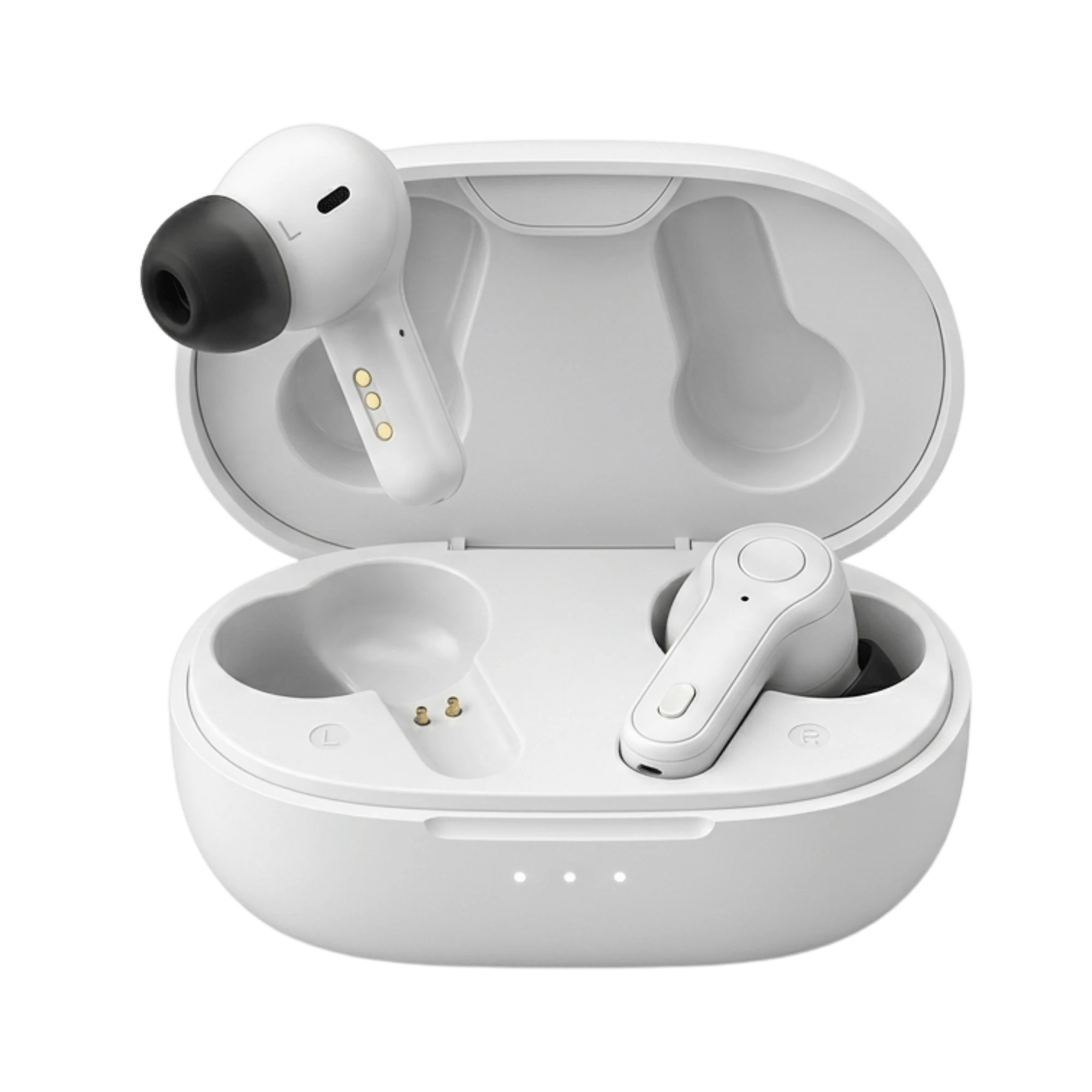
Panda Quantum at $349 (was $499, save $150) is engineered beyond $3,000+ prescription devices. Unique frequency-matching system corrects the specific gaps in your hearing profile - the same frequencies audiologists measure in professional evaluations. 16-channel WDRC plus adaptive noise reduction. Bluetooth calls, TV, music. Rechargeable case provides 20 hours per charge; the case itself recharges the aids 3 more times for 80 hours total. Adaptive tinnitus masking for relief. Clinically tuned 10-minute self-fitting. Five-year warranty included.

What This Adds Up To
Over a 5-year ownership period, a $1,500 clinic-fit hearing aid balloons to $3,500-$5,000 when you add fitting fees ($200-$600), disposable batteries ($250-$375), domes and wax guards ($180-$350), annual cleaning ($150-$300), reprogramming ($200-$900), and warranty/insurance ($500-$900). Panda's direct pricing stays $279-$349. FDA-OTC certified. 5-year warranty. 45-day trial. No surprises.
Lower-Cost OTC Option: What to Compare Before You Buy
The lowest sticker price is not always the lowest total cost. Before choosing a hearing aid, compare fitting fees, batteries, replacement parts, follow-up visits, warranty length, and whether you can adjust the device at home.
| Cost area | Traditional or retail path | Panda direct OTC path |
|---|---|---|
| Fitting | May require appointments | Home setup for OTC models |
| Batteries | Disposable or rechargeable depending on model | Rechargeable model options |
| Follow-up changes | Often provider-dependent | Online support and self-fitting path |
| Buying speed | Can depend on appointment/store availability | Online ordering |
Compare costs: See affordable Panda vs retail options
Frequently Asked Questions
How much do hearing aid batteries actually cost per year?
Disposable hearing aid batteries cost $0.22 to $0.50 each. A binaural wearer uses roughly 150 batteries per year, totaling $50-$75 annually. Over five years, that's $250-$375 in battery costs alone. Rechargeable models like Panda eliminate this cost entirely.
Are hearing aid fitting fees included in the Panda price?
Yes. Panda models are self-fit at home via a clinically tuned online hearing test. No clinic visit required. No fitting fees. The entire tuning process takes ten minutes and costs zero dollars. Clinic-fit models typically charge $100-$300 per fitting appointment, often with multiple visits in year one.
How often do I need to replace wax guards and domes?
Wax guards and domes wear out every one to three months depending on ear wax production and usage. Replacement packs cost $10-$20 per pack. Panda includes initial domes and wax guards in the box, and replacements are inexpensive and widely available online.
Do OTC hearing aids have any hidden costs?
Panda OTC models have no hidden costs. The price you see is the price you pay. Rechargeable batteries eliminate annual battery purchases. No clinic visits mean no fitting fees. No app requirement means no surprise subscriptions. Five-year warranty and 45-day trial are included at no extra charge.
The Clearer Choice for Cost-Conscious Buyers
When you add up fitting fees, batteries, domes, maintenance, reprogramming, and insurance, traditional clinic-fit hearing aids cost two to three times their advertised price over five years. Panda breaks that pattern. The sticker price is honest. Rechargeable batteries cost zero per year. Domes and wax guards are inexpensive consumables you buy only if you want to. Self-fitting eliminates $200-$600 in year-one clinic costs. No clinic visits means no time lost, no gas spent, no coordinating appointments around your work or family schedule.
For anyone tired of hidden costs and surprise fees, a clinically tuned OTC hearing aid from Panda is the answer. Stealth for discretion. Air for everyday stigma-free wear. Quantum for serious performance. All three include everything you need, with nothing left hiding in the fine print. Try any of them risk-free for 45 days and hear the difference honest pricing makes.