Why Hearing Amplifiers Sit Unused in Hospitals: New Study Asks the Staff Who Care for Older Patients
A qualitative study of 33 healthcare providers at a Toronto academic hospital finds that personal hearing amplifiers are seen as valuable for older patients with hearing loss, yet remain underused because of access gaps, unclear responsibility, and weak integration into daily care.
Walk through almost any hospital ward and you will find older patients straining to follow conversations with doctors and nurses. Hearing loss affects roughly two thirds of hospitalized older adults, and when a patient cannot hear questions about medications, symptoms, or discharge plans, the consequences reach well beyond frustration. Miscommunication in hospital settings has been tied to poorer access to care and worse health outcomes.
Many hospitals have tried to close this gap with personal hearing amplifiers, simple assistive listening devices kept on wards for patients who do not have their own hearing aids with them. The devices are inexpensive and evidence based. Yet hospitals that stock them keep running into the same puzzle: the amplifiers exist, but they are not reaching the ears that need them. A new Canadian study set out to understand why by asking the people closest to the problem, the healthcare providers themselves.
Title: Barriers and Facilitators in Using Personal Hearing Amplifiers from the Perspective of Healthcare Providers
Authors: Mansi A. Arora, Janice Xu, Kristina M. Kokorelias, Raphaelle Koerber, Hamsa Krishnapillai, Samir K. Sinha
Affiliations: Division of Geriatric Medicine, Sinai Health System and University Health Network; Temerty Faculty of Medicine, University of Toronto; National Institute on Ageing, Toronto Metropolitan University
Journal: Canadian Geriatrics Journal, published September 2, 2026 (Vol. 29, Issue 3, pages 173-179)
Study type: Qualitative interview study with reflexive thematic analysis
Source: Retrieved from PubMed. DOI: 10.5770/cgj.29.932
Background: Why the Researchers Looked at This
Hospitals are difficult listening environments. Background noise from monitors, carts, and busy corridors combines with masked or hurried speech, and many older patients arrive without their hearing aids or with dead batteries. Personal hearing amplifiers, sometimes called PHAs or pocket talkers, are handheld devices with a microphone and headphones that boost the voice of whoever is speaking to the patient. They are meant to be a quick bedside fix, not a replacement for properly fitted hearing devices.
Previous research has established that these amplifiers help hospitalized patients communicate, and many institutions, including the study site, Mount Sinai Hospital in Toronto, make them available on wards. What has been missing is a clear picture of why the devices so often stay in storage cupboards. Earlier studies noted implementation difficulties but did not systematically map what gets in the way from the point of view of the staff expected to use them.
The research team, which included geriatricians and researchers affiliated with the University of Toronto and Canada’s National Institute on Ageing, designed the study to identify both barriers and facilitators, with the longer term goal of building interventions that actually increase uptake.
How the Study Was Done
The researchers developed an ethnographic interview protocol and used it to guide voluntary semi-structured interviews with 33 people at the academic hospital. Participants included geriatricians, nurses, allied health professionals, and patient-facing volunteers, capturing a range of roles that interact with older patients daily.
Interviews were recorded, transcribed word for word, and analyzed using reflexive thematic analysis, a standard qualitative method for identifying recurring patterns across interview data. To strengthen the findings, the team performed member checking: results were shared back with interviewees who agreed to be re-contacted, as well as with interest-holders in the hospital’s geriatrics program, and their feedback was incorporated.
What the Researchers Found
The overarching finding was consistent across professions: staff saw personal hearing amplifiers as genuinely valuable, and at the same time acknowledged that the devices were underutilized. The gap between perceived value and actual use is the heart of the study.
Beneath that overarching theme, the analysis identified three specific problem areas. The first was accessibility and availability: staff could not always find a working amplifier when they needed one, whether because devices were stored somewhere inconvenient, missing, or not maintained.
The second was a lack of designated responsibility. No one role clearly owned the amplifiers. When it is nobody’s specific job to distribute, retrieve, clean, and maintain the devices, they tend to disappear from the workflow entirely.
The third was weak integration into clinical practice. Offering an amplifier was not built into routines such as admission assessments or communication protocols, so its use depended on individual staff members remembering and taking the initiative amid competing demands.
The authors conclude that these findings lay the groundwork for testing future interventions designed to increase uptake of the devices and improve healthcare access for older patients with hearing loss.
What It Means for People with Hearing Loss
For older adults and their families, the study carries a practical warning: you cannot assume a hospital will bridge a hearing gap for you, even when the right equipment is sitting in a cupboard down the hall. Bringing your own hearing devices to the hospital, along with chargers or spare batteries, and telling staff about hearing difficulties at admission are simple steps that can protect the quality of your care.
The findings also matter at a system level. If hearing support fails inside hospitals, where patients are surrounded by trained professionals, it is easy to see how hearing needs go unmet in everyday life, where no one is checking. The three barriers the study identified, availability, ownership, and routine integration, are exactly the kinds of friction that keep many people with hearing loss undertreated for years.
When Amplification Is Hard to Access, Ownership Fills the Gap
This study highlights a recurring theme in hearing research: amplification often fails not because the technology is lacking but because access to it breaks down. One response is for people with mild to moderate hearing loss to own their amplification rather than depend on shared devices being available at the right moment. Newer FDA-OTC hearing aids were created to lower exactly these barriers of cost and availability.
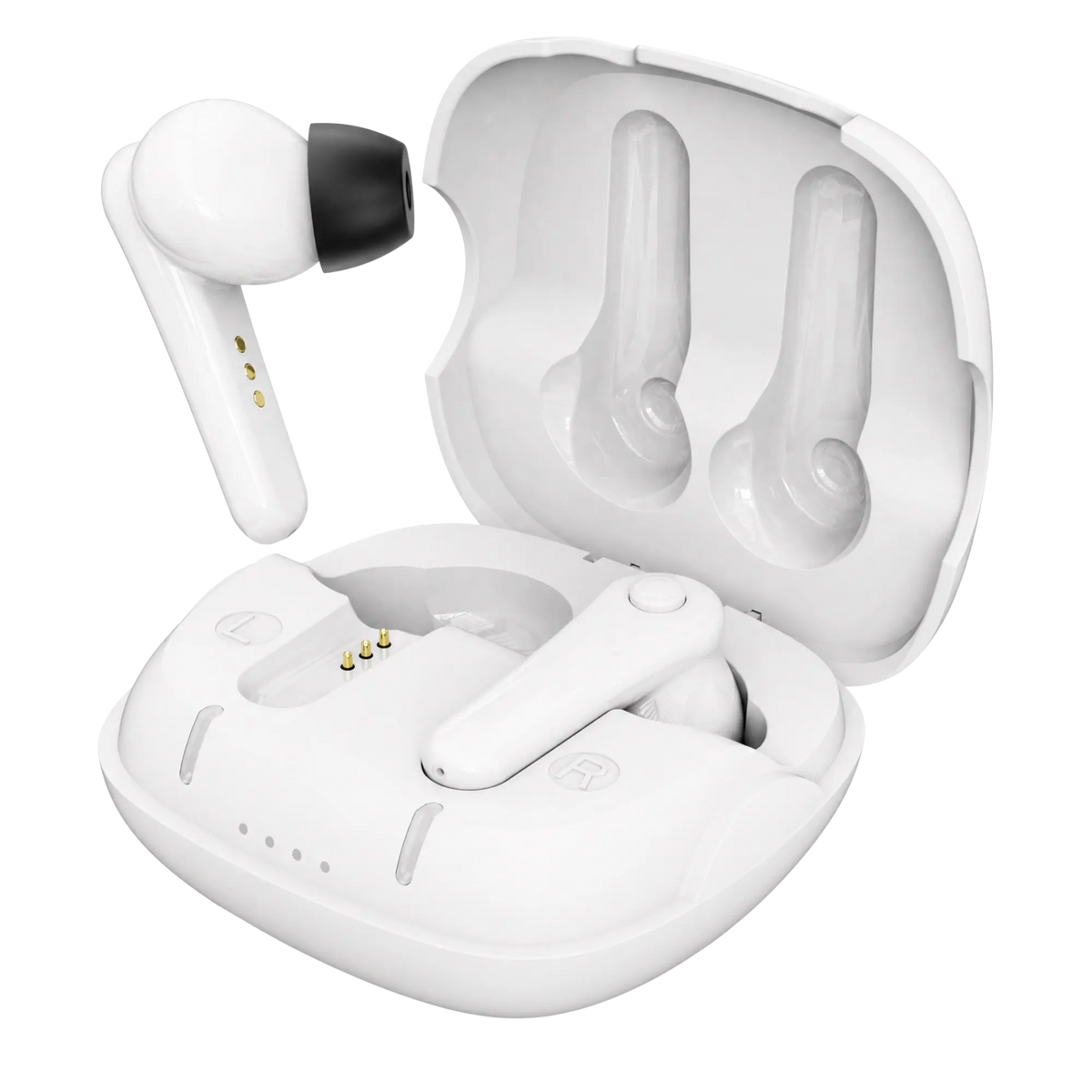
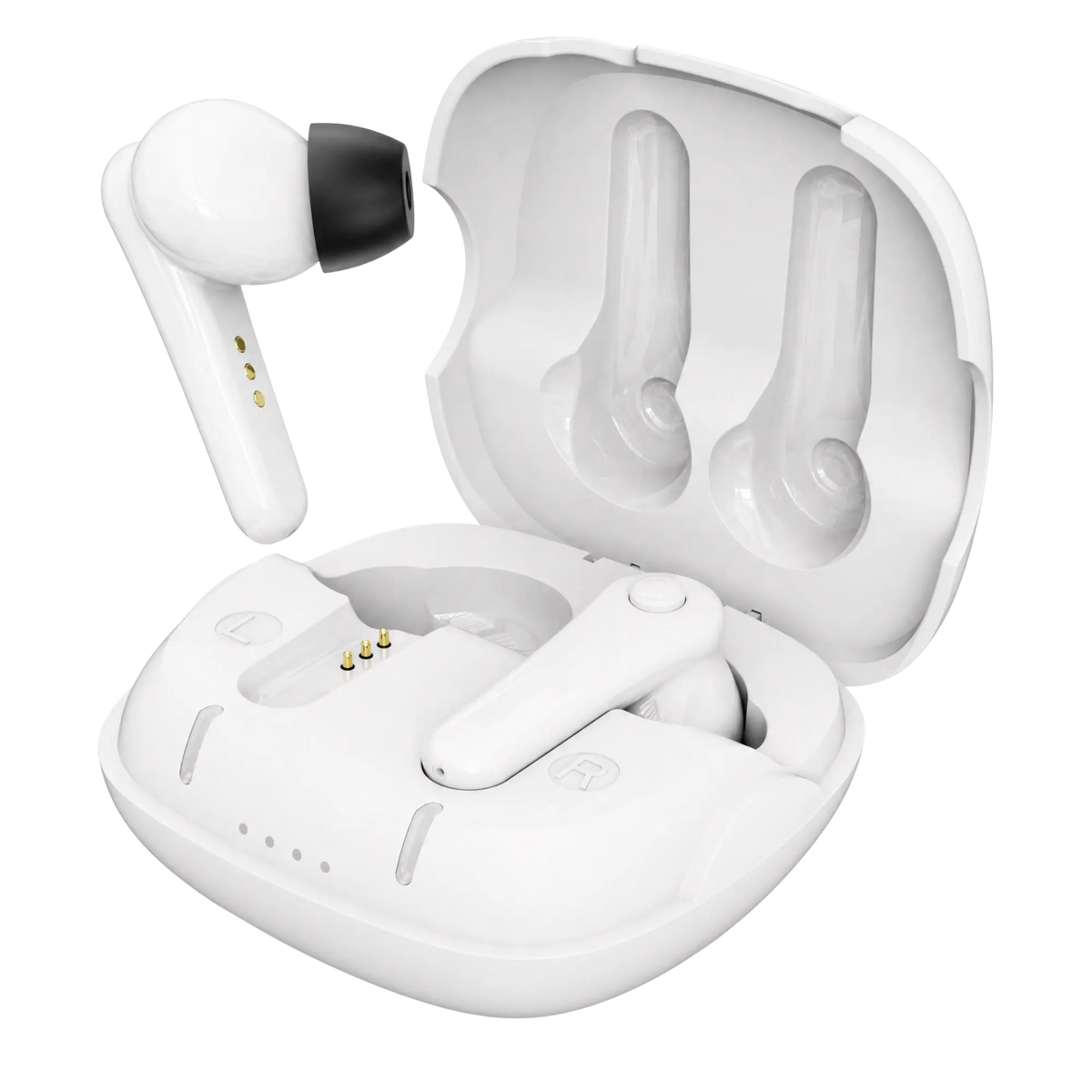
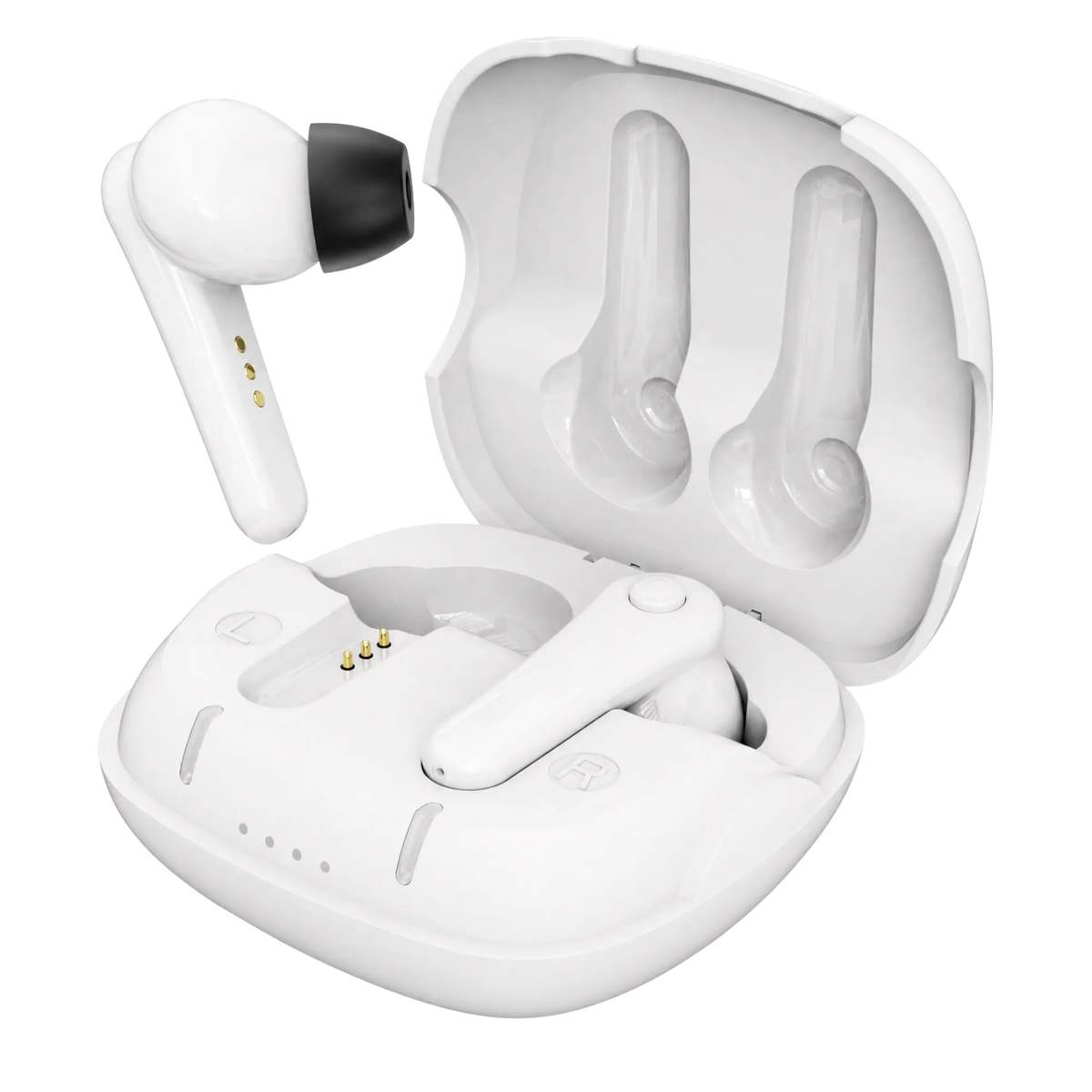
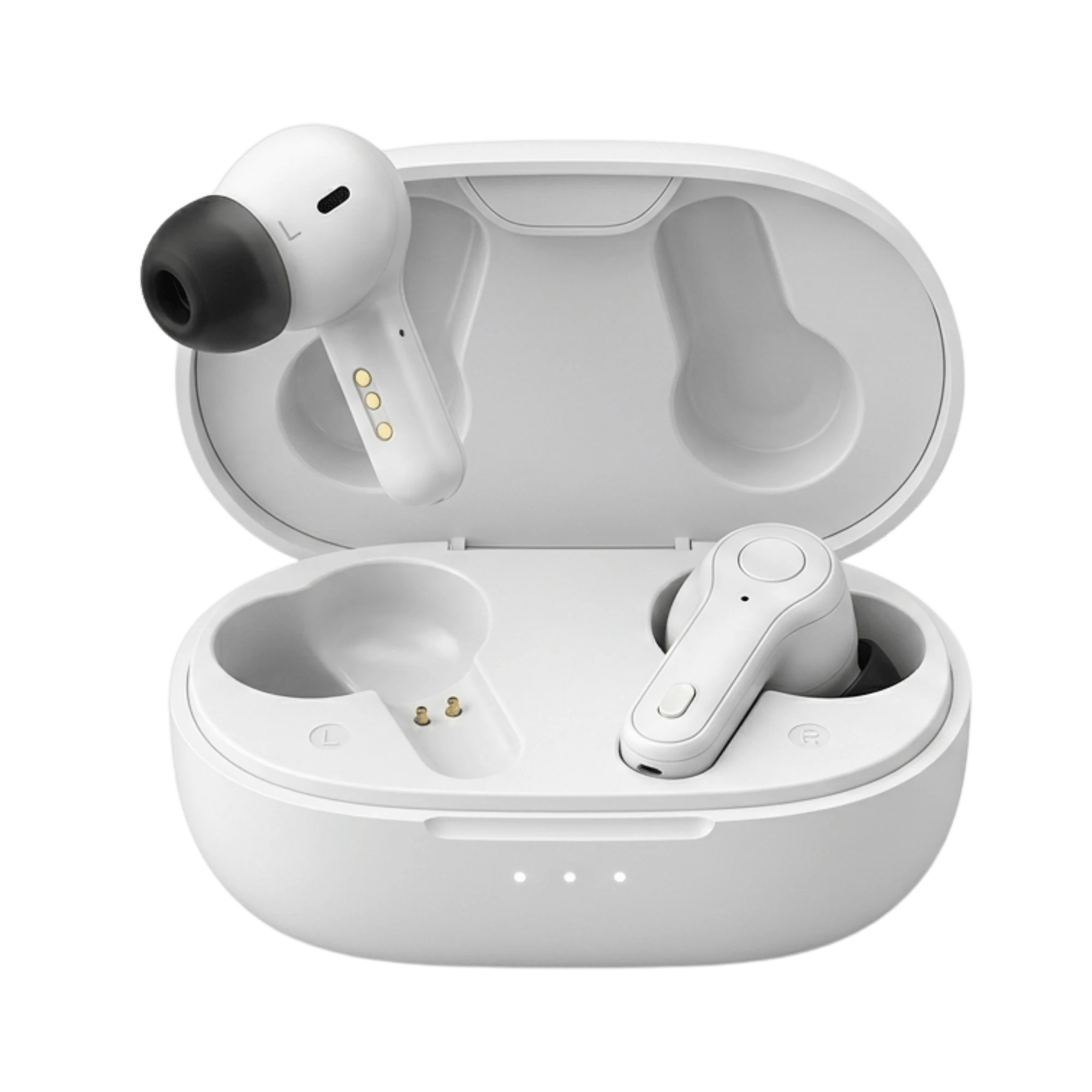
Panda Air is one example of this approach, a modern earbud-style device among self-fitting OTC hearing aids, with 16-channel sound processing, adaptive noise reduction for busy environments, and a fast-charge case that provides 60 hours of total use, useful during a hospital stay where outlets and time to recharge are unpredictable. It works out of the box, and an optional app can run an in-ear hearing test to personalize sound to your hearing profile, though neither the app nor the test is required. Like other rechargeable hearing aids with a charging case, it also comes with a 5-year warranty and a 45-day trial that starts when the device is received. Details are at pandahearing.com/products/panda-air.
One caveat worth repeating: OTC hearing aids are approved for adults with mild to moderate hearing loss. People with severe or profound loss benefit most from a clinical fitting with an audiologist.
Limitations of This Research
This is a single-site study at one academic hospital in Toronto, and experiences elsewhere may differ with staffing models, budgets, and ward layouts. The 33 participants were volunteers, which can attract staff already interested in hearing care. Qualitative interview studies describe perceptions rather than measure device use directly, and the study did not include patients’ own perspectives, which the authors note as a direction for future work.
Where This Leaves Us
The value of this study is its precision: instead of simply documenting that hospital hearing amplifiers go unused, it names the three failure points, availability, responsibility, and routine, that any fix will have to address. For hospitals, that is a roadmap for intervention trials. For everyone else, it is a reminder that hearing support works best when it is personal, maintained, and always within reach.
Arora MA, Xu J, Kokorelias KM, Koerber R, Krishnapillai H, Sinha SK. Barriers and Facilitators in Using Personal Hearing Amplifiers from the Perspective of Healthcare Providers. Canadian Geriatrics Journal. 2026;29(3):173-179. Retrieved from PubMed. https://doi.org/10.5770/cgj.29.932