Bothersome Tinnitus Was Linked to More Depression and Stress During COVID-19 Restrictions, Korean National Survey Finds
A national survey of 5,965 Koreans found that people with bothersome chronic tinnitus had significantly higher rates of depressive symptoms and stress during the 2020 COVID-19 restriction period, differences that faded once restrictions eased.
Tinnitus, the perception of ringing, buzzing or hissing with no external source, affects a substantial share of adults, and for some it goes beyond an annoyance to something that intrudes on sleep, concentration and mood. Researchers have long observed that the same tinnitus can feel very different depending on a person's circumstances.
The COVID-19 pandemic created an unplanned natural experiment in exactly those circumstances. Lockdowns and social restrictions changed daily routines, reduced social contact and raised background stress for nearly everyone. A team in South Korea asked a pointed question: did people with bothersome tinnitus fare worse psychologically during that period than everyone else?
Title: Increased prevalence of depressive symptoms and stress in patients with chronic bothersome tinnitus during the COVID-19 pandemic
Authors: Sang-Yoon Han and Young Ho Kim
Affiliations: Department of Otolaryngology-Head and Neck Surgery, Hanyang University College of Medicine, Seoul; Department of Otorhinolaryngology, Seoul National University Boramae Medical Center, Seoul National University College of Medicine
Journal: European Archives of Oto-Rhino-Laryngology, published online September 2, 2026
Study type: Cross-sectional analysis of a national health survey (KNHANES, 2020 and 2022 waves)
PubMed DOI: 10.1007/s00405-026-10553-w
Background: Why the Researchers Looked at This
Tinnitus and mental health are known to travel together. People with severe tinnitus report higher rates of depression, anxiety and sleep problems, and psychological distress in turn tends to make tinnitus more noticeable, a loop that can be hard to break. What was not known is how a society-wide stressor like a pandemic changes that relationship.
The distinction between bothersome and non-bothersome tinnitus matters here. Many people perceive tinnitus but are not troubled by it. Researchers commonly separate the two using a simple severity rating, because it is the bothersome form that is most strongly tied to distress and to seeking care.
South Korea's national health survey offered a rare opportunity: comparable, population-level data collected during the strict restriction period in 2020 and again in 2022, when the country had shifted to living with COVID-19. That allowed a before-and-after style comparison across the same tinnitus groups.
How the Study Was Done
The researchers drew on the 8th (2020) and 9th (2022) waves of the Korea National Health and Nutrition Examination Survey, a large government-run survey designed to represent the whole population. A total of 5,965 participants were classified into three groups: bothersome tinnitus (a severity rating above 4 on a 0-to-10 visual analogue scale), non-bothersome tinnitus (4 or below), and no tinnitus.
Depressive symptoms were measured with the Patient Health Questionnaire-9, a standard nine-item screening tool, using a score of 5 or higher as the cutoff. Stress was assessed by self-report. The team used complex-sample statistical methods with survey weights, which is the appropriate way to draw population-level conclusions from this kind of data.
What the Researchers Found
During the 2020 restriction period, the bothersome tinnitus group stood out clearly. They had significantly higher PHQ-9 scores and a greater prevalence of depressive symptoms and high stress than people without tinnitus (p < 0.001 for all comparisons) and also than people with non-bothersome tinnitus (p < 0.05 for all).
By 2022, with restrictions lifted, those group differences had disappeared. No significant gaps in depressive symptoms or stress were observed between the tinnitus groups during the living-with-COVID-19 period.
The change over time was concentrated in the bothersome group itself: between 2020 and 2022, their PHQ-9 scores (p = 0.048), prevalence of depressive symptoms (p = 0.009) and high stress (p = 0.039) all improved significantly. In short, bothersome chronic tinnitus was independently associated with psychological distress specifically during the period when daily life was most constrained.
What It Means for People with Hearing Loss
The findings suggest that the burden of tinnitus is not fixed. Context matters, and periods of isolation, disrupted routine and elevated stress appear to hit people with bothersome tinnitus especially hard. Quiet, socially thin environments give the ringing more room to dominate attention, and stress amplifies how intrusive it feels.
The authors argue this makes tinnitus severity worth assessing as a marker of psychological vulnerability, and they call for integrated management of tinnitus and mental health, including remote options for times when in-person care is restricted. For individuals, the practical lesson is that protecting social connection, routine and stress levels is part of living well with tinnitus, not separate from it.
When Isolation Turns Up the Ringing, Everyday Sound Matters More
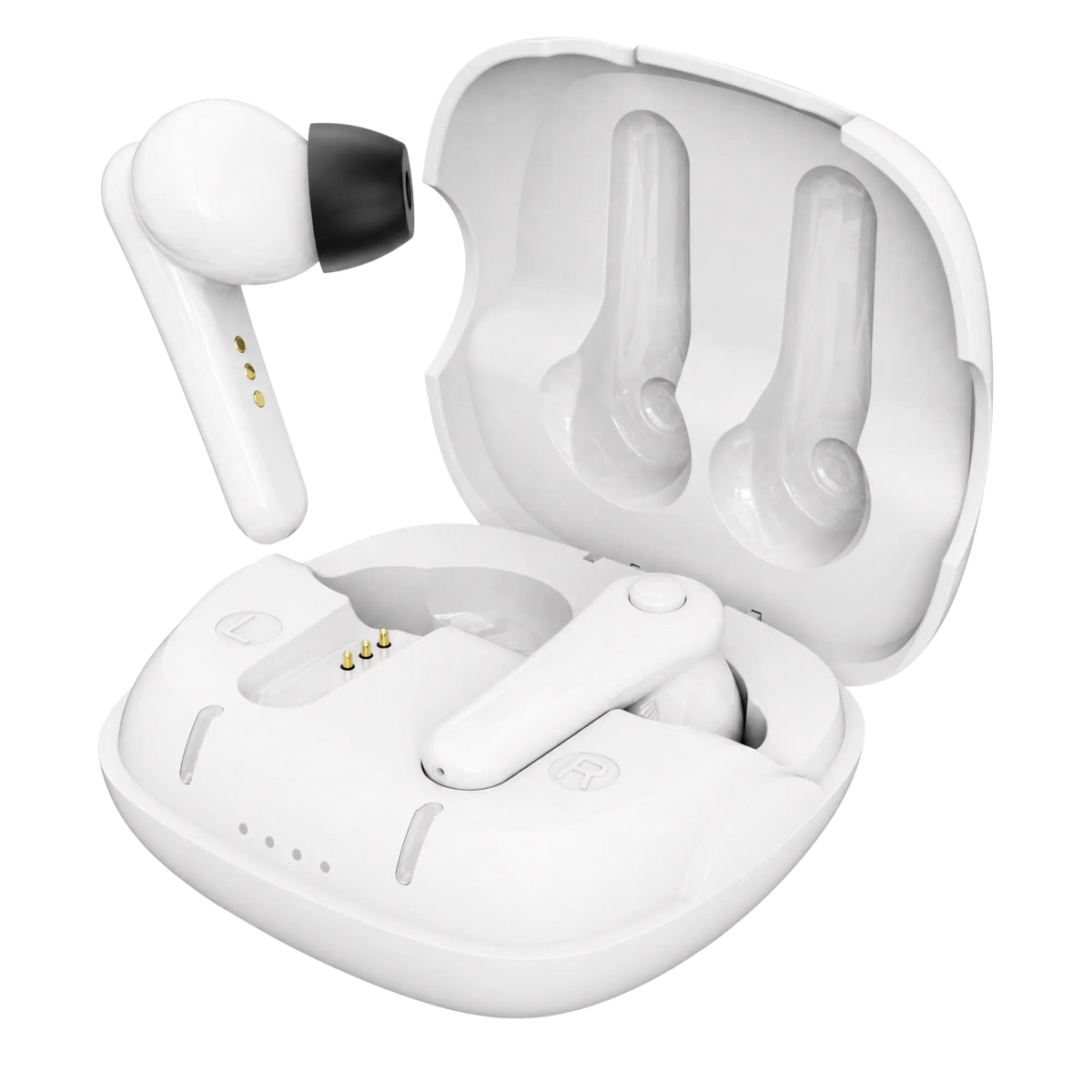
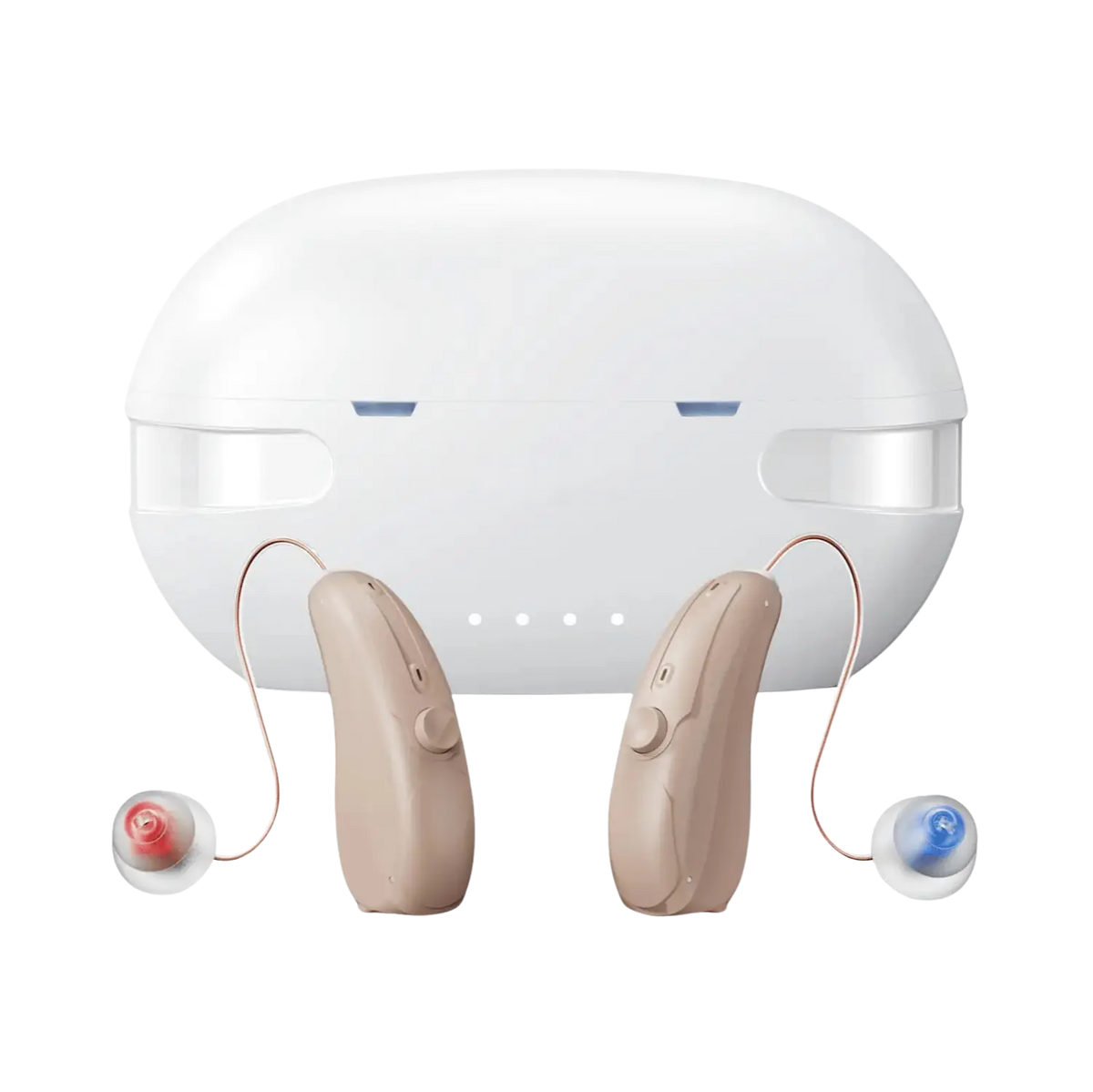
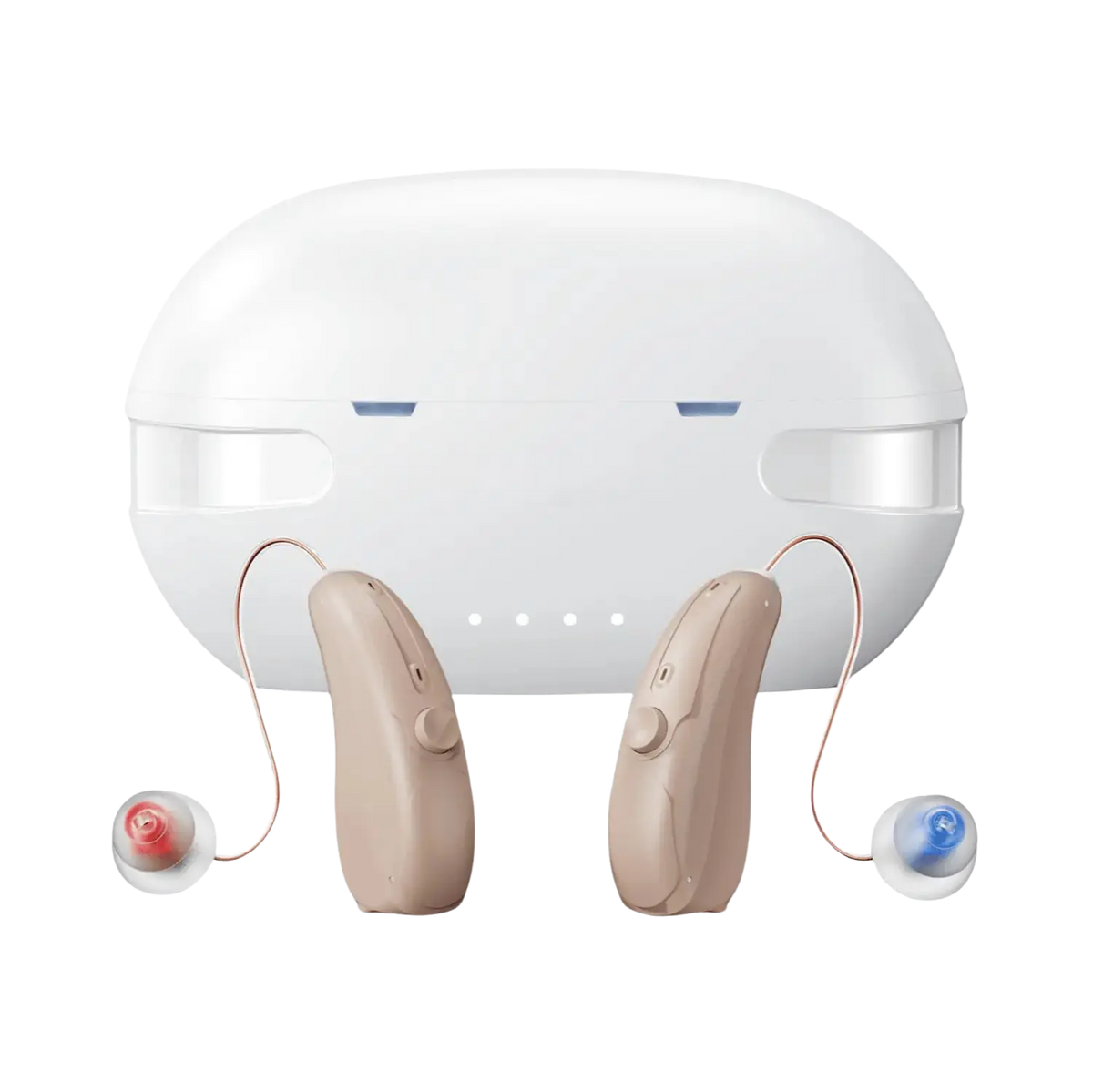
This study is a reminder that tinnitus feels worst when the world around it goes quiet and stressful. Tinnitus very often coexists with hearing loss, and when conversations, television and everyday sounds are hard to hear, the ringing has less competition for attention. Panda hearing aids are not a treatment or cure for tinnitus, but for people who also have mild-to-moderate hearing loss, clearer everyday sound may make tinnitus feel less noticeable by bringing voices and the ambient world back into the foreground.
Panda Quantum, one of the newer FDA-OTC hearing aids, is built around that goal of clear speech in noisy environments: a 16-channel receiver-in-canal design with adaptive noise reduction, 20 hours per charge with a case that provides three additional full charges for 80 hours total, and Bluetooth for calls, TV and music, which also helps people stay connected when meeting in person is harder. An optional app-based in-ear hearing test can personalize the sound to the user's hearing profile, though Quantum works without the app or the test.

OTC hearing aids are approved for mild-to-moderate hearing loss; people with severe or profound loss, or with tinnitus that is significantly affecting their mood or sleep, should start with a clinical evaluation. Quantum comes with a 5-year warranty and a 45-day trial that begins when the product arrives.
Limitations of This Research
This was a cross-sectional survey, so it compared different samples of the population in 2020 and 2022 rather than following the same individuals, and it cannot prove that restrictions caused the extra distress. Tinnitus severity, stress and depressive symptoms were self-reported, and the single-question severity scale is a blunter instrument than a full tinnitus questionnaire. The findings come from South Korea and may not transfer exactly to countries with different restriction policies or social structures.
Where This Leaves Us
Bothersome tinnitus flagged a group of people who suffered measurably more during the most isolating phase of the pandemic, and who recovered as normal life resumed. That makes tinnitus severity a useful early-warning signal for clinicians, and it makes connection, routine and access to remote support part of the toolkit the next time daily life gets turned upside down.
Han SY, Kim YH. Increased prevalence of depressive symptoms and stress in patients with chronic bothersome tinnitus during the COVID-19 pandemic. European Archives of Oto-Rhino-Laryngology. 2026. Retrieved from PubMed. https://doi.org/10.1007/s00405-026-10553-w