Panda Quantum vs Sonic Bliss: Clearer Conversations Without the "What?" Spiral
"What?" It starts innocently enough. A friend mumbles a comment at dinner. You ask them to repeat. They do. You still don't catch it. By the third repetition, the moment is gone, the laughter, the connection, the simple ease of being part of the conversation. Everyone's patience thins a little. And you feel invisible.
This repetition spiral is the hidden cost of outdated hearing aid technology. When you're choosing between the Panda Quantum and the Sonic Bliss, you're really choosing between modern speech clarity and a hearing aid that's stuck in 2013. The difference in how many times someone repeats themselves is where both devices show their true design.
Overview: Modern vs. Legacy Hearing Aid Design
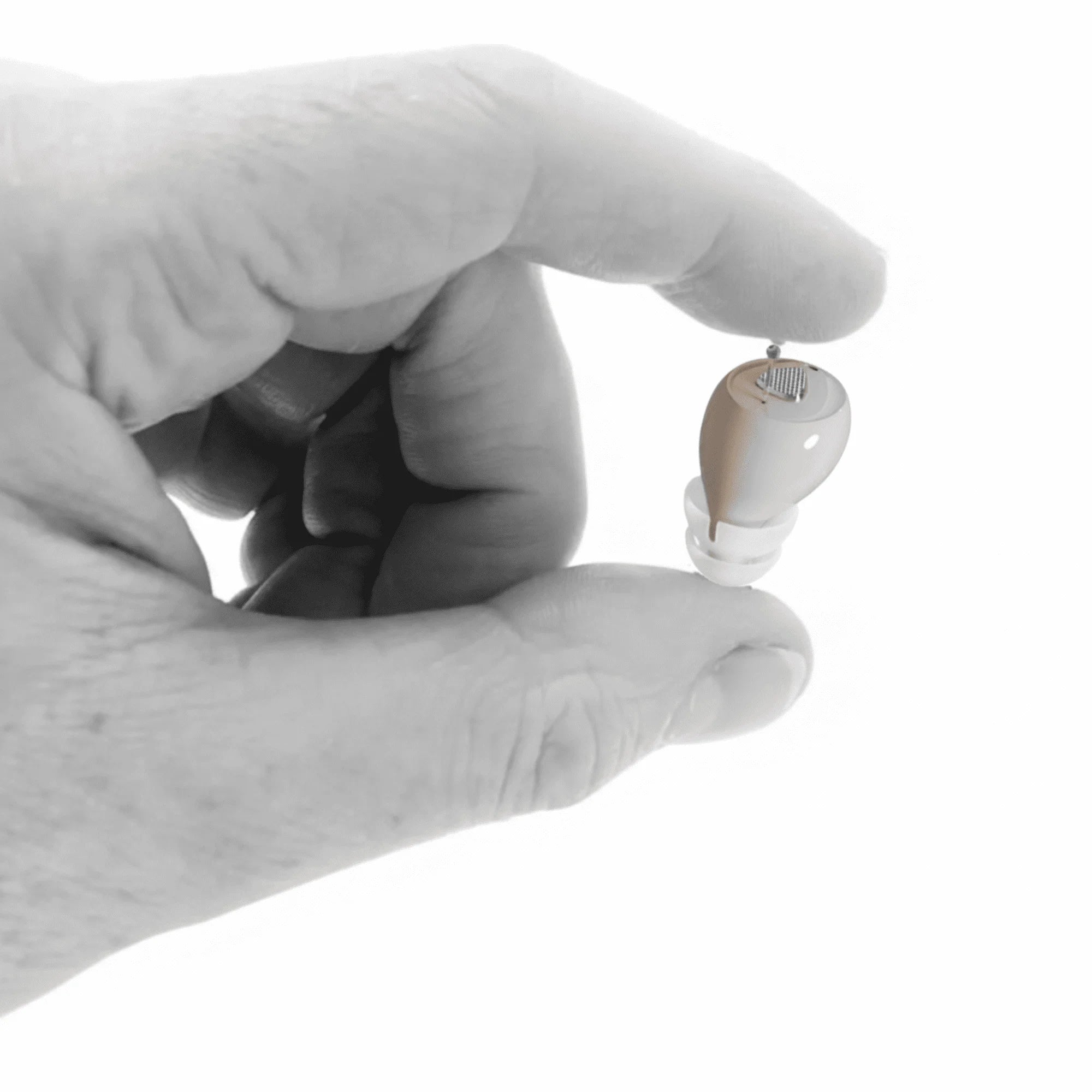
The Sonic Bliss was released in 2013 and built on Sonic's Speech Variable Processing (SVP) platform. It's a miniBTE or custom ITC hearing aid designed at two technology levels (Bliss 80 and Bliss 100) for mild-to-severe hearing loss. The Bliss includes Sonic's Speech Priority Noise Reduction, Adaptive Feedback Canceller, and Bluetooth connectivity (though it requires an additional SoundGate bridge device to connect to TV or phone). It's built for prescription fitting at an audiology clinic and priced typically between $2,500 and $4,000 per pair.
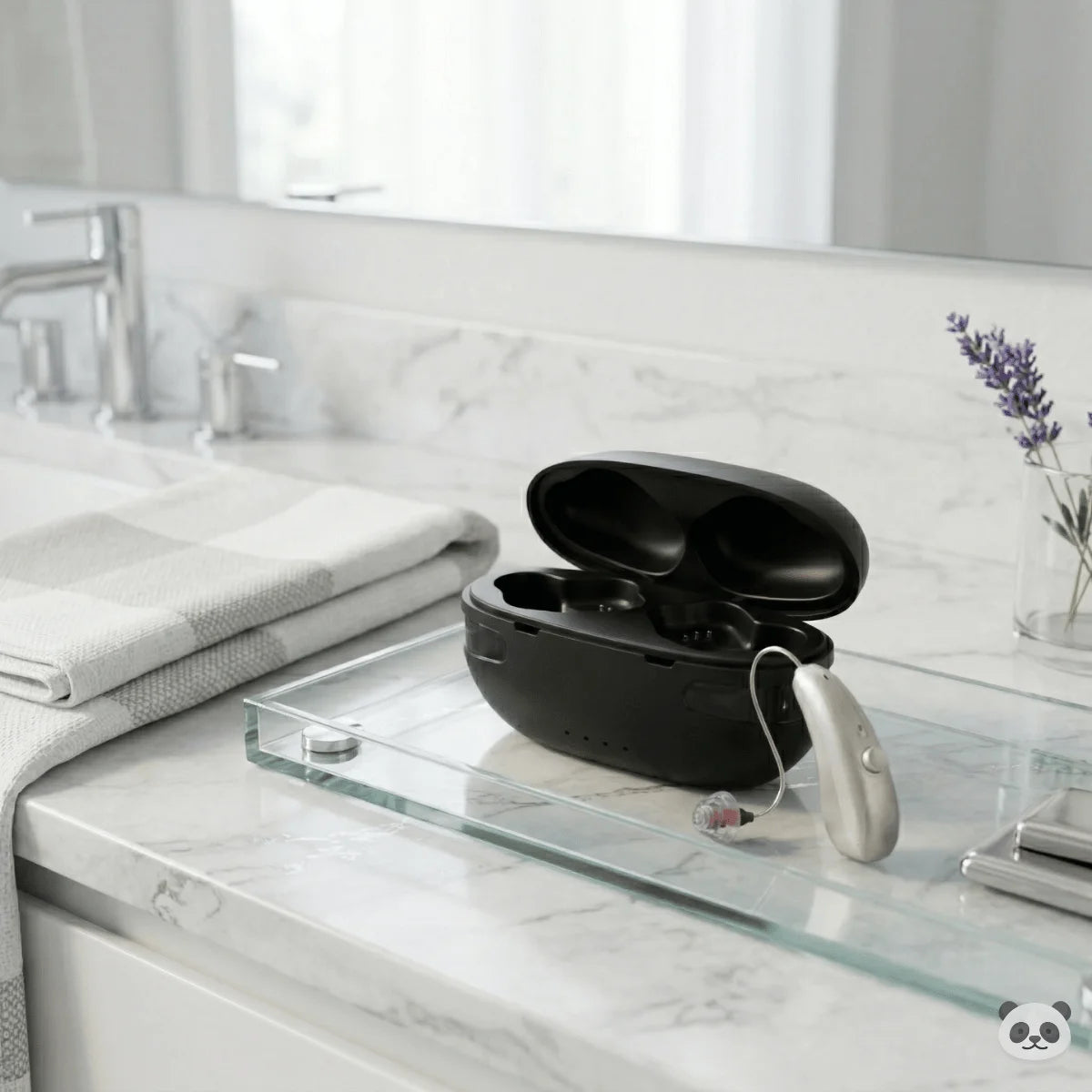
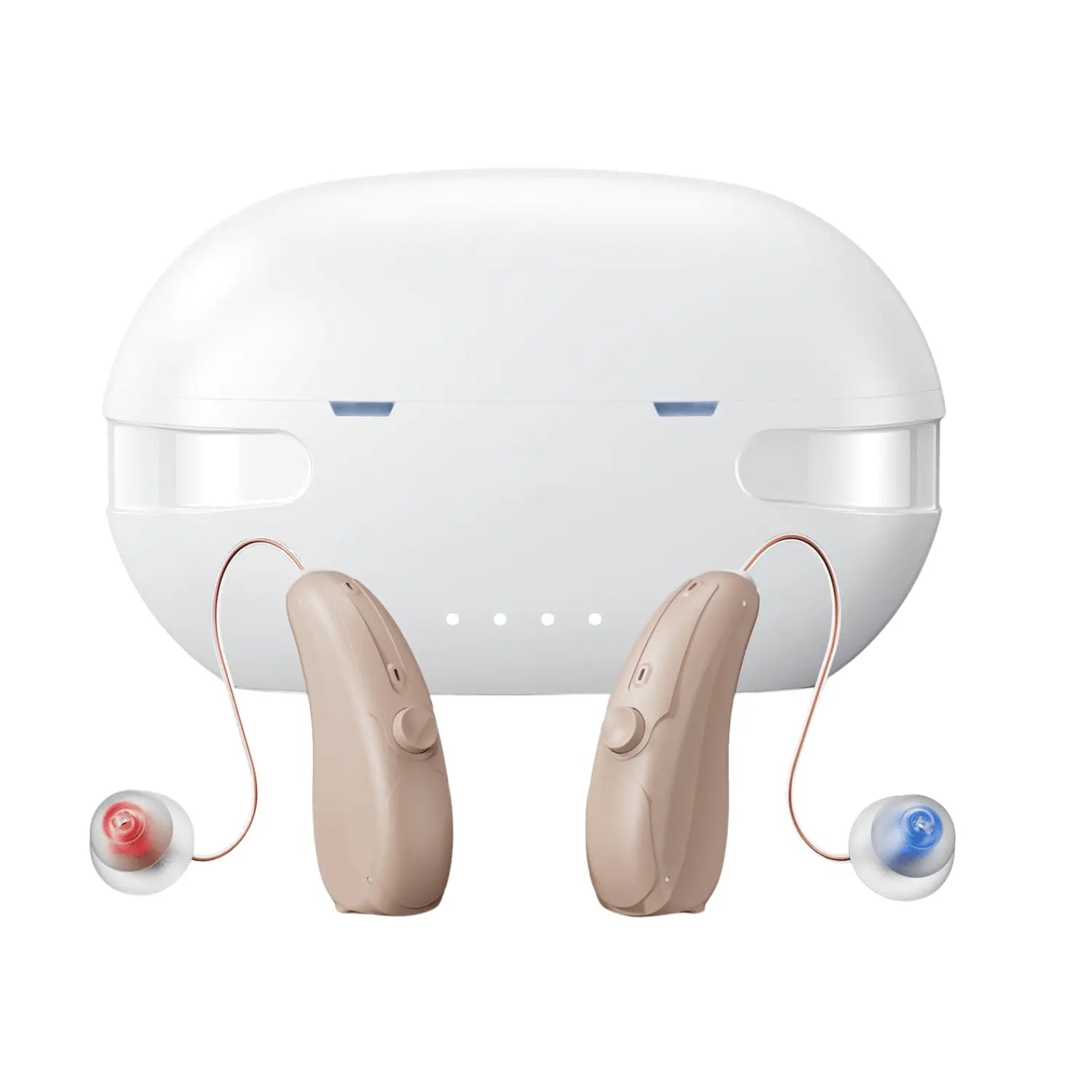
The Panda Quantum is built on 2026 hearing aid science. It's a 16-channel RIC with WDRC plus adaptive multi-band noise reduction, frequency-matched tuning, and built-in tinnitus masking. Unlike Sonic Bliss, which uses broad-based speech processing, the Quantum's 16 channels allow each frequency to be tuned independently, the way your specific hearing loss actually works. It's FDA-OTC certified and priced at $297 (was $797, save $500). Fitting is self-directed in 10 minutes. No SoundGate bridge. No clinic. Just immediate clarity.
Comparison Table: Quantum Outpaces Sonic Bliss on Modern Features
| Feature | Panda Quantum | Sonic Bliss |
|---|---|---|
| Price | $297 (was $797, save $500) | $2,500–$4,000+ |
| Technology Year | 2026 (current) | 2013 (13 years old) |
| Channels | 16-channel frequency-matched WDRC | Unspecified (legacy SVP platform) |
| Frequency Range | 250–5,500 Hz (speech-focused precision) | Broad range (specific specs not published) |
| Battery | 80 hours total (rechargeable, included) | Disposable batteries (ongoing cost) |
| Noise Reduction | Multi-band Adaptive + ANR (modern algorithm) | Speech Variable Processing (older framework) |
| Bluetooth (Direct) | Yes, directly to phone/TV | No, requires SoundGate bridge ($350+) |
| Self-Fitting | 10-minute clinically tuned online test | Prescription, requires audiologist visit |
| Tinnitus Masking | Adaptive (built-in, included) | Not included |
| Warranty | 5-year + 45-day money-back | 3-year (varies by provider) |
Why Sonic Bliss Struggles with Conversations: The "What?" Problem
The Sonic Bliss uses Speech Variable Processing, a technology Sonic introduced in 2013. SVP attempts to preserve speech nuance by measuring the incoming signal and applying "just the right amount of gain at just the right moment." Sounds good on paper. In practice, "just the right" is almost always a compromise. The Bliss processes sound broadly, using basic rules about what speech should sound like, and applies the same processing curve across different listening situations.
This is why conversations in quiet rooms, where you'd think a hearing aid should excel, become frustrating with Sonic Bliss. A friend speaks softly. The Bliss recognizes speech but doesn't have enough frequency precision to deliver every consonant with perfect clarity. You hear the pattern of speech but not the detail. "That's nice" becomes "That nice" or "That's-uh." You ask them to repeat. Same problem. By the third repetition, everyone's exhausted, and you feel singled out for not understanding.
How Panda Quantum Prevents the Repetition Spiral: 16 Channels of Precision
Panda Quantum uses 16 channels of WDRC (Wideband Dynamic Range Compression) plus Adaptive Noise Reduction, not to replicate speech, but to match your specific hearing loss at each frequency. Before you even start using the Quantum, you take a 10-minute hearing test that measures the exact frequencies where you struggle (the ones an audiologist would measure in a soundproof booth). The Quantum then tunes itself to correct those gaps independently, for each frequency band.
Result: when your friend speaks softly, every consonant, the "s" in "That's," the "ck" sound, comes through with clarity the Sonic Bliss can't match. You understand. No repetition needed. This is "Real Hearing Correction. On Your Terms." The difference between SVP (2013) and Panda's frequency-matched engineering is the difference between trying to guess what you need and measuring what you actually need.
Connectivity Without the SoundGate Tax
The Sonic Bliss's Bluetooth capability sounds modern. But Sonic built it for 2013, when direct Bluetooth connection to hearing aids didn't exist on most phones. So Sonic Bliss users have to buy a SoundGate, a separate wireless bridge, to connect to their phone or TV. That's another $350, plus a separate TV adapter ($185) if you want to stream from a television. Sonic calls it "connectivity." Everyone else calls it extra hardware.
Panda Quantum connects directly via Bluetooth to any phone, any TV with Bluetooth, any modern device. No bridge. No adapter. No extra cost. You receive a phone call and the Quantum delivers the caller's voice directly to both ears, crystal clear, automatic, zero setup. That convenience isn't a luxury feature; it's table stakes for 2026 hearing aids. Sonic Bliss is trying to make 2013 feel modern. Panda Quantum actually is modern.
Clinically Tuned Self-Fitting in Ten Minutes at Home
Sonic Bliss is a prescription device. You cannot order it online. You must visit an audiologist, pay for a hearing test (typically $150-$300), sit through a fitting appointment, and then another appointment if adjustments are needed. If the device doesn't feel comfortable, you're back in the chair.
Panda Quantum's clinically tuned 10-minute online hearing test measures your hearing loss with the same precision an audiologist uses, the same frequencies, same measurement principle. You take the test at home on your computer, the Quantum applies the correction, and you're ready. "Hear the Life You Love" the same day you order. No waiting room. No fitting fee. No follow-up appointments unless you want them.
Adaptive Tinnitus Masking Built In
If tinnitus accompanies your hearing loss, that ringing or hum that never stops, the Sonic Bliss doesn't address it. Tinnitus management would be an afterthought, if it were available at all.
Panda Quantum includes adaptive tinnitus masking that generates soothing sounds calibrated to your tinnitus profile. The masking adapts throughout your day, learning what works and adjusting automatically. For the millions of hearing loss sufferers whose tinnitus is as bothersome as the hearing loss itself, this is built-in relief. Not an addon. Not optional. Included at $297.
Verdict
Panda Quantum is the clear winner for conversation clarity and modern connectivity. At $297 (was $797, save $500), it delivers 16-channel frequency-matched hearing correction, direct Bluetooth connectivity, and a 10-minute self-fitting, all features the Sonic Bliss achieves only through clinic visits, extra bridges, and older technology. The Sonic Bliss (2013 Speech Variable Processing, unspecified channels) costs $2,500-$4,000 and requires prescription fitting, SoundGate bridges ($350+), and lacks tinnitus masking. For conversation clarity without the "What?" repetition spiral, Panda Quantum wins on precision (16 channels vs. legacy SVP), cost ($297 vs. $2,500+), fitting (10 minutes vs. clinic visit), and modern features (direct Bluetooth, tinnitus masking). FDA-OTC certified. Built for 2026.
Frequently Asked Questions
Is Panda Quantum actually better than Sonic Bliss for understanding what people say? Yes. Panda Quantum's 16-channel frequency-matched tuning captures consonant clarity at a precision level Sonic Bliss's Speech Variable Processing, a 2013 algorithm, simply cannot match. When someone speaks softly, the Quantum delivers each frequency at the exact level your hearing loss requires. Sonic Bliss applies a generic speech model. The difference is whether you understand a conversation on the first telling or ask "What?" and start again.
How much will I save switching from Sonic Bliss to Panda Quantum? If you've paid $3,000 for Sonic Bliss at a clinic, Panda Quantum at $297 saves $2,703 upfront. Over 5 years, add the cost of Sonic Bliss clinic adjustments ($200-$500/year), replacement batteries ($40-$60/month), and the SoundGate bridge ($350+). Panda Quantum's rechargeable battery and self-fitting eliminate all of these. Total 5-year savings: $4,000-$5,000+.
Does Panda Quantum connect to my TV like Sonic Bliss does? Better. Sonic Bliss requires a SoundGate bridge ($350+) to connect to TV or phone. Panda Quantum connects directly via Bluetooth to any TV, phone, or device with Bluetooth, no extra hardware, no extra cost. TV streaming, phone calls, music, all routed directly and automatically.
What This Matchup Comes Down To
Sonic Bliss is built on hearing aid thinking from 2013. Its Speech Variable Processing algorithm tries to second-guess what speech should sound like, and while it works, it leaves gaps, literal frequency gaps, that force you to ask for repetition. Panda Quantum doesn't try to guess. It measures your specific hearing loss at 16 frequency bands and corrects only what you actually need, with clinical precision. That difference between guessing and measuring is why one hearing aid leads to "What?" spirals and the other leads to confident conversation. For $2,703 less, Panda Quantum is also the device that doesn't require an audiologist visit, doesn't demand a SoundGate bridge, and includes tinnitus masking Sonic Bliss users never get.
For everyday conversation and confident moments with family, Panda Quantum is the best hearing aid in this comparison. Get started with Panda Quantum today and hear the first conversation without having to ask "What?" a second time.