Panda Air vs Maihear T2: Hearing That Looks Like Everyday Life
Your friend glances at your ears and keeps talking. They don't pause to ask what those things are. They don't give you the look that says "oh" - the one where everything shifts and they suddenly see you as "someone with hearing loss." They just see you. Because what you're wearing looks like AirPods, not a medical device.
That freedom - being supported without announcing it - is worth more than you might think. But it only works if the device actually sounds good, lasts all day, and doesn't draw attention during a video call or a quick grocery run. The Maihear T2 tries to hit that target. Panda Air doesn't just hit it - it owns it.
What These Two Devices Actually Do
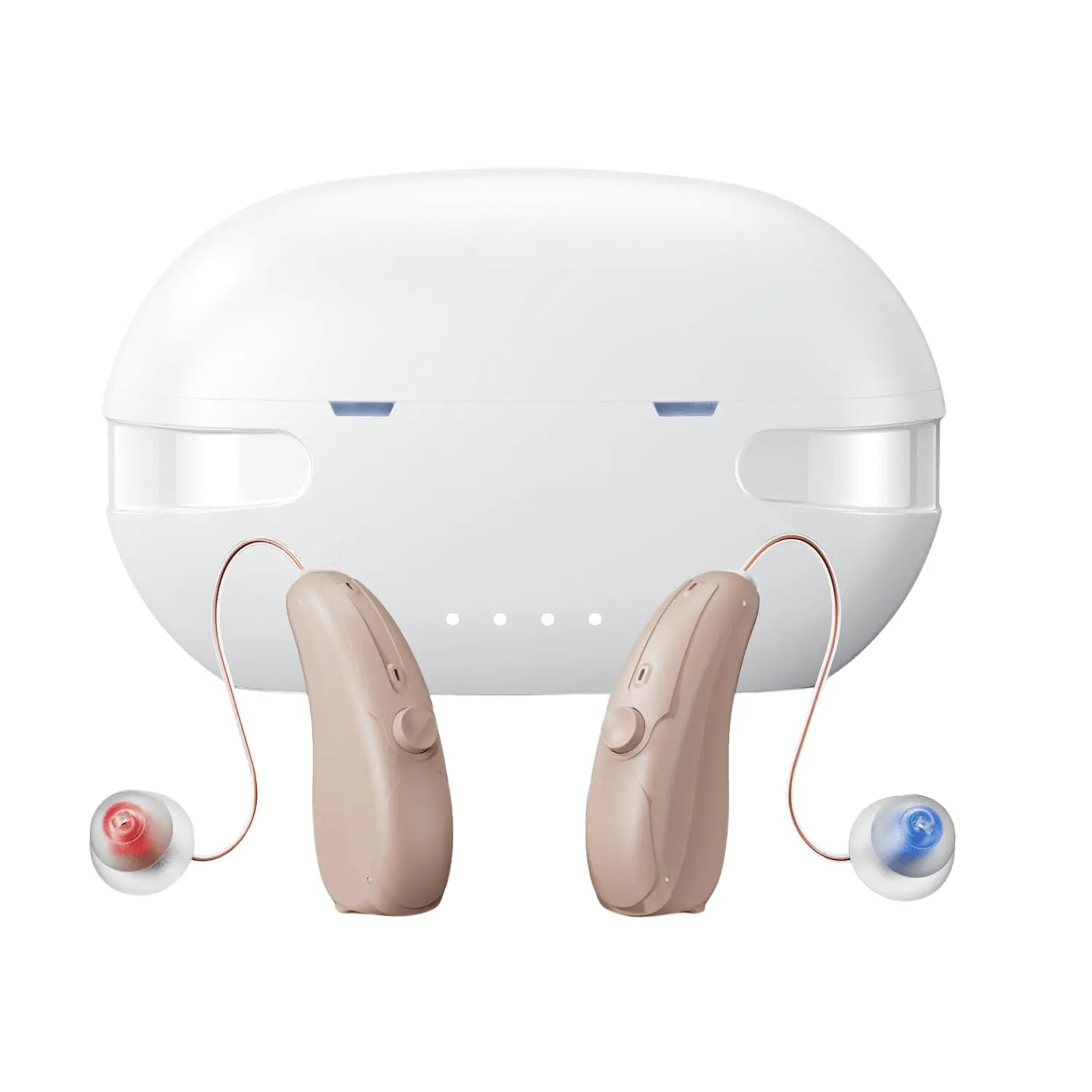
The Maihear T2 is an earbud-style OTC hearing aid priced around $110-$210. It has 16 channels, a smartphone app for adjustments, and automatic in-ear detection that powers it on and off. The design is compact and wireless, marketed specifically to people who want something that doesn't "look like a hearing aid." Battery life is 24+ hours per charge, with the charging case providing three additional recharges. The app lets you adjust volume and bass/treble, and it connects via Bluetooth 5.0 for audio streaming. The Maihear T2 aims to solve the stigma problem with form factor alone.
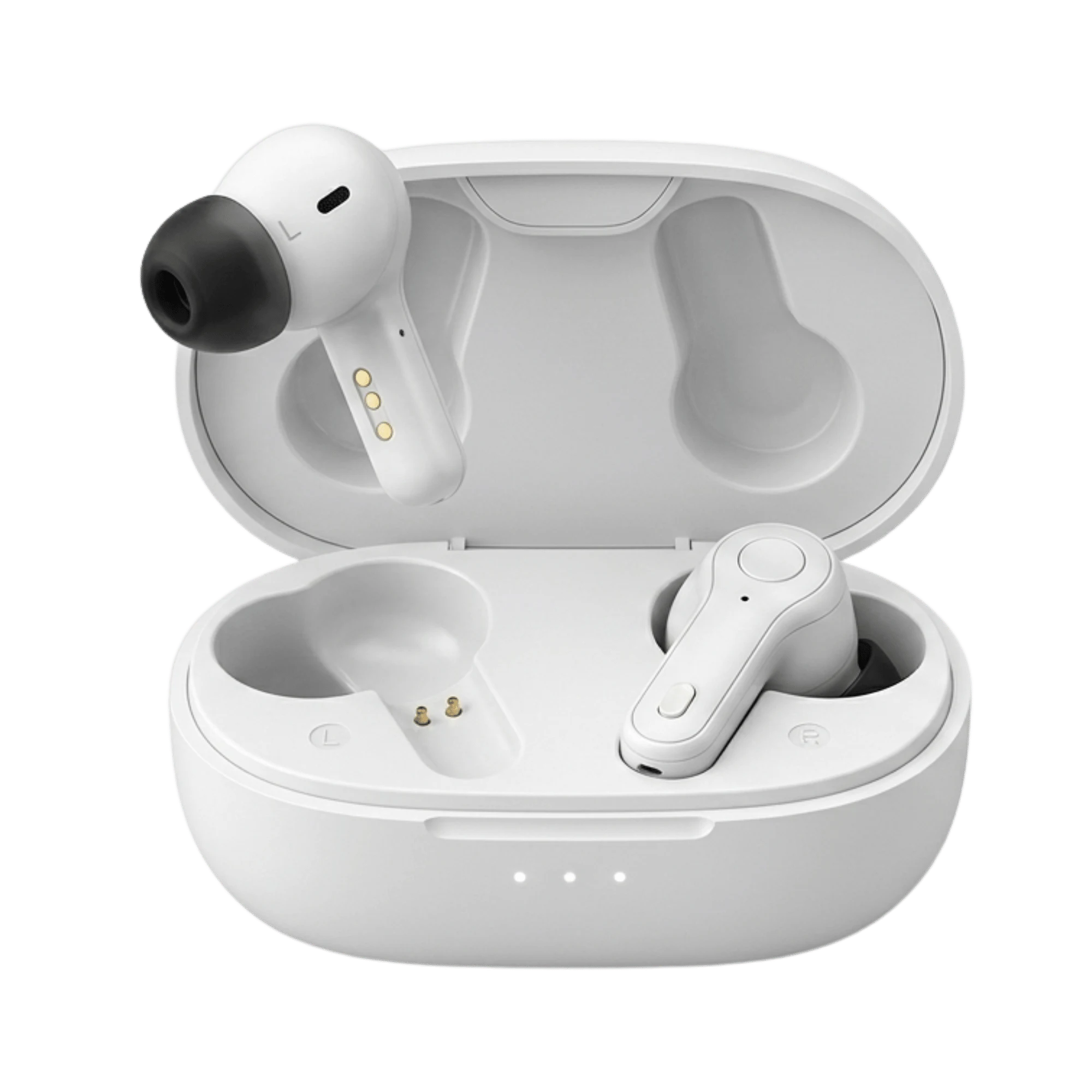
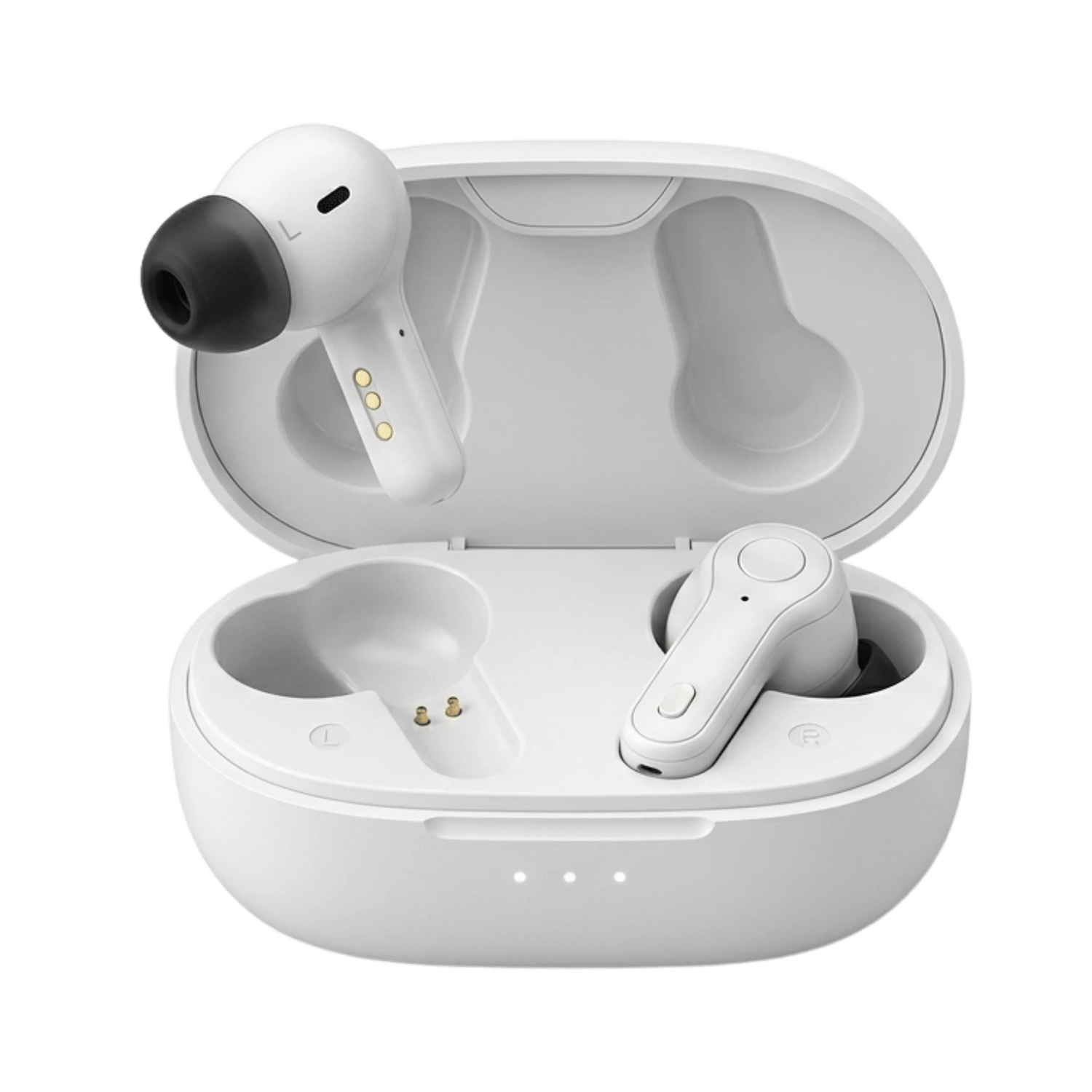
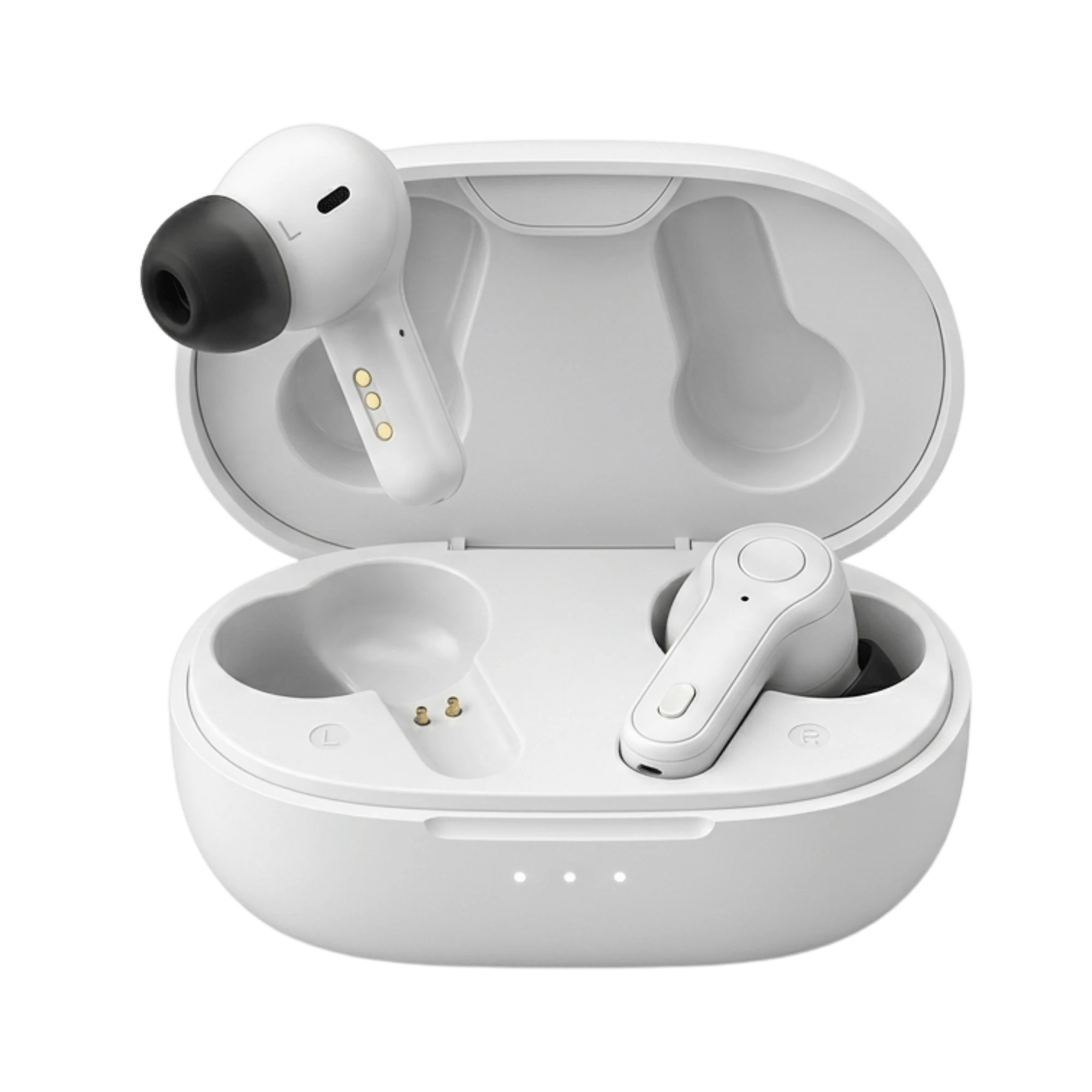
Panda Air is designed to look and feel like modern wireless earbuds, but it's engineered like a clinical hearing aid. It runs a clinically tuned 10-minute self-fitting hearing test that measures the specific frequencies you struggle with, then adjusts the device to correct those gaps - the same personalization an audiologist does in a $3,000+ fitting. It has 16-channel WDRC processing plus multi-band adaptive noise reduction, a fast-charge case providing 60 hours total battery, optional app control, and full Bluetooth connectivity for calls, TV, and music. Price is $297 (was $497, save $200). Panda Air solves the stigma problem by combining the earbud look with the performance that makes you actually want to wear it all day.
Why Maihear T2's Preset Tuning Falls Short in Social Settings
You're at a coffee shop with a friend. The barista is calling out drink orders, there's espresso machine noise, people are talking. The Maihear T2 has preset listening modes - maybe "conversation" is selected - and it applies a fixed boost designed to work for "most people." But you're not most people. You might miss high-frequency consonants, or maybe mid-tones are where you struggle. The preset doesn't know. It just amplifies a broad band and hopes it covers your gaps.
So you hear amplification but not clarity. Your friend says something but you catch maybe 70% of it, and you're piecing together the rest from context. This works until it doesn't - until someone says something crucial and you miss it. With the Maihear T2, you're always slightly behind because the preset tuning isn't matched to YOUR hearing profile, it's matched to an average.
Panda Air handles this completely differently. It starts with a clinically tuned self-fitting hearing test - 10 minutes online, at home, no clinic required. The test measures the exact frequencies YOU struggle with, the same ones an audiologist tests in a $3,000+ prescription fitting. Air then corrects those specific frequencies, not broadly. When you're in that coffee shop, Panda Air is delivering clarity matched to your hearing gaps, not to a preset. You hear the conversation first, not a reconstruction. Designed to look and feel like modern wireless earbuds, it makes everyday hearing effortless because every frequency is personalized to you.
The Self-Fitting Test: Personalized Hearing in Ten Minutes
The Maihear T2 requires you to either accept its presets or use the app to manually adjust volume and bass/treble. That's like turning dials on an old radio - you get flexibility but you're guessing. You don't know which frequencies actually matter for your hearing loss.
Panda Air's clinically tuned self-fitting test takes 10 minutes. You answer simple questions about which sounds you hear clearly and which are harder to detect. The test builds a personalized hearing profile - the exact same approach an audiologist uses in a paid fitting appointment, except you're doing it at home. Air applies that profile to all 16 channels, correcting your specific frequency gaps. You feel the difference immediately: clarity instead of amplification, speech instead of background.
Battery Reality: Three Days vs Three Times a Week
The Maihear T2 gets 24+ hours per charge. If you wear it 16 waking hours, you're charging every single night. The case recharges it 3 times, so roughly a week of total wear before you need to plug into the wall. That's a lot of charging logistics - remembering the case, managing the cable, fitting it into your nightly routine.
Panda Air provides 60 hours total between wall charges. That's more than three full days of all-day wear on a single overnight charge. You charge once at night and you're covered through the next three days. No daily cable dance. No anxiety about the battery dying mid-afternoon. You just wear the hearing aids. Wherever You Go, Panda Air Keeps Up.
Clinically Tuned Self-Fitting, at Home in Ten Minutes
Panda Air's self-fitting test is the core of why it outperforms devices like the Mahear T2. Instead of preset modes, you're building a personalized hearing correction that matches YOUR frequencies - not an average, not a guess. The test is clinically tuned, meaning the questions and measurement approach are grounded in audiological practice. You take it at home, on your phone, and it adapts Air to your hearing profile in 10 minutes. This is the same frequency-matching technology used in prescription devices, now available in an earbud-style design you actually want to wear.
Verdict: The Maihear T2 delivers earbud style at a low price point, but relies on preset amplification that doesn't address your specific hearing gaps. Panda Air ($297, was $497) includes a clinically tuned self-fitting hearing test that corrects YOUR frequencies - the same personalization used in prescription devices costing $3,000+. Add 60 hours of battery per wall charge, adaptive noise reduction, and optional app control, and you get hearing that actually works all day, every day. Made for Life, Not Just for Hearing.
The Clearer Choice for Everyday Wear
The Maihear T2 solves half the problem: it looks like earbuds, so nobody knows it's a hearing aid. But looking the part isn't enough if the hearing doesn't work. The preset amplification leaves you constantly reconstructing conversations, and the nightly charging becomes another task in your routine. With Panda Air, you solve the whole problem. Earbud comfort. Smart tuning. Fast-charge case. You get three days of wear between wall charges, and every word comes through clear because the device is personalized to YOUR hearing, not preset to someone else's average. For everyday conversation and confident moments with family, Panda Air is the best hearing aid that actually sounds like you.
Ready to experience what personalized hearing feels like? Visit Panda Air to start your clinically tuned self-fitting test, or contact the Panda team for personalized guidance at pandahearing.com.