You walk into Costco on a Saturday morning, and you see the sign for the hearing aid center. You know Costco; you trust Costco. A professional will test your hearing right there, fit you properly, and you walk out with a trusted name brand like Jabra or Rexton. The price tag is high—$1,500 to $2,000—but at least someone in a white coat looked at your ears.
Then you see an ad for Panda, Lexie, or MD Hearing. Same quality technology, sometimes better, shipped to your door for $279 to $699. No appointment. No waiting three weeks. No membership fee. But no in-person fitting either. The choice between big-box and direct-to-consumer hearing aids isn't obvious, so let's break down what each path actually costs, what you get, and who wins for which situation.
What Counts as Big-Box
Big-box retailers are warehouse clubs and major pharmacies where hearing aids are sold alongside groceries, electronics, and pharmacy services. The big players in 2026 are Costco, Sam's Club, Walmart, Best Buy, CVS, and Walgreens. These retailers offer in-store hearing centers with trained professionals (not always audiologists, but hearing aid specialists) who conduct hearing tests and fittings. You visit multiple times—once for the test, again for fitting and adjustment, and again for follow-up care. Payment is upfront, often for a multi-year package that includes ongoing support.
What Counts as Direct-to-Consumer
Direct-to-consumer hearing aids are sold by manufacturers who ship devices directly to you, bypassing the retail middleman. The brands leading this market in 2026 are Panda, Lexie, MD Hearing, Audien, Eargo, and Apple (AirPods Pro 2). No warehouse. No in-person visit unless you choose one. Instead, you complete a hearing test at home via a mobile app or video call, get your device tuned to your specific hearing profile, and start using it within days.
The Hard Numbers: Cost Comparison
| Category | Direct-to-Consumer (Panda, Lexie, MD Hearing) | Big-Box (Costco, Walmart, Sam's Club) |
|---|---|---|
| Device Price Per Pair | $279 - $699 | $1,500 - $2,000 |
| Membership/Hidden Costs | None (direct pricing) | Costco/Sam's membership $60 - $120/year; or Walmart/CVS/Best Buy without membership |
| In-Person Fitting | Virtual or optional paid appointments (many include phone/email support) | Professional fitting included on-site |
| Warranty | 3 - 5 years (often includes loss/damage) | 1 - 3 years + loss insurance (2 years at Costco) |
| Return Period | 45 - 90 days risk-free | 30 - 180 days (Costco best at 180) |
| Shipping & Delivery | 2 - 5 days, free | In-store (immediate after fitting appointment) |
| Total Out-of-Pocket (First Year) | $279 - $699 | $1,500 - $2,120 (including membership, if applicable) |
The math is stark. Direct-to-consumer hearing aids save you $800 to $1,400 per pair in the first year alone. Over five years (the typical lifespan of a hearing aid before an upgrade), the savings compound to $4,000 to $7,000 per pair.
How Fitting and Support Work Differently
Big-box fitting is in-person and linear. You sit in a sound booth while a specialist plays tones at different volumes and frequencies. They ask which ones you hear. They fit the device, test it in real-world simulations, and adjust the software on the spot. You leave with a device tuned to your ear. If something feels off, you return for a follow-up appointment.
Direct-to-consumer fitting is digital and distributed. You download an app, take a 10-minute hearing test on your phone or via a video call with an audiologist. The app maps your hearing profile and sends it to the manufacturer. Your device ships pre-tuned to match that profile. When it arrives, you insert it and hear the difference immediately. If you need adjustments, you dial into a virtual appointment or submit changes through the app. Most direct-to-consumer brands include phone and email support, and some offer unlimited adjustments for the life of the device.
Both paths deliver good outcomes for mild-to-moderate hearing loss. Big-box wins if you are not comfortable with technology or prefer the reassurance of a human in the room. Direct-to-consumer wins if you prefer speed, flexibility, and the ability to adjust your settings from home.
Warranty Comparison: Longer Isn't Always Better
| Warranty & Coverage | Direct-to-Consumer Standard | Big-Box Standard |
|---|---|---|
| Device Defect Coverage | 3 - 5 years (repairs or replacement) | 1 - 3 years (repairs or replacement) |
| Loss Replacement | Often included (varies by brand) | Usually 2-year loss insurance add-on |
| Accidental Damage (Drops, Water) | Many direct brands cover accidental damage | Usually requires additional purchase |
Panda, for example, offers a 5-year warranty that covers both device defects and accidental damage—all included, no add-ons. Costco's Jabra and Rexton devices carry a 3-year manufacturer warranty plus 2-year loss insurance included in the package. Longer warranty periods at direct-to-consumer retailers reflect confidence in product durability and a lower-friction service model (no need to mail devices to a retailer for repairs; the manufacturer handles it directly).
Return Policies: Costco's 180-Day Standard Sets the Bar
Costco offers a 180-day (six-month) return window—the most generous in retail. Sam's Club allows 90 days. Walmart and CVS typically offer 30 to 90 days. Direct-to-consumer brands (Panda, Lexie, MD Hearing) standardize on 45 days. Longer return windows matter most if you are uncertain about your hearing loss level or how you will adjust to wearing hearing aids. Costco's extended window reflects the reality that getting comfortable with hearing aids takes time—adjusting to new sounds, learning the controls, testing in different environments. A 45-day window is still fair and gives you most of that adjustment period; a 180-day window is overly long for most users and suggests Costco wants to minimize return friction.
Where Big-Box Hearing Aids Win
Professional in-person fitting. If you have never worn a hearing aid, an in-person fitting removes uncertainty. A specialist can show you how to insert the device, demonstrate cleaning and maintenance, and explain settings face-to-face. This matters most for people with arthritis, low vision, or anyone uncomfortable with digital onboarding.
Brand familiarity and trust. Costco's Jabra and Rexton are established, prescription-grade brands. Walmart and Best Buy offer well-known names. For buyers who equate big retail with safety, this reassurance is worth something.
Same-day or next-visit access. After your fitting appointment, you leave with a device in your ear. No waiting for shipping. No tracking packages. This appeals to people who want to start hearing better immediately.
Ongoing local support. If you need an adjustment, cleaning, or lost one hearing aid, you walk back into the store. No phone calls or emails. This is especially valuable for people who live or work near the retailer.
Where Direct-to-Consumer Hearing Aids Win
Price advantage of $800 to $1,400 per pair. This is the headline. Direct-to-consumer hearing aids cost 50% to 70% less than big-box options because they skip the retail markup and don't front the cost of in-store hearing centers. For someone on a fixed income or buying a second pair, this difference is transformative.
Longer warranties (3 to 5 years vs 1 to 3 years). Panda's 5-year warranty covers defects and accidental damage. That extended peace of mind is included, not an add-on. Over a five-year lifespan, direct-to-consumer warranties typically offer broader protection at no extra cost.
No membership fees. Direct-to-consumer pricing is transparent. Costco's $60 to $120 annual membership is a sunk cost. Sam's Club the same. Walmart and CVS don't require membership, but if you have a Costco card, buying at Costco adds a recurring cost. Direct-to-consumer brands have zero recurring fees.
Faster access. Big-box appointments book weeks out. You may wait 3 weeks for a fitting, then another week for follow-ups. Direct-to-consumer ordering is instant. Your device ships within days. If you have acute hearing loss or a life change (new job, family situation) that demands fast access, direct-to-consumer is the clear path.
Continuous improvement and adjustment without the clinic visit. Many direct-to-consumer brands allow unlimited adjustments via app or phone. Panda, for instance, tuned to your hearing profile, adjusts settings without charging a re-fitting fee. Big-box requires you to schedule and travel to an appointment for the same service.
When to Pick Big-Box, When to Pick Direct
Pick big-box if: You have never worn a hearing aid and want in-person guidance. You live near a Costco or Sam's Club and value convenience and local follow-up. You are uncomfortable with mobile apps or online hearing tests. You prefer the reassurance of established retail brands and will wait a few weeks for an appointment.
Pick direct-to-consumer if: You are tech-comfortable and willing to take an online hearing test. You want the lowest possible out-of-pocket cost. You value a longer warranty and no membership fee. You prefer the speed of online ordering and hate waiting for appointments. You want to adjust your settings from your phone or adjust settings without scheduling a fitting visit.
What Panda Offers as the Direct Path
Panda operates in the direct-to-consumer space with three hearing aid models, each designed for a different hearing profile and lifestyle.
Panda Stealth ($279, was $379 - save $100): The invisible choice. Ultra-small ITC form factor (almost invisible in the ear canal), 12-band smart noise reduction, and no Bluetooth—just pure, discreet hearing. The charging case doubles as a wireless remote to adjust volume and listening mode from your pocket. Five-year warranty. 45-day trial. If you want to wear a hearing aid no one knows about, Stealth is built for that.

Panda Air ($299, was $399 - save $100): The lifestyle choice. Earbud-style design that looks like AirPods Pro, not a medical device. Feather-light, fast-charging case delivering 60 hours total battery. Full Bluetooth for calls, music, and TV audio. 16-channel sound processing. Clinically tuned 10-minute self-fitting. Five-year warranty. 45-day trial. If you want hearing support that integrates with your digital life and looks modern, Air is the answer.
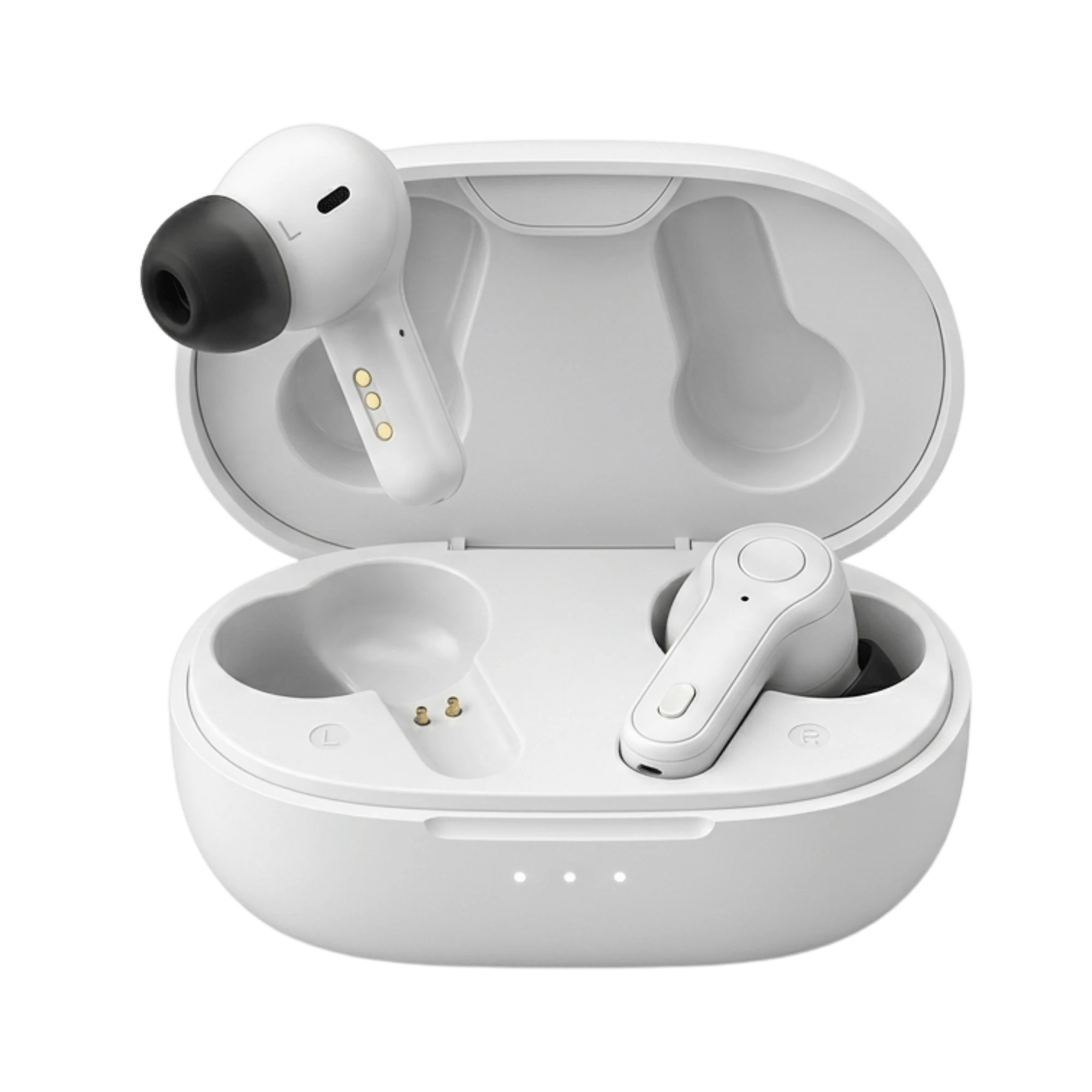
Panda Quantum ($349, was $499 - save $150): The clinical choice. 16-channel WDRC with frequency-matching technology (the same hearing-correction principle used in $3,000+ prescription devices). Adaptive tinnitus masking. RIC form factor. 20 hours per charge; the case recharges the device 3 more times for 80 hours total. Full Bluetooth. Five-year warranty. 45-day trial. If you have moderate hearing loss or want serious, clinical-grade sound clarity, Quantum is engineered for that.

All three Panda models include a clinically tuned 10-minute self-fitting online hearing test (Quantum, Air, and Stealth), FDA-OTC certification, and lifetime customer support. The self-fitting test measures your specific hearing loss and adjusts the device to correct the gaps audiologists would address in a clinic. You complete it at home, on your schedule. No audiologist appointment needed. No membership fees.
Bottom Line: The Path to Savings
Big-box hearing aids win if you value the comfort of an in-person fitting and don't mind waiting weeks for an appointment. Direct-to-consumer hearing aids win on price, warranty, speed, and flexibility. A pair of Panda hearing aids costs $279 to $349 versus $1,500 to $2,000 at Costco—that is a $1,200 to $1,700 savings per pair on the first purchase, with no recurring membership fee. Over five years and two replacements, the savings compound to $4,000 to $7,000. Both paths work for mild-to-moderate hearing loss. The difference is economics and convenience.
FAQ: Big-Box vs Direct
Is it actually safe to buy hearing aids online without seeing an audiologist?
Yes. The FDA-OTC ruling in 2022 made it legal and safe for adults with mild-to-moderate hearing loss to self-fit using digital hearing tests. Direct-to-consumer brands use the same clinical science to measure hearing gaps and adjust devices that audiologists use in clinics. Panda, Lexie, and MD Hearing all employ clinical audiologists who validate the self-fitting algorithms. The difference is you take the test at home via app, not in a sound booth. Both are valid and regulated by the FDA.
Why is direct-to-consumer so much cheaper than big-box?
Big-box retailers operate physical hearing centers with trained staff, real estate, and inventory. Those costs are built into the price. Costco's in-store hearing center requires rent, a hearing specialist salary, and equipment. Direct manufacturers skip that layer and sell directly to you, passing the savings on. Panda ships from a warehouse; Costco maintains dozens of regional hearing centers. The cost structure is fundamentally different.
Can I try a direct-to-consumer hearing aid before fully committing?
Yes. Panda, Lexie, and MD Hearing all offer 45-day risk-free trials. You wear the device for up to 45 days, and if it does not feel right, you return it for a full refund. Many users report finding the right fit within 2 to 3 weeks as they adjust to hearing new sounds. Costco offers 180 days, which is excessive—most people know within a month whether a hearing aid is working for them.
Are direct-to-consumer hearing aids as good as what Costco sells?
They are equivalent or better in clinical performance. Panda Quantum uses the same 16-channel frequency-matching principle that $3,000+ prescription devices use. Costco's Jabra and Rexton are good devices—Jabra especially is a quality brand—but they cost 2-3x more and offer shorter warranties. For mild-to-moderate hearing loss, you are paying for the big-box fitting experience, not superior technology. The devices themselves are comparable.
The Final Call: Which Path For You?
If you are new to hearing aids and want the reassurance of a professional fitting you can walk out with the same day, Costco delivers that without question. The experience is streamlined, the staff knows the product, and the warranty is strong.
If you want to hear better without the $1,500-$2,000 price tag, without membership fees, with a longer warranty, and you are comfortable completing a digital hearing test on your phone, direct-to-consumer hearing aids like Panda offer clinical-grade technology at 70% less cost.
The choice is not about which path is objectively better—it is about which fits your life. Big-box for comfort and in-person guidance. Direct-to-consumer for speed, savings, and flexibility. Both work. The savings, however, speak for themselves.
Explore Panda Stealth, Panda Air, and Panda Quantum to see what direct-to-consumer hearing aids at clinical-grade quality feel like. With a 45-day trial, you have everything to gain and nothing to lose.