معيار جديد للكشف عن تلف السمع الخفي الذي تفوّته الفحوصات المعتادة
نشر باحثون في وزارة شؤون المحاربين القدامى الأمريكية (U.S. Department of Veterans Affairs) نطاقات مرجعية لمقياس استجابة جذع الدماغ، قد تمنح الأطباء أخيرًا وسيلة لاكتشاف تلف خفي في الأذن الداخلية لدى أشخاص تبدو فحوصات سمعهم المعتادة طبيعية تمامًا.
من أكثر التجارب إحباطًا في رعاية السمع أن يُقال لك إن سمعك سليم بينما لا تشعر بذلك. فكثير من البالغين يشكون صعوبة حقيقية في متابعة الحديث في الأماكن الصاخبة، أو رنينًا في الأذنين، أو انزعاجًا من الأصوات اليومية، ومع ذلك يغادرون العيادة بمخطط سمع (أوديوغرام) طبيعي، وهو المخطط المعياري لعتبات السمع عبر مختلف درجات الصوت.
وعلى مدى العقد الماضي، توصل الباحثون إلى تفسير محتمل: فالتلف الذي يصيب الوصلات بين الخلايا الحسية في الأذن والعصب السمعي، ويسمى فقدان التعصيب القوقعي (cochlear deafferentation)، قد يُضعف جودة السمع دون أن يغيّر العتبات التي يقيسها الأوديوغرام. أما المعضلة فكانت غياب طريقة مقبولة لفحص ذلك لدى مريض بعينه. وتخطو دراسة جديدة خطوة ملموسة نحو تغيير ذلك.
العنوان: Normative Ranges for Auditory Brainstem Response Wave I Amplitude: A Potential Diagnostic Indicator of Cochlear Deafferentation
المؤلفون: Sean D. Kampel, Garnett P. McMillan, Anne E. Heassler, Nicole K. Whittle, Haley A. Szabo, Naomi F. Bramhall
الجهات التابعون لها: المركز الوطني لأبحاث التأهيل السمعي التابع لـ VA، نظام VA Portland للرعاية الصحية، أوريغون؛ جامعة أوريغون للصحة والعلوم (Oregon Health & Science University)، بورتلاند
المجلة: American Journal of Audiology، نُشرت إلكترونيًا في 24 أغسطس 2026
نوع الدراسة: دراسة معيارية مقطعية مع عينة مقارنة عالية الخطورة
المصدر: PubMed، DOI: 10.1044/2026_AJA-25-00296
الخلفية: لماذا تناول الباحثون هذا الموضوع
تحوّل الأذن الداخلية الصوت إلى إشارات كهربائية عبر الخلايا الشعرية، التي ترتبط بالعصب السمعي من خلال مشابك دقيقة. وقد أظهرت دراسات على الحيوانات أن التعرض للضوضاء والتقدم في العمر يمكن أن يدمرا كثيرًا من هذه المشابك، وهي حالة تسمى اعتلال المشابك القوقعي (cochlear synaptopathy)، مع بقاء الخلايا الشعرية سليمة بما يكفي لتبقى عتبات السمع طبيعية. وغالبًا ما يوصف الناتج بفقدان السمع الخفي: يبدو الأوديوغرام سليمًا، لكن الأذن ترسل إلى الدماغ إشارة متدهورة.
ويسجل مقياس يسمى استجابة جذع الدماغ السمعية (ABR) النشاط العصبي الذي تثيره أصوات قصيرة باستخدام أقطاب كهربائية على فروة الرأس. وتعكس الذروة الأولى في هذه الاستجابة، الموجة I، قوة المخرجات الأولية للعصب السمعي، وتصغر حين تُفقد المشابك لدى الحيوانات. لكن بما أن سعة الموجة I تتفاوت كثيرًا بين الأصحاء، لم تتوفر للأطباء نطاقات مرجعية للحكم على ما إذا كانت استجابة شخص معين صغيرة بصورة غير طبيعية. وقد سعت هذه الدراسة إلى بناء تلك النطاقات المرجعية.
كيف أُجريت الدراسة
استقطب الباحثون أولًا مجموعة منخفضة الخطورة: 169 بالغًا شابًا من المدنيين بأوديوغرام طبيعي، وتاريخ ضئيل من التعرض للضوضاء بحسب ما أفادوا به، ودون أي شكاوى سمعية مثل الطنين أو انخفاض تحمّل الأصوات أو صعوبة فهم الكلام وسط الضوضاء. ومن هذه المجموعة وضعوا نطاقات معيارية لسعة الموجة I في ABR باستخدام نبضات نغمية عند 2 و4 و8 كيلوهرتز، مع تعديل إحصائي بحسب الجنس وبحسب متوسط مستويات الانبعاثات الصوتية الأذنية بمنتج التشويه (DPOAEs)، وهي مقياس لوظيفة الخلايا الشعرية الخارجية في الأذن.
ثم قارنوا مجموعة عالية الخطورة بتلك النطاقات: 91 من المحاربين القدامى العسكريين (Veterans) ممن لديهم أيضًا أوديوغرام طبيعي لكنهم أبلغوا عن شكوى سمعية واحدة على الأقل. وتنطوي الخدمة العسكرية عادةً على تعرض شديد للضوضاء، مما يجعل هذه المجموعة أرجح لأن تحمل قدرًا أكبر من فقدان التعصيب القوقعي رغم نتائج اختباراتها الطبيعية.
ما الذي توصل إليه الباحثون
كانت النطاقات المعيارية فعالة في التمييز بين المجموعة منخفضة الخطورة والمحاربين القدامى عالي الخطورة. والجدير بالذكر أن النسخة الأبسط أدّت جيدًا: فالنطاقات المعدّلة بحسب الجنس فقط، دون تصحيح DPOAE، ظلت تفصل بين المجموعتين. ويذكر المؤلفون أن التعديل بحسب وظيفة الخلايا الشعرية الخارجية قد يكون غير ضروري، وربما كان إشكاليًا عمليًا.
وجاء أوضح فصل عند أعلى درجة صوت خضعت للاختبار. فباستخدام نبضة نغمية بمستوى ضغط صوتي مكافئ للذروة قدره 105 ديسيبل عند 8 كيلوهرتز، وقع 51 في المئة من المحاربين القدامى عاليي الخطورة دون النطاقات المعيارية الخاصة بكل جنس. وبعبارة أخرى، أظهر نحو نصف مجموعة ذات أوديوغرام طبيعي لكنها تعاني شكاوى سمعية في الحياة الواقعية استجابات ضعيفة للعصب السمعي يمكن قياسها.
ويخلص المؤلفون إلى أنه لدى المرضى ذوي الأوديوغرام الطبيعي، يمكن للأطباء استخدام النطاقات المعيارية لسعة الموجة I في ABR، الخاصة بكل جنس، لتحديد الأفراد الذين لديهم درجات عالية من فقدان التعصيب القوقعي.
ماذا يعني ذلك للأشخاص المصابين بفقدان السمع
بالنسبة للأشخاص الذين يجدون صعوبة في السمع وسط الضوضاء رغم اجتيازهم اختبارات السمع، يقدم هذا البحث تأكيدًا: فقد تقابل صعوبتهم تغيرات حقيقية يمكن قياسها على مستوى العصب، لا يلتقطها قياس السمع المعتاد ببساطة. وهذا مهم سريريًا وشخصيًا، لأن المرضى في هذا الوضع يُقال لهم أحيانًا إنه لا يوجد أي خطب.
وإذا انتقلت معايير الموجة I في ABR إلى الاستخدام السريري الروتيني، فقد يبدأ أخصائيو السمع في تحديد تلف السمع الخفي لدى الأفراد، وإرشادهم إلى حماية ما تبقى من سمعهم، ومتابعة ما إذا كان التلف يتقدم. كما تعزز النتيجة الحجة الأوسع بأن صعوبة فهم الكلام في البيئات الصاخبة مشكلة سمعية مشروعة بحد ذاتها، وليست مجرد شكوى تُهمل حين يكون الأوديوغرام سليمًا.
حين يكون الكلام في الضوضاء هو المشكلة الحقيقية
تؤكد هذه الدراسة أن صعوبة متابعة الحديث في الضوضاء من أكثر الشكاوى السمعية شيوعًا وأسهلها قياسًا، وهي كذلك الموقف الذي يبلغ فيه المصابون بفقدان سمع خفيف إلى متوسط عن أكبر صعوبة في حياتهم اليومية. وقد صُممت المعينات السمعية الحديثة المتاحة دون وصفة طبية والمعتمدة من إدارة الغذاء والدواء الأمريكية (FDA) حول هذه المشكلة بالذات، بمعالجة تستهدف كلامًا أوضح في البيئات الصاخبة بدلًا من التضخيم البسيط للصوت.
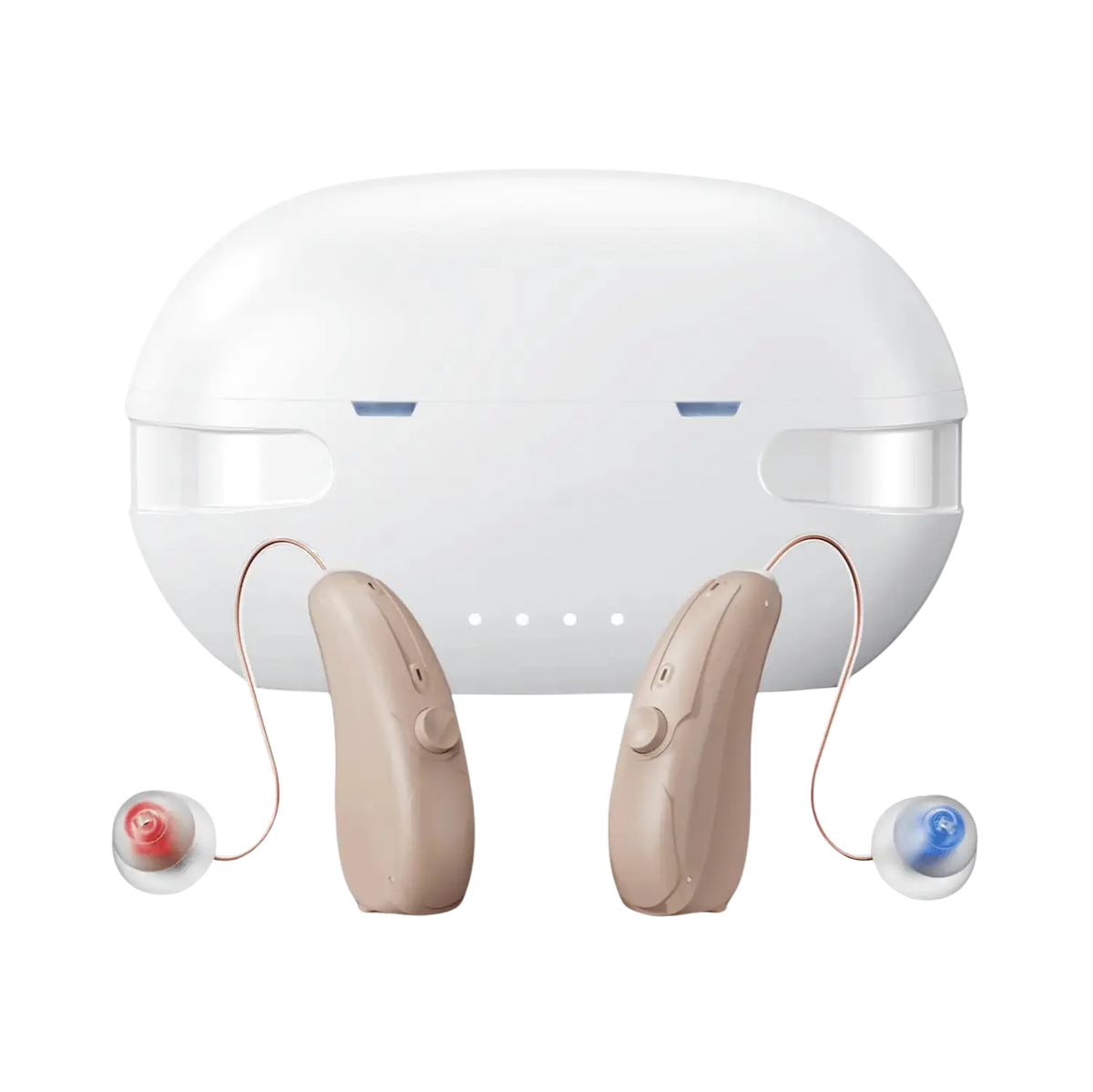
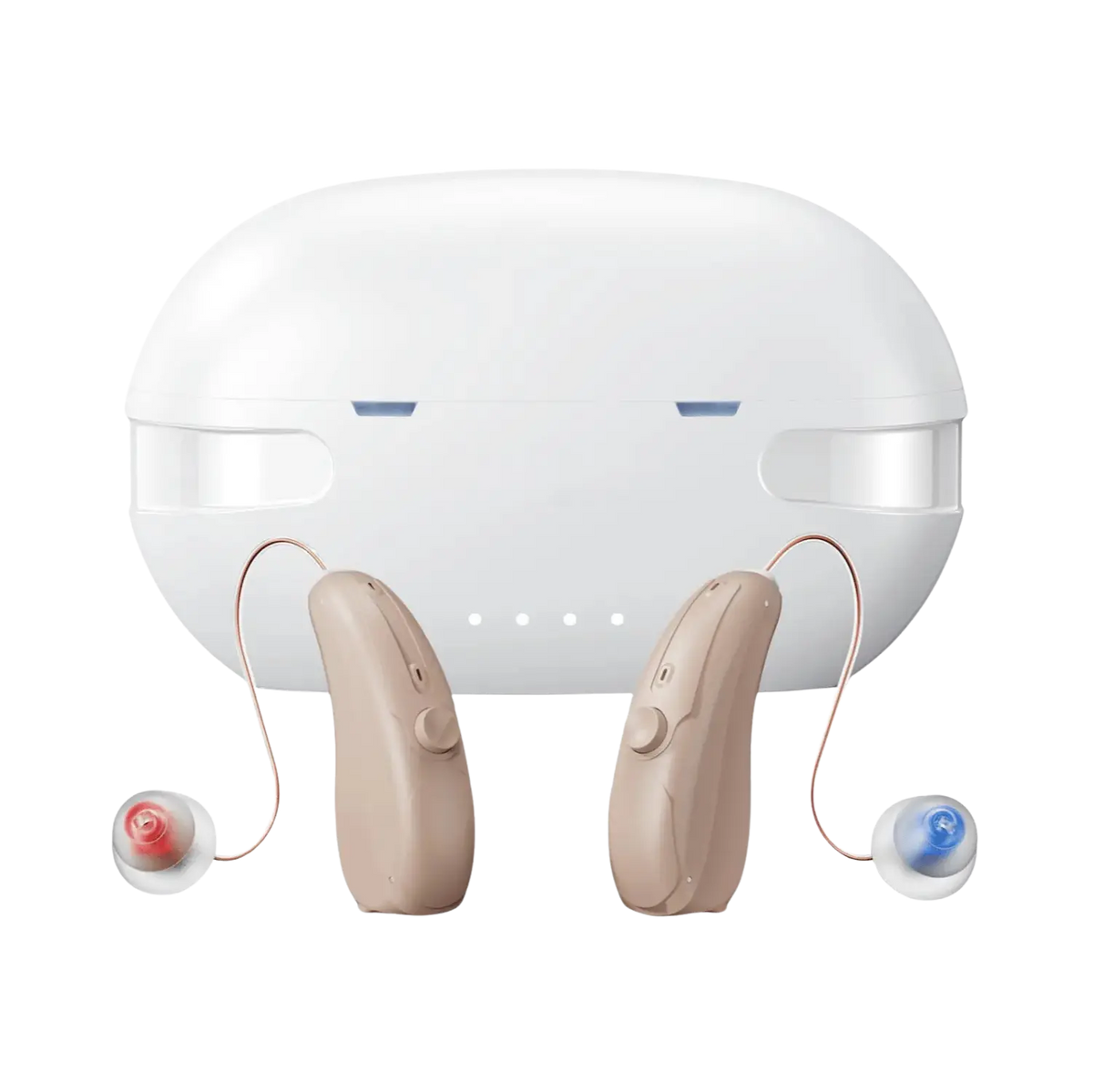
وتُعدّ Panda Quantum أحد هذه الأجهزة: معينة سمعية ذات مستقبِل داخل القناة السمعية، معتمدة من FDA ومتاحة دون وصفة طبية، تستخدم معالجة WDRC من 16 قناة وتقليلًا تكيفيًا للضوضاء، وهو النهج الكامن وراء ما يُسمى غالبًا معينات الكلام في الضوضاء. تعمل 20 ساعة لكل شحنة، مع علبة توفر ثلاث شحنات كاملة إضافية لتبلغ 80 ساعة إجمالًا، وتبث المكالمات والتلفاز والموسيقى عبر Bluetooth، وتأتي بضمان لمدة 5 سنوات وفترة تجربة مدتها 45 يومًا تبدأ من وصول المنتج. ويمكن لتطبيق اختياري إجراء فحص سمع داخل الأذن وتخصيص الصوت بما يناسب الملف السمعي للمستخدم، مع أن Quantum تعمل بالكامل دون التطبيق أو الفحص. تتوفر التفاصيل على pandahearing.com/products/panda-hearing-aids-quantum.
ثمة تنبيه يتبع مباشرة من هذا البحث: المعينات السمعية المتاحة دون وصفة طبية معتمدة للبالغين الذين يدركون أن لديهم فقدان سمع خفيفًا إلى متوسط. ومن كان أوديوغرامه طبيعيًا تمامًا لكنه يعاني وسط الضوضاء، مثل كثير من المحاربين القدامى في هذه الدراسة، فعليه أن يبدأ بتقييم مهني، كما أن فقدان السمع الشديد أو العميق يظل يستفيد أكثر من التركيب السريري.

حدود هذا البحث
بُنيت النطاقات المعيارية من بالغين شباب، بينما ضمت مجموعة المقارنة عالية الخطورة محاربين قدامى يختلفون في أكثر من التعرض للضوضاء، ولذلك قد تسهم عوامل أخرى غير فقدان التعصيب في الفروق بين المجموعتين. والدراسة مقطعية، ولا يمكن التحقق مباشرة من سعة الموجة I في ABR مقابل أعداد المشابك لدى البشر الأحياء، وظل نحو نصف المجموعة عالية الخطورة ضمن النطاقات الطبيعية، أي أن النتيجة الطبيعية لا تستبعد وجود تلف خفي.
إلى أين تقودنا هذه النتائج
ينتقل فقدان السمع الخفي من مفهوم بحثي نحو شيء قد يتمكن الأطباء قريبًا من قياسه لدى المرضى الأفراد. فإن كنت تسمع جيدًا على الورق ولكن بصعوبة في المطاعم، فإن هذا الخط البحثي يقول إنك لا تتوهم ذلك، ويقدم حجة قوية لحماية أذنيك من الأصوات العالية الآن، قبل أن يتراكم أكثر تلف لا يستطيع أي اختبار معتاد رؤيته.
Kampel SD, McMillan GP, Heassler AE, Whittle NK, Szabo HA, Bramhall NF. Normative Ranges for Auditory Brainstem Response Wave I Amplitude: A Potential Diagnostic Indicator of Cochlear Deafferentation. American Journal of Audiology. 2026. Retrieved from PubMed. https://doi.org/10.1044/2026_AJA-25-00296