تشير مراجعة جديدة إلى أنه يمكن الوقاية من الكثير من حالات فقدان السمع في العالم، إذا تم اتخاذ الخطوات الصحيحة في المراحل الصحيحة من الحياة.
غالبًا ما يتم التعامل مع فقدان السمع باعتباره جزءًا لا مفر منه من التقدم في السن. وترفض مراجعة جديدة هذا الافتراض، موضحة أن نسبة كبيرة من تلف السمع يمكن تجنبها من خلال إجراء متعمد طوال حياة الشخص.
تم نشر هذه الورقة في مجلة طب الأنف والأذن والحنجرة HNO، وهي تجمع بين استراتيجيات الوقاية التي تمتد من ما قبل الولادة إلى سن متقدمة، وتترجمها إلى إرشادات عملية. والخيط الذي يمر عبر كل ذلك هو أن التوقيت مهم: فالمشكلة نفسها تتطلب دفاعات مختلفة اعتمادا على وقت ظهورها في الحياة.
العنوان: الوقاية في طب الأذن، مفتاح صحة السمع مدى الحياة
المؤلفون: بول إميريش كرومبوك، لوكاس ديفيد لاندجر
الانتماءات: مختبر كريستيان دوبلر لأبحاث الأذن الداخلية وقسم طب الأنف والأذن والحنجرة وجراحة الرأس والرقبة، جامعة فيينا الطبية، فيينا، النمسا؛ قسم طب الأنف والأذن والحنجرة وجراحة الرأس والرقبة، كلية الطب بجامعة ستانفورد، بالو ألتو، كاليفورنيا، USA
المجلة والتاريخ: HNO، تم نشره في 19 يونيو 2026
نوع الدراسة: مراجعة سردية
المرجع: بوبمد، DOI 10.1007/s00106-026-01780-ي
الخلفية: لماذا نظر الباحثون إلى هذا
يعد فقدان السمع أحد أكثر الحالات الصحية انتشارًا في العالم، وتمتد آثاره إلى ما هو أبعد من الأذنين. تشير المراجعة إلى أنه يمكن أن يعطل تطور الكلام لدى الأطفال، ويضعف التكامل الاجتماعي، ويرتبط بشكل متزايد بالصحة المعرفية في وقت لاحق من الحياة.
ينظم المؤلفون تفكيرهم حول فكرة الوقاية على مستويات مختلفة. تهدف الوقاية الأولية إلى وقف تطور فقدان السمع باستمرار. تركز الوقاية الثانوية على اكتشاف المرض مبكرًا من خلال الفحص. خطوات الوقاية الثالثية بمجرد وجود فقدان السمع، والعمل على الحد من آثاره غير المباشرة من خلال إعادة التأهيل. تتكرر أيضًا بعض المصطلحات المتخصصة، مثل السامة للأذن، أي المواد أو الأدوية التي يمكن أن تلحق الضرر بالأذن الداخلية، والمصطلح الخلقي، أي الموجود منذ الولادة.
كان هدفهم هو تجميع أقوى الأدلة المتاحة في خارطة طريق عملية لمسار الحياة يمكن للأطباء، وبالتالي المرضى، التصرف بناءً عليها.
كيف تمت الدراسة
هذه مراجعة سردية، مما يعني أن المؤلفين اختاروا الأدبيات الموجودة ولخصوها بدلاً من إجراء تجربة جديدة. واعتمدوا على مجموعة من أنواع المصادر، بما في ذلك المبادئ التوجيهية السريرية الوطنية، والمراجعات المنهجية، والدراسات الوبائية، والتجارب السريرية المحورية.
ومن تلك المادة قاموا بتجميع مجموعة من التدابير الوقائية المبنية على الأدلة، ثم رتبوها على طول عمر الإنسان بحيث تصل كل توصية إلى المرحلة التي تحقق فيها أكبر قدر من الخير. تبدو النتيجة أقل شبهاً بدراسة واحدة وأكثر أشبه بقائمة مرجعية منظمة لحماية السمع على مدى عقود.
ما وجده الباحثون
ويقول الباحثون إن الوقاية يمكن أن تبدأ قبل ولادة الطفل. ويشيرون إلى تطعيمات الأمهات والاستشارات المتعلقة بالنظافة، إلى جانب فحص المتلازمات الوراثية وعدوى الفيروس المضخم للخلايا الخلقي، وهو سبب معروف لفقدان السمع عند الأطفال حديثي الولادة.
بعد الولادة، تصف المراجعة فحص السمع الشامل لحديثي الولادة باعتباره حجر الزاوية في التشخيص المبكر. ويقولون إن اكتشاف فقدان السمع في مرحلة الطفولة يفتح الباب أمام نتائج أفضل بكثير، سواء من خلال زراعة القوقعة الصناعية أو من خلال العلاجات الجينية الناشئة التي يجري تطويرها الآن.
خلال مرحلة الطفولة والبلوغ، يتحول التركيز إلى حماية السمع الذي يعتبر صحيًا بالفعل. يتم تقديم التحصينات الموصى بها، والحماية من الضوضاء العالية، والاستخدام الحذر للأدوية السامة للأذن، وإدارة عوامل الخطر المرتبطة بنمط الحياة، جميعها كطرق فعالة لمنع فقدان السمع المكتسب.
في كبار السن، تتحول المراجعة إلى الوقاية الثالثية. يصف المؤلفون هنا إعادة التأهيل السمعي باستخدام المعينات السمعية أو الغرسات بأنه أمر بالغ الأهمية، ليس فقط لاستعادة التواصل ولكن للحد من العواقب الثانوية مثل العزلة الاجتماعية والتدهور المعرفي.
والرسالة مجتمعة هي أنه لا يوجد تدخل واحد يحل مشكلة فقدان السمع. وبدلا من ذلك، فإن اتباع نهج استباقي متعدد الأوجه يتم تطبيقه بشكل مطرد على مدى الحياة هو ما يقلل من العبء الإجمالي.
ماذا يعني للأشخاص الذين يعانون من فقدان السمع
بالنسبة للقراء، الفكرة الأكثر فائدة هنا هي أن السمع هو شيء يجب إدارته بشكل فعال، وليس مجرد الرد عليه بمجرد أن يتلاشى. العديد من الخطوات الموصى بها، مثل حماية الأذنين من الضوضاء العالية والحذر من الأدوية التي يمكن أن تؤثر على السمع، هي خطوات بسيطة وفي متناول اليد.
تؤكد المراجعة أيضًا على قيمة الفحص في كل عمر. إن معرفة موقف سمعك، بدلاً من التخمين، هو ما يجعل التصرف المبكر ممكناً. بالنسبة للبالغين، هذا يعني أن الفحوصات الدورية يمكن أن تكتشف انخفاضًا تدريجيًا قبل أن يبدأ في التدخل في المحادثة والحياة اليومية.
وعندما يبدأ فقدان السمع، يضع المؤلفون إعادة التأهيل كاستثمار في أكثر من مجرد السمع، لأن البقاء على اتصال وتفاعل يحمل فوائد أوسع للرفاهية.
اكتشاف أن الفحص وإعادة التأهيل أمران أساسيان لصحة السمع
موضوعان في هذه المراجعة، أهمية الفحص وقيمة إعادة التأهيل في الوقت المناسب، يتوافقان بدقة مع كيفية عمل بعض الأجهزة الحديثة التي لا تستلزم وصفة طبية. بينما كان فحص السمع يعني في السابق تحديد موعد في العيادة، فإن بعض الأجهزة تضيف فحص السمع إلى المنتج نفسه.

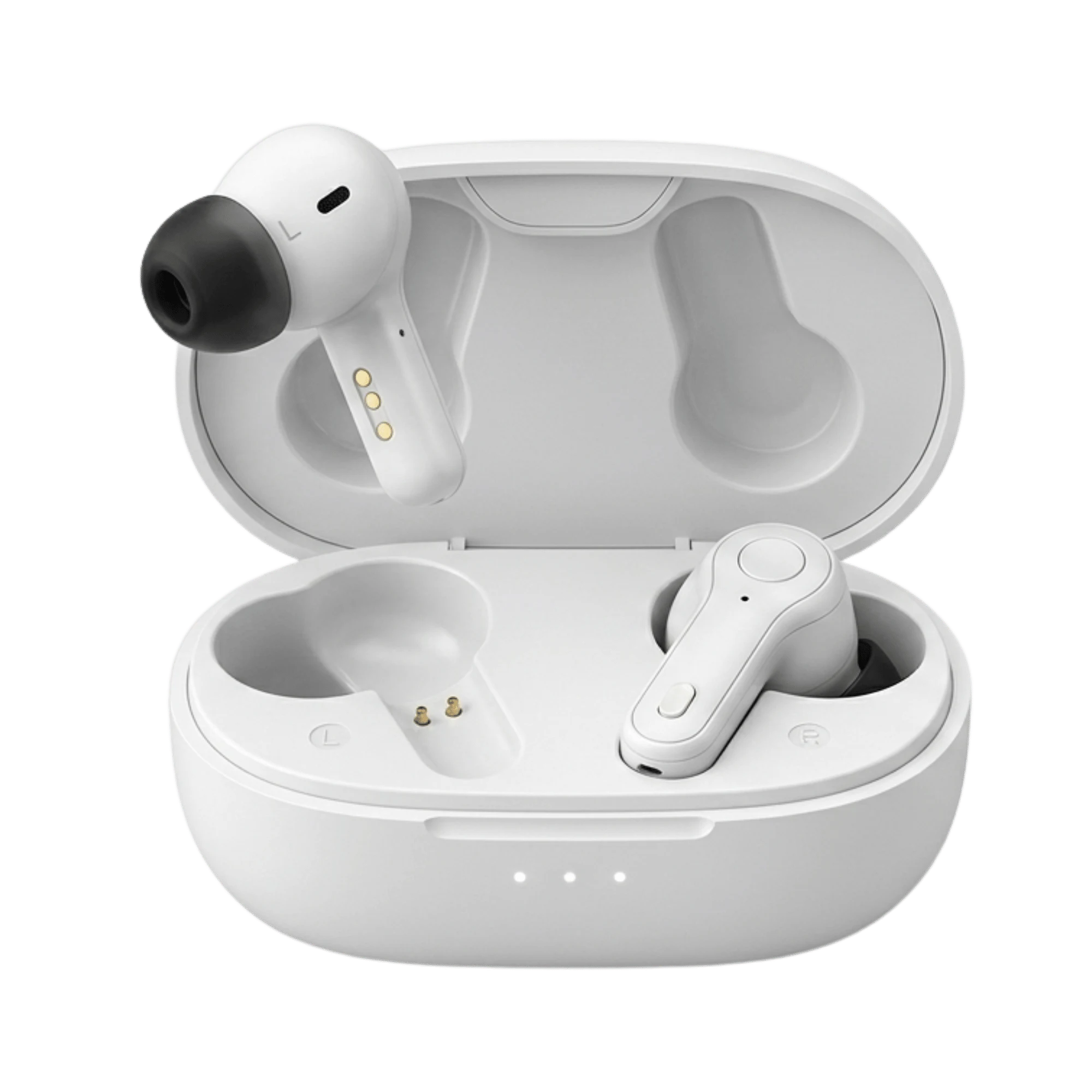
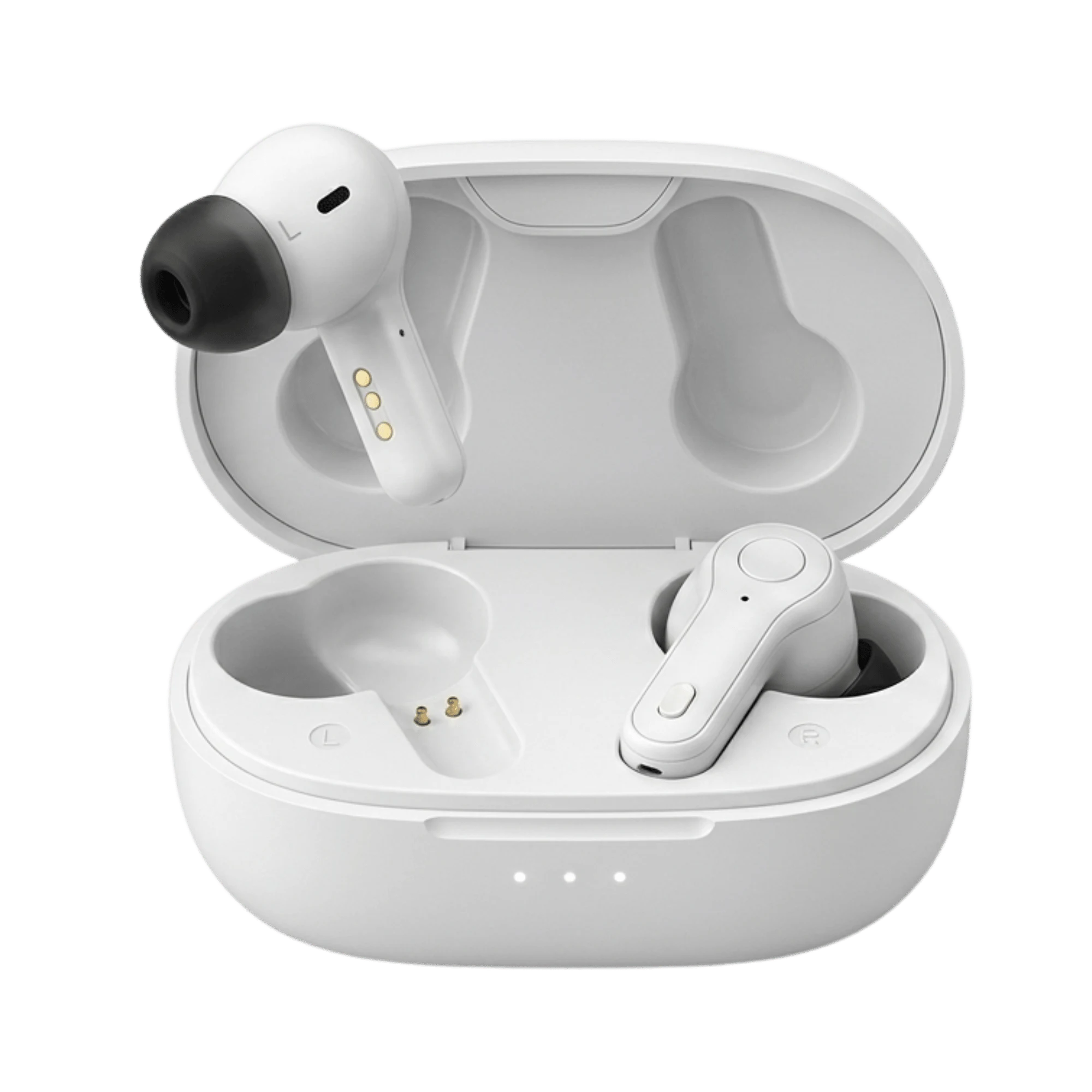
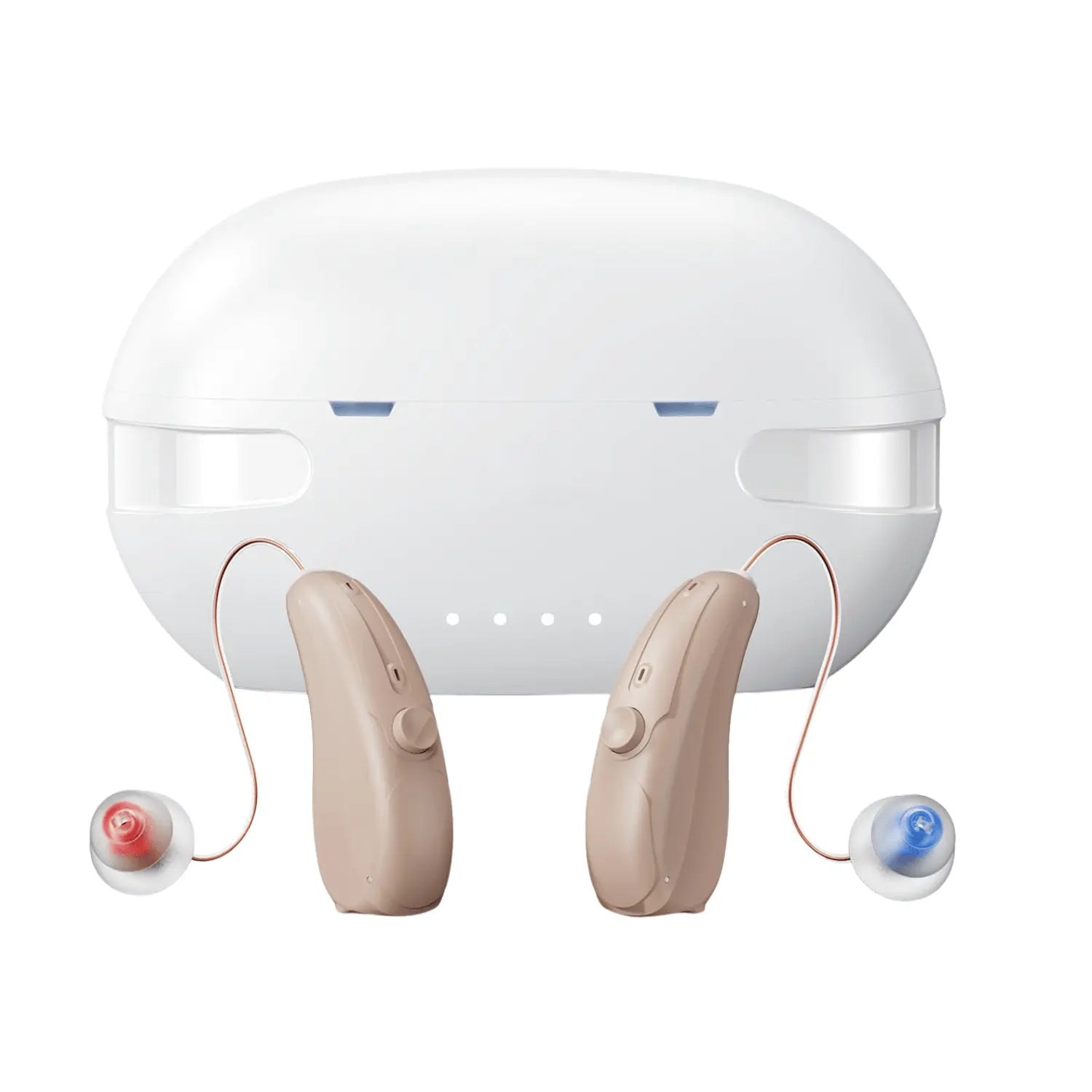
Panda Quantum هو جهاز واحد يعكس كلا الفكرتين. يتضمن وظيفة المعينات السمعية لاختبار السمع الذاتي من خلال تطبيق Panda: بعد وصول الجهاز، يقوم مرتديه بإقرانه، وإجراء اختبار السمع من خلال الجهاز نفسه، ثم يتم تطبيق التركيب تلقائيًا بناءً على النتيجة، على غرار تركيبات أخصائي السمع السريري. تعكس خطوة الفحص المضمنة التركيز على الاكتشاف المبكر الذي تصفه المراجعة.
من ناحية إعادة التأهيل، يعتبر Quantum جهاز استقبال مكون من 16 قناة مع تقليل الضوضاء التكيفي وتعديل السمع الخاص بالتردد الذي يضبط التضخيم وفقًا لمخطط السمع الخاص بالشخص، بالإضافة إلى تقنية Bluetooth للمكالمات، TV، والموسيقى، ما يصل إلى 80 ساعة تقريبًا من البطارية مع العلبة، وضمان لمدة 5 سنوات، ونافذة إرجاع لمدة 45 يومًا. ومن الجدير بالذكر أن الأجهزة التي لا تستلزم وصفة طبية مخصصة لفقدان السمع الخفيف إلى المتوسط، في حين أن فقدان السمع الشديد أو العميق، والمرضى الأصغر سنًا الذين تناقشهم المراجعة، ما زالوا بحاجة إلى رعاية سريرية. يمكنك رؤية الجهاز على pandaearing.com/products/panda-hearing-aids-quantum.
حدود هذا البحث
كمراجعة سردية، تلخص هذه الورقة الأدلة الموجودة وتفسرها بدلاً من توليد بيانات جديدة، وتعتمد استنتاجاتها على الدراسات التي اختار المؤلفون تضمينها. من الأفضل قراءته كتوليفة من الخبراء وتوجيهات عملية، وليس كتجربة نهائية واحدة.
وتغطي التوصيات أيضًا بيئات وفئات عمرية مختلفة جدًا، وما هو ممكن في نظام صحي واحد قد لا يكون ممكنًا في نظام آخر. لم يتم تسجيل أي معلومات محددة عن التمويل أو تضارب المصالح في سجل PubMed الذي تمت مراجعته هنا، لذلك يجب على القراء الذين يريدون هذه التفاصيل الرجوع إلى المنشور الأصلي.
ماذا تفعل بهذا
والخلاصة مشجعة: فقدان السمع ليس مجرد مسألة حظ أو عمر، وهناك خطوات ملموسة في كل مرحلة من مراحل الحياة يمكن أن تقلل من المخاطر أو تخفف من التأثير. إن حماية أذنيك من الضوضاء، والاهتمام بالأدوية، وفحص السمع بشكل دوري هي عادات معقولة، والسعي إلى إعادة التأهيل على الفور عندما يتلاشى السمع يمكن أن يساعد في الحفاظ على الاتصالات التي تحافظ على الحياة اليومية كاملة.
كرومبويك PE، لانديجر LD. الوقاية في طب الأذن، مفتاح صحة السمع مدى الحياة. HNO. 2026. تم الاسترجاع من PubMed. DOI 10.1007/s00106-026-01780-ي.