لماذا لا يحيل أطباء الأسرة البالغين دائمًا إلى فحص السمع: دراسة جديدة
تشير دراسة جديدة قائمة على المقابلات إلى أن حصول البالغ على تقييم للسمع من عدمه قد يتوقف بدرجة كبيرة على كيفية موازنة طبيب الأسرة بين الأعراض والاعتبارات العملية، بل وحتى على تجربة الطبيب الشخصية مع فقدان السمع.
بالنسبة لمعظم البالغين، تبدأ رحلة الرعاية السمعية في عيادة طبيب الأسرة. يذكر المريض أنه يجد صعوبة في متابعة الحديث، أو يشتكي شريك حياته من ارتفاع الصوت، فيقرر الطبيب ما إذا كان من المجدي السعي إلى تقييم رسمي للسمع. وهذا القرار الواحد هو ما يحدد كل ما يأتي بعده.
ومع ذلك، فإن الأبحاث التي تناولت كيفية اتخاذ أطباء الأسرة لهذا القرار فعليًا قليلة على نحو مفاجئ. وقد انطلقت دراسة نوعية جديدة من المختبرات الصوتية الوطنية في أستراليا (National Acoustic Laboratories) لرسم خريطة للعوامل التي تدفع الأطباء نحو إحالة المرضى البالغين لتقييم السمع أو تبعدهم عنها.
العنوان: Why Family Physicians Refer (or Don't) for Adult Hearing Assessment: A Qualitative Interview Study
المؤلفون: Jessica Tsiolkas, Jermy Pang, Padraig Kitterick
الجهات التابع لها المؤلفون: National Acoustic Laboratories، سيدني، نيو ساوث ويلز، أستراليا
المجلة: American Journal of Audiology، نُشرت في 28 أغسطس 2026
نوع الدراسة: دراسة نوعية قائمة على المقابلات
معرّف DOI في PubMed: 10.1044/2026_AJA-25-00318
الخلفية: لماذا تناول الباحثون هذا الموضوع
يُعد فقدان السمع من أكثر الحالات المزمنة شيوعًا لدى كبار السن، لكن كثيرًا ممن يمكنهم الاستفادة من الرعاية السمعية لا يحصلون عليها أبدًا. وفي معظم النظم الصحية، يعمل أطباء الأسرة (ويُسمَّون أيضًا الممارسين العامين أو أطباء الرعاية الأولية) بوصفهم البوابة: فهم عادةً أول طبيب يذكر له الشخص صعوبة سمعه، وغالبًا ما تحدد إحالتهم ما إذا كان هذا الشخص سيزور يومًا أخصائي سمع، وهو اختصاصي مدرَّب على تقييم السمع وإدارة مشكلاته.
أراد فريق البحث أن يفهم ما الذي يؤثر فعليًا في قرارات الإحالة هذه. فإذا كان بعض المرضى الذين يعانون فعلًا من صعوبة في السمع لا تتم إحالتهم، فإن معرفة السبب هي الخطوة الأولى نحو سد هذه الفجوة.
استخدمت الدراسة تصميمًا نوعيًا، أي أنها جمعت بيانات معمّقة من المقابلات بدلًا من إحصاءات من عينات كبيرة. وهذا النهج مناسب تمامًا للكشف عن المنطق الكامن وراء القرارات السريرية.
كيف أُجريت الدراسة
جنّد الباحثون تسعة من أطباء الأسرة تراوحت خبرتهم السريرية بين 4 و32 عامًا، بمتوسط نحو 25 عامًا في الممارسة. وشارك كل منهم في مقابلة شبه منظمة مدتها 30 دقيقة، وهي صيغة يتبع فيها المحاور مجموعة مخططة من المحاور لكنه يستطيع التعمق في الإجابات.
وأُعدّ جدول المقابلة باستخدام أسلوب جدول المحاور، وحُلّلت النصوص المفرّغة باستخدام التحليل الموضوعي الانعكاسي، وهو منهج لتحديد الموضوعات المتكررة في أقوال المشاركين بصورة منهجية مع الإقرار بدور الباحثين أنفسهم في تفسير البيانات.
ما الذي وجده الباحثون
عند اتخاذ قرار إحالة مريض بالغ، وصف الأطباء موازنتهم بين طيف واسع من العوامل: الحالة الصحية العامة للمريض، والفوائد والمخاطر المحتملة لتقييم السمع، والأعراض المبلَّغ عنها، والتاريخ الطبي، ونتائج الفحوص السريرية، والسلوكيات التي لاحظوها أثناء الاستشارة وتوحي بفقدان السمع، مثل أن يطلب المريض مرارًا إعادة ما قيل.
وكان للتأثيرات الخارجية دور أيضًا. فقد شكّلت البروتوكولات الحكومية والسريرية عادات الإحالة، وكذلك البرامج التعليمية ذات الصلة. ومن اللافت أن تجارب الأطباء الشخصية مع فقدان السمع، لدى أنفسهم أو لدى المقربين منهم، أثّرت كذلك في مدى سهولة إحالتهم للمرضى.
كما وصف الأطباء أسبابًا قد تجعلهم يحجمون عن الإحالة. وشملت هذه الأسباب موانع طبية، وشكوكًا في دافعية المريض للتصرف بناءً على النتائج، ومحدودية توافر الخدمات المتخصصة، وتحديات عملية للمرضى المقيمين في المناطق الإقليمية والنائية، حيث قد يتطلب الوصول إلى عيادة سمعيات السفر لمسافات كبيرة.
وأخيرًا، أعرب الأطباء عن رغبة واضحة في التغيير: فقد أرادوا مشاركة أكبر لأخصائيي السمع في الرعاية الأولية، وأرادوا تثقيفًا حول عملية تقييم السمع، وكيفية تفسير نتائج فحوص السمع، وما خيارات التأهيل المتاحة للمرضى.
ماذا يعني ذلك للأشخاص الذين يعانون من فقدان السمع
تشير النتائج إلى أن إحالة البالغ لتقييم السمع ليست قرارًا بسيطًا أو موحّدًا. فهي تعتمد على سلسلة من الأحكام التقديرية، وعلى توافر الخدمات محليًا، وعلى مدى تعرض الطبيب نفسه لفقدان السمع. وقد ينتهي مريضان يعانيان من أعراض متطابقة إلى نتيجتين مختلفتين تمامًا بحسب الطبيب الذي يزورانه والمكان الذي يعيشان فيه.
وبالنسبة للبالغين الذين يشكّون في تغير سمعهم، فإن الدرس العملي هو أن الإحالة قد لا تحدث تلقائيًا. فطرح المخاوف مباشرةً، والسؤال تحديدًا عن تقييم السمع، والمتابعة، قد يصنع فرقًا. كما تسلّط الدراسة الضوء على أن سكان المناطق الإقليمية والنائية يواجهون عقبات إضافية، إذ كان بُعد المسافة عن الخدمات المتخصصة من الحواجز التي ذكرها الأطباء.
حين لا تأتي الإحالة: خفض الحاجز أمام الحصول على مساعدة سمعية
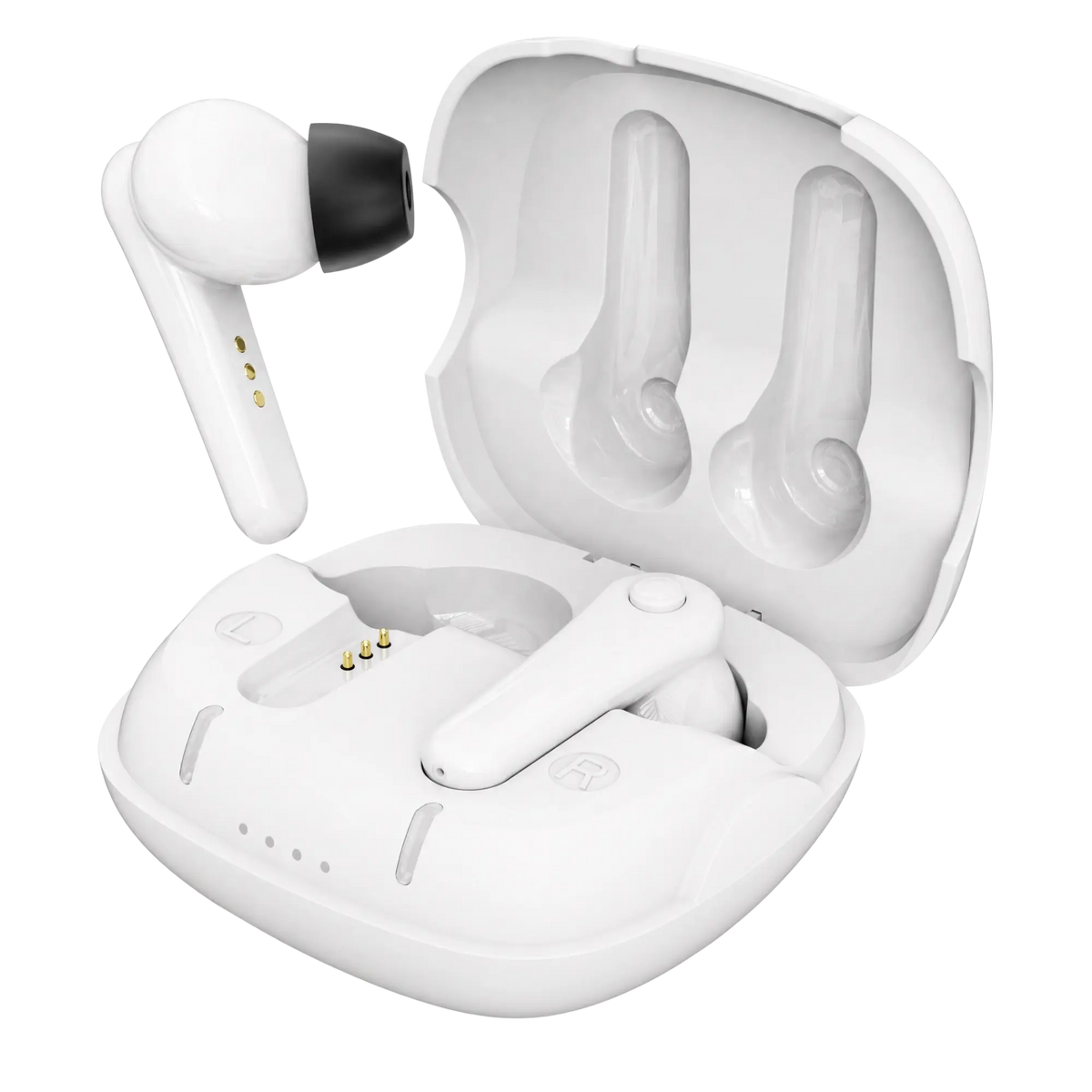
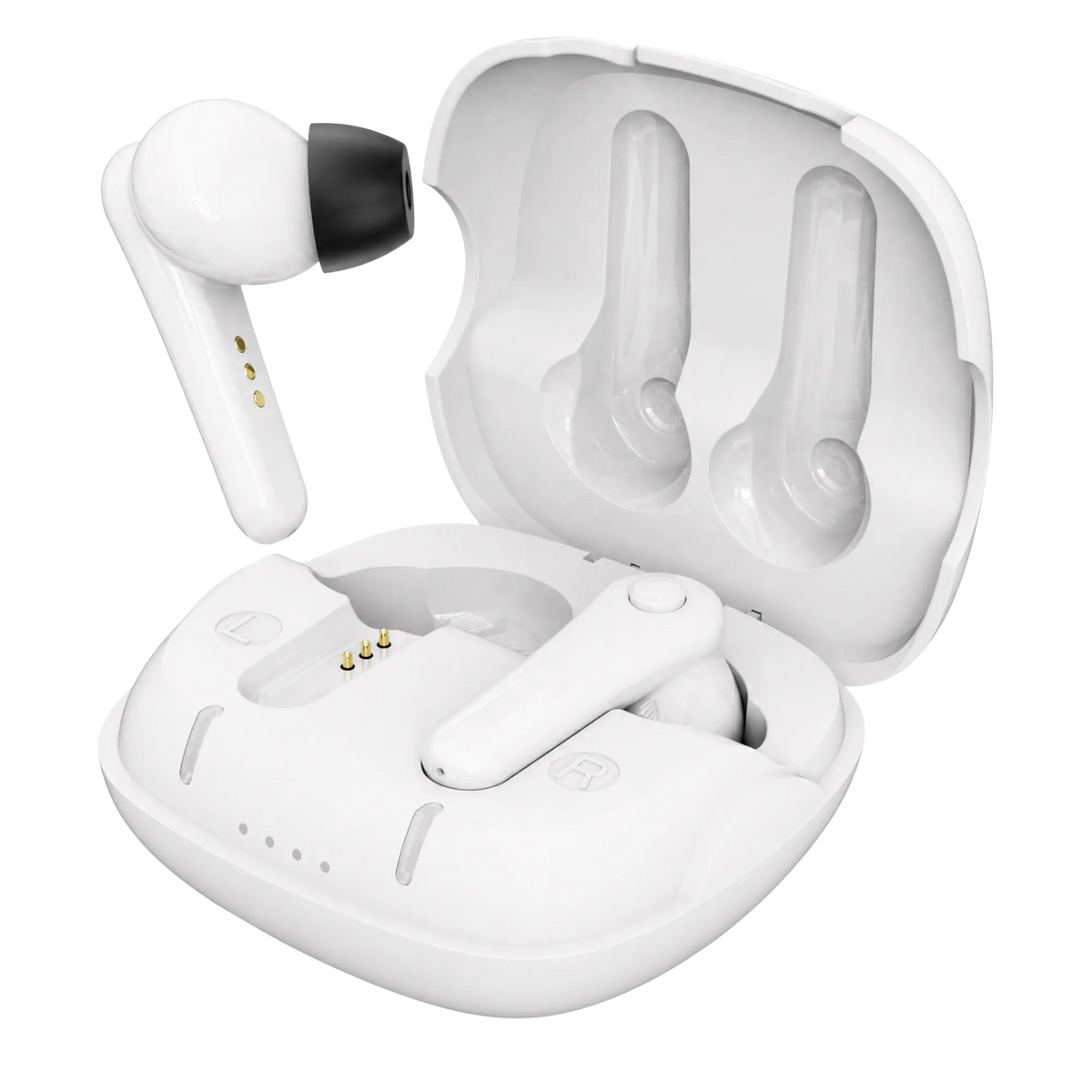
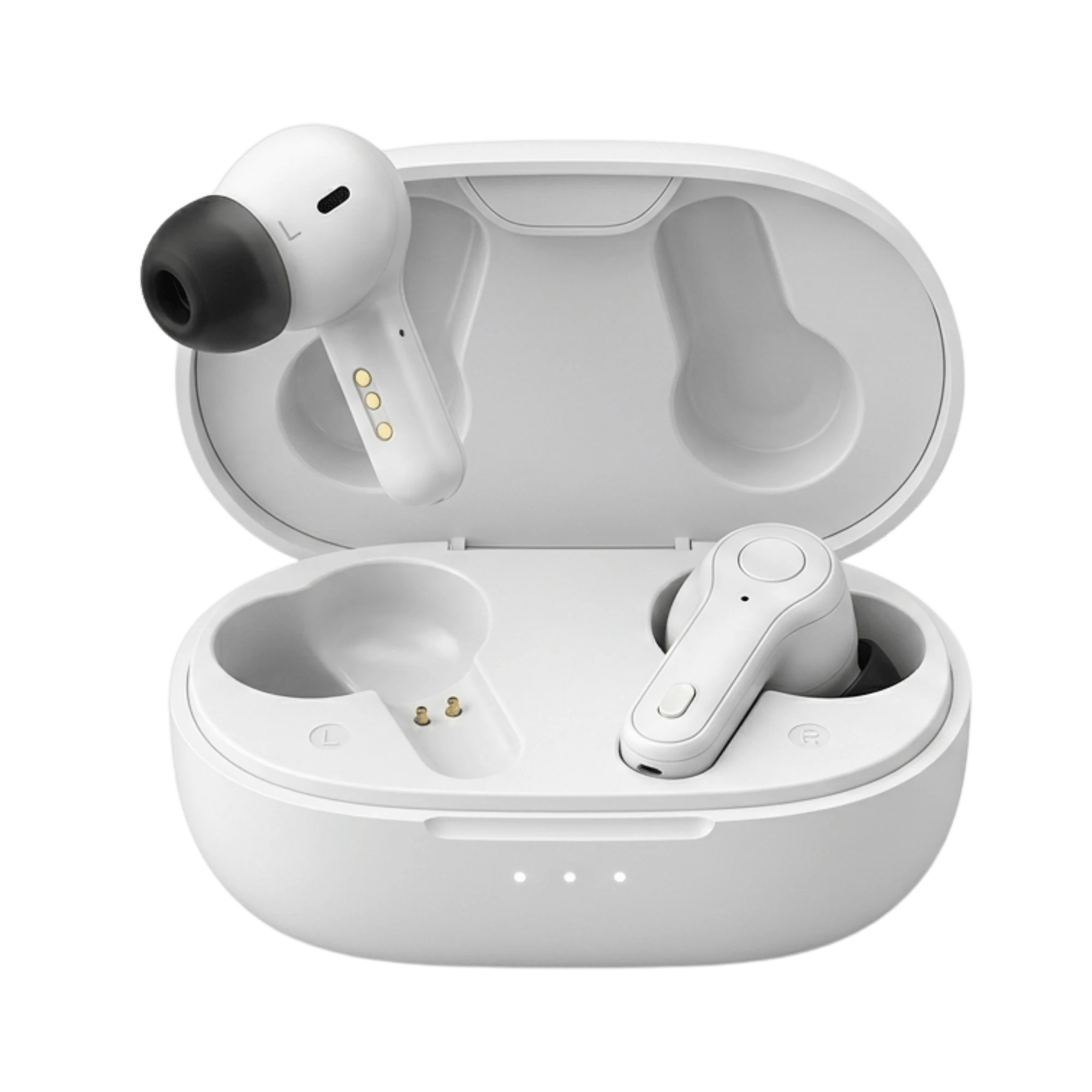
لأن هذه الدراسة تبرز كيف يمكن أن تؤخر اختناقات الإحالة ومحدودية الخدمات المتخصصة الرعاية السمعية، فقد صُممت سماعات الأذن الأحدث المعتمدة من FDA والمتاحة دون وصفة طبية (FDA-OTC) لخفض هذا الحاجز أمام البالغين. وتُعد Panda Air إحدى هذه الأجهزة، وهي سماعة أذن OTC ذاتية الضبط بتصميم عصري على شكل سماعات أذن لاسلكية، مع معالجة من 16 قناة وتقليل تكيفي للضوضاء متعدد النطاقات.
تعمل Air فور إخراجها من العلبة، ولمن يرغبون في إعداد أكثر تخصيصًا، يمكن لتطبيق مرافق اختياري إجراء فحص سمع خاص بكل تردد عبر السماعة نفسها وتخصيص خرجها بحسب الملف السمعي للمستخدم. والتطبيق والفحص اختياريان تمامًا، فلا حاجة إلى زيارة عيادة أو إحالة أو هاتف ذكي للبدء في استخدام الجهاز.
وتشمل التفاصيل العملية علبة شحن سريع توفر 60 ساعة استماع إجمالية، وبلوتوث للمكالمات والتلفاز والموسيقى، وضمانًا لمدة 5 سنوات، وفترة تجربة 45 يومًا تبدأ عند وصول المنتج. وثمة تحفظ يجدر وضعه في الاعتبار: فسماعات OTC معتمدة لفقدان السمع الخفيف إلى المتوسط، أما فقدان السمع الشديد أو العميق فلا يزال يستفيد أكثر من الضبط السريري. ويمكن الاطلاع على مزيد من المعلومات عن الجهاز عبر pandahearing.com/products/panda-air.
حدود هذا البحث
كانت هذه دراسة نوعية صغيرة شملت تسعة أطباء في بلد واحد، لذا لا يمكن افتراض أن الموضوعات التي حددتها تمثل جميع أطباء الأسرة أو جميع النظم الصحية. فالنتائج النوعية تصف نطاق وجهات النظر الموجودة لا مدى شيوع كل منها.
ويشير المؤلفون أنفسهم إلى الحاجة إلى مزيد من البحث لفهم هذه العوامل على نحو أوفى ولتطوير أدوات إحالة فعالة لأطباء الأسرة. ولم تُذكر تفاصيل التمويل أو تضارب المصالح في الملخص المتاح.
إلى أين تقودنا هذه الدراسة
تقدم هذه الدراسة دليلًا على أمر أحسّه كثير من المرضى: فالطريق من ملاحظة صعوبة السمع إلى تقييمها يمر عبر عيادة رعاية أولية مزدحمة، وقد يتعثر الكثير في أثنائه. ومن شأن تحسين تثقيف الأطباء، وتوثيق التعاون مع أخصائيي السمع، وتوفير نقاط دخول أيسر إلى الرعاية السمعية أن يساعد جميعًا في سد فجوة تترك حاليًا كثيرًا من البالغين في الانتظار.
Tsiolkas J, Pang J, Kitterick P. Why Family Physicians Refer (or Don't) for Adult Hearing Assessment: A Qualitative Interview Study. American Journal of Audiology. 2026. Retrieved from PubMed. https://doi.org/10.1044/2026_AJA-25-00318