دراسة ضبط سماعات الأذن تختبر هدف الكسب بمقدار الثلث
تجد دراسة استباقية من جامعة كيتازاتو في اليابان أن ضبط تضخيم سماعة الأذن نحو هدف الكسب الكلاسيكي بمقدار الثلث أنتج ضبطًا جيدًا في نحو ثلاثة أرباع الآذان المصابة بفقدان سمع حسي عصبي، وتشير إلى أن الترددات المتوسطة هي الموضع الذي يكون بلوغ الهدف فيه أكثر أهمية.
يعرف كل من ارتدى سماعة أذن أن الجهاز نفسه ليس سوى نصف القصة. أما النصف الآخر فهو كيفية ضبطه: مقدار التضخيم الذي يطبقه، وعند أي ترددات. يعتمد أخصائيو السمع على معادلات الوصفات لتحديد هذه المستويات، لكن الوصفات نقاط بداية لا ضمانات، ويواصل الباحثون مناقشة أفضل السبل للتحقق من أن الضبط يعمل فعلًا لصالح مرتديه.
وتتناول دراسة استباقية جديدة نُشرت في Auris, Nasus, Larynx هذا السؤال مباشرة. فقد ضبط فريق البحث سماعات الأذن باستخدام معادلة وصفة واسعة الاستخدام، ثم قاس مقدار الفائدة التي حصل عليها المرضى فعليًا وقرّب الإعدادات نحو قاعدة عملية قديمة تسمى الكسب بمقدار الثلث. وتقدم النتائج نظرة عملية إلى الترددات التي تفصل بين الضبط الناجح وغير الناجح.
حول هذه الدراسة
العنوان: Prospective evaluation of hearing aid fitting adjusted toward one-third functional gain in patients with sensorineural hearing loss
المؤلفون: Yoshihiro Nitta, Hajime Sano, Takaomi Kurioka, Kengo Yamamoto, Takuya Sawada, Natsuko Hosono, Sachie Umehara, Yuki Hara, Taku Yamashita
الجهات التابع لها المؤلفون: Department of Otorhinolaryngology and Head and Neck Surgery, Kitasato University School of Medicine; Department of Rehabilitation, School of Allied Health Sciences, Kitasato University; Department of Rehabilitation, Kitasato University Hospital، كاناغاوا، اليابان
المجلة: Auris, Nasus, Larynx، نُشرت في 29 أغسطس 2026
نوع الدراسة: تقييم سريري استباقي
معرّف DOI في PubMed: 10.1016/j.anl.2026.08.007
الخلفية: لماذا تناول الباحثون هذا الموضوع
يقع مفهومان في صميم هذه الدراسة. الأول هو الكسب الوظيفي، وهو الفرق بين أخفت الأصوات التي يستطيع الشخص سماعها بسماعة الأذن وهي تعمل وبدونها، ويُقاس في غرفة عازلة للصوت. وهو فحص مباشر وواقعي لمقدار ما يقدمه الجهاز من مساعدة فعلية عند كل تردد. والثاني هو قاعدة الكسب بمقدار الثلث، وهي إرشاد عمره عقود يقترح أن تضخّم سماعة الأذن الصوت بنحو ثلث عتبة سمع الشخص عند كل تردد. فمن يعاني من فقدان قدره 60 ديسيبل عند درجة صوتية معينة يحصل على نحو 20 ديسيبل من الكسب عندها.
وعادةً ما تبدأ برمجيات الضبط الحديثة من معادلات وصفة أكثر تطورًا. وفي هذه الدراسة استخدم الفريق DSL الإصدار 5، وهي معادلة طُوّرت أصلًا لضبط أجهزة الأطفال وتُطبَّق أيضًا على البالغين. لكن الإعدادات المتوقعة من المعادلة والفائدة المقاسة على أذني شخص حقيقي كثيرًا ما تتباعد، ولهذا يهم التحقق.
أراد الباحثون معرفة أمر بسيط ومفيد سريريًا: إذا بدأتَ بـ DSL الإصدار 5 ثم عدّلتَ سماعة الأذن بحيث يتحرك الكسب الوظيفي المقاس نحو هدف الثلث، فهل يحصل المرضى على حالات ضبط ناجحة؟ وحين يفشل الضبط، فما شكل نمط الكسب؟
كيف أُجريت الدراسة
ضُبطت سماعات الأذن لأربعة وعشرين بالغًا مصابين بفقدان سمع حسي عصبي في الأذنين، أي 48 أذنًا في المجموع، باستخدام وصفة DSL الإصدار 5. ثم قاس الفريق الكسب الوظيفي عند خمسة ترددات من 250 إلى 4000 هرتز وعدّل الكسب في برنامج الضبط بحيث تقترب الفائدة المقاسة من هدف الثلث عند كل تردد.
وبعد فترة تجريبية مدتها أسبوعان مع ارتداء الأجهزة المعدَّلة، عاد المشاركون لإجراء اختبار الكلام. وباستخدام قائمة يابانية قياسية من الكلمات أحادية المقطع، قاس الباحثون مدى دقة تعرف كل أذن على الكلام المقدَّم عند 65 ديسيبل، أي نحو مستوى المحادثة، وعند 80 ديسيبل الأعلى. وبناءً على هذه الدرجات، صُنفت كل أذن على أنها جيدة الضبط أو غير جيدة الضبط، وقورنت أنماط الكسب الوظيفي للمجموعتين. وأكمل البروتوكول كاملًا 21 مريضًا، أي 42 أذنًا.
ما الذي وجده الباحثون
الرقم الرئيسي مشجع: فقد استوفت 31 أذنًا من الآذان الـ 42 التي أكملت الدراسة، أي نحو 73 في المائة، معايير سماعة الأذن جيدة الضبط استنادًا إلى اختبار تمييز الكلام. وبعبارة أخرى، فإن استراتيجية مباشرة تقوم على التحقق من الفائدة داخل الأذن وتوجيهها نحو الكسب بمقدار الثلث أنتجت نتائج مقبولة في نحو ثلاث من كل أربع مرات.
وتكمن الإثارة في التفاصيل. فحتى بعد التعديل، ظل الكسب الوظيفي المقاس عند الترددات المنخفضة 250 و500 هرتز أقل من هدف الثلث باستمرار. ببساطة، لم توفر الأجهزة فائدة قابلة للقياس في الترددات المنخفضة بقدر ما تقضي به القاعدة، أيًّا كان ضبط البرنامج.
وتبيّن أن هذا النقص لم يكن مشكلة. ففي الآذان جيدة الضبط، كان الكسب في الترددات المنخفضة دون الهدف بينما كان الكسب عند 2000 هرتز، وهو نطاق حاسم لفهم الحروف الساكنة وبالتالي الكلام، قريبًا من الهدف. أما الآذان غير جيدة الضبط فأظهرت الصورة المعاكسة: فقد اقترب كسبها في الترددات المنخفضة من هدف الثلث، لكن كسبها عند 2000 و4000 هرتز ظل دون المطلوب.
وإجمالًا، يوحي النمط بأن الضبط الناجح يتحدد بدرجة أقل ببلوغ الهدف في كل مكان، وبدرجة أكبر ببلوغه في الترددات المتوسطة حيث تبلغ معلومات الكلام أعلى كثافتها. أما التضخيم الإضافي في الترددات المنخفضة، في المقابل، فلم يميّز النتائج الجيدة عن الضعيفة.
ماذا يعني ذلك للأشخاص الذين يعانون من فقدان السمع
لكل من يرتدي سماعات الأذن أو يفكر في ارتدائها، تذكّرنا هذه الدراسة بأن الإعدادات لا تقل أهمية عن العتاد، وبأن الضبط ينبغي الحكم عليه بالفائدة القابلة للقياس، لا بما إذا كان البرنامج يقول إن الوصفة طُبقت. فقد يُضبط الجهاز تقنيًا وفق المعادلة ومع ذلك يترك فهم الكلام دون استيفاء إذا لم تتحقق الفائدة في الترددات المتوسطة.
كما تقدم طمأنة بشأن تجربة شائعة: فسماعات الأذن كثيرًا ما توفر تعزيزًا في الترددات المنخفضة أقل مما توحي به الأهداف النظرية. وفي هذه الدراسة، أظهرت الآذان الأنجح هذا النمط تحديدًا. فقد ارتبط وضوح فهم الكلام بالتضخيم في منطقة 2000 هرتز، لا بتعظيم الجهير. وقد يكون من يشعرون بأن أجهزتهم تبدو ضعيفة في الجهير لكنها واضحة على الأصوات البشرية يرتدون في الواقع ضبطًا جيد التعديل.
الدقة في الترددات المتوسطة هي حيث يؤتي التخصيص ثماره
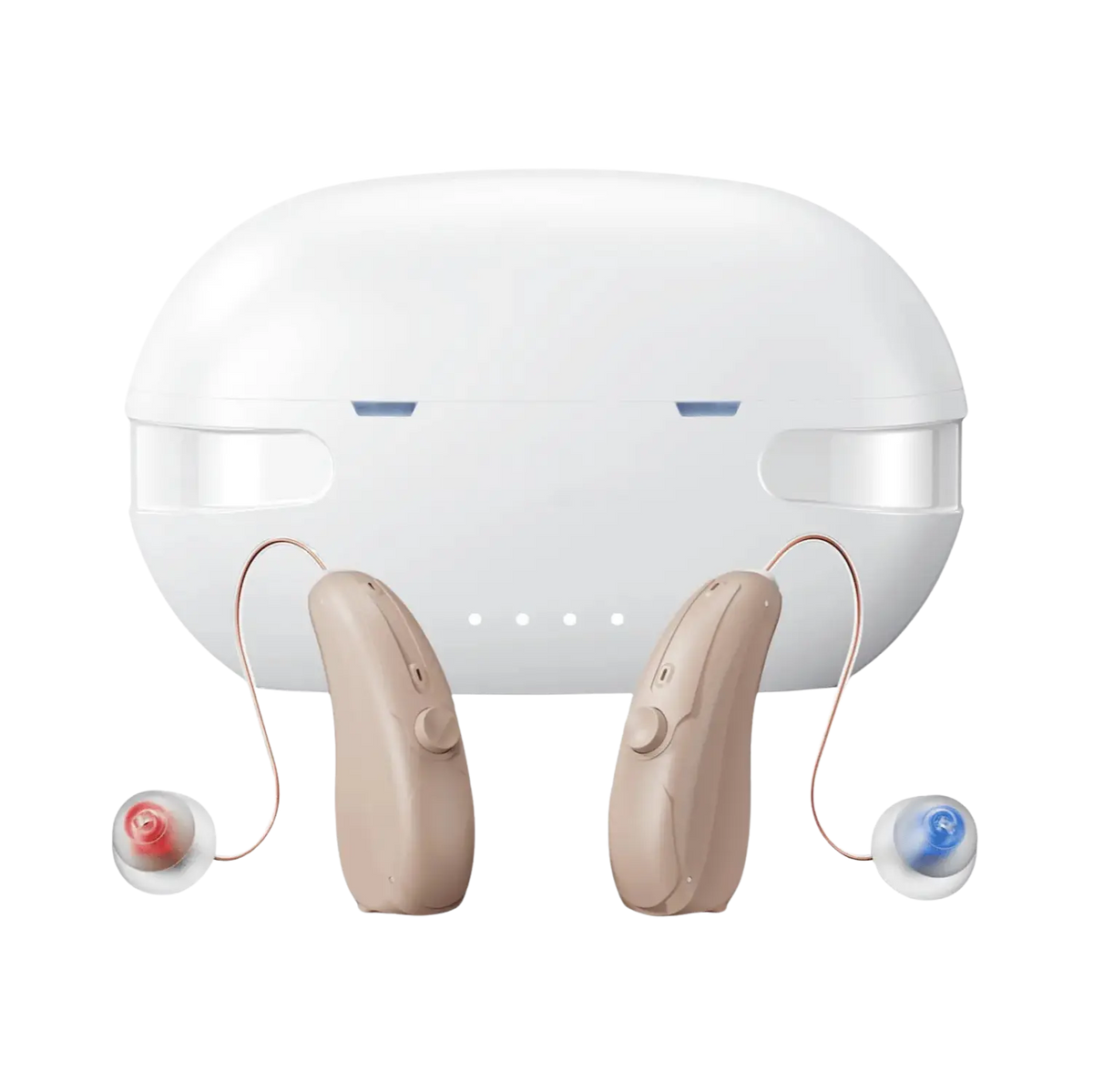
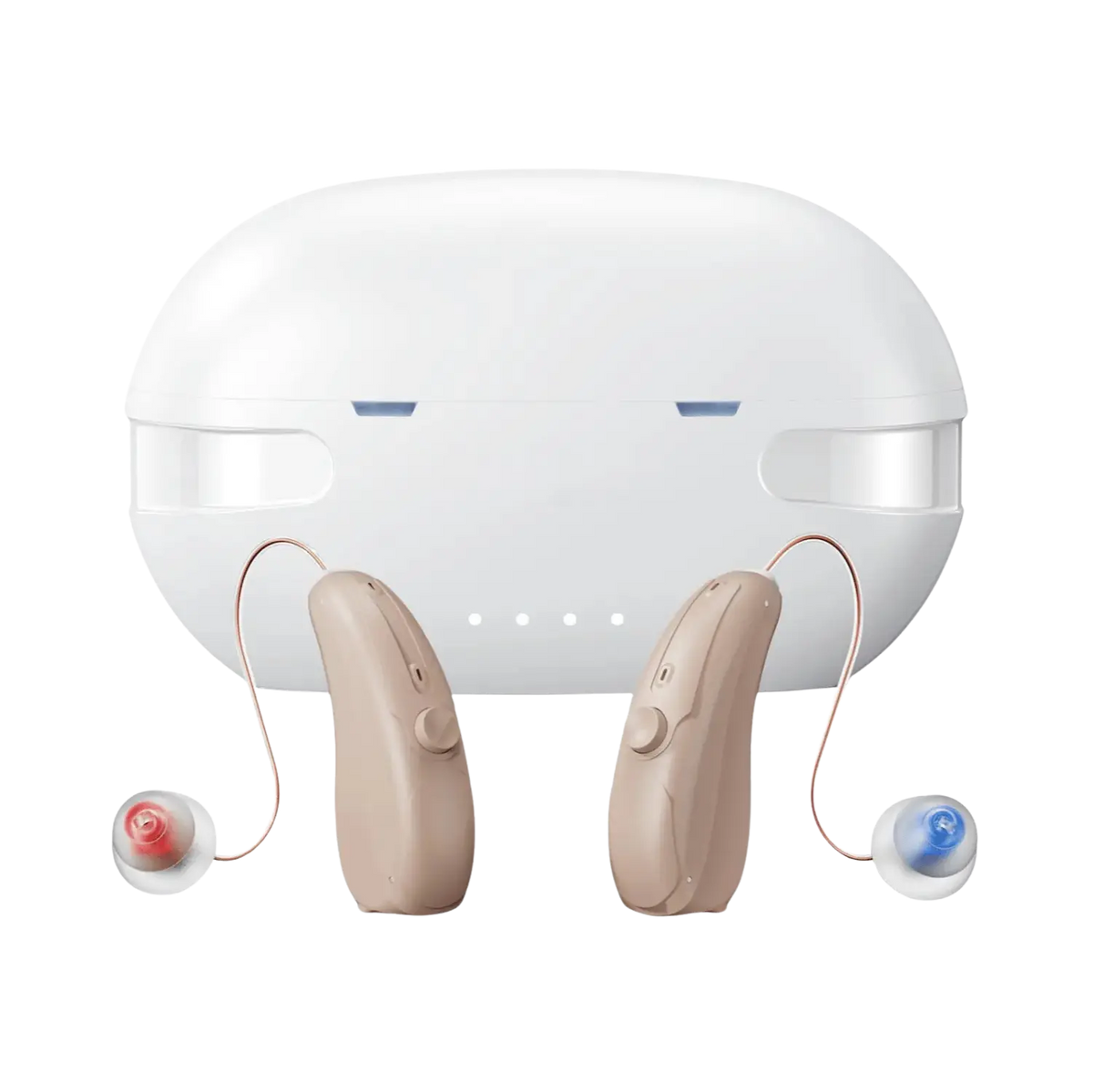
ولأن هذه الدراسة تربط النتائج الناجحة بكسب يقع قرب الهدف في الترددات الحاملة للكلام، فإنها تؤكد مدى قيمة تشكيل التضخيم بحسب الأذن الفردية بدلًا من تطبيق تعزيز موحد للجميع. وتجلب سماعات الأذن الأحدث FDA-OTC بعضًا من هذا التخصيص الخاص بكل تردد إلى خارج العيادة. وتُعد Panda Quantum إحدى هذه الأجهزة، وهي سماعة أذن من 16 قناة بمستقبِل داخل القناة مع تقليل تكيفي للضوضاء صُممت لكلام واضح في البيئات الصاخبة.
تعمل Quantum فور إخراجها من العلبة، ولمن يرغبون في استجابة أكثر تخصيصًا، يمكن لتطبيق مرافق اختياري إجراء فحص سمع خاص بكل تردد عبر السماعة نفسها وتخصيص التضخيم والاستجابة الترددية بحسب الملف السمعي للمستخدم، وهو شكل من التخصيص القائم على التطبيق يحاكي الضبط تردّدًا بتردد الذي يقع في صميم هذه الدراسة. وتعمل السماعة 20 ساعة بالشحنة الواحدة، مع علبة توفر ثلاث شحنات كاملة إضافية ليصل الإجمالي إلى 80 ساعة، وتأتي مع ضمان 5 سنوات وتجربة 45 يومًا تبدأ عند استلام المنتج.

وثمة تحفظ يجدر الاحتفاظ به: سماعات الأذن المتاحة دون وصفة طبية معتمدة لفقدان السمع الخفيف إلى المتوسط. أما من يعانون من فقدان شديد أو عميق، مثل بعض الحالات الأكثر تحديًا في دراسات الضبط كهذه، فيستفيدون أكثر من الضبط السريري لدى أخصائي سمع.
حدود هذا البحث
كانت هذه دراسة في مركز واحد، ولم يكمل البروتوكول كاملًا سوى 21 مريضًا، لذا تأتي النسب المئوية مصحوبة بعدم يقين واسع. واستخدم اختبار الكلام مواد يابانية أحادية المقطع، وقد تختلف النتائج بين اللغات ذات البنى الصوتية المختلفة. كما لم تبلغ الأجهزة المعدَّلة هدف الثلث بالكامل في الترددات المنخفضة، مما يعني أن الدراسة قيّمت تقريبًا للقاعدة لا القاعدة نفسها. ويصف المؤلفون نتائجهم بأنها أساس لدراسات استباقية مستقبلية، ولم تُذكر تفاصيل التمويل وتضارب المصالح في الملخص.
إلى أين تقودنا هذه الدراسة
نجح الضبط القائم على التحقق مع معظم الآذان في هذه الدراسة، وكانت الترددات الأهم هي تلك التي تحمل الكلام. وسواء ضُبطت سماعة الأذن في عيادة أو عُدّلت عبر تطبيق على طاولة المطبخ، فإن الدرس صالح للجميع: قِس الفائدة، وركّز على الترددات المتوسطة، واحكم على الضبط بمدى وضوح وصول الأصوات البشرية.
Nitta Y, Sano H, Kurioka T, Yamamoto K, Sawada T, Hosono N, Umehara S, Hara Y, Yamashita T. Prospective evaluation of hearing aid fitting adjusted toward one-third functional gain in patients with sensorineural hearing loss. Auris, Nasus, Larynx. 2026;53(5):689-695. Retrieved from PubMed. https://doi.org/10.1016/j.anl.2026.08.007