Därför tackar vissa äldre nej till hörapparater: studie pekar på social ensamhet, inte bara hörselnivå
En ny tvärsnittsstudie av vuxna med åldersrelaterad hörselnedsättning visade att de som tackade nej till hörapparater rapporterade betydligt mer social ensamhet, vilket tyder på att beslutet formas av psykosociala faktorer och inte enbart av hörseltestresultat.
Audionomer har länge iakttagit en gåta: många av dem som skulle ha mest nytta av hörapparater är minst benägna att acceptera dem. Resultaten från hörseltest förklarar en del av bilden, men många vuxna med betydande hörselnedsättning avstår från behandling, medan andra med lättare nedsättning tar emot den med öppna armar.
En forskargrupp i Turkiet ville se bortom audiogrammet, standarddiagrammet över hörtrösklar, och fråga vilka psykologiska och sociala faktorer som skiljer dem som accepterar hörapparater från dem som tackar nej. Deras resultat, publicerade i Journal of Gerontological Social Work, sätter en oväntad faktor i centrum: social ensamhet.
Om studien
Titel: Beyond the Audiogram: Psychosocial Barriers to Hearing Aid Use in Presbycusis
Författare: Yavuz Yilmaz, Kazim Tugberk Salik, Melek Kekul Sapci, Emine Elif Altuntas
Tillhörighet: Departments of Psychiatry and Otorhinolaryngology, Sivas Cumhuriyet University, Sivas, Turkey; Lokman Hekim University, Ankara, Turkey
Tidskrift: Journal of Gerontological Social Work, publicerad 8 september 2026
Studietyp: Observationell tvärsnittsstudie
Bakgrund: varför forskarna undersökte detta
Presbyacusis är den medicinska termen för åldersrelaterad hörselnedsättning, den gradvisa försämring av hörseln som drabbar en stor andel av alla vuxna över 65. Det är ett av de vanligaste kroniska tillstånden senare i livet, men användningen av hörapparater är fortfarande envist låg i hela världen, även i vårdsystem där hörapparaterna subventioneras.
Tidigare forskning har pekat på kostnad, stigma och förnekelse av hörselproblem som hinder, men färre studier har mätt det psykologiska tillståndet hos människor i det ögonblick de accepterar eller tackar nej till en rekommenderad hörapparat. Skillnaden mellan emotionell ensamhet, känslan av att sakna en nära relation, och social ensamhet, känslan av att sakna en bredare krets av vänner och bekanta, har sällan undersökts i det här sammanhanget.
Forskarna ville ta reda på om dessa psykosociala dimensioner, tillsammans med depression och själva hörselnedsättningens svårighetsgrad, kunde hjälpa till att förklara vem som säger ja till en hörapparat och vem som säger nej.
Så genomfördes studien
I studien deltog 57 vuxna med diagnosen presbyacusis. Av dessa hade 37 accepterat hörapparater och 20 hade tackat nej. Alla deltagare genomgick audiologisk testning för att dokumentera graden av hörselnedsättning och fyllde i standardiserade frågeformulär om depression, emotionell ensamhet och social ensamhet.
Forskarna jämförde de två grupperna på dessa mått och genomförde sedan en explorativ logistisk regression, en statistisk metod som uppskattar hur varje faktor hänger ihop med oddsen att tacka nej till en hörapparat när hänsyn tas till de övriga faktorerna.
Vad forskarna kom fram till
Gruppen som tackade nej till hörapparater var i genomsnitt äldre och hade, anmärkningsvärt nog, större hörselnedsättning än gruppen som accepterade dem. Objektivt sett behövde de som tackade nej hörapparaterna mer, inte mindre.
Den tydligaste psykologiska skillnaden mellan grupperna var social ensamhet. De som tackade nej till hörapparater fick betydligt högre poäng för social ensamhet än de som accepterade dem. Depression och emotionell ensamhet skilde sig däremot inte nämnvärt mellan de två grupperna.
I den explorativa regressionen var tre faktorer kopplade till att tacka nej till en hörapparat: högre ålder, manligt kön och högre social ensamhet. Författarna drar slutsatsen att inställningen till hörapparatanvändning formas av psykosociala faktorer, särskilt social ensamhet, och inte enbart av hörselnedsättningens svårighetsgrad.
Sambandets riktning är värd att stanna upp vid. Man kunde vänta sig att ensammare personer skulle söka upp allt som förbättrar kommunikationen. I stället var de med tunnare sociala nätverk mer benägna att tacka nej. Författarnas resonemang antyder en möjlig ond cirkel: med färre sociala kontakter kan det verka mindre angeläget att satsa på hörseln, vilket i sin tur gör det svårare att bygga upp sociala band igen.
Vad det betyder för personer med hörselnedsättning
För anhöriga och vårdpersonal är studien en påminnelse om att ett nej till en hörapparat inte alltid är ett omdöme om själva apparaten. Det kan spegla hur personen ser på sin sociala tillvaro. En äldre man vars vänkrets krymper kan i tysthet dra slutsatsen att bättre hörsel inte är värt besväret, även när hörseln blir sämre.
Den insikten tyder på att samtal om hörselhjälp bör handla om vad personen vill återknyta kontakten med, inte bara om vad hen inte kan höra. Den visar också värdet av att sänka alla andra hinder, från kostnad och krånglighet till hur hörapparaten ser ut och känns, så att det psykologiska hindret blir det enda som återstår att ta sig över.
När hindret inte är hörseltestet hjälper enkelhet och diskretion
Om nej-sägandet drivs av psykosociala faktorer snarare än av audiologin är de hörapparater som mest sannolikt accepteras de som kräver minst av en tveksam användare: inget iögonfallande att bära, inget krångligt att lära sig. Det är tanken bakom en ny våg av receptfria hörapparater enligt FDA:s OTC-regler, byggda för personer som har skjutit upp beslutet.
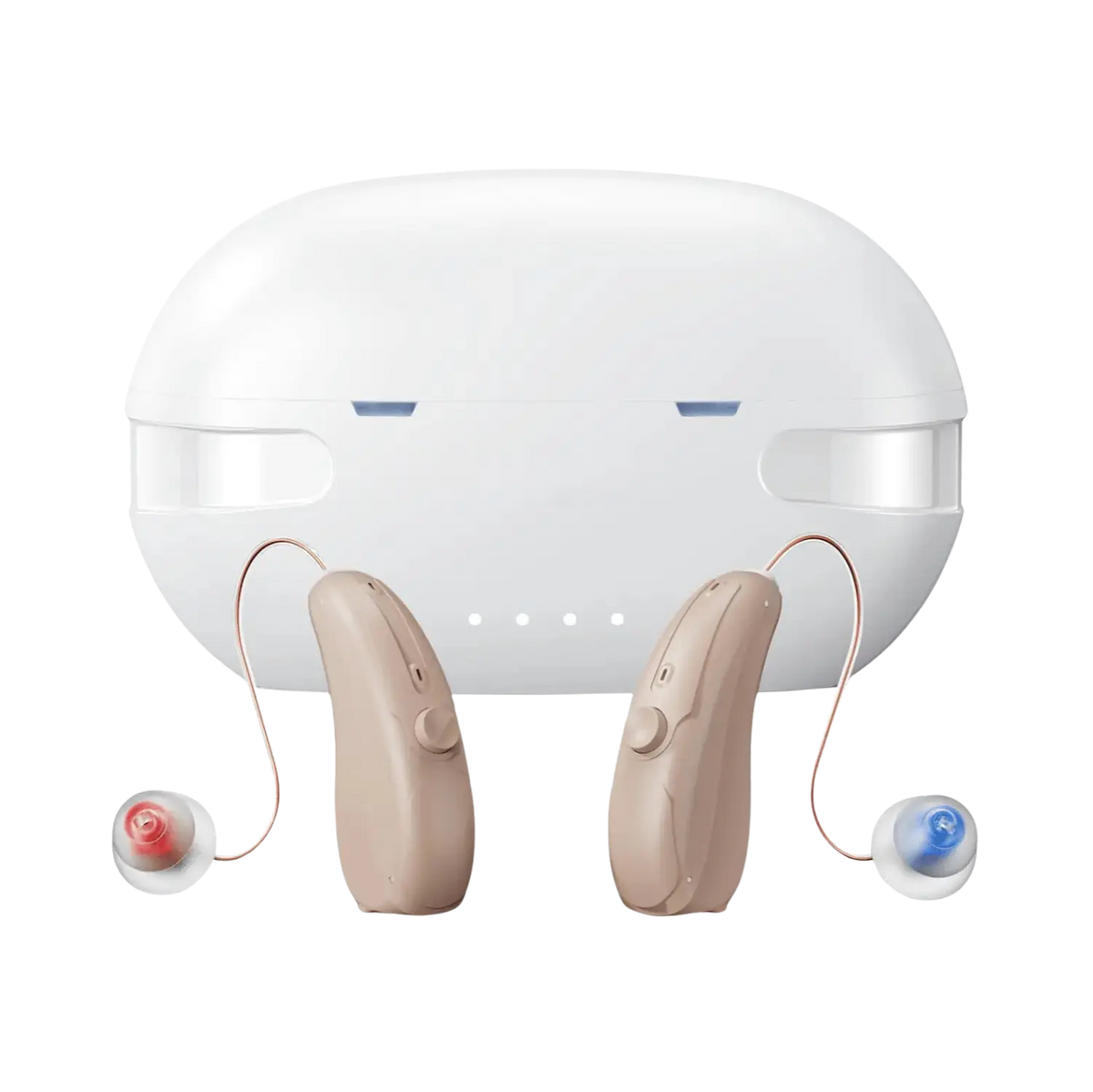
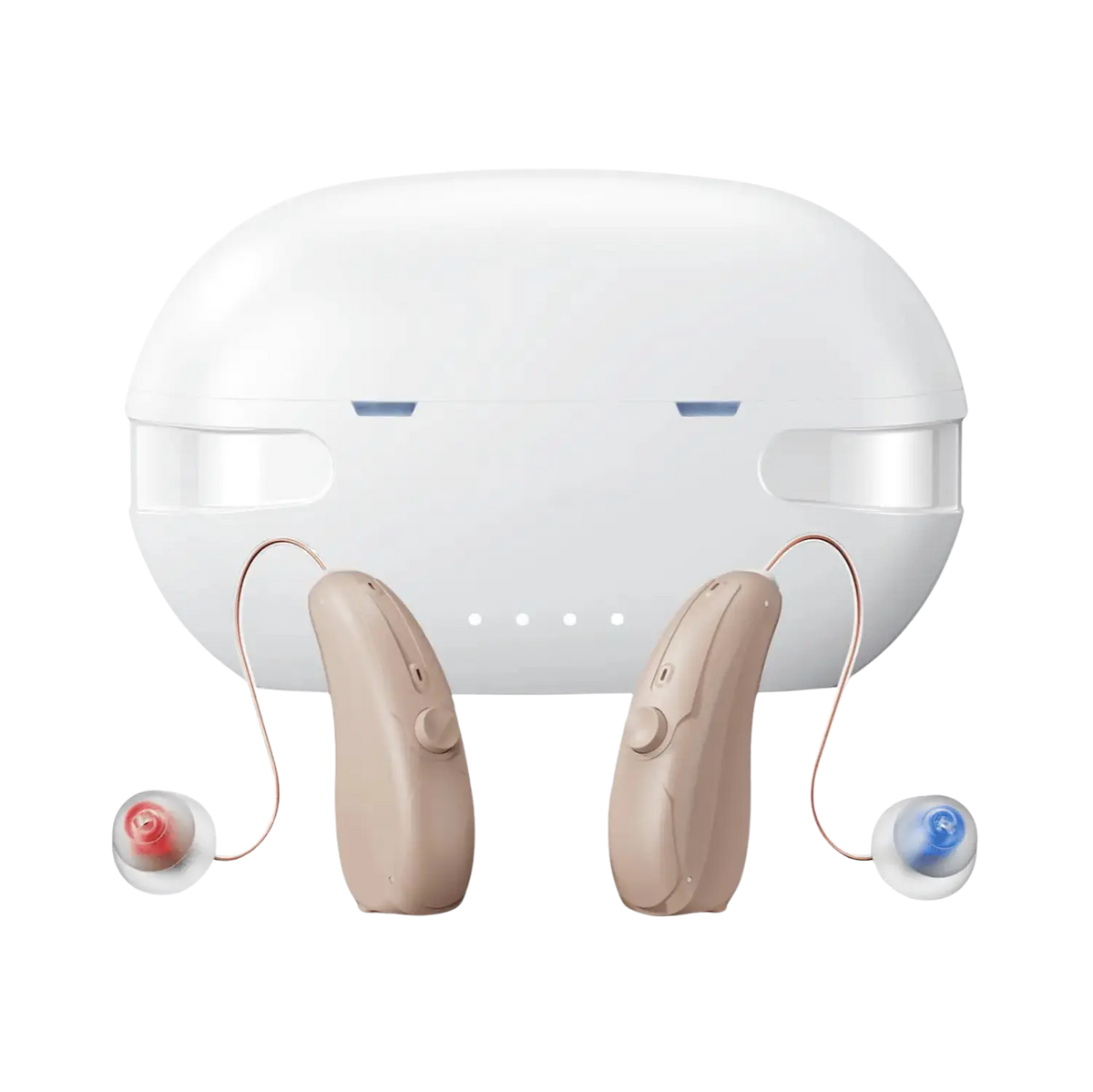
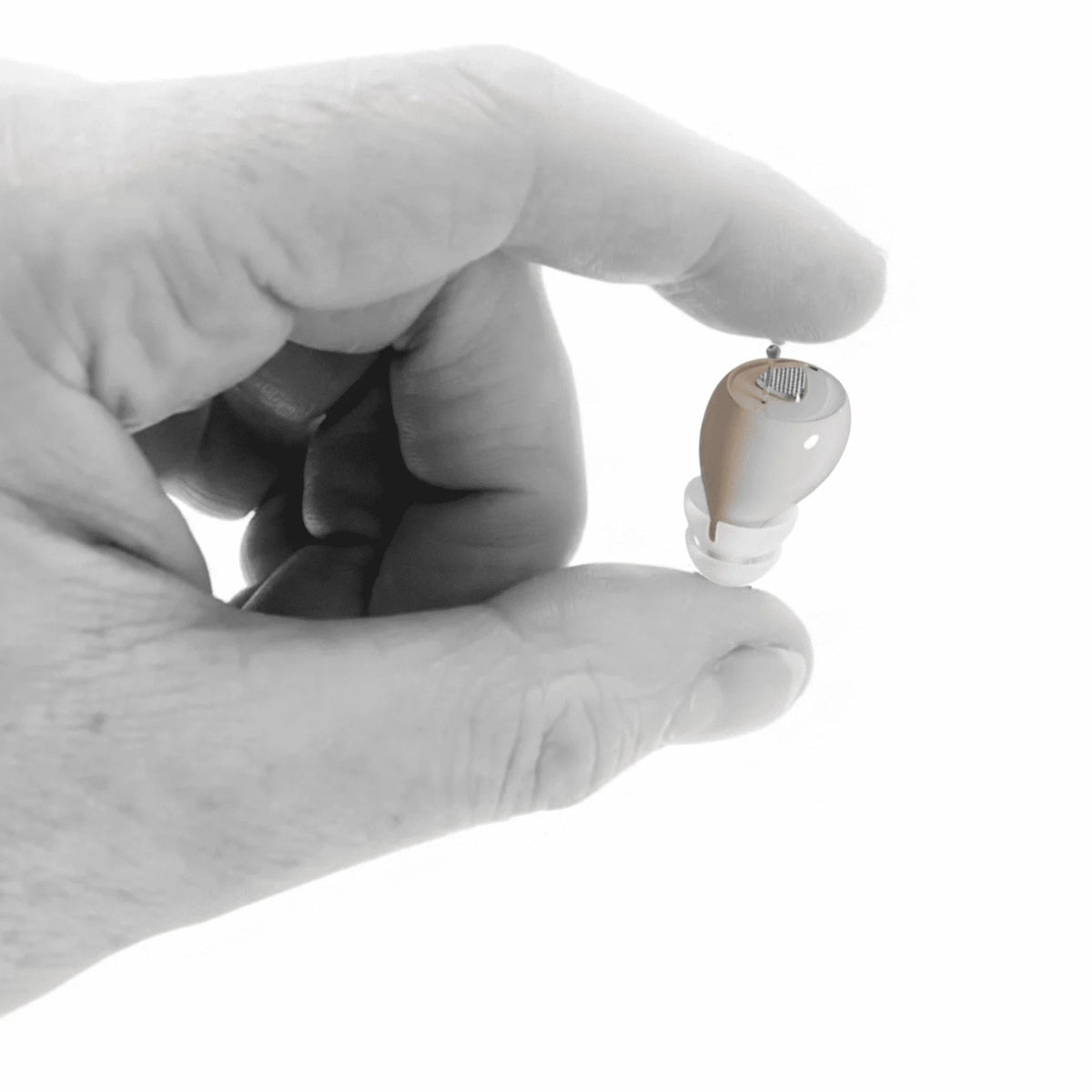
Panda Stealth är ett exempel som riktar sig direkt till den här gruppen. Det är en nästan osynlig hörapparat för hörselgången som väger 2.3 gram, utformad som en diskret hörapparat för den som inte vill visa upp sin hörselnedsättning. Den är också medvetet plug-and-play: det finns ingen app och inget inställningstest, så den fungerar direkt ur förpackningen, med smart brusreducering i 12 frekvensband och ett uppladdningsbart magnetiskt laddningsetui som lagrar 60 timmars ström och samtidigt fungerar som trådlös fjärrkontroll. Den har 5 års garanti och en provperiod på 45 dagar som börjar när produkten kommer fram.

En reservation: receptfria hörapparater (OTC) är godkända för lätt till måttlig hörselnedsättning. Eftersom de som tackade nej i studien tenderade att ha större hörselnedsättning skulle en del av dem hamna utanför det intervallet, och svår eller grav hörselnedsättning har fortfarande mest nytta av en klinisk utprovning.
Studiens begränsningar
Det här var en liten studie vid ett enda center med 57 deltagare, av vilka bara 20 tackade nej till hörapparater, så regressionsresultaten är explorativa och behöver bekräftas i större urval. Tvärsnittsdesignen kan inte heller fastställa riktningen: social ensamhet kan avskräcka från att börja använda hörapparat, obehandlad hörselnedsättning kan fördjupa den sociala ensamheten, eller så kan båda processerna förstärka varandra över tid.
Studien genomfördes inom ett enda lands vårdsystem, och faktorer som kostnad, ersättning och kulturella attityder till hörapparater skiljer sig mellan olika miljöer, vilket kan begränsa hur väl resultaten går att generalisera.
Vad du kan göra med detta
Om någon du bryr dig om fortsätter att tacka nej till hörselhjälp trots tydliga svårigheter, tyder den här forskningen på att det lönar sig att se bortom hörseltestet. Fråga om personens sociala tillvaro, vilka samtal hen saknar och vad som gör tanken på en hörapparat oattraktiv. Hindret kan vara ensamhet, självbild eller vana snarare än tekniken, och det är hinder som tålamod, gemenskap och enklare, mer diskreta hörapparater var för sig kan hjälpa till att sänka.
Yilmaz Y, Salik KT, Kekul Sapci M, Altuntas EE. Beyond the Audiogram: Psychosocial Barriers to Hearing Aid Use in Presbycusis. Journal of Gerontological Social Work. 2026;1-13. Hämtad från PubMed. https://doi.org/10.1080/01634372.2026.2731402