Därför faller vuxna bort på vägen till hörselbehandling: ny översikt kartlägger var vården brister
En översiktsstudie av 17 studier visar att vuxna lämnar vårdkedjan för cochleaimplantat i nästan varje skede, från att aldrig bli remitterade alls till att stanna upp precis före operationen.
Hörselbehandling beskrivs ofta som ett enda beslut: antingen väljer man att göra något åt sin hörselnedsättning eller inte. I verkligheten innebär vägen från en första oro för hörseln till en verksam behandling en lång rad steg, bland annat screening, remiss, specialistbedömning, utredning av lämplighet och genomförande av det rekommenderade alternativet.
En ny översikt från forskare i Förenade Arabemiraten och Storbritannien undersöker systematiskt var den kedjan brister. Med fokus på vuxna som kan vara aktuella för cochleaimplantat, vanligtvis personer med svårare hörselnedsättning, kartlägger författarna steg för steg var människor kopplar bort sig, skjuter upp eller i tysthet försvinner ur vården.
Om studien
Titel: Attrition Across the Adult Cochlear Implant Care Pathway: A Scoping Review of Stage-Specific Disengagement
Författare: Muhammed Ayas, Jameel Muzaffar, Ahmad AlAmadi, Ahmad AlShamsi, Manohar L. Bance
Tillhörighet: University of Sharjah; University of Cambridge och Cambridge Hearing Group; University Hospitals Birmingham NHS Foundation Trust; University of Birmingham; ÖNH-kliniker i Dubai och Abu Dhabi; Cambridge University Hospitals NHS Foundation Trust
Tidskrift: Otology & Neurotology, publicerad 1 september 2026
Studietyp: Kartläggande översikt (PRISMA-ScR), 17 inkluderade studier
Källa: PubMed. DOI: 10.1097/MAO.0000000000005050
Bakgrund: varför forskarna undersökte detta
Cochleaimplantat är elektroniska enheter som opereras in och kan ge användbar hörsel tillbaka till vuxna vars hörselnedsättning är för svår för konventionell förstärkning. Ändå anses de allmänt vara underutnyttjade: betydligt färre vuxna får dem än som sannolikt skulle uppfylla kriterierna. Den vanliga förklaringen formuleras som att patienterna är tveksamma, som om kandidaterna helt enkelt bestämmer sig för att avstå från operation.
Författarna till översikten misstänkte att bilden var mer komplicerad. Inom hälso- och sjukvårdsforskning syftar ”bortfall” på att människor faller ur en vårdprocess någonstans längs vägen, och det kan ske av skäl som har lite med ett aktivt beslut att göra, till exempel att aldrig bli remitterad, att tappa bort tider eller att möta kostnader och praktiska hinder som tyst hopar sig.
Målet var att omformulera underutnyttjandet av cochleaimplantat som ett problem i vårdkedjan: att identifiera varje steg där vuxna faller bort och att sortera de bidragande faktorerna i sådana som hör ihop med patienterna, vårdgivarna och själva hälso- och sjukvårdssystemet.
Så genomfördes studien
Teamet genomförde en kartläggande översikt, en strukturerad metod för att kartlägga all tillgänglig evidens kring en bred fråga, enligt riktlinjerna i PRISMA-ScR. De sökte i fyra stora databaser (PubMed/MEDLINE, Scopus, CINAHL och Cochrane Library) från respektive databas start fram till augusti 2025, med en uppdatering i januari 2026.
De inkluderade empiriska studier som rapporterade bortkoppling, fördröjning eller utebliven progression i något skede av vårdkedjan för cochleaimplantat hos vuxna. Sjutton studier uppfyllde kriterierna. Resultaten ordnades sedan enligt en vårdkedjemodell, så att varje rapporterat fall av bortfall kunde knytas till ett specifikt vårdskede i stället för att klumpas ihop till en enda bortfallssiffra.
Vad forskarna kom fram till
Bortfallet var inte koncentrerat till en enda beslutspunkt. Det förekom längs hela vårdkedjan, med evidens som samlades kring tre skeden: före remiss (3 studier), mellan remiss och bedömning (4 studier) och efter bedömning men före operation (10 studier).
De tidiga förlusterna berodde till stor del på systemet snarare än på patienten. Att kliniker i första linjen remitterade för sällan och att kunskapen om vem som är aktuell för ett implantat var begränsad gjorde att många vuxna aldrig kom in i vårdkedjan alls. Socioekonomiska hinder förvärrade detta och sållade bort kandidater innan en specialist ens hade träffat dem.
Bortfallet i senare skeden såg annorlunda ut. Bland vuxna som hade bedömts och närmade sig operation fann översikten bortkoppling kopplad till praktiska begränsningar, osäkerhet kring beslutet, tvivel om hur stor nytta man kunde förvänta sig och den samlade bördan av upprepade besök och utredningar.
Översikten avslöjade också blinda fläckar i själva forskningen. Ingen studie undersökte steget mellan operation och aktivering av implantatet som ett eget bortfallsskede, och evidensen om bortfall under långtidsuppföljningen var begränsad. Definitionerna av bortfall varierade så mycket mellan studierna att direkta jämförelser ofta var omöjliga.
Vad det betyder för personer med hörselnedsättning
Det centrala budskapet är att utebliven hörselbehandling sällan är ett enda val. Det är ofta summan av många små friktioner: en remiss som aldrig skickas, en bedömning som kräver resor, en rad besök som blir svår att hinna med vid sidan av arbete och familj. Att förstå detta är viktigt för alla med hörselnedsättning, eftersom samma friktioner som bromsar kandidater för cochleaimplantat också gör att vuxna med lättare hörselnedsättning dröjer med att söka någon hjälp alls.
För vuxna med svår hörselnedsättning är den praktiska lärdomen att fråga direkt om du kan vara aktuell för cochleaimplantat om hörapparater inte längre hjälper, och att räkna med att processen innehåller flera steg där det lönar sig att vara envis. För hälso- och sjukvårdssystemen tyder översikten på att det kan vara lika viktigt att åtgärda för få remisser och minska antalet hinder som att förbättra själva tekniken.
Färre steg, färre ställen att falla bort
Ett skäl till att översikten är relevant även utanför cochleaimplantat är att den traditionella hörselvårdskedjan kräver mycket av alla, också av de flesta vuxna, vars hörselnedsättning är lätt till måttlig. Varje extra besök, remiss och kostnad är ytterligare ett ställe där man kan falla bort. Receptfria hörapparater (FDA-OTC) skapades för att korta den vägen för just den här gruppen, så att vuxna med lätt till måttlig hörselnedsättning kan börja behandling utan en kedja av remisser.
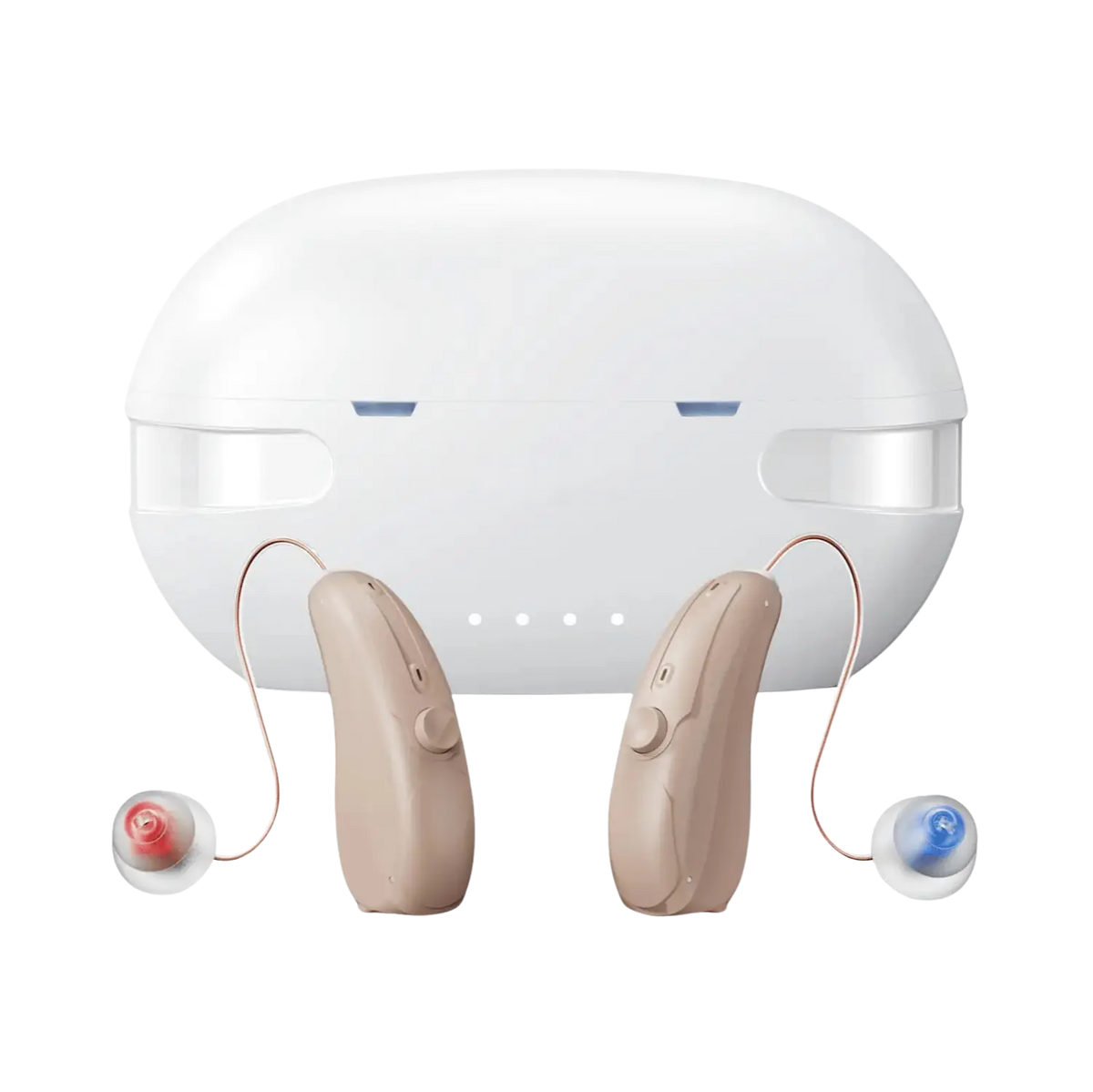
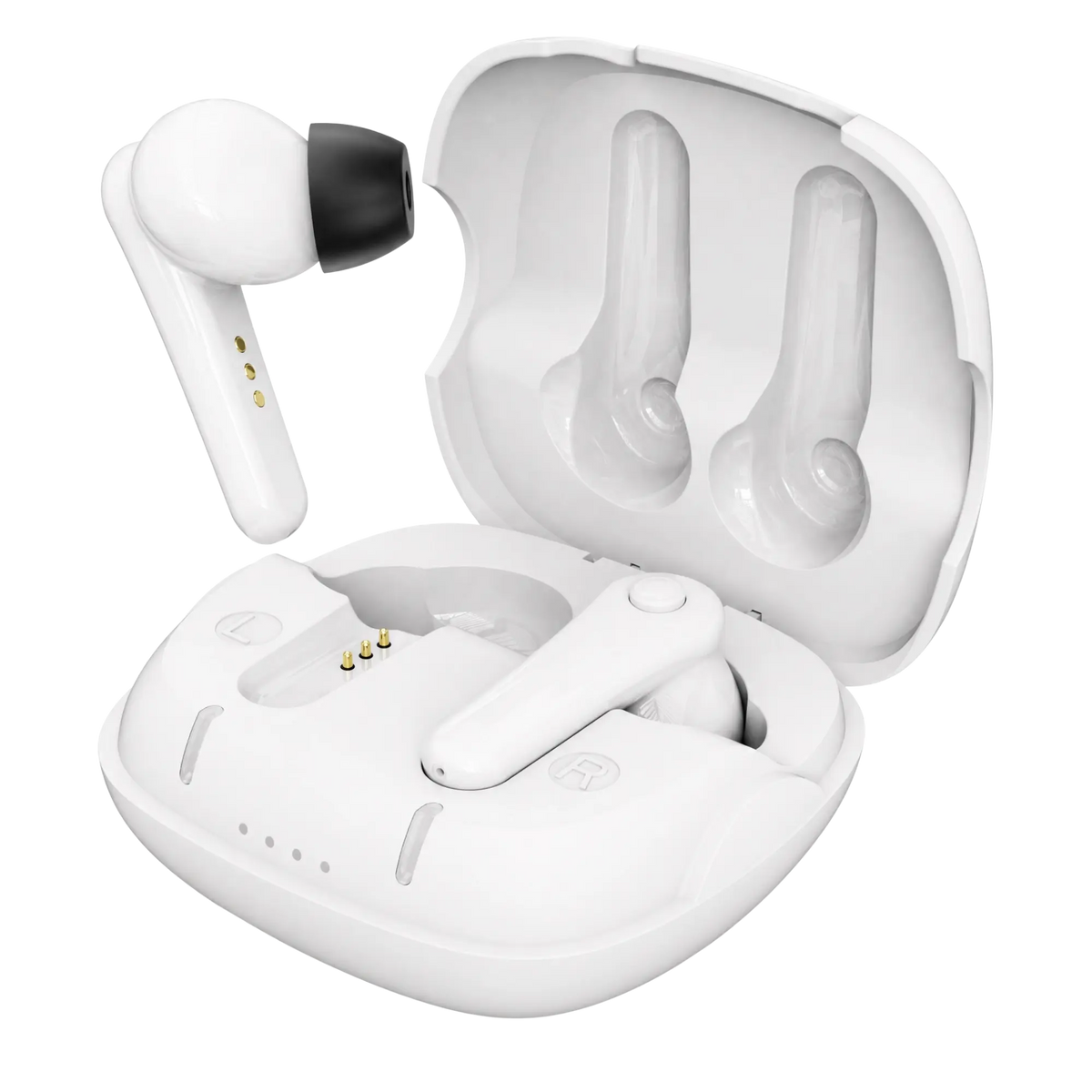
Panda Air speglar den designfilosofin: en modern, självinställande receptfri hörapparat i hörlursformat som är redo att användas direkt vid leverans, med bearbetning i 16 kanaler, adaptiv brusreducering i flera frekvensband och ett snabbladdande laddningsetui som ger 60 timmars användning. En valfri app kan göra en hörselkontroll i örat och ställa in hörapparaten efter din hörselprofil, men Air fungerar direkt ur förpackningen utan appen eller testet, så det finns inget obligatoriskt inställningssteg att fastna på. En provperiod på 45 dagar från den dag den kommer fram ger dig utrymme att bestämma dig hemma i stället för i en klinikkorridor.
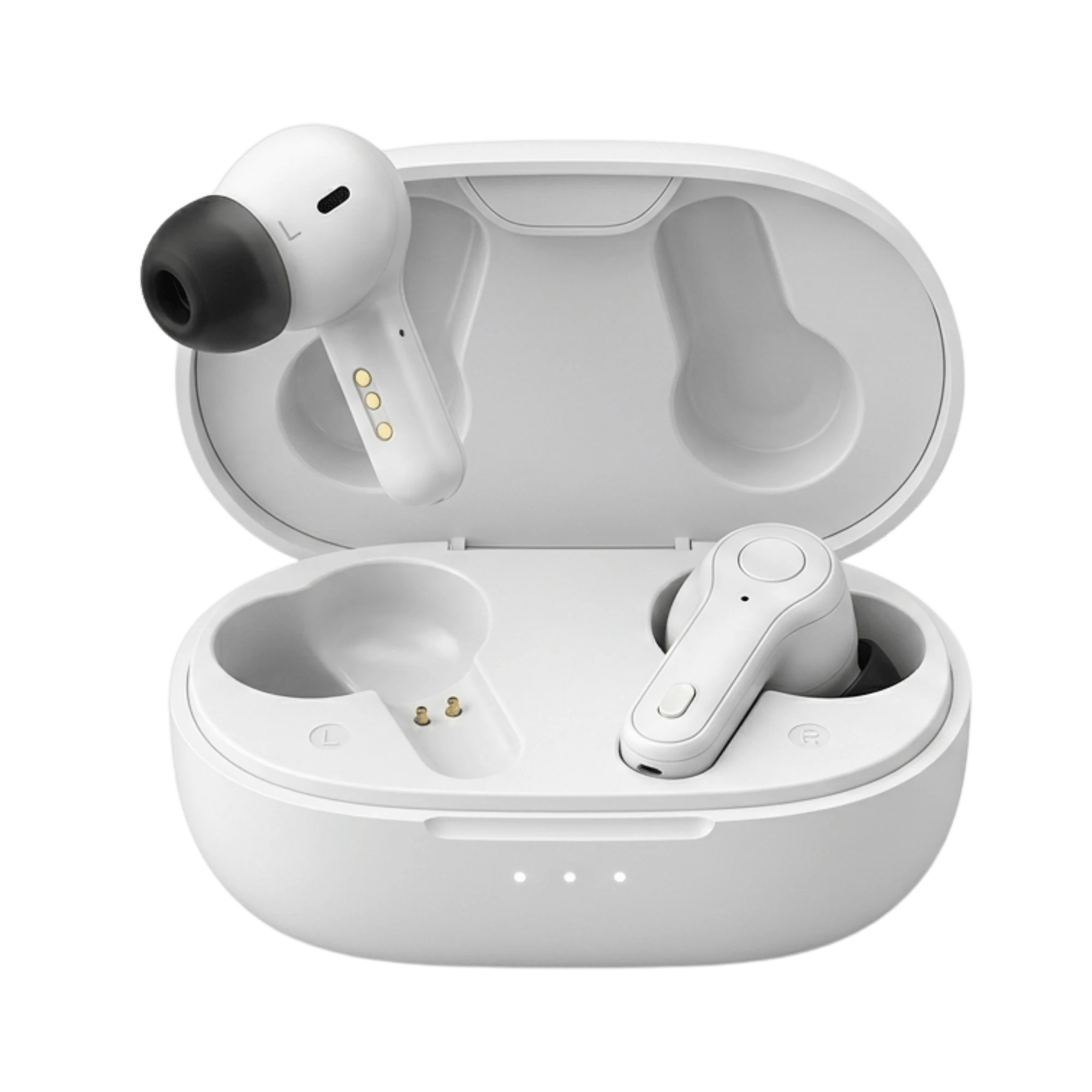
Gränsen är dock viktig: receptfria hörapparater (OTC) är godkända för lätt till måttlig hörselnedsättning. Vuxna i den här översikten, med en hörselnedsättning som är så svår att de är aktuella för implantat, har fortfarande mest nytta av den kliniska vårdkedjan, och det är just därför översiktens uppmaning att göra den vägen smidigare är viktig.
Studiens begränsningar
Som kartläggande översikt kartlägger studien evidensen i stället för att slå samman den statistiskt, så den kan inte säga hur stor varje källa till bortfall är, bara var den har dokumenterats. De 17 inkluderade studierna definierade bortfall på olika sätt, kom mestadels från hälso- och sjukvårdssystem i höginkomstländer och lämnade viktiga skeden (särskilt från operation till aktivering och långtidsuppföljning) nästan helt outforskade. Författarna lyfter fram dessa luckor som prioriteringar för framtida forskning snarare än som fastställda slutsatser.
Var står vi nu?
Översikten ersätter bilden av den tveksamma patienten med något mer korrekt och mer åtgärdbart: en lång vårdkedja som läcker vid varje fog. Människor bestämmer sig inte helt enkelt för att avstå från hörselbehandling; de går förlorade, steg för steg, genom uteblivna remisser, växande praktiska hinder och tilltagande tvivel. Att sätta namn på dessa steg är första steget mot att täta dem, oavsett om det handlar om bättre remissrutiner i primärvården, effektivare utredningar inför implantat eller kortare vägar till behandling för dem vars hörselnedsättning inte kräver operation alls.
Ayas M, Muzaffar J, AlAmadi A, AlShamsi A, Bance ML. Attrition Across the Adult Cochlear Implant Care Pathway: A Scoping Review of Stage-Specific Disengagement. Otology & Neurotology. 2026. Hämtad från PubMed. https://doi.org/10.1097/MAO.0000000000005050