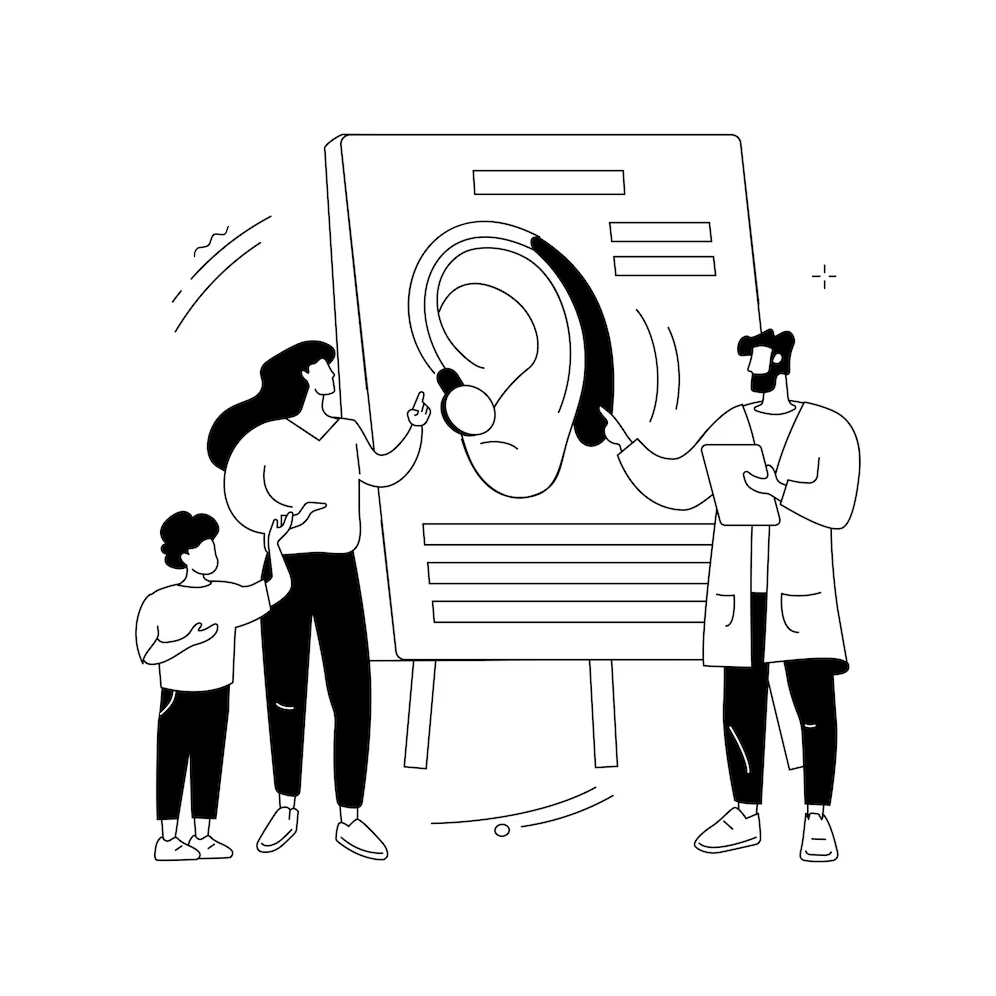
A clinical study from a German university hospital reports that nearly half of hearing-device users experience frequent sweating in the head area, and that targeted botulinum toxin injections relieved symptoms in every patient who received the treatment.
Most discussion of hearing aid problems centers on sound quality, fit, or feedback. A less-discussed issue is what happens when the skin beneath or around the device sweats. For some users, that sweat is a daily annoyance. For others, it causes skin irritation, drains batteries faster, and can interfere with how the device functions.
Researchers at University Medical Center Göttingen in Germany decided to put numbers on this issue and to test whether intracutaneous botulinum toxin A injections could help the most affected patients. The result is one of the first systematic clinical looks at sweat as a hearing-device problem.
About This Study
Title: Botulinum toxin reduces sweat-related problems for hearing aid users, a clinical study (translated from German)
Authors: Shabnam Shahpasand, Rainer Laskawi, Jenny Blum, Nicola Strenzke, David Oestreicher, Dirk Beutner
Affiliations: Department of Otorhinolaryngology, University Medical Center Göttingen, Germany
Journal & pub date: Laryngo-Rhino-Otologie, April 23, 2026
Study type: Single-center observational clinical study with a treatment subgroup
PubMed DOI: 10.1055/a-2850-4392
Background: Why the Researchers Looked at This
Hearing aids and implantable hearing systems sit on or in skin that has thousands of sweat glands. In hot weather, during exercise, or for users with naturally high local sweat production (a condition called focal hyperhidrosis), that sweat can pool around the device. The result, anecdotally reported for years, is skin redness or maceration, salt and moisture inside the device housing, and reduced battery life as the electronics work harder against humidity.
Botulinum toxin A, sometimes called BoNT-A, is widely used in dermatology to treat focal hyperhidrosis under the arms and elsewhere. It works by blocking nerve signals to sweat glands. Until now, however, there has been little published clinical data on whether the same approach can solve the specific problem hearing-device users describe.
How the Study Was Done
The researchers ran a single-center observational study at one university hospital. They surveyed 51 patients who used cochlear implants, active middle-ear implants, bone conduction devices, or conventional hearing aids. Each participant filled out a 12-item questionnaire on how often they sweated around their device, what kinds of problems the sweating caused, and whether it interfered with how their hearing system worked.
A subgroup of 6 patients with severe local hyperhidrosis went on to receive intracutaneous BoNT-A injections in the affected area. The team then followed those 6 patients to see whether their symptoms and device problems improved and whether the injections caused any new problems with hearing-device function.
What the Researchers Found
Sweat problems were extremely common. Of the 51 hearing-device users surveyed, 22 (43 percent) said they sweated frequently in the head area, and another 17 (33 percent) reported occasional sweating. Together, more than three out of four users reported some level of sweating around their device.
The downstream consequences were just as common. Local skin problems, such as irritation or rash near the device, were reported by 35 of 51 patients (69 percent). Sixteen patients (31 percent) said the sweating increased how quickly their batteries drained, and another 16 (31 percent) reported reduced wearing comfort or actual interference with how the hearing device worked.
Among the 6 patients who received the BoNT-A treatment, every single one reported clear symptom improvement after the injections. Just as importantly, none of them reported new functional impairment of their hearing device after treatment, suggesting the local injections did not create any new problem in the area where their device sits.
The authors conclude that sweat-related problems in hearing-device users are clinically relevant, often underrecognized, and treatable. Intracutaneous BoNT-A injections in the affected area appear to be effective, safe, and practical for patients with severe local hyperhidrosis around their hearing device.
What It Means for People with Hearing Loss
For everyday users, the most useful piece of information is that sweat-related discomfort and skin irritation around hearing devices is normal, common, and worth bringing up with a clinician. The study suggests that being told "this is just part of wearing a hearing aid" is no longer accurate. There is a documented treatment for the people who need it most.
The data also reframe how device problems should be diagnosed. If a hearing aid is dying faster than expected or sounds intermittently muffled, the cause may not be the device itself. It may be the moist environment around it. That has implications for how users clean and dry their devices and how they think about device choice.
The study population included users of behind-the-ear hearing aids, bone conduction devices, and various implants, which means the issue is not unique to one form factor. Still, where the device sits matters. A device worn behind the outer ear has a different exposure to scalp and skin sweat than one that sits inside the ear canal.
Smaller, Less Visible Devices Have a Smaller Footprint on the Sweaty Outer Ear
The Göttingen study describes problems that cluster where a device touches sweaty skin: the area behind the ear, the scalp, the surface of the outer ear. Devices that sit deep in the ear canal rather than behind or on top of the ear have a different geometry of skin contact, which is one reason some users with chronic moisture issues prefer in-the-canal designs.
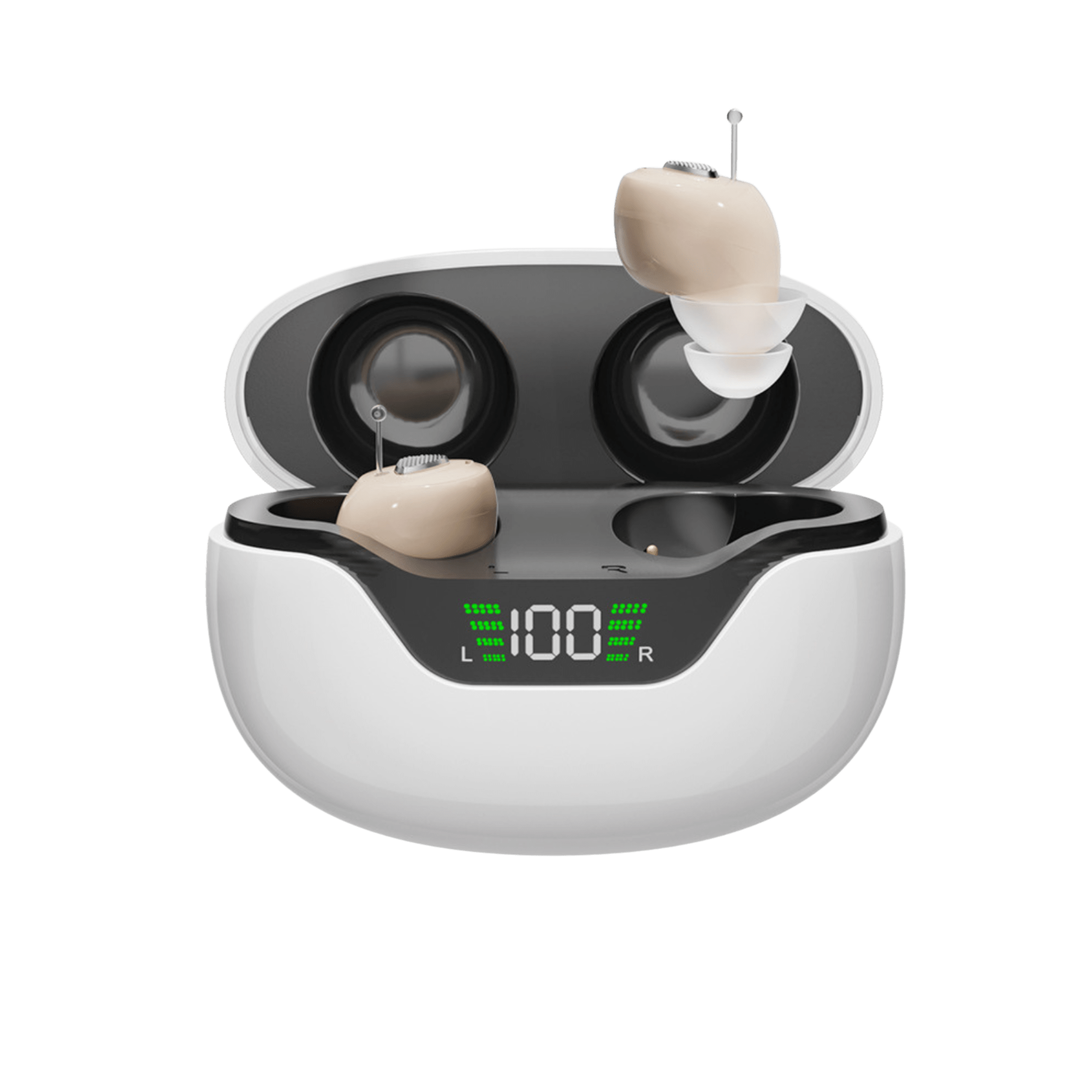
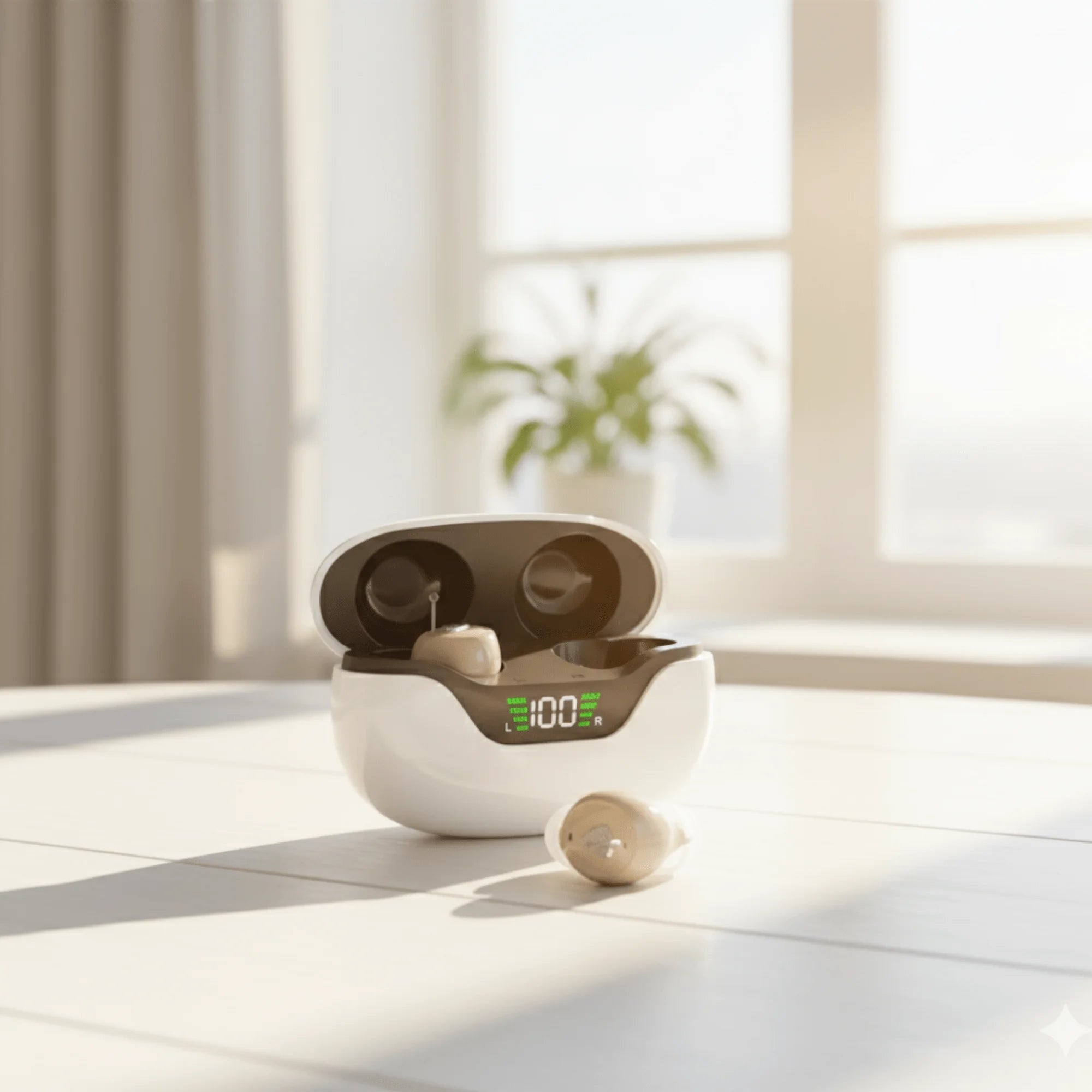
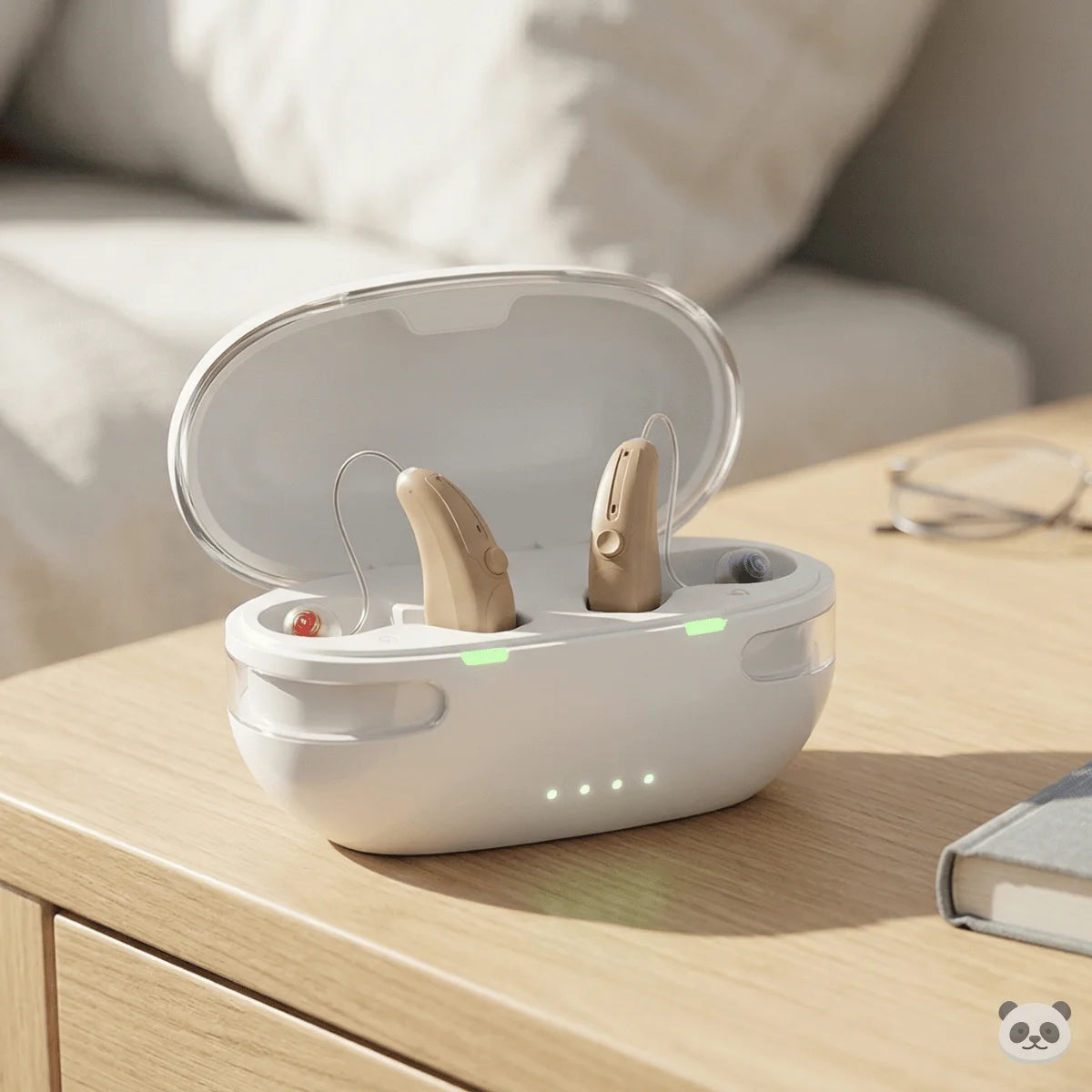
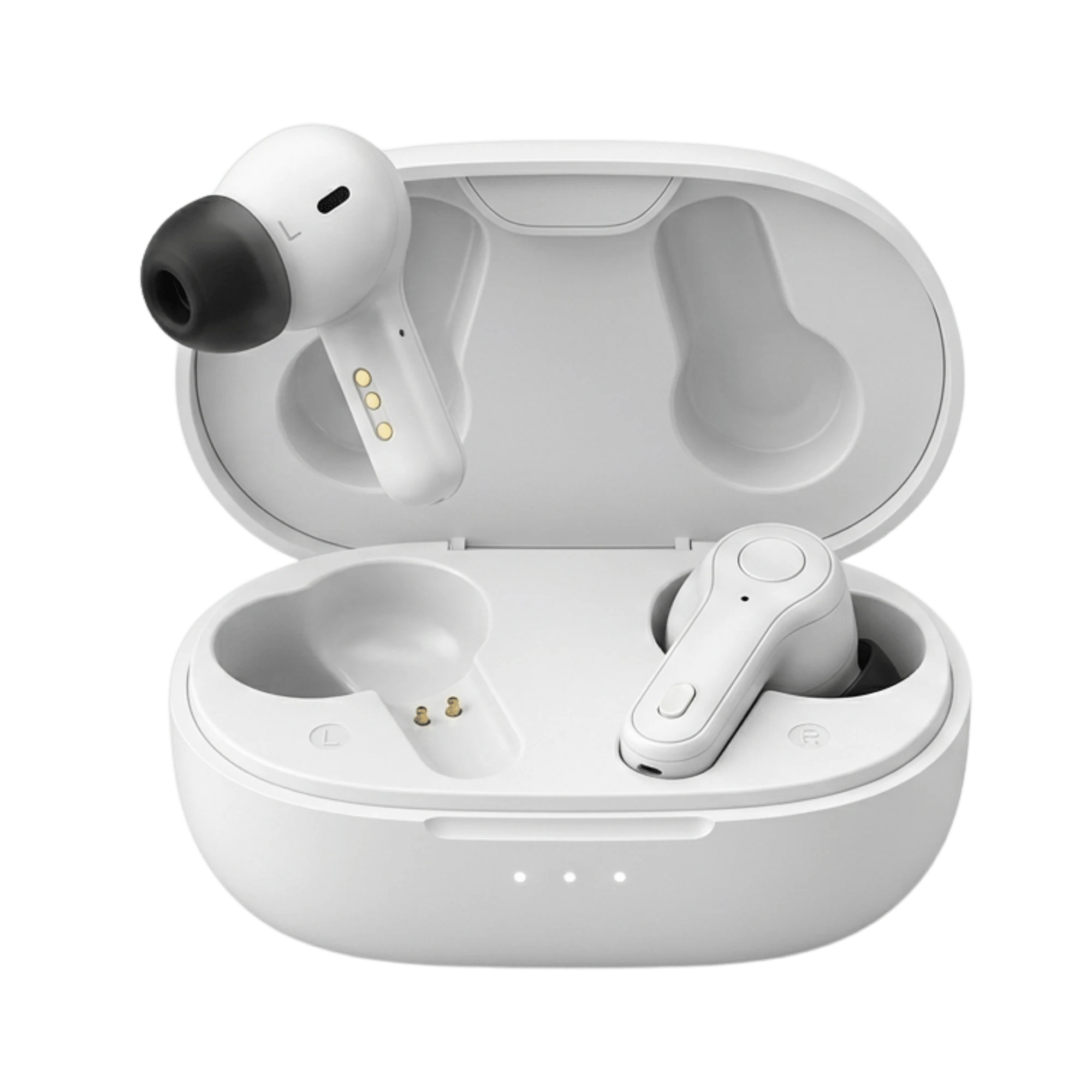
For users prioritizing a discreet form factor, the Panda Stealth is a 2.3-gram invisible in-the-canal hearing aid. Because it sits inside the ear canal rather than over the outer ear or behind it, the visible footprint on sweaty skin is small. Specs include 12-band smart noise reduction, a charging case that doubles as a wireless remote, a 5-year warranty, and a 45-day return window. Note that unlike the Panda Air and Panda Quantum, the Panda Stealth does not include the app-based in-ear hearing test, so users who want guided in-ear self-fitting should look at one of those models instead.

OTC devices are approved for adults with mild to moderate hearing loss. People with severe or profound hearing loss still get the most benefit from a clinical fitting and ongoing audiologist support, and any patient with severe local hyperhidrosis should talk to a clinician about the BoNT-A approach the Göttingen team describes.
Limitations of This Research
The most important caveat is the size of the treatment subgroup. Only 6 patients received BoNT-A, which is enough to suggest the approach is promising and apparently safe in this setting, but not enough to estimate how well it works on average across the broader hearing-aid population. There was also no untreated control group, so the improvement in symptoms cannot be cleanly separated from regression to the mean and from any placebo effect.
Survey-based estimates of how often people sweat are also vulnerable to recall bias and to the wording of the questionnaire. The study was conducted in a single university hospital ENT clinic in Germany, so the population may not represent OTC users, warm-climate users, or community-dwelling adults who never make it into a specialty clinic. Funding sources and conflict of interest details were not summarized in the abstract; readers can review the full publication for those disclosures.
What to Do With This
If you wear hearing aids and sweat is causing skin irritation, faster battery drain, or device dropouts, this study is a reminder that the problem is common and that targeted treatments exist. Talk to your clinician about whether localized treatment, drying routines, or a different device form factor might be a better fit for your day-to-day life.
Shahpasand S, Laskawi R, Blum J, Strenzke N, Oestreicher D, Beutner D. Botulinum toxin reduces sweat-related problems for hearing aid users, a clinical study. Laryngo-Rhino-Otologie. 2026. Retrieved from PubMed. https://doi.org/10.1055/a-2850-4392