How Audiologists Choose Hearing Aid Technology Levels
A new qualitative study from Northwestern University finds that audiologists weigh patient lifestyle, their own clinical habits, device features, and affordability when recommending a hearing aid technology level, and that some clinicians simply recommend premium devices to every patient.
When someone walks into a hearing clinic, one of the biggest decisions made on their behalf is which technology level of hearing aid they should buy. Manufacturers typically sell the same family of devices in several tiers, with higher tiers carrying more processing features and a noticeably higher price. Yet there is surprisingly little published evidence guiding how clinicians should match a patient to a tier.
A research team at Northwestern University set out to examine that gap directly. Rather than testing devices, they studied the decision makers themselves, interviewing practicing audiologists about how they actually arrive at a recommendation.
Title: Hearing Aid Selection by Audiologists: A Qualitative Exploration of Clinical Decision Making
Authors: Rachael Pennock, Amelia Van Pelt, Pamela Souza
Affiliations: Northwestern University, Evanston, Illinois
Journal: American Journal of Audiology, published September 14, 2026
Study type: Qualitative interview study
PubMed DOI: 10.1044/2026_AJA-26-00063
Background: Why the Researchers Looked at This
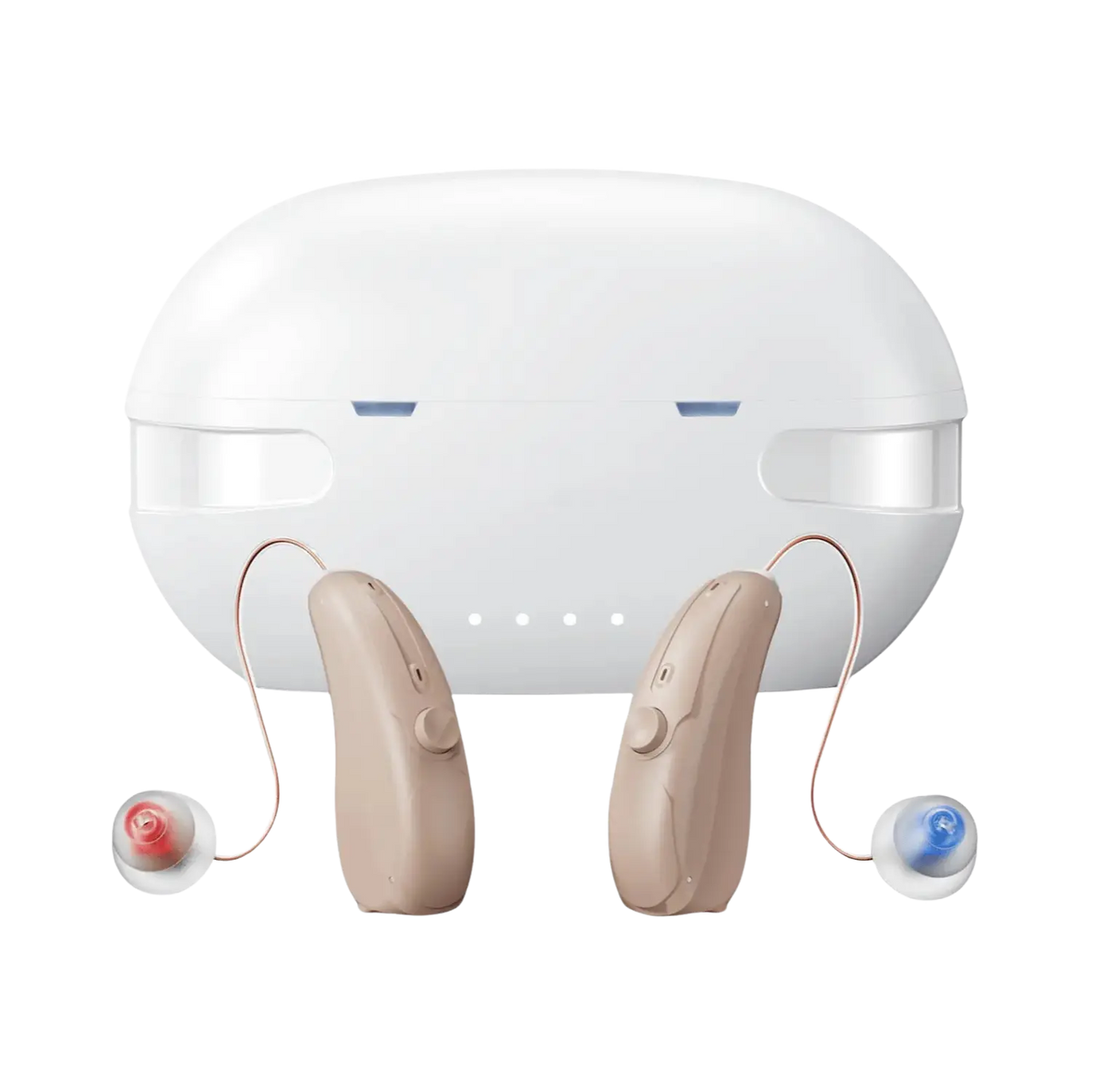
Hearing aid technology levels are a tiered pricing structure. An entry-level device and a premium device from the same manufacturer often share the same physical shell but differ in the number of sound-processing features enabled, such as more aggressive noise management or more automatic program switching. Premium tiers can add hundreds or even thousands of dollars to the final price.
Earlier survey work has suggested that audiologists lean on a patient's auditory lifestyle, meaning how acoustically demanding a person's daily life is, when picking a tier. Someone who mostly watches television at home has different needs from someone who attends busy restaurants and meetings every week. But lifestyle is only one possible input, and there has been little research on what else shapes the recommendation.
The authors wanted a clearer picture of the full decision-making process, because tier recommendations directly affect what patients pay and there are no evidence-based guidelines telling clinicians how to make them.
How the Study Was Done
The researchers conducted semistructured interviews with 10 clinical audiologists. The participants varied in their years of experience and in how many hearing aid patients they saw, which gave the sample a range of clinical perspectives rather than a single practice style.
Interview transcripts were analyzed using qualitative content analysis with an iterative inductive approach. In plain terms, the team read the interviews repeatedly, tagged recurring ideas as codes, and then grouped related codes into broader themes, letting the categories emerge from what the audiologists actually said rather than from a preset checklist.
What the Researchers Found
The analysis produced 18 distinct codes, which condensed into four overarching themes: patient factors, audiologist factors, hearing aid characteristics, and affordability. Within patient factors, auditory lifestyle appeared as a subtheme, confirming that clinicians do think about how demanding a patient's listening environments are.
More striking were the two practice patterns the team identified. Some audiologists varied their technology-level recommendation according to the characteristics of the individual patient. Others followed a very different rule: they recommended premium technology to every patient, regardless of lifestyle or circumstances.
The authors note that the published literature contains both supportive and contrary evidence for each of these patterns. In other words, neither approach is clearly validated, and the field currently lacks the outcome data needed to say whether patients fitted under one pattern do better than patients fitted under the other.
Affordability surfaced as its own standalone theme rather than a footnote. The audiologists interviewed acknowledged that what a patient can pay shapes what gets recommended, a reality that sits uneasily beside the premium-for-everyone pattern.
What It Means for People with Hearing Loss
For consumers, the study is a useful reminder that a hearing aid recommendation is not a purely technical calculation. It reflects the clinician's habits and philosophy as much as the patient's audiogram. Two people with identical hearing test results could walk out of two clinics with very different price tags.
It also empowers patients to ask better questions. If a premium tier is recommended, it is reasonable to ask which specific listening situations in your own life justify the upgrade, and whether a mid-tier device would serve those situations nearly as well.
Finally, the study underscores that cost is a legitimate clinical variable, not an awkward afterthought. Audiologists themselves named affordability as one of the four pillars of the decision, which validates patients who raise price concerns during a fitting appointment.
When Affordability Drives the Hearing Aid Decision
Because this study identifies affordability as a core theme in hearing aid selection, it is worth noting that newer FDA-OTC hearing aids were created specifically to lower that barrier. These devices are approved for adults with mild-to-moderate hearing loss and remove the tiered pricing structure that the interviewed audiologists described navigating.
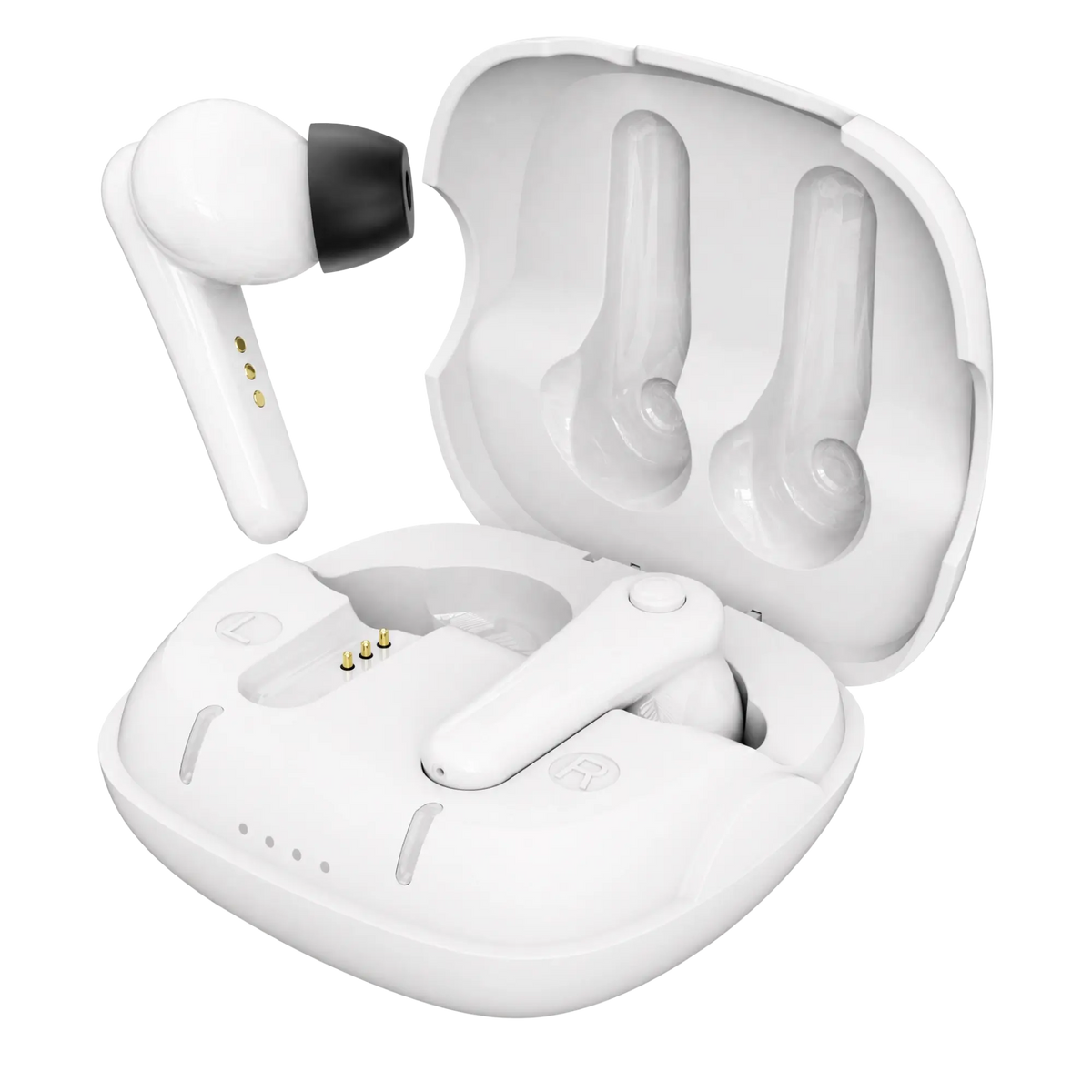
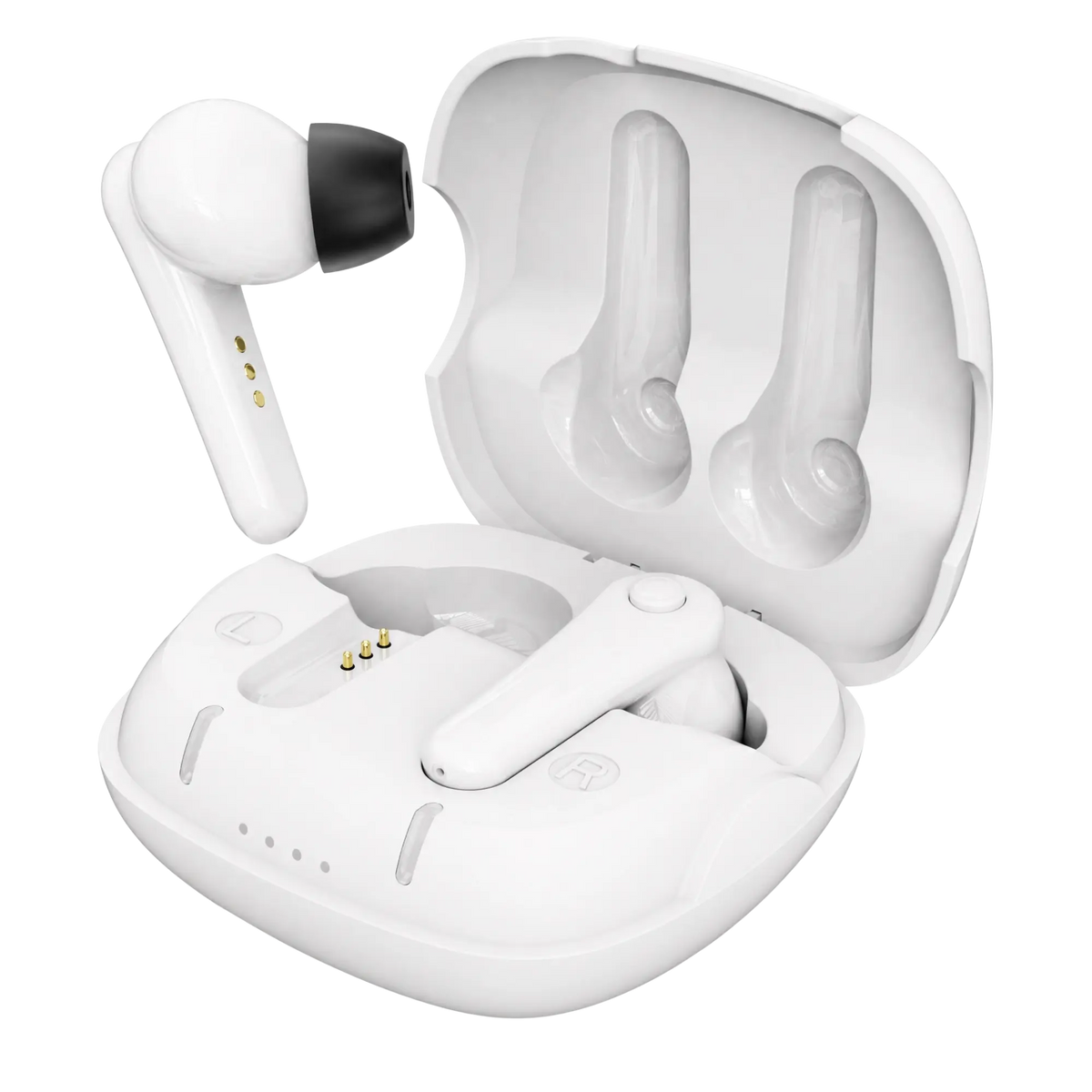
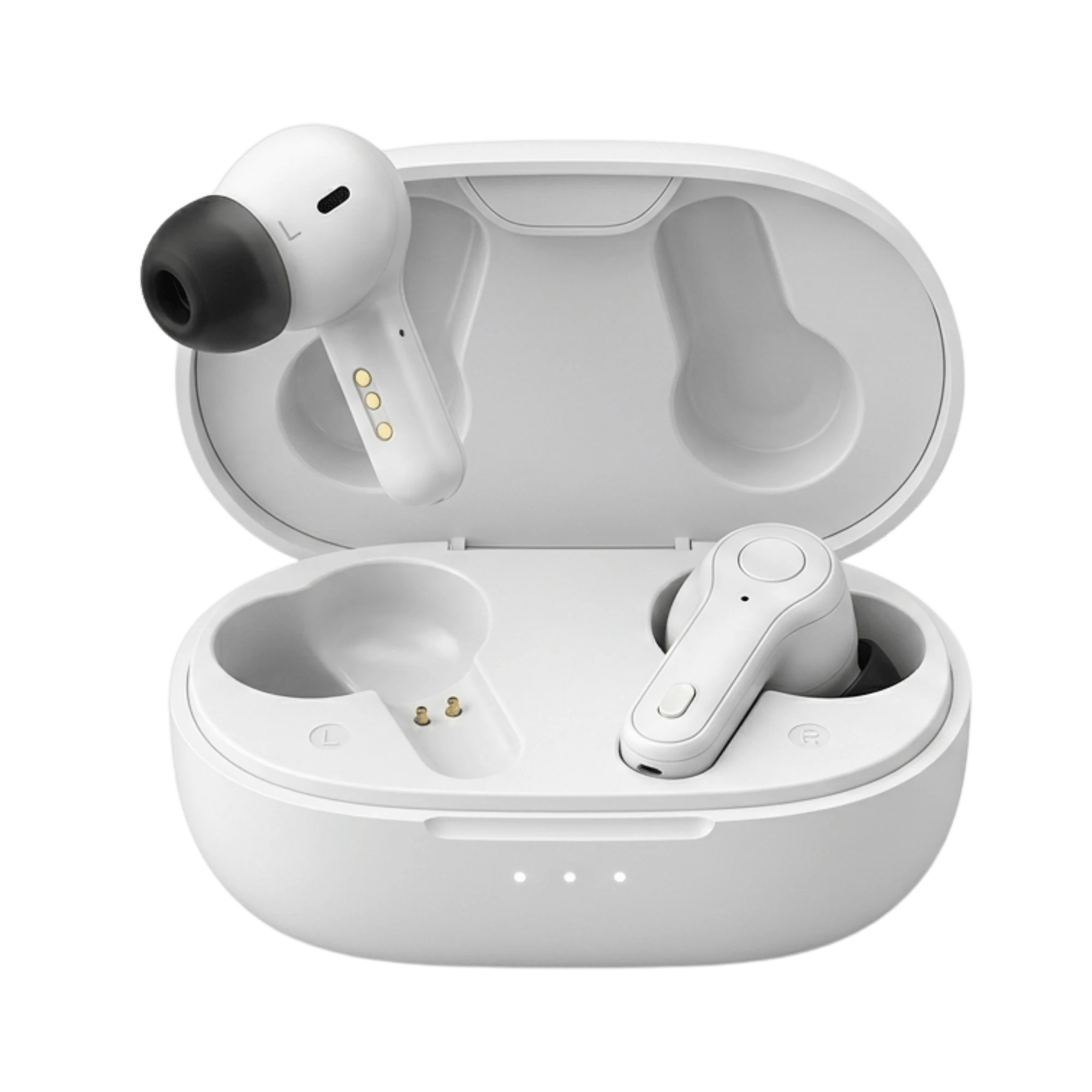
Panda Air is one example of this category, a modern earbud-style device among self-fitting OTC hearing aids. It uses 16-channel wide dynamic range compression with multi-band adaptive noise reduction, and its fast-charge case provides 60 hours of total use, placing it among rechargeable hearing aids with charging case convenience. Bluetooth connectivity covers calls, TV, and music.
The optional Panda app can run a frequency-specific hearing check through the aid itself and personalize gain to the user's hearing profile, though Panda Air also works out of the box without the app or the test. It carries a 5-year warranty and a 45-day trial that starts when the customer receives the product. For severe or profound hearing loss, a clinical fitting with an audiologist remains the best route.
Limitations of This Research
This was a small qualitative study of 10 audiologists, so the themes describe the range of reasoning in this sample rather than how common each practice pattern is across the profession. Interview studies also rely on clinicians accurately describing their own behavior, which may differ from what happens in the exam room.
The authors are transparent about these limits and frame the work as a foundation for future research linking practice patterns to actual patient outcomes, which could eventually support evidence-based fitting guidelines.
Where This Leaves Us
Hearing aid technology selection remains more art than science, shaped by patient lifestyle, clinician habit, device features, and cost. Until outcome studies show which approach serves patients best, the most practical step for anyone shopping for hearing help is to ask how a recommended device, at any price point, maps onto the specific listening situations that matter in their own life.
Pennock R, Van Pelt A, Souza P. Hearing Aid Selection by Audiologists: A Qualitative Exploration of Clinical Decision Making. American Journal of Audiology. 2026. Retrieved from PubMed. https://doi.org/10.1044/2026_AJA-26-00063