Half of Adults Believe Hearing Loss Can Be Cured: What an Awareness Survey Reveals About Delayed Hearing Care
A survey of 506 adults in Saudi Arabia finds that nearly everyone values good hearing, yet more than half hold mistaken beliefs about whether age-related hearing loss can be cured or halted.
Age-related hearing loss, known clinically as presbycusis, is one of the most common chronic conditions of later life worldwide. It develops gradually, which makes it easy to normalize, and by the time family members are repeating themselves in every conversation, years of untreated hearing difficulty may already have passed.
Researchers in Saudi Arabia set out to measure something that is often assumed rather than tested: what the public actually knows and believes about age-related hearing loss. Their setting is especially revealing, because in Saudi Arabia cochlear implantation is provided free through the public health system, yet adult uptake remains very low. When treatment is free and still goes unused, awareness rather than access becomes the prime suspect.
About This Study
Title: Age-Related Hearing Loss: Awareness, Perceptions, and Attitudes Among Adults in Saudi Arabia's Collective Healthcare Context
Authors: Eman A. Hajr, Haifa H. Allahem, Aroob M. Alromih, Amal A. Alghtani, Abdullah Z. Alshalan, Faisal N. Almhesen, Abdulrahman A. Hagr
Affiliations: Imam Mohammad Ibn Saud Islamic University, Riyadh; King Abdullah Ear Specialist Center, King Saud University Medical City, Riyadh
Journal: Audiology Research, published August 6, 2026
Study type: Cross-sectional descriptive survey using the Health Belief Model
PubMed DOI: 10.3390/audiolres16040114
Background: Why the Researchers Looked at This
Awareness of age-related hearing loss has been studied in North America and Europe, but far less in the Middle East. That gap matters because healthcare decisions are made differently in different cultures. The authors describe Saudi Arabia as a collective healthcare context, meaning that family members, especially adult children, play a central role in health decisions for older relatives. If families do not recognize hearing loss as treatable, the older adult may never reach a hearing clinic, regardless of what services exist.
The team framed their questions using the Health Belief Model, a standard theory in public health which holds that people act on a health problem when they believe they are susceptible to it, believe it is serious, and believe that taking action will help. A mistaken belief at any of those points, for instance that hearing loss cures itself, can quietly stop the whole chain.
How the Study Was Done
The researchers adapted a previously validated questionnaire, modified it for the Saudi cultural context, and distributed it electronically to adults aged 18 and over across the country. A total of 506 consenting responses were included in the final analysis.
The survey covered knowledge of what hearing loss is, beliefs about its course and treatability, attitudes toward hearing devices, sources of health information, and what respondents said they would do if they noticed hearing loss themselves. Results were analyzed with descriptive statistics: frequencies, percentages, means, and standard deviations.
What the Researchers Found
The good news first: basic recognition was strong. A large majority, 84.6%, correctly identified hearing loss as a reduction in the ability to hear, and 95.3% said good hearing was personally important to them. Motivation, in other words, is not the missing ingredient.
The knowledge gaps appeared one level deeper. More than half of respondents, 53.8%, believed hearing loss can be cured, and 50.4% believed its progression can be halted. Neither is true of age-related hearing loss, which is permanent and managed rather than reversed. Perhaps most striking, 34.2% believed cochlear implants benefit children exclusively, a myth with direct consequences in a country where adult implantation is free but rarely taken up.
Behavior followed the same pattern. Doctors and the internet were the main sources of medical information, yet 39.3% of respondents reported no preventive healthcare visits at all, and 23.9% had never sought any information about hearing problems. When asked what they would do if they developed hearing loss, 75.3% said they would consult an ear, nose, and throat specialist, a reassuring intention that the visit data suggests often goes unrealized.
What It Means for People with Hearing Loss
The study's central lesson travels well beyond Saudi Arabia: the bottleneck in hearing care is often not desire or even access, but accurate knowledge. People who believe hearing loss will cure itself have a perfectly logical reason to wait, and waiting is exactly what the evidence says costs them, since untreated hearing difficulty accumulates social and emotional weight over years.
The authors call for culturally adapted awareness campaigns aimed not only at older adults but at their families, who in collective healthcare cultures are frequently the ones who decide whether a hearing problem becomes a hearing appointment. For readers anywhere, the practical translation is to treat persistent hearing difficulty as a health matter worth acting on now, not a natural inconvenience to be absorbed.
Shrinking the Distance Between Knowing and Acting
Because this study points to the gap between good intentions and follow-through, options that lower the number of steps between noticing a problem and treating it have a role to play. FDA-OTC hearing aids were created for exactly that purpose, letting adults with mild to moderate hearing loss start treatment without waiting on referrals and clinic schedules.
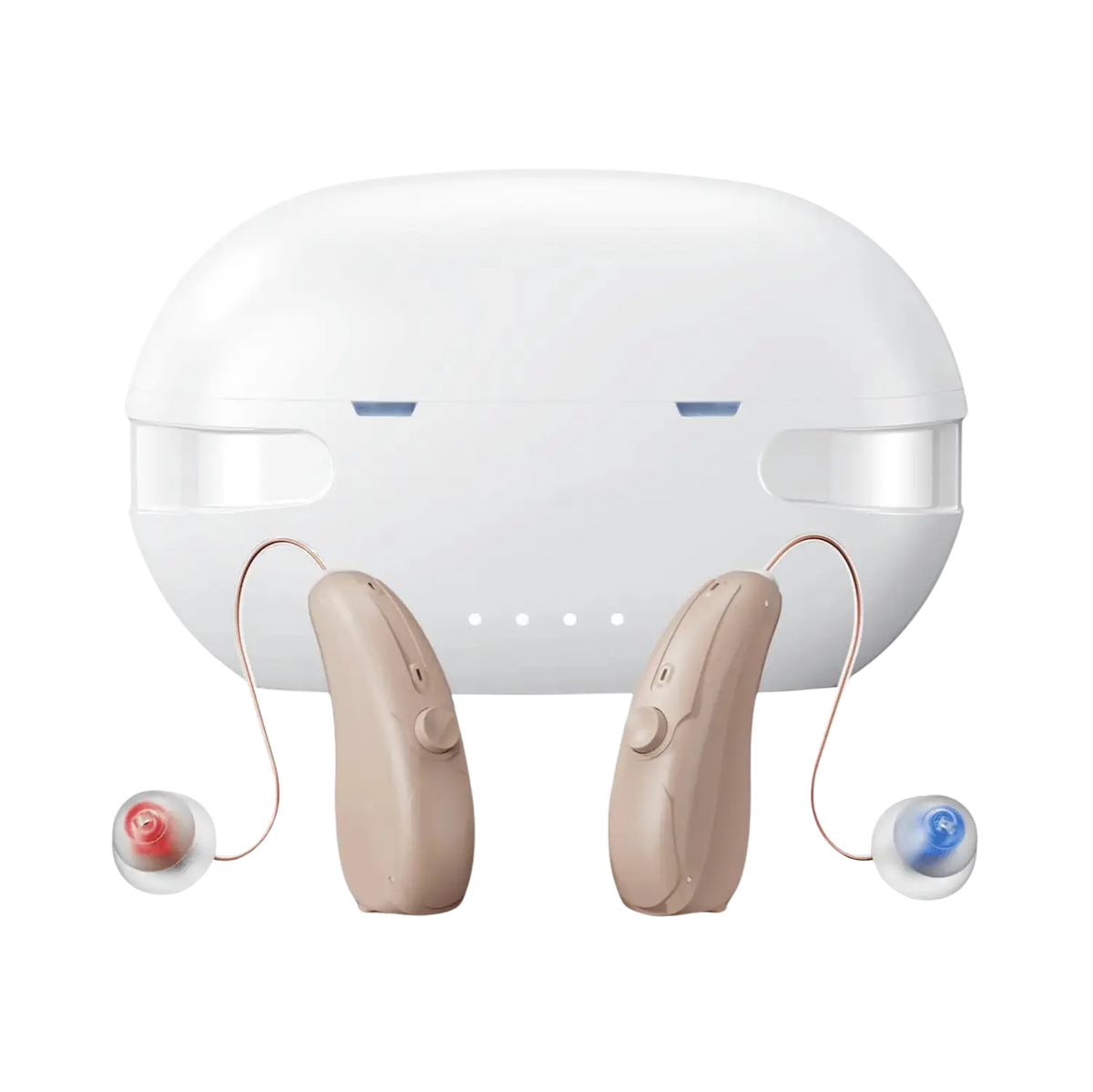
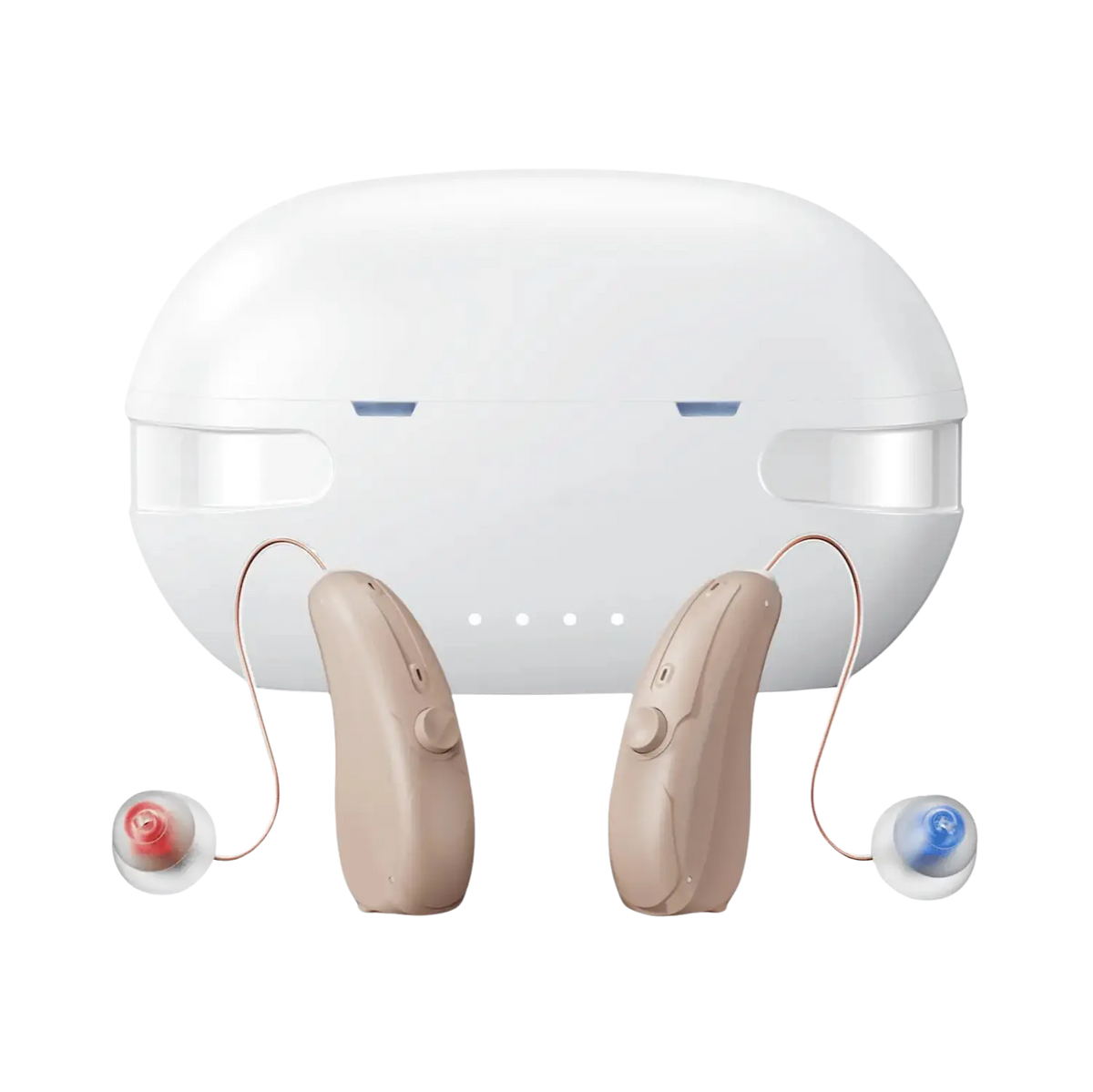
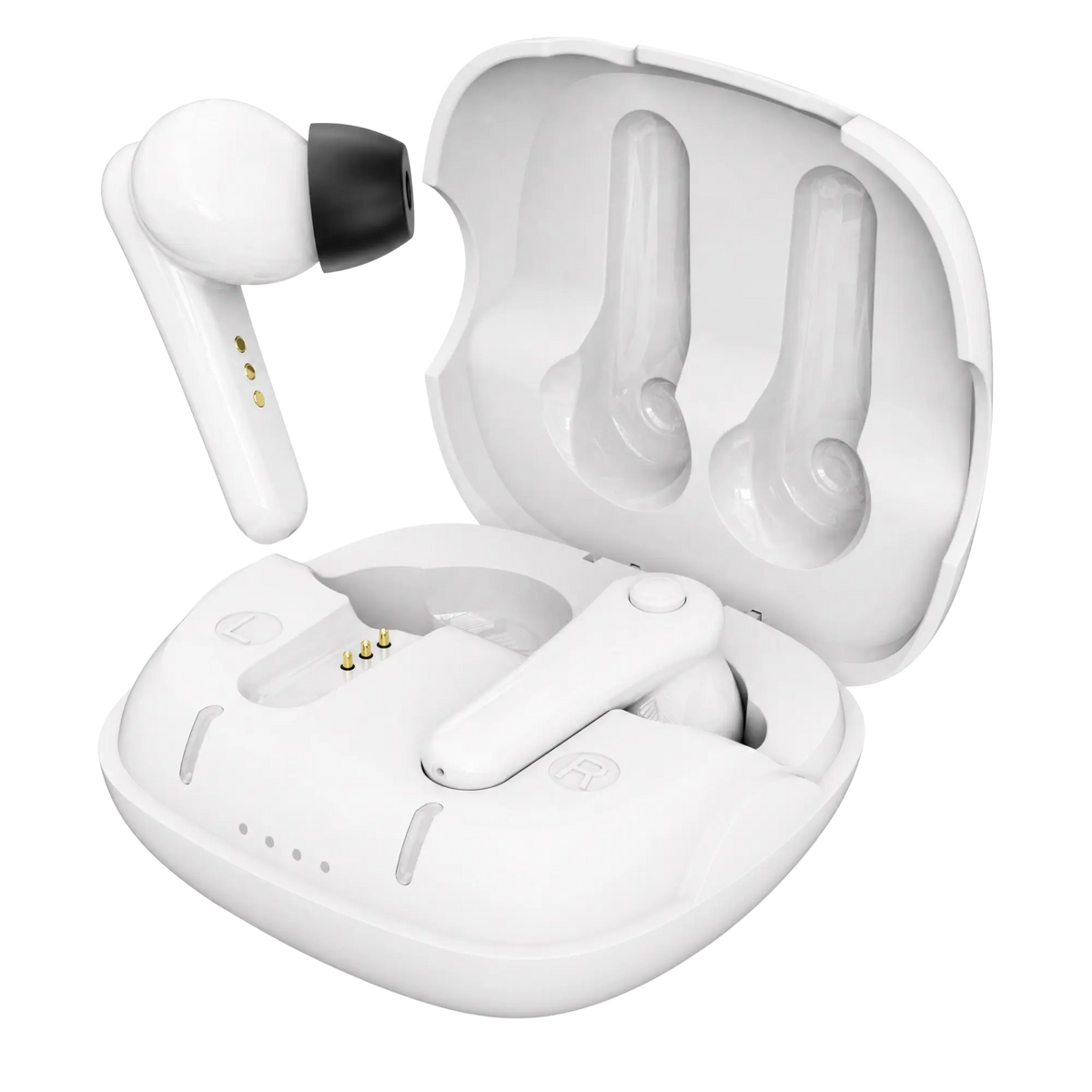
Panda Air is one such device, sitting among modern earbud-style hearing aids and self-fitting OTC hearing aids. It uses 16-channel sound processing with multi-band adaptive noise reduction, streams calls, TV, and music over Bluetooth, and its fast-charge case provides 60 hours of total listening, in the tradition of rechargeable hearing aids with charging case convenience. An optional app can run an in-ear hearing test and tune the sound to the user's hearing profile, though Air works out of the box without the app or the test. It carries a 5-year warranty and a 45-day trial that begins when the device arrives.
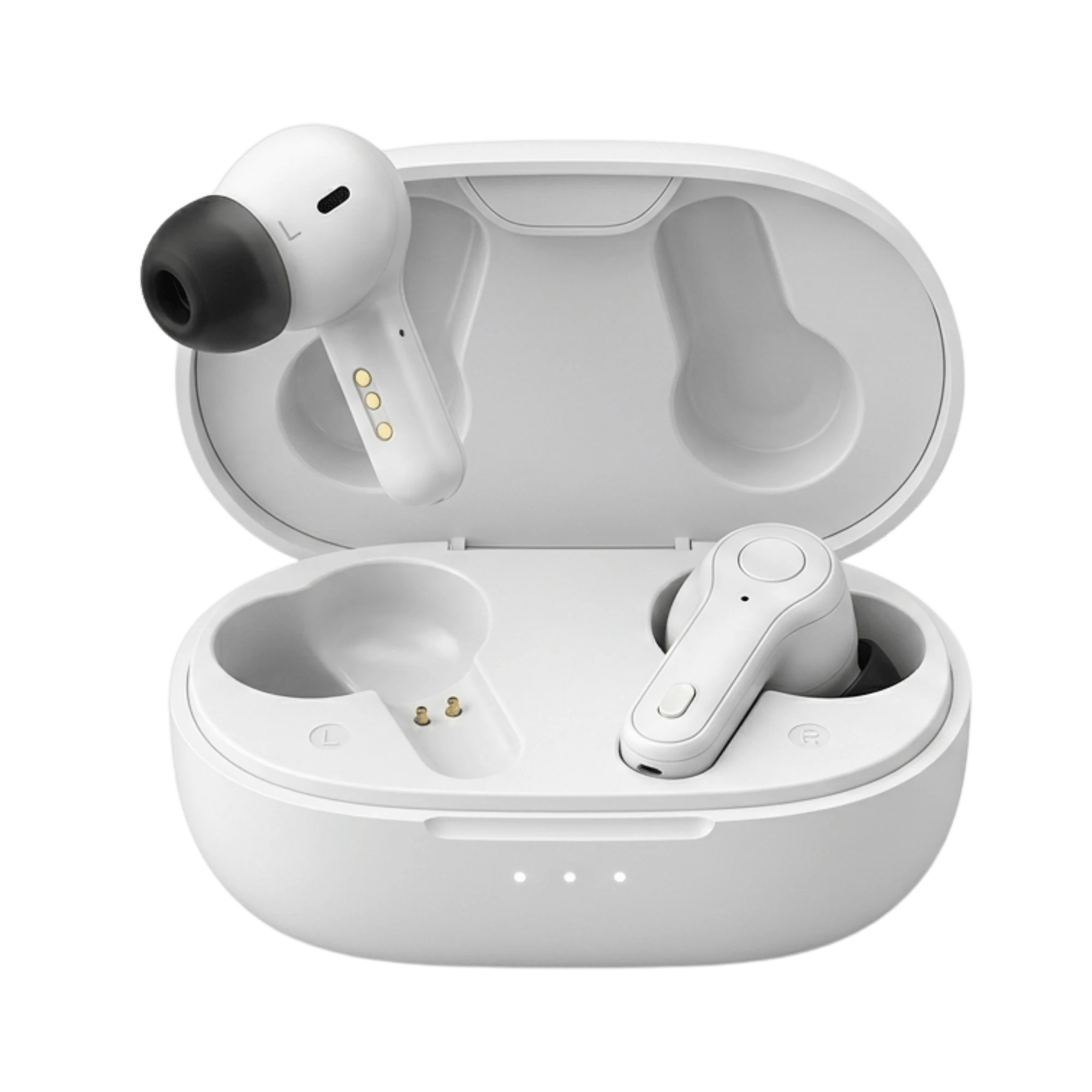
The boundary is worth repeating: the OTC category serves mild to moderate hearing loss. Severe or profound loss, and any sudden change in hearing, still belongs with clinical care first.
Limitations of This Research
This was a cross-sectional survey distributed electronically, so it captures self-reported beliefs at one moment in time and likely over-represents adults who are online and comfortable with questionnaires. Intentions reported in a survey, such as the 75.3% who said they would see a specialist, do not always predict behavior. The findings describe Saudi Arabia specifically, and while the authors argue they apply to comparable collective healthcare societies, generalization elsewhere should be cautious. Funding and conflict-of-interest details are not described in the abstract.
What to Do With This
If someone in your family has been turning up the television and retreating from group conversation, this study suggests the most useful thing you can offer is accurate information: age-related hearing loss does not cure itself, it is highly manageable, and effective options exist for adults at every level of severity. The sooner the conversation happens, the less there is to recover.
Hajr EA, Allahem HH, Alromih AM, Alghtani AA, Alshalan AZ, Almhesen FN, Hagr AA. Age-Related Hearing Loss: Awareness, Perceptions, and Attitudes Among Adults in Saudi Arabia's Collective Healthcare Context. Audiology Research. 2026;16(4):114. Retrieved from PubMed. https://doi.org/10.3390/audiolres16040114