Hearing Loss and Social Understanding: What a New Meta-Analysis of 292 Children Found
A meta-analysis of 13 studies finds children with hearing loss score lower on tests of social understanding, underscoring how access to language shapes development.
Understanding that other people have their own thoughts, and that those thoughts can be mistaken, is one of the quiet milestones of childhood. Psychologists call it false belief understanding, and it underpins everything from playground negotiation to reading a novel.
A research team in Greece has now pooled the available evidence on how deaf and hard of hearing children who use hearing devices perform on these tasks compared with typically hearing peers. The pattern they found says as much about language access as it does about hearing itself.
Title: False Belief Understanding in Deaf and Hard of Hearing Children: Systematic Review With Meta-Analysis
Authors: Vaia Thomaidou, Konstantinos I. Bougioukas, Panagiota Peleka, Panagiota Metallidou
Affiliations: School of Psychology, Aristotle University of Thessaloniki, Greece
Journal: Journal of Speech, Language, and Hearing Research, published August 14, 2026
Study type: Systematic review with meta-analysis
PubMed DOI: 10.1044/2026_JSLHR-25-00753
Background: Why the Researchers Looked at This
False belief tasks test a child's grasp of what researchers call theory of mind. In a classic version, a child watches a character hide a toy, sees the toy moved while the character is away, and is asked where the character will look for it. Answering correctly requires understanding that the character holds a belief that no longer matches reality.
Decades of research suggest this skill develops largely through everyday conversation: overheard disagreements, talk about feelings, stories about why people do things. Children with reduced hearing often get less of that incidental language exposure, especially in the early years before a hearing device is fitted, which has led researchers to ask whether their theory of mind development follows a different timetable.
Individual studies on the question have been small and their methods varied, with some using verbal storytelling tasks and others using nonverbal measures such as tracking where a child looks. A meta-analysis, which statistically combines results across studies, offered a way to see the overall picture.
How the Study Was Done
The authors systematically searched the literature for studies comparing false belief performance in deaf and hard of hearing children who use cochlear implants or hearing aids against typically hearing peers. Thirteen studies met their criteria, covering 292 children ranging from roughly 2 to 14 years of age.
They then ran a multilevel random effects meta-analysis, a statistical approach suited to combining studies that differ in design, followed by metaregression to test whether factors such as age, age at hearing loss onset, type of hearing device, type of task, and response method changed the results.
What the Researchers Found
Across the pooled studies, deaf and hard of hearing children scored significantly lower on false belief tasks than typically hearing peers. The overall effect size was substantial, at -0.854 with a 95 percent confidence interval from -1.110 to -0.599 and a p value below .001. In practical terms, the average child with hearing loss in these samples performed well below the average typically hearing child on these measures.
The gap appeared whether children used cochlear implants or hearing aids. That detail matters: the devices restore access to sound, but they do not by themselves replace the years of rich conversational exposure through which social understanding typically grows.
One nuance emerged around how the tasks were administered. When researchers used implicit tasks that track a child's eye gaze rather than requiring a verbal answer, children with hearing devices showed signs of sensitivity to others' beliefs that standard verbal tasks may miss. The authors suggest that task demands and response methods can meaningfully influence how these children's abilities are measured.
Taken together, the results support a long standing conclusion in developmental science: language experience plays an essential role in building false belief understanding, and reduced access to language, not deafness itself, appears to be the driving factor behind the gap.
What It Means for People with Hearing Loss
For families, the message is not that hearing devices fall short, but that access to conversation is the active ingredient. Early fitting, consistent device use, and a home rich in talk, whether spoken or signed, give children the raw material from which social understanding is built. The eye gaze findings also offer reassurance that some of these abilities may be present even when a verbal task fails to reveal them.
The principle extends across the lifespan. Hearing connects people to the everyday exchange of thoughts, intentions, and feelings, and when hearing fades, that social stream thins out. It is one reason untreated hearing loss in adults is consistently linked with social withdrawal and isolation in the research literature.
Staying in the Conversation: Lowering the Barriers to Hearing Access
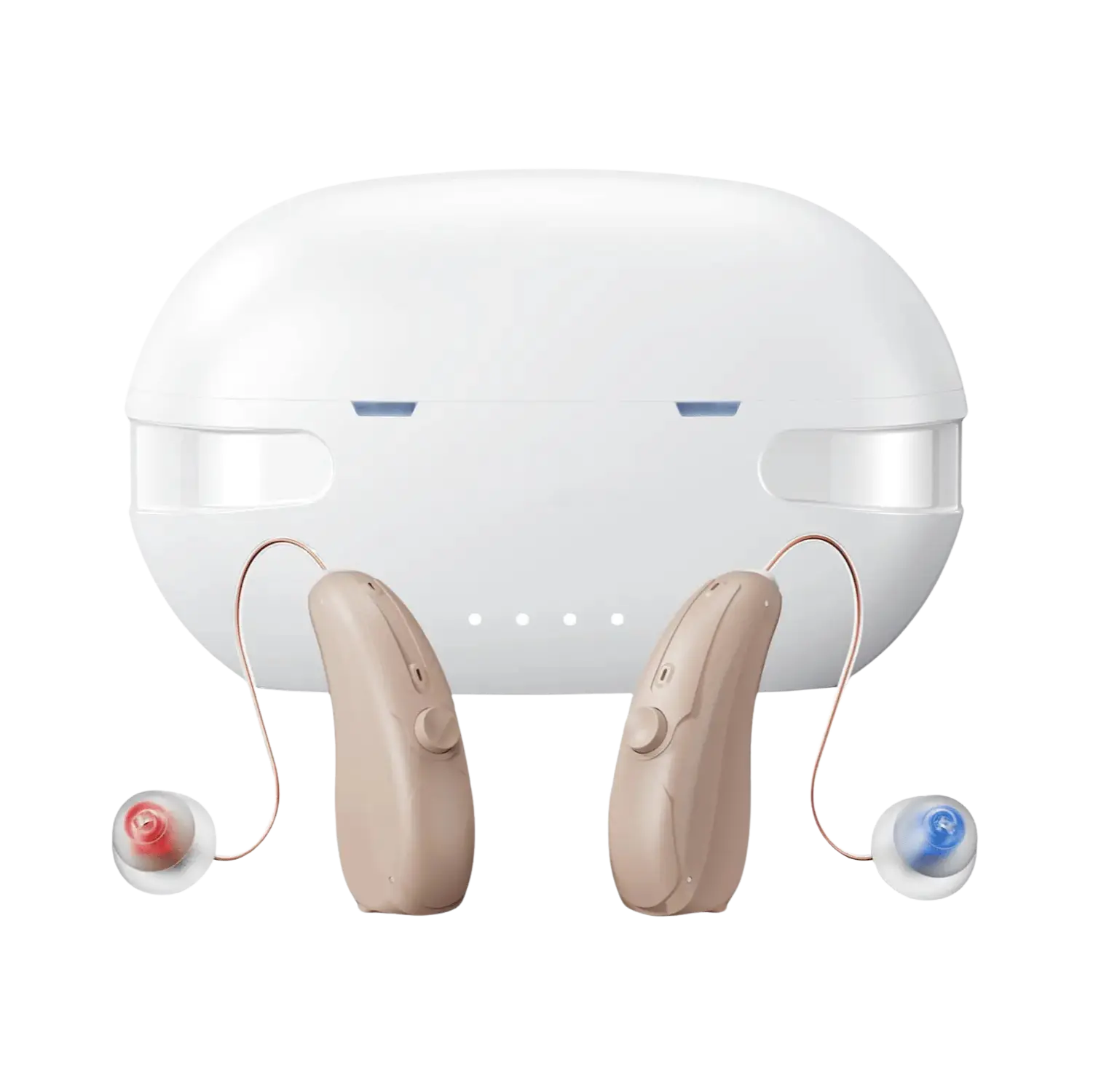
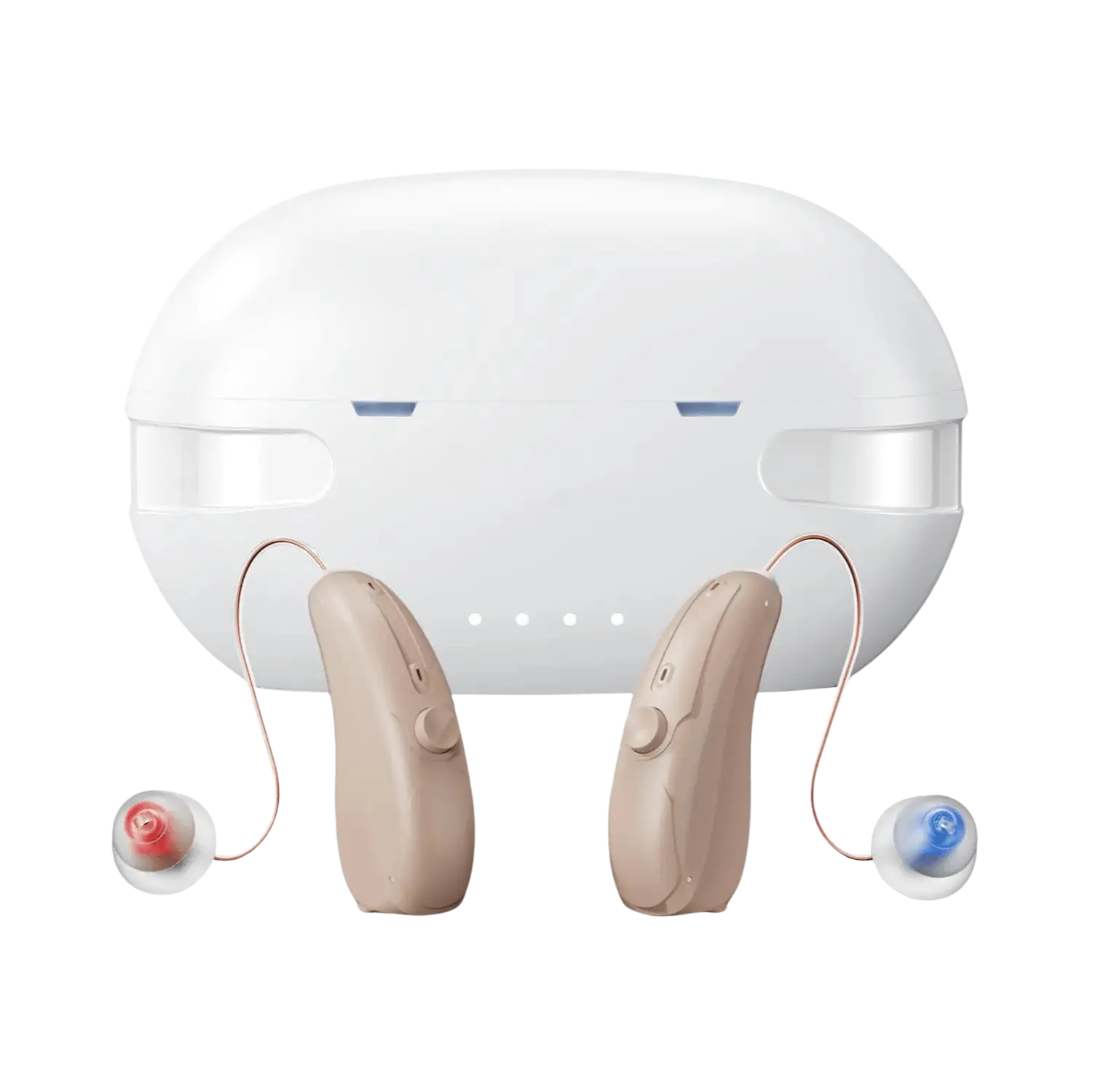
This meta-analysis is ultimately a study about access: when sound and conversation are harder to reach, development follows a harder road. Children with hearing loss need professional pediatric care, but for adults with mild to moderate hearing loss, one of the most stubborn access barriers has simply been the cost and complexity of getting a device. Newer FDA-OTC hearing aids are designed to lower that barrier.
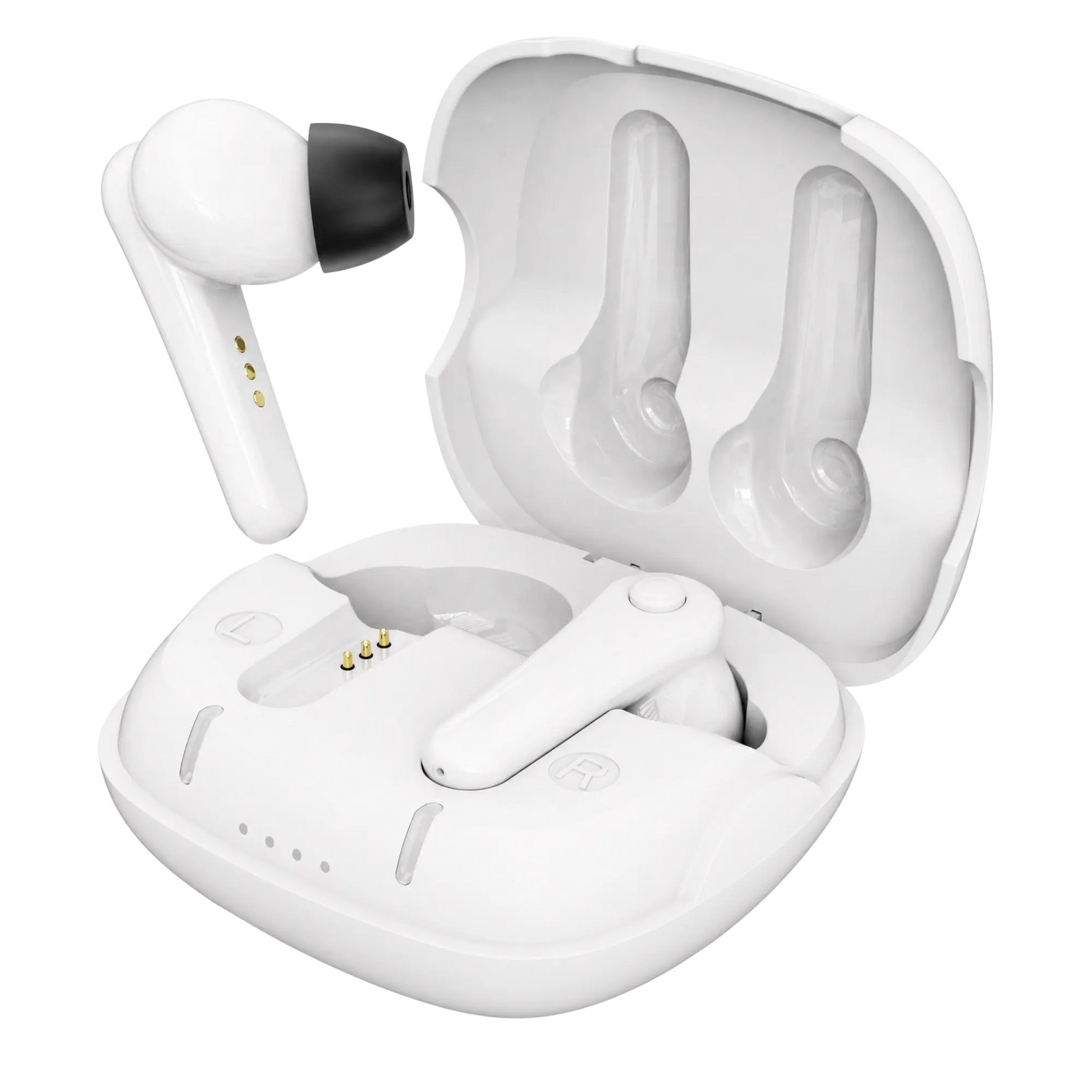
The Panda Air is one such device, a modern earbud-style hearing aid with 16-channel processing and multi-band adaptive noise reduction, plus Bluetooth for calls, TV, and music. As a self-fitting OTC hearing aid, it offers an optional app with an in-ear hearing test that can tune amplification to your hearing profile, and it also works straight out of the box without the app or the test.
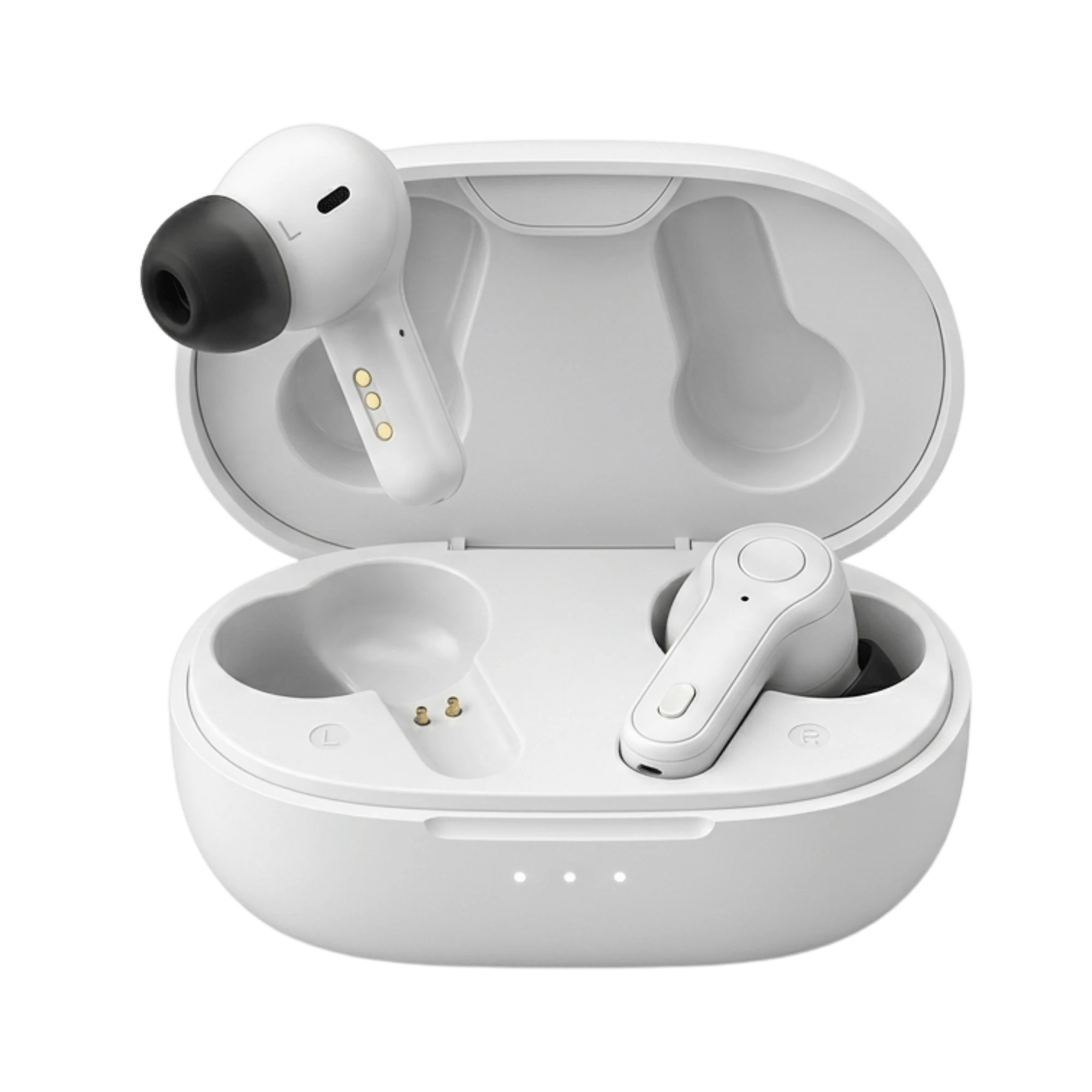
Its fast-charge case provides 60 hours of total listening time, and the device carries a 5-year warranty with a 45-day trial that begins when it arrives. As with all OTC hearing aids, Air is intended for adults with mild to moderate hearing loss; severe or profound loss still benefits most from a clinical fitting. Details are at pandahearing.com.
Limitations of This Research
The pooled sample of 292 children across 13 studies is modest, and the underlying studies varied widely in children's ages, device experience, language environments, and task formats. Meta-analytic averages can obscure that variation: some children with hearing devices perform on par with hearing peers, particularly those with early access to rich language. The analysis also cannot establish causation, and most included tasks were designed around spoken language, which may underestimate the abilities of children who sign.
What to Do With This
The takeaway from this meta-analysis is less about deficit than about ingredients. Social understanding grows out of conversation, and children and adults alike need reliable access to it. For families of children with hearing loss, that argues for early support and language-rich homes; for adults noticing their own hearing decline, it is a reminder that staying connected to conversation is worth acting on rather than putting off.
Thomaidou V, Bougioukas KI, Peleka P, Metallidou P. False Belief Understanding in Deaf and Hard of Hearing Children: Systematic Review With Meta-Analysis. Journal of Speech, Language, and Hearing Research. 2026. Retrieved from PubMed. https://doi.org/10.1044/2026_JSLHR-25-00753