Brasils gratis høreapparatprogram taper millioner på ineffektivitet, viser studie
En ny gjennomgang av Brasils nasjonale høreapparatprogram viser at høye utskiftingsrater og svak datastyring kan koste millioner av dollar i året – penger som i stedet kunne finansiert titusenvis av ekstra tilpasninger.
Høreapparater er fortsatt utenfor rekkevidde for en stor andel av dem som trenger dem, og hvordan myndighetene organiserer og finansierer hørselsomsorgen, har direkte betydning for hvem som faktisk får hjelp. Brasil driver et av verdens største offentlig finansierte høreapparatprogrammer, som tilbyr apparater, øreformstykker, audiologisk testing og oppfølgende behandling gratis gjennom det offentlige helsevesenet, kjent som SUS.
En forskergruppe ved University of São Paulo har nå sett nærmere på hvor effektivt dette systemet fungerer. Gjennomgangen deres, publisert i International Archives of Otorhinolaryngology, kombinerer 17 år med nasjonale importdata med driftsdata fra et akkreditert tilpasningssenter, og bildet den tegner, er av en raus ordning som svekkes av mangler i styring og tilsyn.
Tittel: Public Hearing Aid Policies in Brazil: Operational Gaps, Replacement Costs, and Data Governance in the Unified Health System (SUS)
Forfattere: Ricardo Ferreira Bento, Mara Edwirges Rocha Gândara, Silvio Pires Penteado
Institusjon: Department of Otorhinolaryngology, School of Medicine, Universidade de São Paulo, Brazil
Tidsskrift: International Archives of Otorhinolaryngology, september 2026
Studietype: Gjennomgang med modellering av kostnadsscenarioer
Referanse: DOI: 10.1055/a-2858-5997 (PubMed)
Bakgrunn: hvorfor forskerne så på dette
SUS er Brasils skattefinansierte nasjonale helsevesen, og hørselsprogrammet dekker hele forløpet fra otologisk utredning til selve høreapparatene. Apparatene deles ut gjennom et nettverk av godkjente sentre over hele landet. Det systemet mangler, ifølge forfatterne, er en sentral statlig instans med ansvar for å forvalte disse ressursene, så hvert godkjente senter i stor grad driver på egen hånd.
Samtidig kommer høreapparatene i programmet fra kommersielle leverandører – uavhengige distributører eller datterselskaper av produsenter – med insentiver formet av lønnsomhetsmål og nøkkeltall. Forskerne ville finne ut om denne kombinasjonen av desentralisert styring og kommersielt drevet forsyning skapte ineffektivitet, og i så fall hvor stor den kunne være.
Slik ble studien gjennomført
Teamet samlet nasjonale data for 2008 til og med 2024 fra to offentlige kilder: Brasils sekretariat for utenrikshandel (COMEX/MDIC), som registrerer import av høreapparater, og DATASUS, helsevesenets IT-avdeling, som registrerer offentlig utlevering.
Deretter koblet de disse nasjonale tallene med driftsdata fra Reouvir, et ledende tilpasningssenter akkreditert av SUS, for å modellere kostnadsscenarioer. Den viktigste spaken i simuleringene var utskiftingsraten, altså hvor ofte allerede utleverte apparater byttes ut i stedet for at nye pasienter får tilpasning. Ved å variere denne raten anslo de hvor mye penger eller kapasitet systemet kunne hente tilbake gjennom bedre styring.
Dette fant forskerne
I studieperioden sto saker fra SUS i gjennomsnitt for 49.9 prosent av alle høreapparater som ble importert til Brasil, omtrent 3.48 millioner enheter til en verdi av rundt 437 millioner amerikanske dollar. Med andre ord er det offentlige programmet den største enkeltaktøren i det brasilianske høreapparatmarkedet.
Funnene om effektivitet var slående. Utskiftingsratene oversteg 70 prosent i enkelte scenarioer, noe forfatterne tolker som et tegn på ineffektivitet i hvordan apparatene spores, vedlikeholdes og deles ut på nytt.
Simuleringene tyder på at det står mye på spill. Å redusere utskiftingsratene med bare 5 til 20 prosent kunne gi årlige besparelser på 1.23 til 5.15 millioner amerikanske dollar. Sagt på en annen måte kunne de samme pengene i stedet finansiere 9,780 til 41,026 nye tilpasninger hvert år – høreapparater til titusenvis av mennesker som i dag venter på behandling.
Forfatterne peker også på en strukturell ubalanse: Fordi SUS mangler resultatoppfølging, får leverandørene mulighet til å forme markedet etter sine egne interesser i stedet for programmets.
Hva det betyr for personer med hørselstap
Hovedlærdommen er at tilgang til hørselsomsorg ikke bare handler om hvor mye penger et system bruker, men om hvor godt det forvalter det det allerede kjøper. Brasils program er godt utformet på papiret, men svak datastyring ser ut til i det stille å lede ressurser bort fra nye pasienter.
Denne lærdommen gjelder langt utover Brasil. Helsesystemer overalt møter økende etterspørsel etter hørselsomsorg i takt med at befolkningen eldes, og studien tyder på at bedre digital journalføring og resultatoppfølging er blant de billigste måtene å utvide tilgangen på – uten behov for ny finansiering.
Når høreapparatkostnader belaster systemene, betyr rimeligere veier mye
Denne studien handler til syvende og sist om en kostnadsbarriere: Selv et gratis nasjonalt program sliter med å nå alle når hvert apparat har en høy pris og administrative kostnader. I USA har ett politisk svar på kostnadsbarrieren vært opprettelsen av OTC-høreapparater i samsvar med FDAs krav, en kategori laget slik at voksne med opplevd lett til moderat hørselstap kan skaffe seg kvalitetsapparater uten kostnaden ved den tradisjonelle kliniske kanalen.
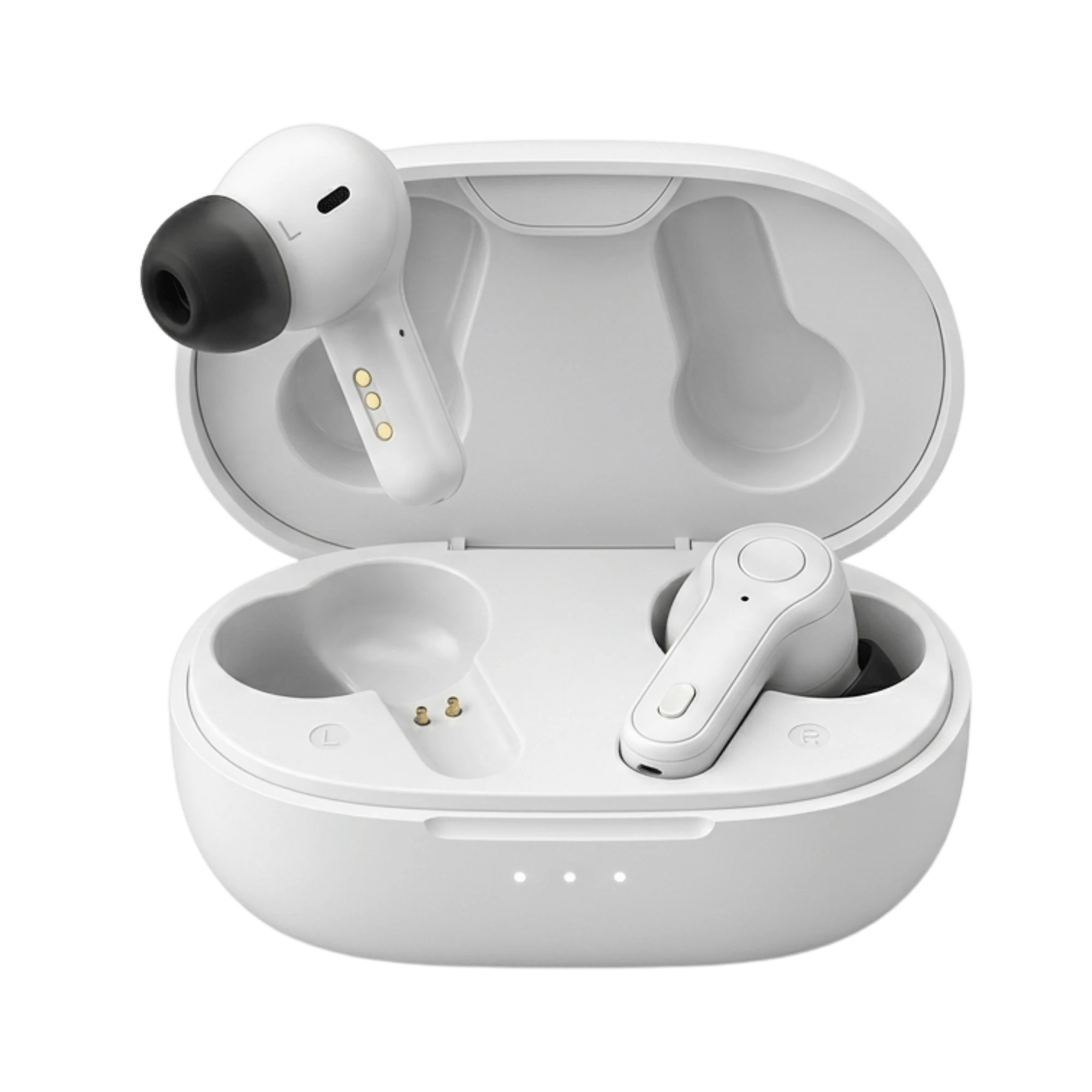
Panda Air er ett eksempel på denne rimeligere veien. Det er et moderne høreapparat i øreproppdesign med 16-kanals WDRC-prosessering og adaptiv støyreduksjon i flere bånd, solgt som et selvtilpassende OTC-høreapparat med et hurtigladeetui som gir til sammen 60 timers bruk. En valgfri app kan kjøre en frekvensspesifikk hørselstest gjennom selve høreapparatet og tilpasse forsterkningen til brukerens profil, men Air fungerer også rett ut av esken uten appen. Det leveres med 5 års garanti og 45 dagers prøveperiode som starter når produktet kommer.
Ett ærlig forbehold gjelder på begge sider av denne sammenligningen: OTC-apparater er godkjent for lett til moderat hørselstap, og personer med alvorlig eller dypt hørselstap har fortsatt størst nytte av klinisk tilpasning av den typen som programmer som SUS tilbyr.
Begrensninger ved denne forskningen
Dette er en gjennomgang som bygger på importstatistikk, offentlige databaser og driftsdata fra ett enkelt akkreditert senter, så scenarioene for utskiftingsrate er modellerte anslag og ikke direkte reviderte tall. Funnene beskriver det brasilianske systemet og kan ikke uten videre overføres til land med andre innkjøpsstrukturer. Sammendraget oppgir ingen finansieringskilde, men forfatterne trekker frem interessekonflikten mellom profittdrevne leverandører og offentlige innkjøpere som et sentralt tema i selve analysen.
Hvor står vi nå?
For beslutningstakere er budskapet at datastyring er en del av infrastrukturen i hørselsomsorgen, like viktig som selve apparatene. For enkeltpersoner er studien en påminnelse om at prisen på og forvaltningen av høreapparater avgjør hvem som får høre, og at presset for mer effektive og rimeligere veier til hørselshjelp øker over hele verden.
Bento RF, Gândara MER, Penteado SP. Public Hearing Aid Policies in Brazil: Operational Gaps, Replacement Costs, and Data Governance in the Unified Health System (SUS). International Archives of Otorhinolaryngology. 2026. Hentet fra PubMed. https://doi.org/10.1055/a-2858-5997