스마트폰은 어디에나 있지만 청력 선별 검사는 그렇지 않습니다: 격차 해소에 관해 이해관계자 1,055명이 말하는 것
교사, 지역사회 보건 요원, 부모 1,000명 이상을 대상으로 한 설문조사에서 난청에 대한 인식은 거의 보편적이었지만 81%는 선별 검사 도구를 한 번도 사용해 본 적이 없어, 아는 것과 실천하는 것 사이의 큰 격차가 드러났습니다.
청력 선별 검사는 의학에서 가장 저렴하고 빠른 건강 검진 중 하나이지만, 세계 많은 지역에서 좀처럼 시행되지 않습니다. 장비는 많은 가정이 한 번도 찾지 않는 클리닉에 있고, 장비를 다룰 줄 아는 전문 인력은 가장 필요한 곳에 부족합니다.
모바일 헬스 기술은 사람들이 이미 가지고 있는 스마트폰에서 선별 검사를 할 수 있게 함으로써 이러한 병목을 우회할 방법을 제시합니다. All India Institute of Speech and Hearing의 새로운 연구는 흔히 간과되는 질문을 던집니다. 실제로 이러한 선별 검사를 수행할 사람들은 이 기술이 현장에서 제대로 작동하려면 무엇이 필요할까요?
제목: Designing a user-centered mHealth screening system for children in low-resource settings: A multi-stakeholder implementation study
저자: Saransh Jain, Sourabh Ramakrishna, Thejaswini Madan, Gagan
소속: Department of Prevention of Communication Disorders and Department of Audiology, All India Institute of Speech and Hearing, 인도 카르나타카주 마이수루
학술지: International Journal of Medical Informatics, 2026년 9월 1일 게재
연구 유형: 실행 중심 단면 설문조사(참여자 1,055명)
PubMed DOI: 10.1016/j.ijmedinf.2026.106705
배경: 연구진이 이 주제를 살펴본 이유
발견되지 않은 소아 난청은 말하기, 언어, 학습 발달을 지연시킬 수 있으며, 그 영향은 시간이 지날수록 누적됩니다. 자원이 부족한 환경에서는 정식 청각학 서비스를 이용하기 어려운 경우가 많아, 학교와 지역사회 기반의 선별 검사가 조기 발견을 위한 가장 현실적인 방법입니다. 모바일 기기를 통해 제공되는 건강 도구인 mHealth 시스템은 이러한 역량을 교사, 지역사회 요원, 부모의 손에 쥐여 줄 수 있습니다.
하지만 보건 기술은 기술 개발 단계가 아니라 실행 단계에서 실패하는 경우가 흔합니다. 아무도 갖고 있지 않은 헤드폰이나, 이용할 수 없는 안정적인 인터넷, 누구도 낼 수 없는 20분의 시간을 요구하는 선별 검사 앱은 실험실에서 아무리 정확하더라도 사용되지 않을 것입니다.
이에 연구진은 시스템을 구축하기 전에 사용자 요구 사항, 사용성에 대한 기대, 현실적인 제약을 파악하고자, 시스템을 실제로 운영하게 될 세 집단인 교사, Anganwadi 요원(인도의 일선 지역사회 보육 요원), 3~10세 아동의 부모를 대상으로 설문조사를 실시했습니다.
연구 방법
연구팀은 교사 364명, Anganwadi 요원 350명, 부모 또는 보호자 341명 등 이해관계자 1,055명을 대상으로 설문조사를 실시했습니다. 구조화된 설문지는 디지털 인프라, 난청에 대한 인식, 운영 업무 흐름, 사용 준비도, 실행 가능성 제약, 신뢰와 업무량, 설계 요구 사항 등 7가지 실행 영역을 다루었습니다.
응답은 카이제곱 검정을 사용해 세 집단 간에 비교했으며, 연구진은 다변량 로지스틱 회귀 분석을 활용해 어떤 요인이 시스템 사용 의향을 독립적으로 예측하는지 파악하여, 실제 동인과 단지 함께 나타나는 요인을 구분했습니다.
연구 결과
인프라는 대체로 갖춰져 있었습니다. 응답자의 96.7%가 스마트폰을 사용했고 76.5%는 매일 사용했습니다. 눈에 띄는 예외는 오디오 장비였는데, 이어폰이나 헤드폰을 이용할 수 있는 사람은 19.6%에 불과해 전화로 진행하는 모든 청력 검사에 심각한 제약이 되었습니다.
인식은 문제가 아니었습니다. 응답자의 무려 91.6%가 소아 난청에 대해 알고 있었지만, 81.0%는 어떤 선별 검사 도구도 사용해 본 적이 없었습니다. 저자들은 이를 '인식-실천 격차'라고 부릅니다. 사람들은 위험을 이해하고 있지만 이를 확인할 실질적인 수단이 없다는 것입니다.
시스템 사용 의향은 전체적으로 68.3%에 달했으며, 78.9%는 판단 근거가 설명된다면 AI 지원 결과를 신뢰하겠다고 답했습니다. 장벽은 기술적인 것이 아니라 인적인 것이었습니다. 77.4%가 시간 제약을, 80.9%가 업무량 증가를 우려했습니다. 응답자들은 6~10분 길이의 선별 검사, 1~3단계의 업무 흐름, 다양한 형식의 안내, 오프라인 기능을 원했습니다.
회귀 분석에서 교사는 Anganwadi 요원에 비해 시스템 사용 의향이 있을 가능성이 약 두 배였으며(오즈비 2.10), 이전에 선별 검사 경험이 있는 사람들도 사용 의향이 더 높았습니다(오즈비 1.90). 주목할 점은 보정 후 인프라 변수들이 유의성을 잃었다는 것으로, 이는 준비도가 기기 보유 여부보다는 역할, 사전 준비, 이전 경험에 더 좌우된다는 것을 시사합니다.
난청이 있는 분들에게 주는 의미
이 연구의 핵심 교훈은 인도 농촌 지역을 훨씬 넘어 적용됩니다. 청력 관리가 실패하는 이유는 인식 부족보다 간단하고 수고가 적게 드는 실천 방법이 없기 때문이라는 것입니다. 청력을 확인하는 데 특수 장비, 이동, 진료 예약이 필요하다면, 위험에 대해 얼마나 알고 있든 대부분의 사람들은 첫걸음을 내딛지 않습니다.
이 연구는 또한 사람들이 청력 기술에서 실제로 원하는 것이 무엇인지 보여 줍니다. 이미 가지고 있는 기기에서 작동하고, 이해하고 신뢰할 수 있는 결과를 제공하는, 짧고 안내가 있으며 단계가 적은 과정입니다. 이러한 선호에 맞춰 설계된 시스템은 사용되고, 임상 관행에 맞춰 설계된 시스템은 방치됩니다. 이 원칙은 학교 선별 검사 프로그램뿐 아니라 청력 검사를 미루고 있는 성인에게도 똑같이 적용됩니다.
인식과 실천 사이의 거리 좁히기
이 연구가 소아 선별 검사에서 기록한 인식-실천 격차는 성인에게서도 익숙한 모습으로 나타납니다. 청력에 어려움이 있는 성인 대부분은 무언가 잘못되었다는 것을 알고 나서도 한참 뒤에야 조치를 취하는데, 기존 경로가 클리닉, 진료 예약, 비용을 거쳐야 하기 때문입니다. FDA-OTC 보청기는 경도~중등도 난청이 있는 성인을 위해 이 경로를 단축하고자 만들어졌습니다.
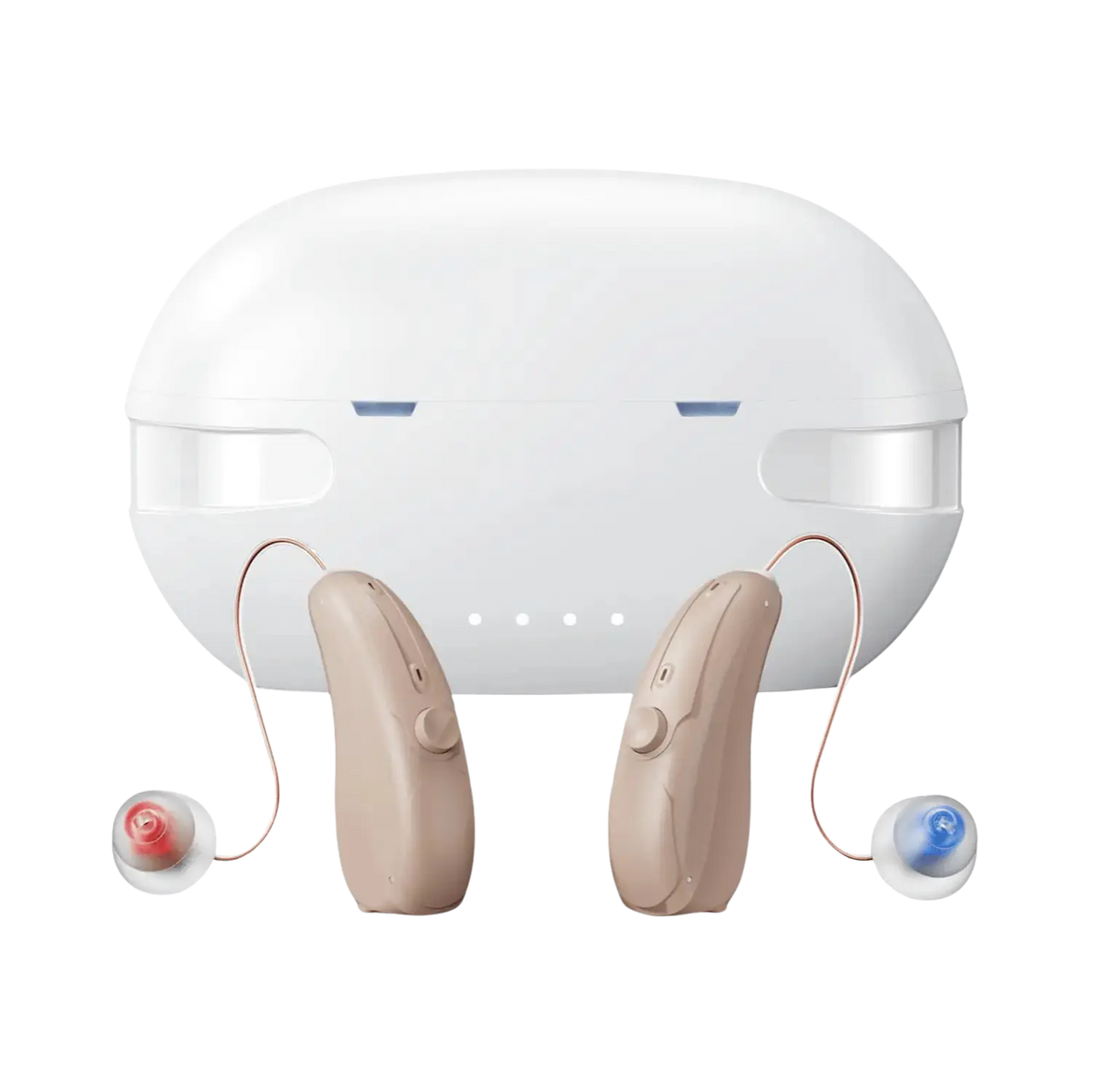
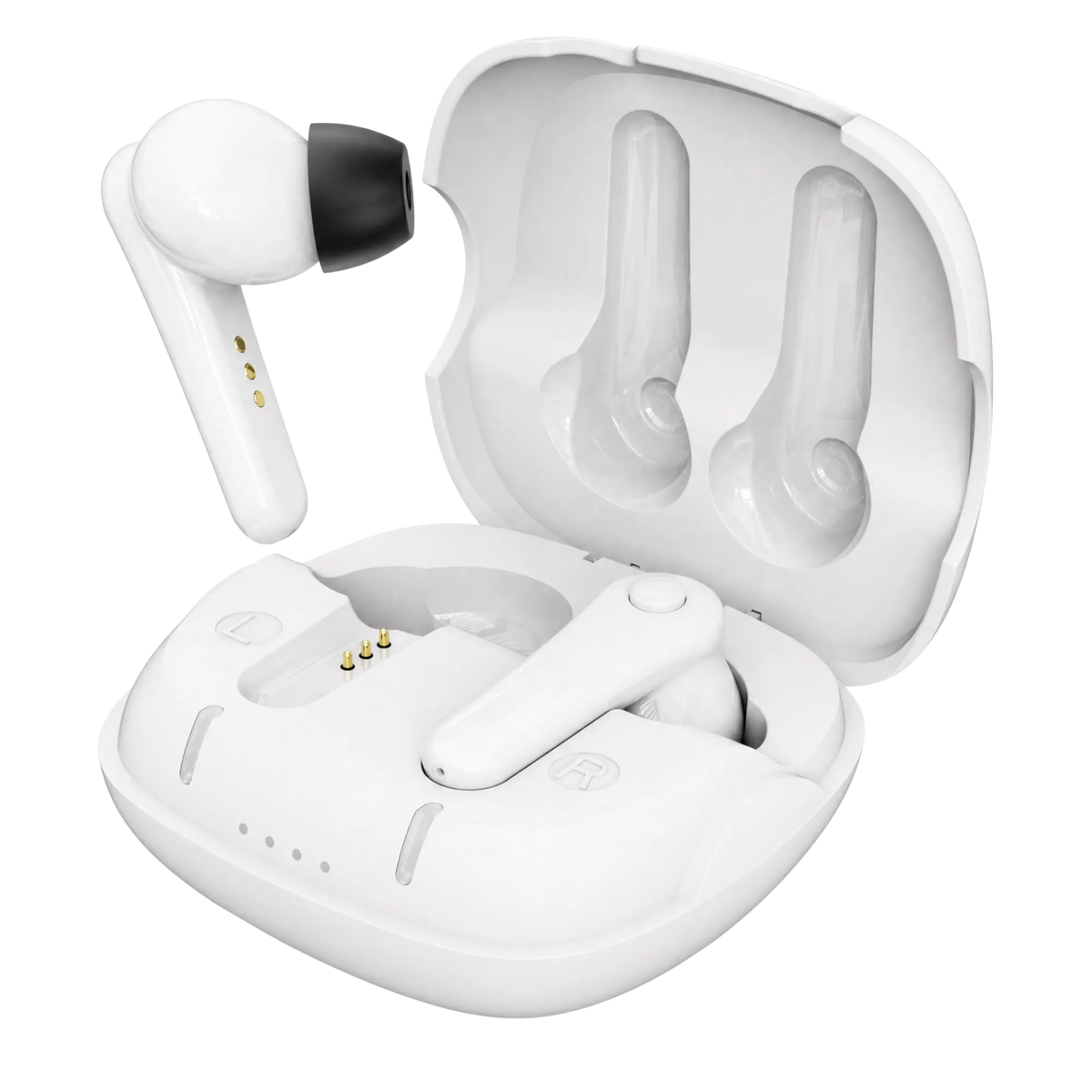
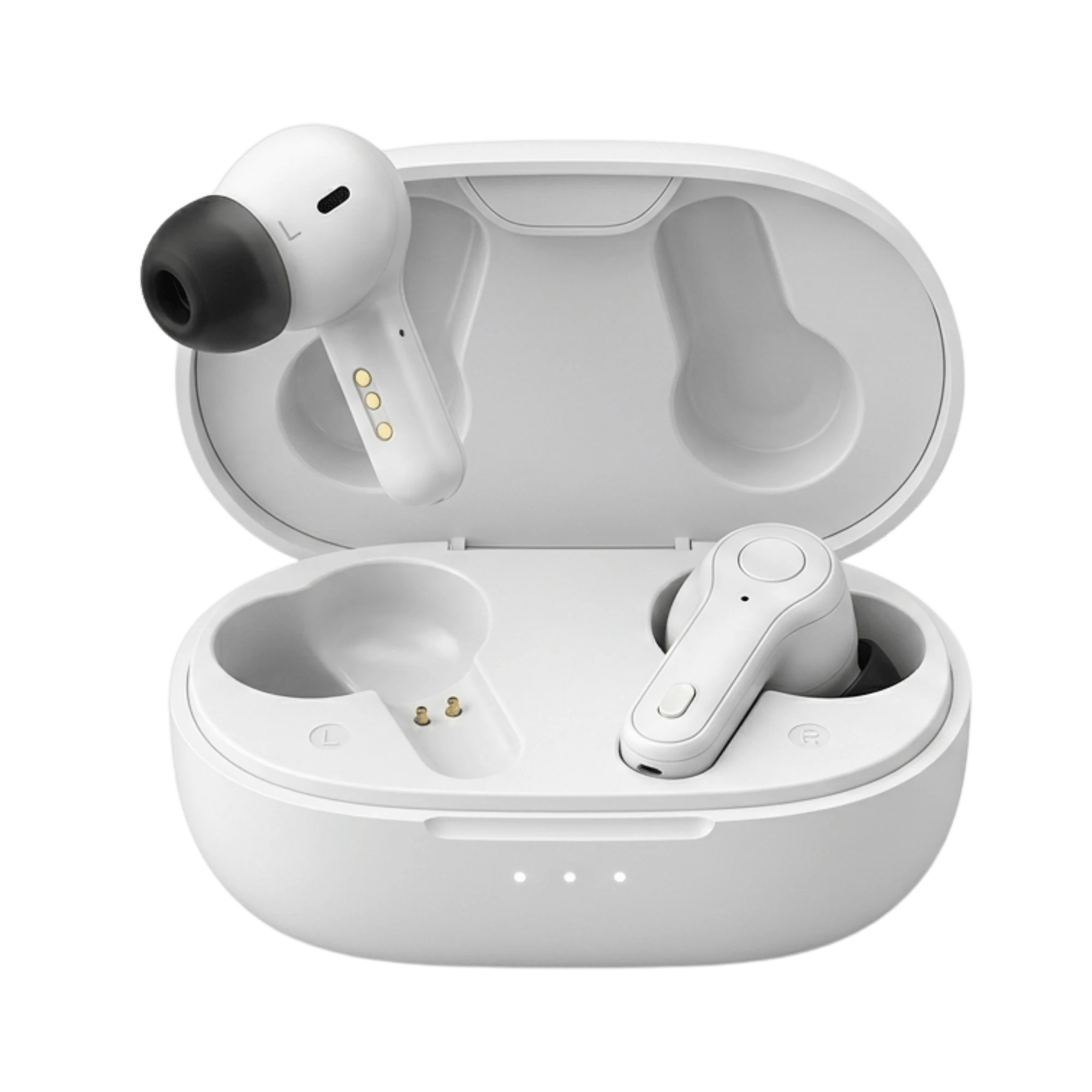
Panda Air는 이 연구의 응답자들이 요청한 것과 같은 설계 철학을 반영합니다. 받자마자 바로 사용할 수 있는 최신 이어버드형 보청기로, 선택 사항인 앱을 이용하면 보청기 자체를 통해 주파수별 인이어 청력 검사를 진행하고 사용자의 청력 프로필에 맞게 증폭과 주파수 응답을 개인화할 수 있습니다. 클리닉 방문이 필요 없으며, 앱이나 검사를 건너뛰고 싶은 분들을 위해 앱이나 검사 없이도 모든 기능을 사용할 수 있습니다.
자가 피팅 OTC 보청기인 Air는 16채널 WDRC 처리와 다중 대역 적응형 소음 감소에 통화·TV·음악을 위한 블루투스, 총 60시간 사용이 가능한 고속 충전 케이스를 더했습니다. 5년 보증과 제품 도착일부터 시작되는 45일 체험 기간이 제공됩니다. 고도 또는 심도 난청의 경우에는 임상 피팅이 여전히 더 나은 방법입니다.
이 연구의 한계
이 연구는 현장 시험이 아니라 응답자가 밝힌 의향에 관한 단면 설문조사였습니다. 선별 검사 시스템을 사용할 의향이 있다고 해서 업무 부담이 현실로 다가왔을 때 실제로 사용한다는 보장은 없습니다. 연구 결과는 인도의 한 지역에서 얻은 것이므로 다른 지역에서는 이해관계자의 요구가 다를 수 있지만, 설계 원칙은 폭넓게 적용될 가능성이 높습니다.
또한 이 연구는 현장에서 정확도가 아직 평가되지 않은 시스템에 대한 준비도를 측정했으며, 저자들은 이를 후속 사용성 및 현장 시험의 기초로 설명합니다. PubMed에서 확인할 수 있는 초록에는 연구비 관련 이해 상충이 보고되어 있지 않습니다.
정리하며
이제 난청을 발견하는 도구 자체는 병목이 아닙니다. 병목은 업무 흐름입니다. 이 연구의 기여는 사람들이 실제로 사용할 청력 선별 검사를 위해 이해관계자들이 함께 만든 상세한 사양, 즉 짧고, 간단하며, 오프라인에서도 작동하고, 설명이 제공되며, 사용자의 시간을 존중하는 검사를 제시했다는 점입니다. 농촌의 교실이든 성인의 거실이든, 첫걸음을 내딛기 쉬울 만큼 작게 만들 때 청력 관리는 더 많은 사람에게 닿습니다.
Jain S, Ramakrishna S, Madan T, Gagan. Designing a user-centered mHealth screening system for children in low-resource settings: A multi-stakeholder implementation study. International Journal of Medical Informatics. 2026. PubMed에서 검색. https://doi.org/10.1016/j.ijmedinf.2026.106705