age-related hearing loss

Why Age-Related Hearing Loss Still Goes Undertreated: Inside Germany’s HearForFuture Project

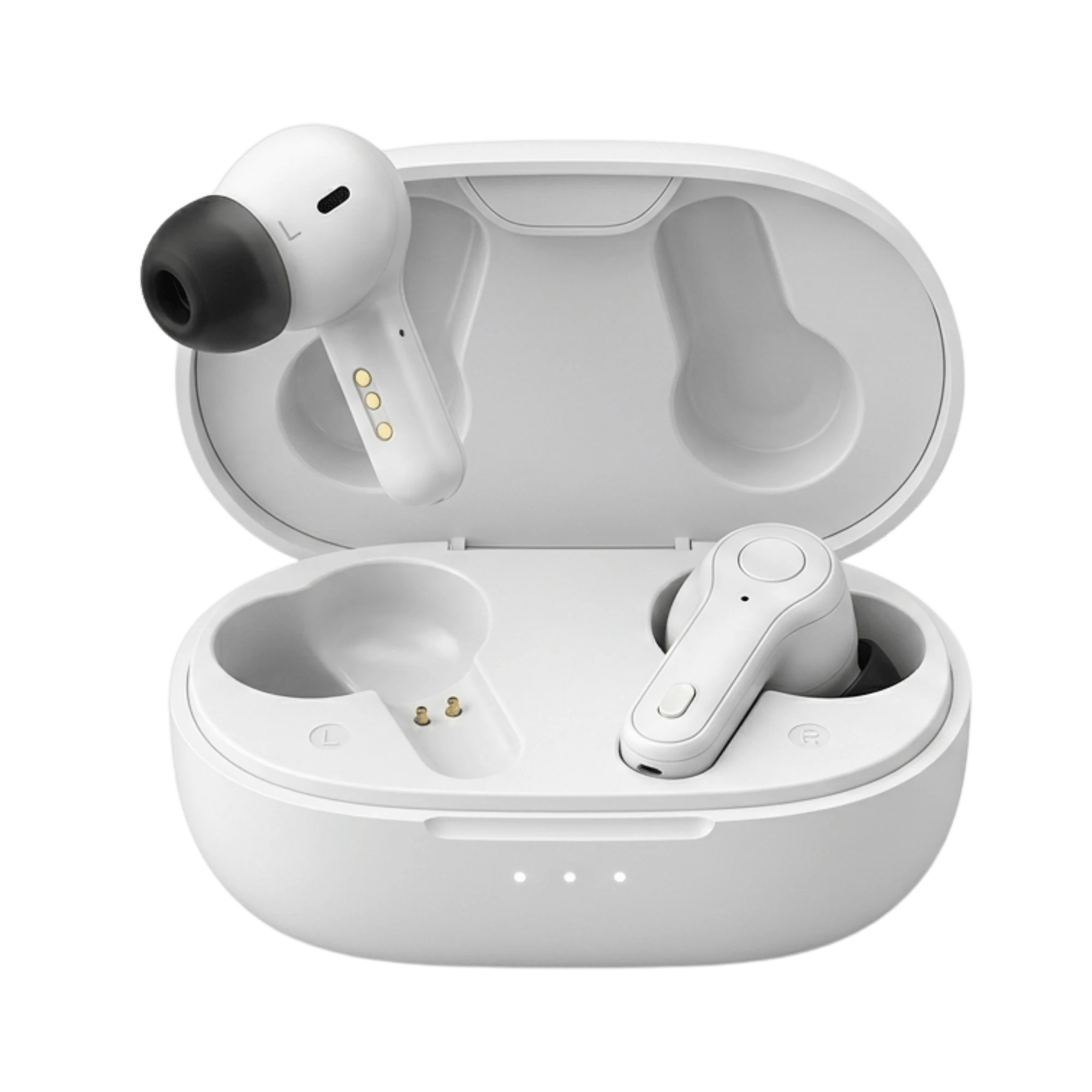
Panda Air earbud-style OTC hearing aid with charging case

Why Age-Related Hearing Loss Still Goes Undertreated: Inside Germany’s HearForFuture Project

A German research consortium is mounting a nationwide effort to understand why one of the most common chronic conditions of older age so often goes untreated, and to redesign hearing care around what patients actually need.

Age-related hearing loss is among the most widespread chronic conditions of later life, and as populations age, the number of people affected keeps climbing. Effective diagnostics and hearing technology have existed for decades, yet a stubborn gap separates what is possible from what most older adults actually receive.

A new paper in the German journal Laryngo-Rhino-Otologie introduces HearForFuture, a national research project built to map that gap in detail. Rather than testing a single device or treatment, the project examines the whole care pathway, from how hearing loss is recognized to whether people who own hearing systems actually wear them.

Title: Challenges in the management of age-related hearing loss in Germany: HearForFuture (published in German with an English abstract)

Authors: Christiane Völter, Ulrich Hoppe, Annette Limberger, Silke Kuske, Nina Timmesfeld, Christian Günster, Timo Stöver

Affiliations: Ruhr-Universität Bochum; Universitätsklinikum Erlangen; Hochschule Aalen and SLK-Kliniken Heilbronn; Fliedner Fachhochschule Düsseldorf; Wissenschaftliches Institut der AOK, Berlin; Goethe-Universität Frankfurt

Journal: Laryngo-Rhino-Otologie, published September 10, 2026

Study type: Mixed-methods health services research project description

PubMed DOI: 10.1055/a-2941-1033

Background: Why the Researchers Looked at This

Age-related hearing loss, which physicians call presbycusis, develops gradually as the inner ear ages, usually starting with high-pitched sounds and consonants. Because the decline is slow, many people adapt around it for years before seeking help, and some never do.

The authors describe a paradox in German hearing care. The country has structured diagnostic pathways, ENT specialists, hearing aid acousticians, and insurance coverage, yet age-related hearing loss is still, in their words, often insufficiently or inappropriately treated. The majority of those affected either do not receive appropriate care or do not use their hearing systems consistently once fitted.

That distinction matters. A hearing aid that sits in a drawer delivers no benefit, so understanding non-use is as important as understanding non-treatment. With demographic change pushing the affected population steadily upward, the researchers argue that the care system needs an evidence-based redesign rather than incremental fixes.

How the Study Was Done

HearForFuture is a mixed-methods project, meaning it combines large-scale quantitative data with qualitative interviews. The quantitative arm analyzes nationwide statutory health insurance data covering people aged 60 and older with disabling hearing loss, along with physician quality assurance data from several regional associations of statutory health insurance physicians.

The qualitative arm runs focus group interviews with the people who live the problem daily: patients, hearing aid specialists, ENT doctors, and other professionals involved in care. Building on those findings, the team will field nationwide surveys of patients and ENT physicians.

Two further elements stand out. Subsamples of participants will undergo audiometric measurements, and the project will use ecological momentary assessment, a method that samples people’s experiences in real time during daily life, to capture how hearing systems are actually used outside the clinic. All strands then feed into participatory workshops where patients and professionals help design a demand-oriented treatment pathway.

What the Researchers Found

As a project paper, this publication reports the design and rationale of HearForFuture rather than final results, but it consolidates what is already known and what the project intends to quantify precisely.

The starting diagnosis is stark: despite effective diagnostic and technical treatment options, most older adults with disabling hearing loss in Germany are not adequately reached by the current system. The authors identify two distinct failure points, people who never enter care, and people who receive hearing systems but do not wear them consistently in everyday life.

The project’s planned output is concrete. By merging insurance claims analysis, surveys, real-world usage data, and stakeholder workshops, the team aims to produce an evidence-based, future-oriented concept of care and a demand-oriented treatment pathway for adults over 60, intended to improve the quality of hearing care provision in the long run.

What It Means for People with Hearing Loss

The project is German, but the care gap it describes is international. Studies across high-income countries consistently find that most older adults with hearing loss go untreated, and that a meaningful share of fitted hearing aids end up unused. The reasons span cost, complexity of the care pathway, stigma, and devices that do not fit comfortably into daily routines.

For individuals, the research underlines two practical points. First, hearing loss in later life is normal, common, and worth addressing rather than waiting out. Second, getting a device is only half the task. The system that works is the one you actually wear, so ease of use, comfort, and fit with daily life deserve as much weight as raw specifications.

Lowering the Barriers That Keep People From Hearing Care

Because this project targets the gap between available hearing technology and the people who never receive it, it highlights why lower-barrier options matter. FDA-OTC hearing aids were created for exactly this problem in the United States, letting adults with mild to moderate hearing loss start care without navigating multiple appointments.

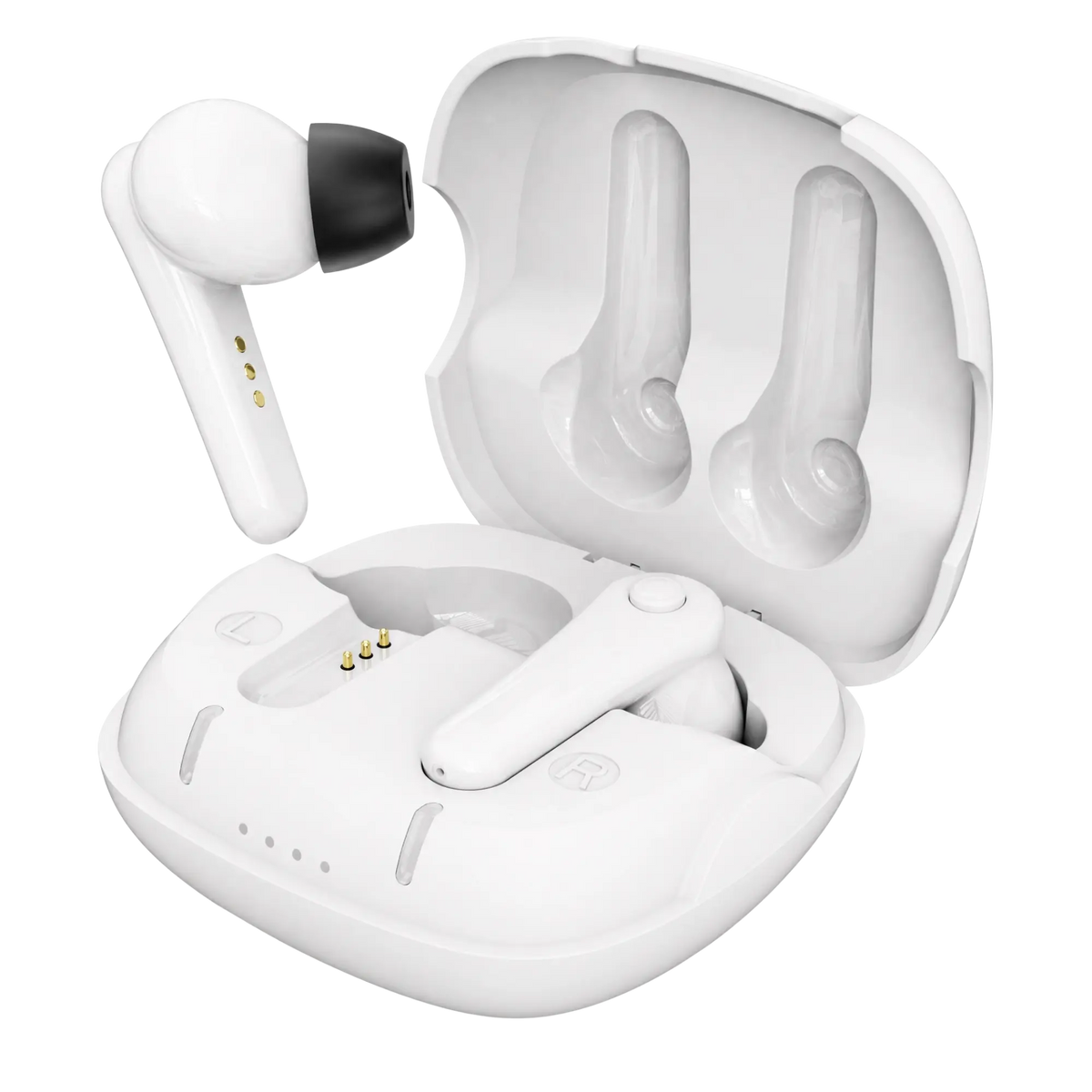
Panda Air is one such device, a modern earbud-style option among self-fitting OTC hearing aids, with 16-channel WDRC processing and multi-band adaptive noise reduction. Its fast-charge case delivers 60 hours of total use, and Bluetooth supports calls, TV, and music. An optional app can run a frequency-specific in-ear hearing test and tune the sound to your hearing profile, though Air works out of the box without the app or the test. A 5-year warranty and a 45-day trial starting from receipt give room to find out whether it fits your daily life, the factor this German project identifies as decisive. Details are at pandahearing.com.

Panda Air earbud-style OTC hearing aid with charging case

The usual boundary applies: OTC devices are approved for mild to moderate hearing loss, and severe or profound loss is best served by a clinical fitting.

Limitations of This Research

This is a project description rather than a results paper, so its claims about care gaps rest on prior literature and the design it lays out; the numbers that will test those claims are still to come. The findings will also be specific to Germany’s statutory insurance system, and translation to other health systems will require care. The paper is published in German with an English abstract, which limits direct access for international readers. No conflicts of interest are detailed in the abstract.

What to Do With This

HearForFuture is worth watching because it treats hearing care as a system problem rather than a device problem. If its surveys and real-world usage data pinpoint where older adults fall out of the pathway, the resulting treatment concept could shape hearing care well beyond Germany. In the meantime, the message for anyone noticing their own hearing change is simple: the biggest documented failure in hearing care is not the technology, it is the years people wait before using it.

Völter C, Hoppe U, Limberger A, Kuske S, Timmesfeld N, Günster C, Stöver T. Challenges in the management of age-related hearing loss in Germany: HearForFuture. Laryngo-Rhino-Otologie. 2026. Retrieved from PubMed. https://doi.org/10.1055/a-2941-1033

前後の記事を読む

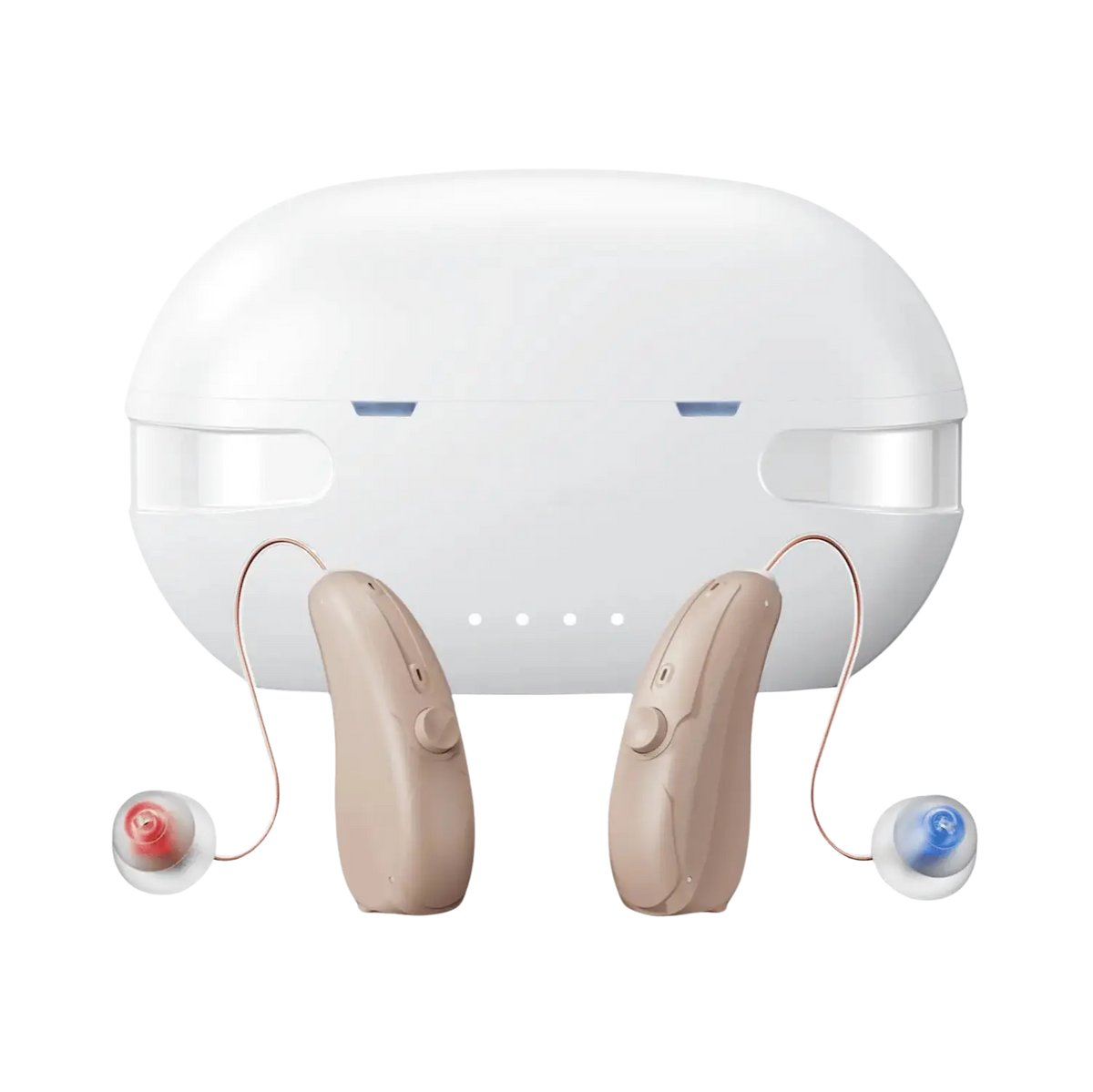
Panda Quantum 16-channel receiver-in-canal hearing aid in beige
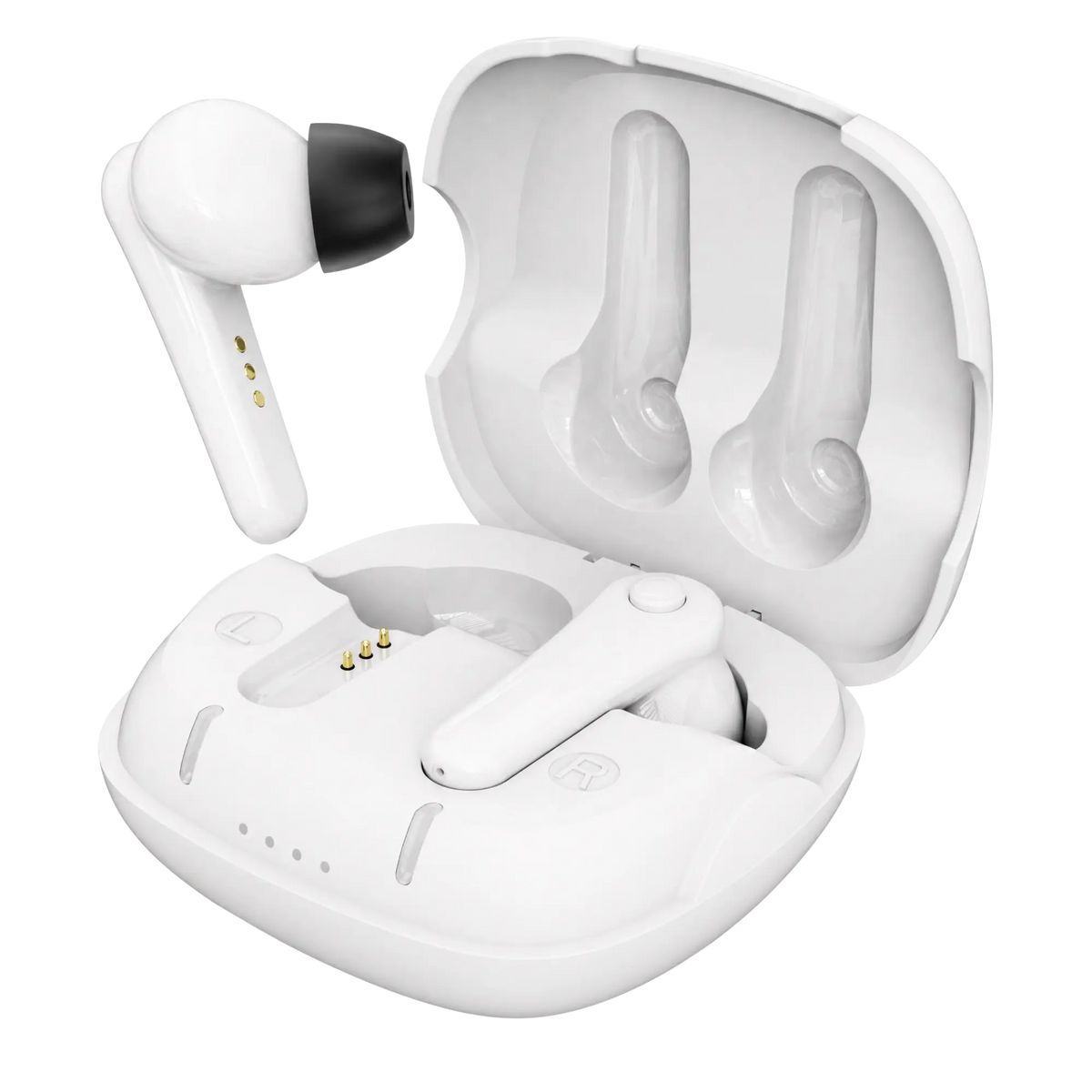
Panda Air earbud-style rechargeable hearing aid with fast-charge case

お問い合わせ

適切な Panda® 補聴器を選択するのにサポートが必要ですか?

当社のサポート チームは、Panda® Stealth、Panda® Air、Panda® Quantum の比較、注文前の質問への回答、既存の購入のサポートをいたします。