補聴器は両耳か片耳か? 新たなランダム化試験が実生活での効果を測定
高齢者275人を対象としたランダム化臨床試験で、補聴器は片耳でも両耳でも意味のある効果をもたらし、両耳装用のグループではさらに小幅な上乗せ効果が報告されました。
加齢性難聴は、高齢期に最もよくみられる慢性疾患のひとつです。通常は両耳で同時に徐々に進行し、感音性で、多くの場合は軽度から中等度の範囲にとどまります。放置すると、コミュニケーションの負担、社会的な孤立、気分の落ち込みと関連し、認知機能や身体の健康への懸念も高まっていきます。
聴覚ケアでは何十年もの間、両耳に難聴があるなら補聴器も両耳に、というのが標準的な助言でした。ところが患者から最もよく寄せられる質問のひとつが「2台目は本当に必要なのか」というもので、片耳と両耳を比較した厳密なランダム化試験のエビデンスは乏しいままでした。JAMA Otolaryngology, Head & Neck Surgeryに発表された新たな試験は、この問いに正面から答えようとしたものです。
研究の概要
論文タイトル:Unilateral and Bilateral Hearing Aids for Age-Related Hearing Loss: A Randomized Clinical Trial(加齢性難聴に対する片耳および両耳補聴器:ランダム化臨床試験)
著者:Sherri L. Smith、Todd A. Ricketts、Kayla W. Kilpatrick、Rebecca North、Janet P. Bettger、Theresa Coles、Shari Eberts、Sarah B. Peskoe、Howard W. Francis、Heather Toth、William Dillon、Laura Thompson、Kjersten Branscome、Amy Walker、Frank W. Rockhold
所属:Duke University School of Medicine および Duke University Hospital(ノースカロライナ州ダーラム)、Vanderbilt University Medical Center(テネシー州ナッシュビル)、University of North Carolina at Chapel Hill、Living with Hearing Loss(ニューヨーク)
掲載誌:JAMA Otolaryngology, Head & Neck Surgery(2026年8月27日発行)
研究デザイン:単盲検・並行群間ランダム化臨床試験(ClinicalTrials.gov NCT04739436)
出典:PubMed、DOI: 10.1001/jamaoto.2026.2401
背景:研究者がこのテーマに着目した理由
補聴器は加齢性難聴の標準的な治療法であり、この難聴は通常両耳に生じるため、臨床医はたいてい両耳装用を勧めます。しかし、2台目のデバイスが実際にどれだけの上乗せ効果をもたらすのかを示す質の高いエビデンスは不足していました。研究の著者らは、標準治療としての片耳または両耳補聴器の有効性を示すデータが欠けていたと指摘しています。
この問いは実用面でも重要です。2台目の補聴器は費用がかさみますし、装用者の中には2台より1台のほうが扱いやすいと感じる方もいます。音源定位(音がどこから来ているかを判断する能力)と、背景雑音の中での言葉の理解は、いずれも両耳からの入力がそろうことで成り立つと考えられており、これが両耳装用の理論的な根拠となっています。こうした利点が、装用者自身が日常生活の中で実感できる効果につながるのかどうか。それを検証するためにこの試験は設計されました。
研究の方法
研究者たちは2021年から2024年にかけて、Duke University Health SystemとVanderbilt Universityの聴覚クリニックで、単盲検・並行群間のランダム化臨床試験を実施しました。参加者は、補聴器を希望している加齢性難聴のある50歳以上の成人で、過去の補聴器使用歴が3か月未満の方でした。
参加者は、補聴器を1台受け取るグループと2台受け取るグループに無作為に割り付けられました。使用されたデバイスはすべて市販の処方型RIC(レシーバー・イン・カナル)補聴器です。主要評価項目は3か月時点での補聴器の効果で、装用者が日常の聞き取り場面でどの程度困難を感じるかを報告する標準化された質問票、Abbreviated Profile of Hearing Aid Benefit(APHAB)で測定されました。効果は、補聴器なしの開始時スコアと3か月時点の補聴器装用時スコアとの差として定義され、分析は治療意図(ITT)の原則に従って行われました。
研究でわかったこと
参加者は合計275人で、そのうち148人(53.8%)が女性、平均年齢は70.9歳でした。片耳グループは136人、両耳グループは139人です。
どちらのグループも大きく改善しました。APHABの平均効果スコアは、片耳グループで14.41ポイント、両耳グループで19.74ポイントでした。わかりやすく言えば、補聴器を1台装用した人は治療前より日常の聞こえが明らかに良くなったと報告し、2台装用した人はさらに大きな改善を報告したのです。
グループ間の差は両耳装用が約5.3ポイント上回り、95%信頼区間はおよそ1.8〜8.8ポイントで、統計的に有意な結果でした。ただし著者らは、各グループ内での改善はそれぞれ意味のあるものだった一方、この程度の差が臨床的に意味のある水準を超えているかどうかは明らかではない、と慎重に指摘しています。
難聴のある方にとっての意味
最も心強いメッセージは、どちらの装用方法でも治療に効果があったということです。費用、快適さ、手先の器用さ、あるいは単純な好みなどの理由で2台を装用できない、または装用したくない方にとっても、きちんとフィッティングされた補聴器1台で、自己評価による日常の聞こえに確かで意味のある改善が得られました。
同時にこの試験は、加齢に伴う典型的な両耳の軽度〜中等度難聴において、補聴器2台が1台に比べて平均して小幅な上乗せ効果をもたらすことを示す、これまでで最も明確なランダム化試験のエビデンスとなりました。著者らはこの結果を、両耳装用を標準的な診療の推奨として確立するものではなく、その判断材料となるものと位置づけています。選択は引き続き、予算、ライフスタイル、聞き取りのニーズに応じて、個人に委ねてよいでしょう。
両耳装用のわずかな優位性と、医療機関以外の選択肢
この試験で使用されたデバイスは、大学のクリニックでフィッティングされた処方型のRIC(レシーバー・イン・カナル)補聴器でした。現在では、同じ基本設計がFDA認可のOTC(市販)補聴器でも手に入ります。OTC補聴器は、この試験が対象とした難聴の程度そのものである、軽度から中等度の難聴がある成人のために設けられたカテゴリーです。
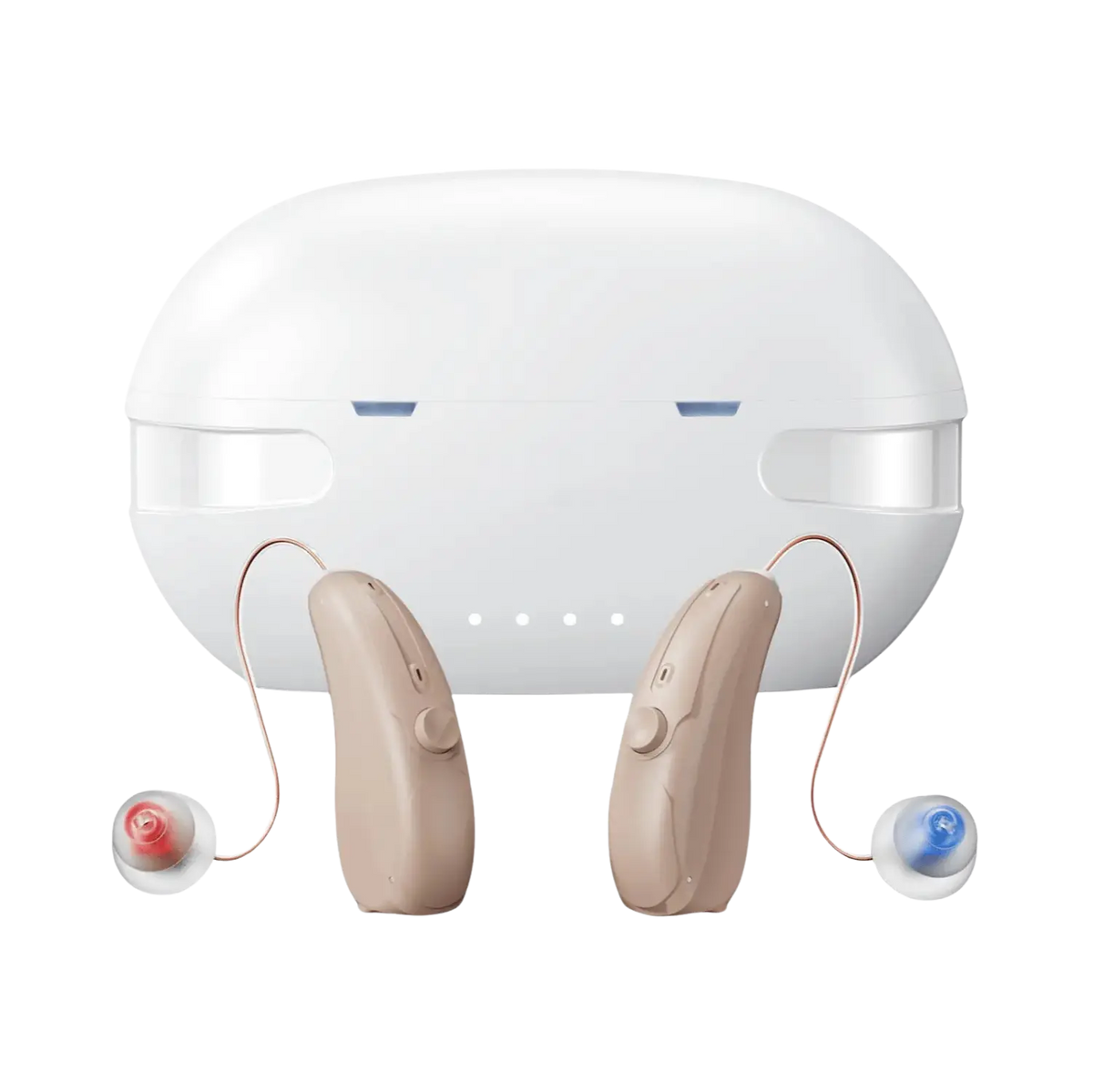
Panda Quantumはそうしたデバイスのひとつで、騒がしい環境でも言葉を明瞭に聞き取れるよう設計された適応型ノイズリダクションを備える、16チャンネルのRIC型FDA認可OTC補聴器です。1回の充電で20時間使用でき、ケースにはさらに3回分のフル充電が蓄えられているため合計80時間の使用が可能です。通話・テレビ・音楽のBluetoothオーディオストリーミングにも対応しています。5年保証と、デバイス到着日から始まる45日間のお試し期間が付いています。

Quantumには、アプリを使ったオプションのセルフ聴力テストも用意されています。コンパニオンアプリで補聴器本体を通じて周波数別のテストを行い、装用者の聴力プロファイルに合わせてゲインと周波数特性をパーソナライズできます。アプリとテストはオプションであり、デバイスはそれらを使わなくても箱から出してすぐに使えます。心に留めておきたい注意点として、OTCデバイスは軽度から中等度の難聴向けに承認されたものであり、高度・重度の難聴には引き続き臨床でのフィッティングが最も適しています。
本研究の限界
主要評価項目は3か月時点のものであるため、片耳と両耳の差が長期の使用で広がるのか、縮まるのか、あるいはなくなるのかについては、この試験からはわかりません。主な評価項目は自己申告によるもので、実感される効果についての問いには適していますが、騒音下での言葉の理解といった客観的な指標で2つの装用方法がどう比較されるかは未解決のままです。また、参加者は2つの大学医療センターで積極的に補聴器を求めていた人々であり、結果をどこまで一般化できるかには限界がある可能性があります。
著者ら自身も、グループ間で統計的に検出された差が臨床的に意味のある水準に達していない可能性を強調しています。PubMedで閲覧できる抄録には、資金源や利益相反についての詳細は記載されていません。
この研究が示すもの
この試験は、何十年にもわたる思い込みをランダム化試験のデータに置き換えました。加齢性難聴のある方にとって、補聴器は1台でも2台でも確かに役立ち、平均すると2台のほうがやや効果が大きいのです。どちらにするか迷っている方にとって、この結果は治療を先延ばしにせず、どちらの方法でもまず始めることを後押しするものであり、臨床医と装用者が一緒に話し合うための正直な数字を示しています。
Smith SL, Ricketts TA, Kilpatrick KW, North R, Bettger JP, Coles T, Eberts S, Peskoe SB, Francis HW, Toth H, Dillon W, Thompson L, Branscome K, Walker A, Rockhold FW. Unilateral and Bilateral Hearing Aids for Age-Related Hearing Loss: A Randomized Clinical Trial. JAMA Otolaryngology, Head & Neck Surgery. 2026. PubMedより取得。https://doi.org/10.1001/jamaoto.2026.2401