hearing care access

Hearing Loss Is Widely Missed and Undertreated in People With Intellectual Disabilities, German Study Finds

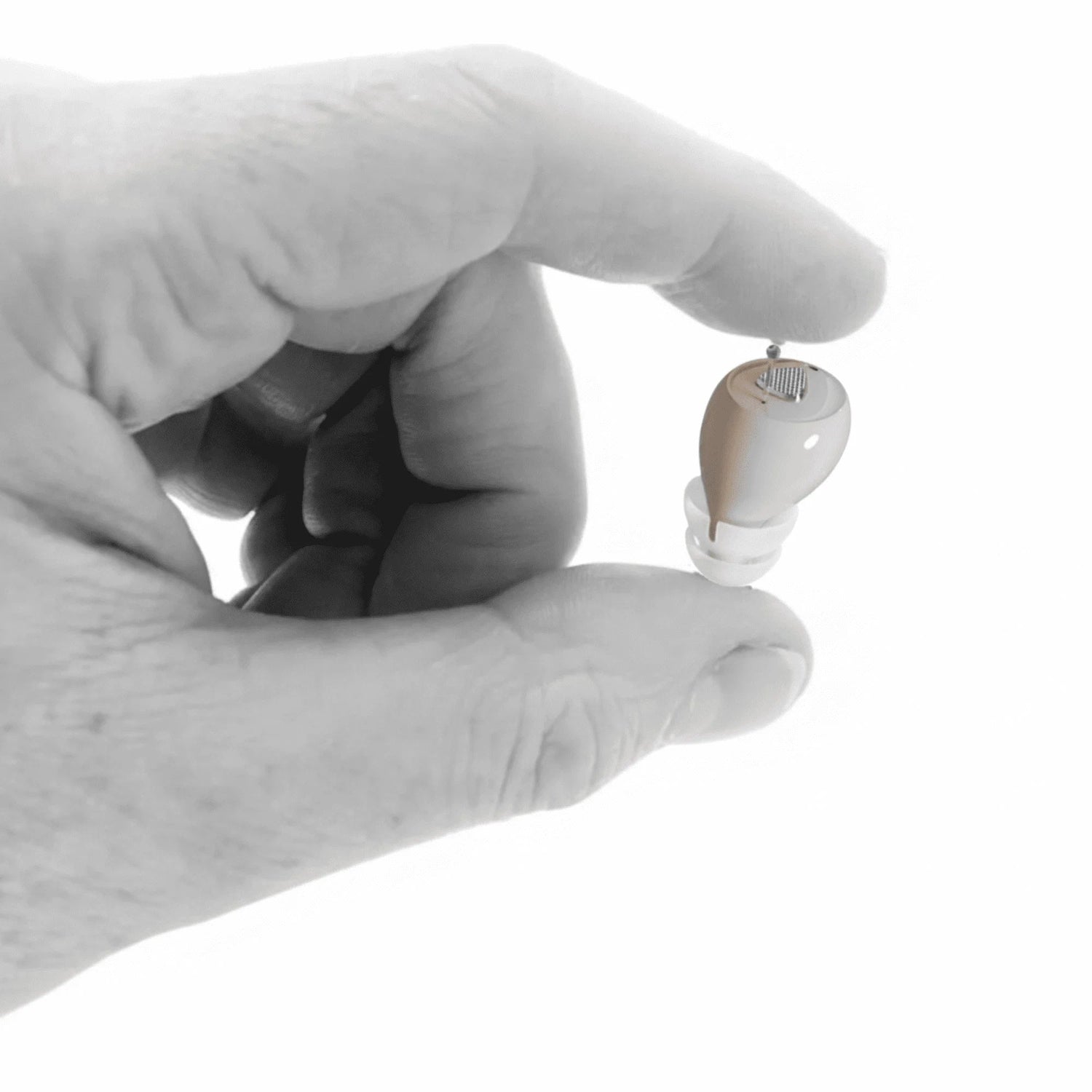
Panda Stealth nearly invisible in-canal hearing aid held on a fingertip

Hearing Loss Is Widely Missed and Undertreated in People With Intellectual Disabilities, German Study Finds

A German cohort study of 1053 people with intellectual disabilities found hearing loss in 44 percent of participants, 70 percent of it previously undiagnosed, and showed that most treatment recommendations were never followed.

Hearing loss rarely announces itself. It is discovered when someone notices, asks, and tests. For people with intellectual disabilities, who may struggle to describe what they are experiencing, that chain breaks down far more often than in the general population.

A large German research project called HörGeist set out to measure how big that gap really is, and whether bringing hearing care directly into schools, workplaces, and residences could close it. The results, published this week, are sobering on both counts.

About This Study
Title: Overlooked and undertreated: Hearing loss among individuals with intellectual disabilities - A German cohort study
Authors: Katrin Neumann, Anna Sophia Schwalen, Corinna Gietmann, Vincent Jankovic, Susanne Wasmuth, and colleagues
Affiliations: Department of Phoniatrics and Pediatric Audiology, University Hospital Münster, Germany, with collaborators at the University of Bremen, University of Duisburg-Essen, University Hospital Cologne, Ruhr University Bochum, and other German institutions
Journal: PLOS Global Public Health, published August 19, 2026
Study type: Population-based, age-stratified cohort study
PubMed DOI: 10.1371/journal.pgph.0006872

Background: Why the Researchers Looked at This

People with intellectual disabilities are 5 to 10 times more likely to have hearing loss than the general population. Yet their hearing loss often goes undetected and untreated, partly because standard care expects the patient to notice a problem, book an appointment, and travel to a clinic.

The HörGeist study was designed to test an alternative: an outreach program that brings hearing screening, diagnostics, treatment, and monitoring into the everyday environments where people with intellectual disabilities already live, learn, and work. The goal was to assess whether such a program is feasible and effective enough to justify a universal version across Germany.

The researchers also examined costs, barriers, and how outreach compared with both standard care and a model where people were simply invited to visit a clinic.

How the Study Was Done

The team enrolled 1053 participants with intellectual disabilities, 37 percent of them female, spanning ages 1 to 90. Each received hearing screening plus reference measurements on site in nurseries, schools, workplaces, and residences. When screening suggested possible hearing loss, diagnostics and therapy were provided on the spot or referrals were issued.

A comparison cohort of 141 individuals with intellectual disabilities was instead invited to attend a clinic for identical procedures. Strikingly, not one of them participated, a result that by itself says a great deal about how well the invitation model works for this group.

All procedures were repeated after one year, allowing the researchers to track whether identified hearing loss actually got treated over time.

What the Researchers Found

At study entry, hearing loss was already known in only 14 percent of outreach participants. Just 8.7 percent had ever received hearing aids, and fewer than half of those, 4.3 percent of the cohort, were actually using them.

The program's screening told a very different story. It diagnosed hearing loss in 44 percent of participants, and 70 percent of those cases had never been diagnosed before. In other words, most of the hearing loss in this population was invisible to the care system until someone came looking for it.

Finding hearing loss, however, proved easier than treating it. After screening, 27 percent of participants received therapy recommendations, but only 37 percent of those recommendations were followed, and adherence dropped to 30 percent for hearing aid prescriptions specifically. Over the year of follow-up, the share of participants with undertreated hearing loss declined only slightly, from 43 percent to 38 percent.

The researchers traced the shortfall to several barriers: refusal by caregivers in 31 percent of cases and by participants themselves in 33 percent, often linked to limited awareness that hearing loss is treatable and consequential, alongside time pressures and staff shortages in care settings.

What It Means for People with Hearing Loss

The study's first lesson is that hearing care reaches far more people when it goes to them. Outreach screening found large amounts of hidden hearing loss, while the clinic-invitation model reached no one at all.

The second lesson is harder: diagnosis alone changes little. Even with hearing loss identified and devices prescribed, most recommendations went unfollowed, and hearing aids that had been dispensed in the past were sitting unused. Treatment only counts when the device ends up on the ear, day after day.

That adherence gap is not unique to people with intellectual disabilities. Across many studies, complexity, unfamiliarity, and lack of support are recurring reasons hearing aids end up in drawers rather than in ears.

When Hearing Aids Go Unworn, Simplicity Matters

Because this study found that even prescribed hearing aids often went unused, it is a reminder that the easier a device is to live with, the better its chances of being worn. Newer FDA-OTC hearing aids are one attempt to strip friction out of the process for adults with mild-to-moderate hearing loss. Panda Stealth is one such device, a discreet in-canal hearing aid weighing 2.3 grams that is designed to be plug-and-play: no app, no hearing test, ready to use out of the box.

For people who find technology setup a barrier, or for families supporting an older relative, that simplicity is the point. Stealth uses 12-band smart noise reduction, and its rechargeable magnetic case holds 60 hours of total use while doubling as a wireless remote, making it one of the more easy hearing aids for seniors and anyone who wants amplification without a learning curve.

Panda Stealth nearly invisible in-canal hearing aid held on a fingertip

Stealth comes with a 5-year warranty and a 45-day trial that begins when the device is received. One caveat: OTC hearing aids are approved for adults with mild-to-moderate hearing loss, and people with severe or profound loss, including many in studies like this one, still benefit most from clinical fittings. Details are at pandahearing.com/products/panda-stealth.

Limitations of This Research

The comparison arm collapsed entirely, since none of the 141 invited individuals attended the clinic, which prevents a true head-to-head comparison of care models. Follow-up lasted one year, results come from one country's care system, and adherence was tracked at the level of recommendations rather than daily device use. The cohort also spanned ages 1 to 90, so findings mix pediatric and adult care pathways.

The author list includes affiliations with a health insurer and a hearing systems company alongside the university teams; the abstract does not detail funding sources or conflict-of-interest disclosures.

What to Do With This

If someone in your life has an intellectual disability, or simply has trouble advocating for their own health, this study argues for proactive hearing checks rather than waiting for complaints, and for treating an unworn hearing aid as an unsolved problem rather than a closed case. Hearing loss in this population is common, mostly hidden, and mostly treatable, but only when detection and daily follow-through both happen.

Neumann K, Schwalen AS, Gietmann C, Jankovic V, Wasmuth S, et al. Overlooked and undertreated: Hearing loss among individuals with intellectual disabilities - A German cohort study. PLOS Global Public Health. 2026. Retrieved from PubMed. https://doi.org/10.1371/journal.pgph.0006872
前後の記事を読む

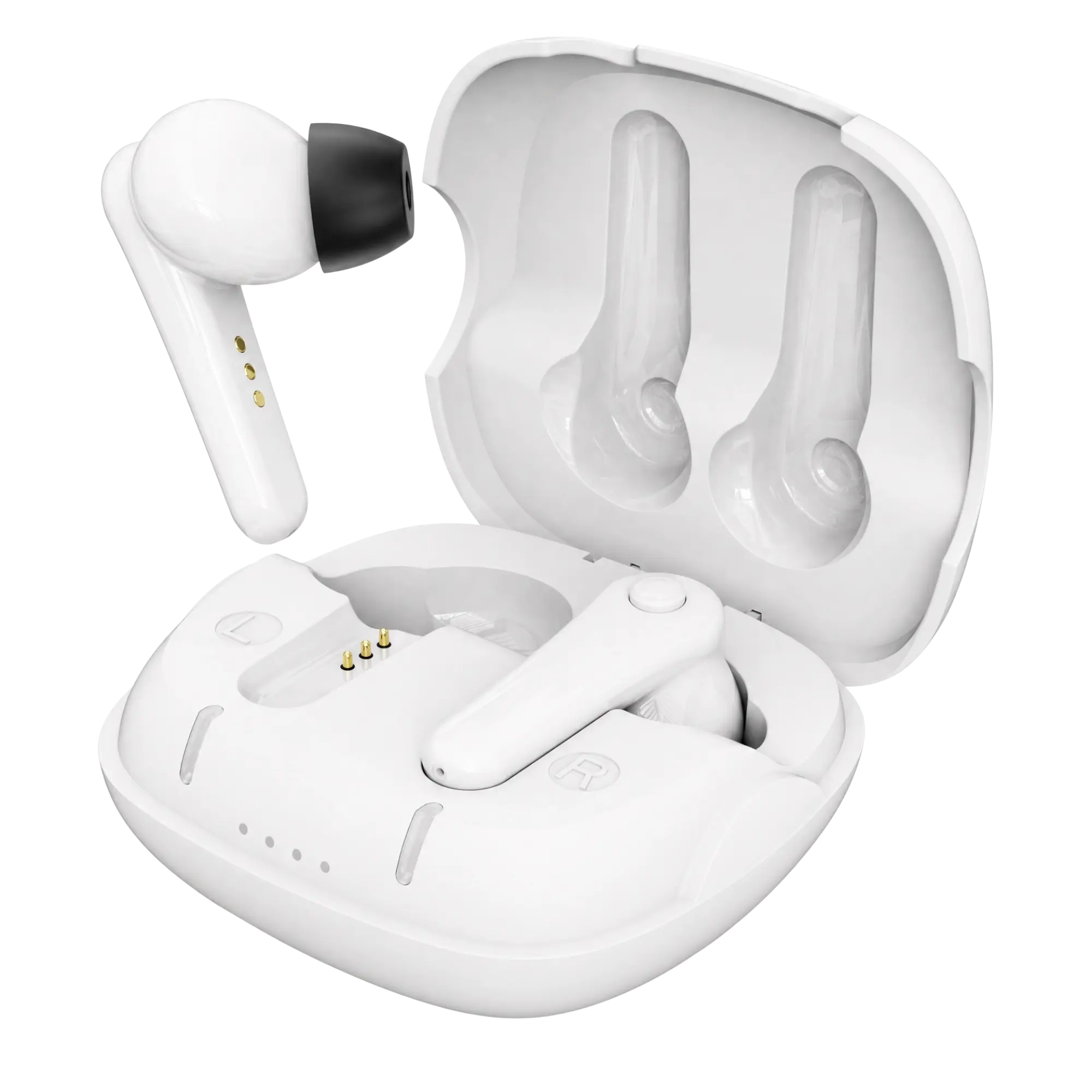
Panda Air earbud-style OTC hearing aids with charging case
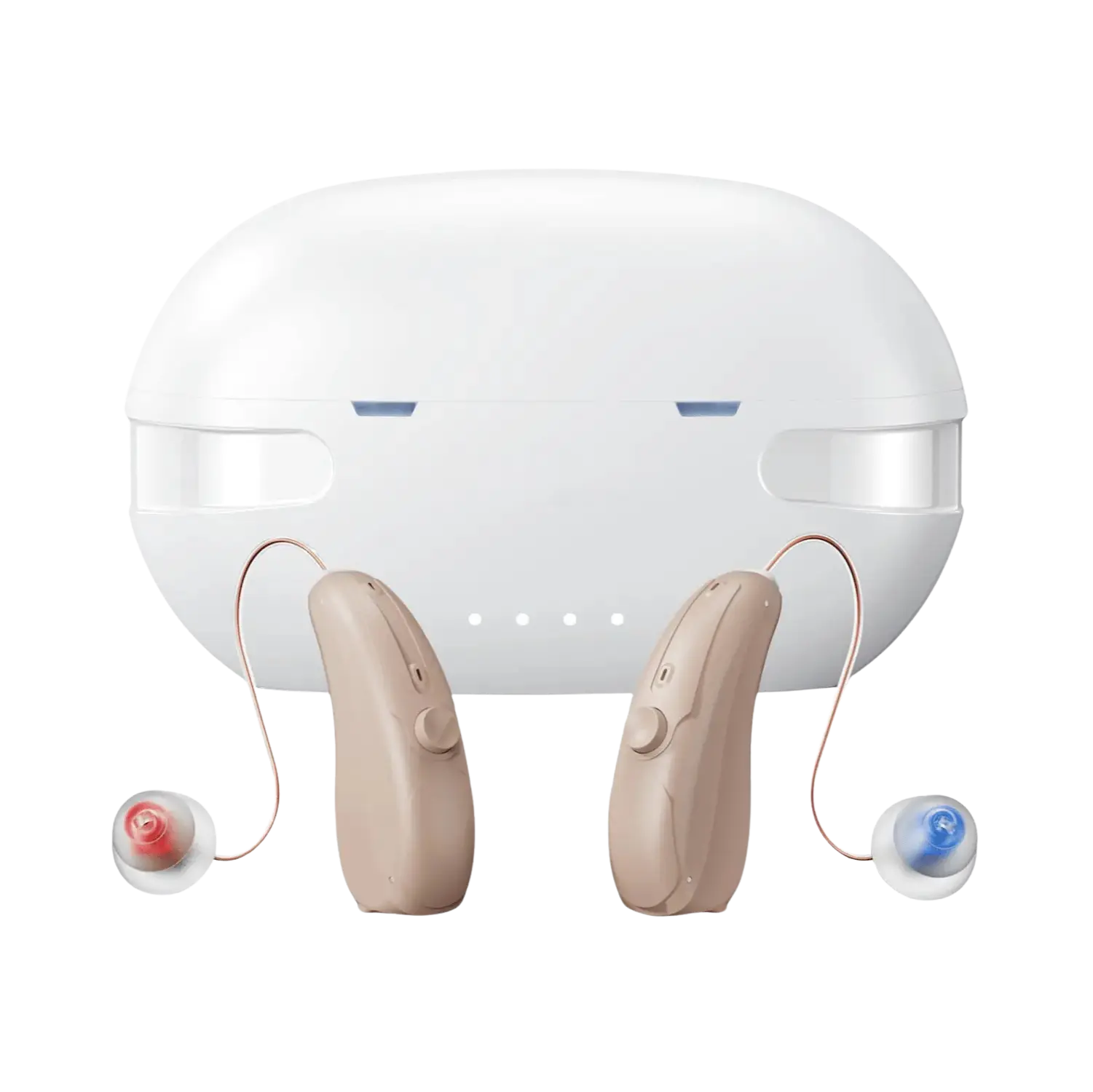
Panda Quantum 16-channel receiver-in-canal FDA-OTC hearing aid in beige with charging case

お問い合わせ

適切な Panda® 補聴器を選択するのにサポートが必要ですか?

当社のサポート チームは、Panda® Stealth、Panda® Air、Panda® Quantum の比較、注文前の質問への回答、既存の購入のサポートをいたします。