Stigma e benefici attesi predicono fortemente l'intenzione di usare apparecchi acustici, secondo un nuovo studio
Un nuovo studio tedesco rileva che gli atteggiamenti verso gli apparecchi acustici, in particolare le convinzioni legate allo stigma e ai benefici attesi, spiegano circa il 40 per cento dell'intenzione delle persone di utilizzarli.
Gli apparecchi acustici sono tra gli strumenti più efficaci disponibili per gestire la perdita uditiva, eppure gran parte delle persone che potrebbero trarne beneficio non compie mai il passo di utilizzarne uno. I ricercatori sospettano da tempo che questo divario dipenda meno dalla tecnologia in sé e più da ciò che le persone provano all'idea di indossarla.
Un gruppo di ricerca della Philipps University of Marburg, in Germania, si è proposto di misurare direttamente queste sensazioni. Il nuovo studio descrive lo sviluppo di un questionario in lingua tedesca pensato per rilevare gli atteggiamenti verso gli apparecchi acustici e, aspetto fondamentale, l'intenzione di utilizzarne effettivamente uno.
Titolo: Development and preliminary evaluation of a German questionnaire assessing attitudes toward hearing aids and behavioral intention
Autori: Corinna Mathern, Katrin Reimann, Rainer M. Weiß, Johanna R. Rusche, Boris A. Stuck, Kruthika Thangavelu
Affiliazione: Department of Otorhinolaryngology, Head and Neck Surgery, Philipps-Universität Marburg, Germania
Rivista: BMC Health Services Research, pubblicato il 13 settembre 2026
Tipo di studio: Indagine trasversale con valutazione psicometrica
Contesto: perché i ricercatori hanno approfondito questo tema
L'adozione degli apparecchi acustici resta ben al di sotto di quanto il bisogno clinico lascerebbe prevedere. Anche nei paesi con sistemi sanitari solidi, molti adulti con una perdita uditiva misurabile rimandano per anni la ricerca di un aiuto o la evitano del tutto. Gli autori sostengono che i fattori psicosociali, ossia le convinzioni e le sensazioni che le persone nutrono nei confronti degli apparecchi acustici, abbiano un ruolo determinante in questa decisione.
Per studiare sistematicamente questi fattori, i ricercatori hanno bisogno di strumenti di misurazione affidabili. Esisteva un questionario in inglese sugli atteggiamenti verso gli apparecchi acustici, ma non era disponibile un equivalente validato in lingua tedesca. Il gruppo di Marburg ha adattato in modo sostanziale lo strumento inglese al sistema sanitario tedesco, perfezionandolo attraverso la revisione di esperti e una fase pilota prima di somministrare la versione definitiva.
L'intenzione comportamentale è importante perché decenni di ricerca in psicologia della salute indicano che l'intenzione è uno dei precursori più forti del comportamento effettivo. Se un questionario riesce a individuare ciò che determina l'intenzione di usare un apparecchio acustico, può anche indicare cosa bisogna cambiare per migliorarne l'adozione.
Come è stato condotto lo studio
I ricercatori hanno condotto un'indagine trasversale su 159 adulti di lingua tedesca di età compresa tra 18 e 96 anni. Circa il 48 per cento dei partecipanti ha riferito di avere una perdita uditiva, il che ha permesso al gruppo di confrontare gli atteggiamenti tra persone con e senza difficoltà uditive e tra utilizzatori e non utilizzatori di apparecchi acustici.
Il questionario misurava gli atteggiamenti generali verso gli apparecchi acustici in diversi ambiti, insieme a una scala separata per l'intenzione comportamentale. Il gruppo ha poi valutato statisticamente lo strumento, verificandone la coerenza interna, ossia quanto gli item misurino in modo coerente lo stesso concetto di fondo, ed eseguendo un'analisi fattoriale esplorativa per vedere come si raggruppassero gli item relativi agli atteggiamenti.
Cosa hanno scoperto i ricercatori
Lo strumento ha dato risultati piuttosto buoni. La scala generale degli atteggiamenti ha mostrato una coerenza interna accettabile, con un alfa di Cronbach di 0,77, e la scala dell'intenzione comportamentale ha ottenuto un risultato ancora migliore, pari a 0,86. L'analisi fattoriale ha confermato una struttura a quattro fattori, anche se alcuni item si sovrapponevano tra i fattori, il che secondo gli autori indica la necessità di un ulteriore perfezionamento.
Il risultato principale è stato la forza del legame tra atteggiamento e intenzione. L'atteggiamento generale verso gli apparecchi acustici era fortemente correlato all'intenzione di usarne uno, con una correlazione di 0,63, e spiegava circa il 40 per cento della varianza dell'intenzione comportamentale.
Due ambiti di atteggiamento sono emersi con particolare evidenza. Benefici attesi e impegno richiesto, ossia ciò che le persone pensano che un apparecchio acustico farà concretamente per loro e quanto sforzo richiederà, hanno mostrato l'associazione più forte con l'intenzione, con una correlazione di 0,66. Lo stigma si è classificato subito dopo, con 0,65. In altre parole, le preoccupazioni sull'aspetto di un apparecchio acustico e su ciò che indossarlo comunica agli altri pesavano quasi quanto le convinzioni sull'utilità del dispositivo.
Lo studio ha inoltre rilevato che i partecipanti con perdita uditiva che già utilizzavano apparecchi acustici avevano atteggiamenti significativamente più favorevoli e intenzioni più forti rispetto ai non utilizzatori, una differenza statisticamente solida.
Cosa significa per le persone con perdita uditiva
I risultati danno una misura concreta a ciò che gli audiologi osservano ogni giorno: la decisione di usare un apparecchio acustico non è principalmente di natura tecnica. Le convinzioni sullo stigma e sul fatto che il dispositivo possa davvero aiutare sono centrali, e sono misurabili.
Per il singolo, il messaggio pratico è che l'esitazione nei confronti degli apparecchi acustici è comune e in gran parte psicologica, non un giudizio sulla tecnologia. Per i clinici e i responsabili della sanità pubblica, gli autori suggeriscono che le convinzioni legate allo stigma e le aspettative sui benefici sono obiettivi promettenti per interventi volti a migliorarne l'adozione.
Quando l'ostacolo è lo stigma, il design discreto fa la differenza
Poiché questo studio individua nello stigma una delle due forze che più trattengono le persone dall'usare apparecchi acustici, la visibilità del dispositivo stesso diventa un fattore rilevante nella decisione di affrontare o meno la propria perdita uditiva. È uno dei motivi per cui i più recenti apparecchi acustici OTC regolamentati dalla FDA puntano sempre più su design discreti e compatti.
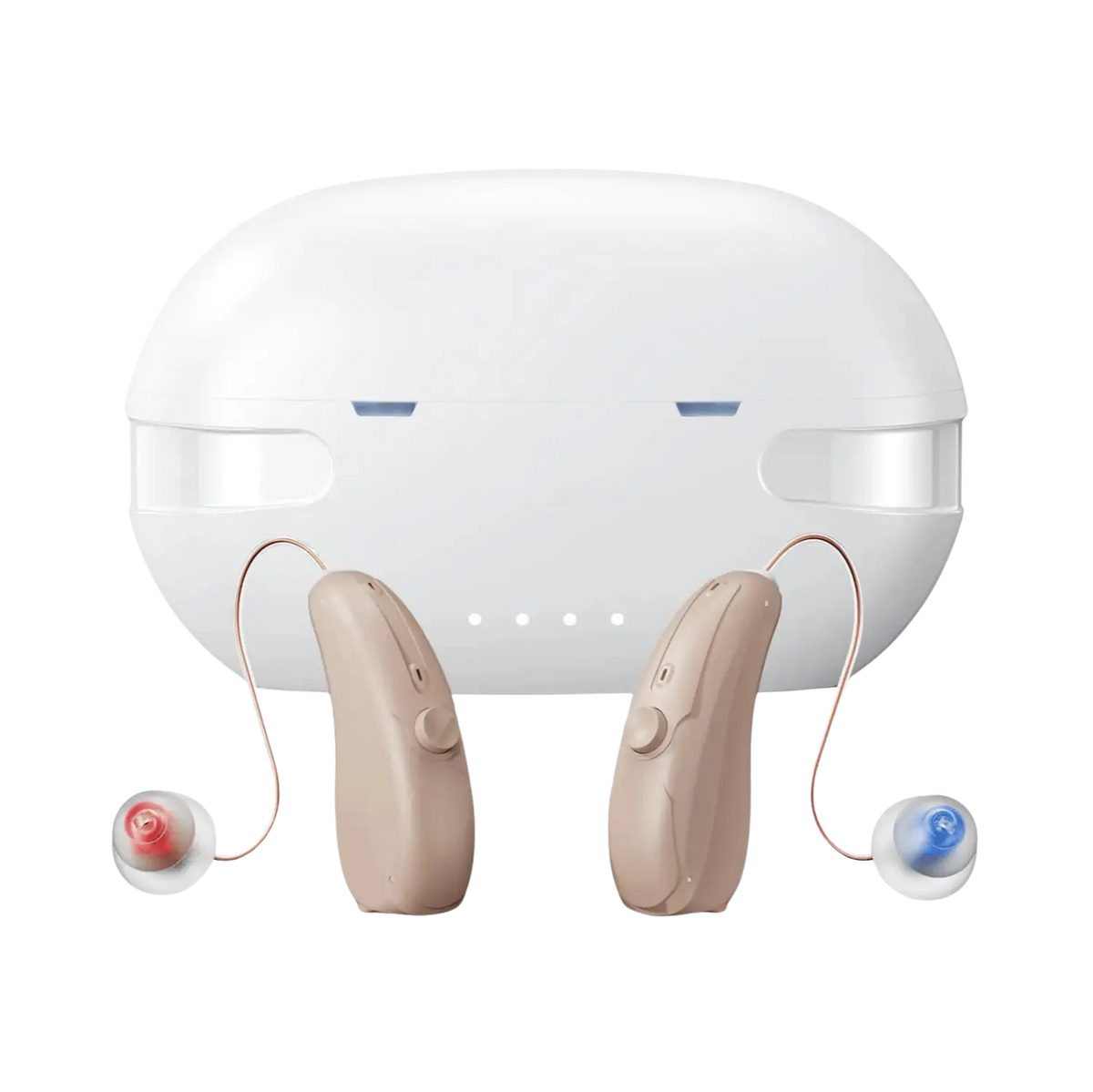
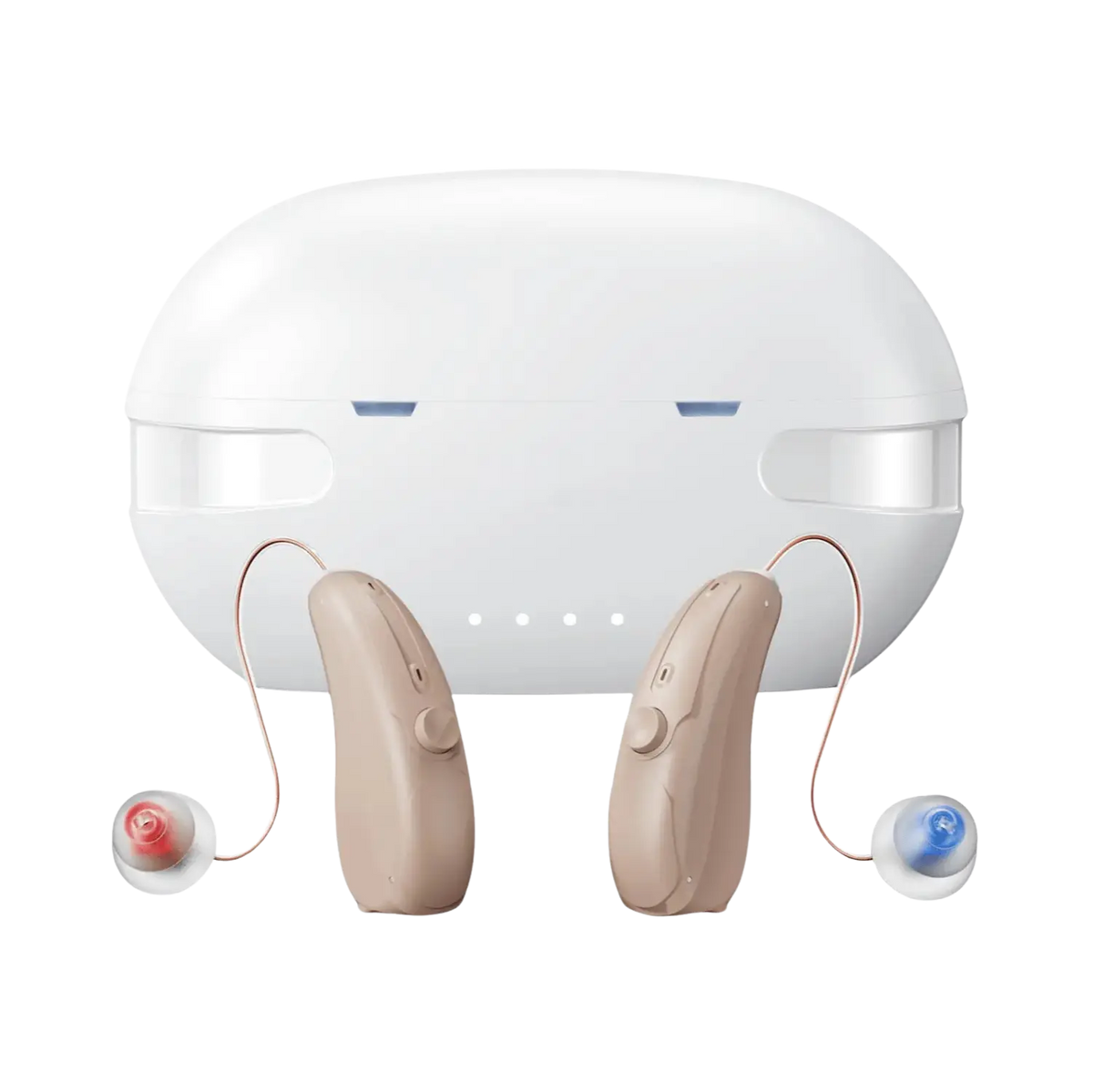
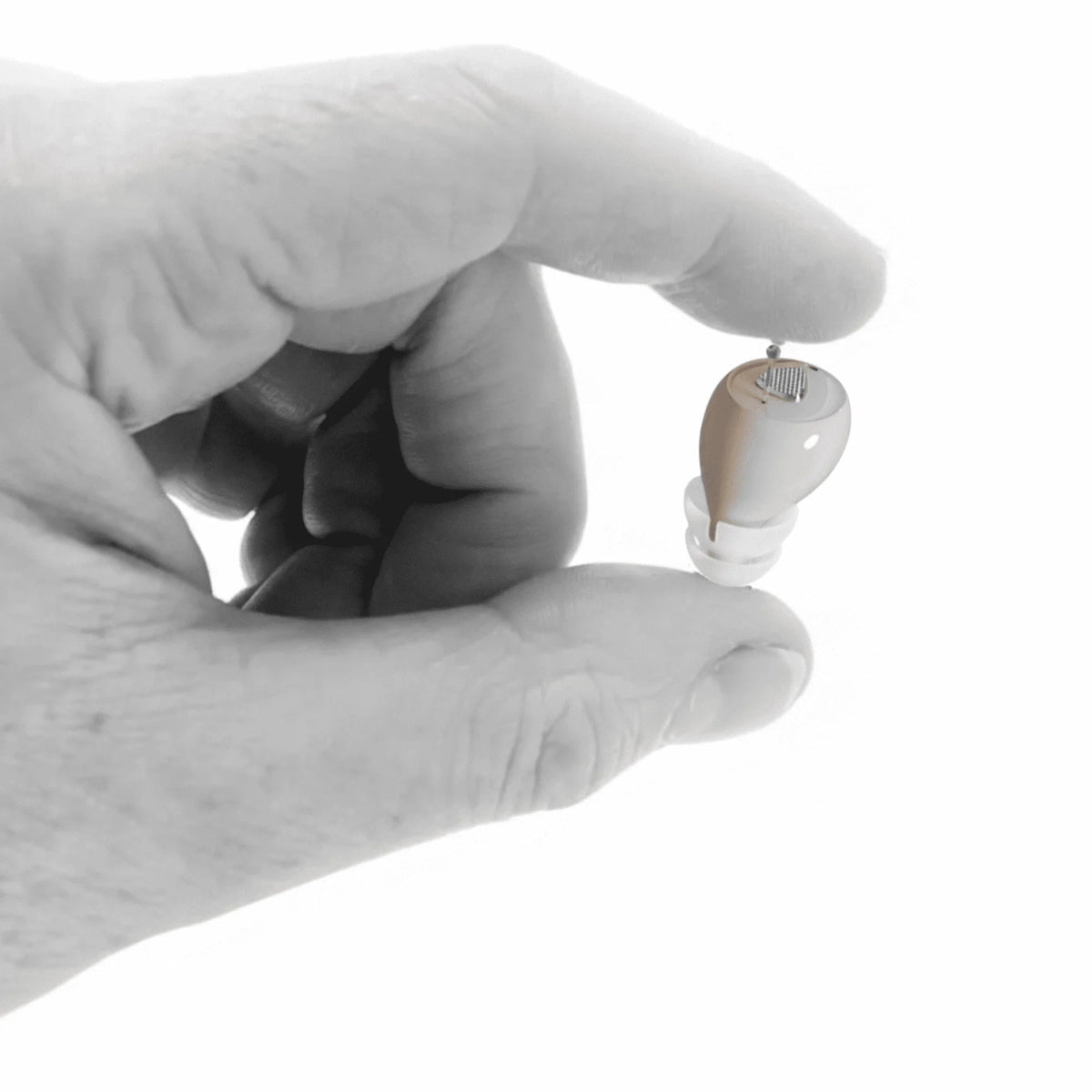
Panda Stealth è un esempio di questa tendenza. È un dispositivo intracanale quasi invisibile che pesa appena 2,3 grammi, basato su una riduzione intelligente del rumore a 12 bande, con una custodia magnetica ricaricabile che garantisce 60 ore di utilizzo complessivo e funge anche da telecomando wireless. Per chi esita soprattutto per paura di essere visto con un dispositivo, apparecchi acustici invisibili di questo tipo eliminano gran parte di ciò a cui lo stigma si lega.
Stealth è anche un apparecchio acustico plug-and-play: non richiede app né test dell'udito, quindi è pronto all'uso appena tolto dalla confezione. È dotato di una garanzia di 5 anni e di una prova di 45 giorni che inizia al ricevimento del prodotto. Ulteriori dettagli sono disponibili su pandahearing.com/products/panda-stealth. Un'avvertenza da tenere presente: gli apparecchi acustici OTC sono autorizzati per la perdita uditiva da lieve a moderata, e le persone con perdita grave o profonda traggono ancora il massimo beneficio da un adattamento clinico.

Limiti di questa ricerca
Si tratta di una valutazione psicometrica preliminare, non di una validazione definitiva. Il campione di 159 adulti era contenuto, il reclutamento era di tipo trasversale e diversi item del questionario si sovrapponevano tra i fattori, aspetti che gli autori stessi riconoscono. Lo strumento dovrà essere testato su popolazioni indipendenti prima di poter essere considerato pienamente validato.
Lo studio ha inoltre misurato l'intenzione anziché il comportamento osservato, e l'intenzione non sempre si traduce in azione. Nell'abstract non sono stati segnalati conflitti di interesse né finanziamenti da parte dell'industria.
A che punto siamo
Il valore di questo lavoro sta nel trasformare concetti vaghi come la riluttanza in qualcosa di misurabile. Se stigma e benefici attesi sono le leve che determinano l'adozione degli apparecchi acustici, allora il counseling, la sensibilizzazione del pubblico e un design dei dispositivi che affronti direttamente queste due convinzioni sono gli ambiti da cui è più probabile che arrivino progressi.
Mathern C, Reimann K, Weiß RM, Rusche JR, Stuck BA, Thangavelu K. Development and preliminary evaluation of a German questionnaire assessing attitudes toward hearing aids and behavioral intention. BMC Health Services Research. 2026. Tratto da PubMed. https://doi.org/10.1186/s12913-026-15549-0