Un programma comunitario per gli apparecchi acustici offre benefici duraturi agli adulti a basso reddito, secondo uno studio
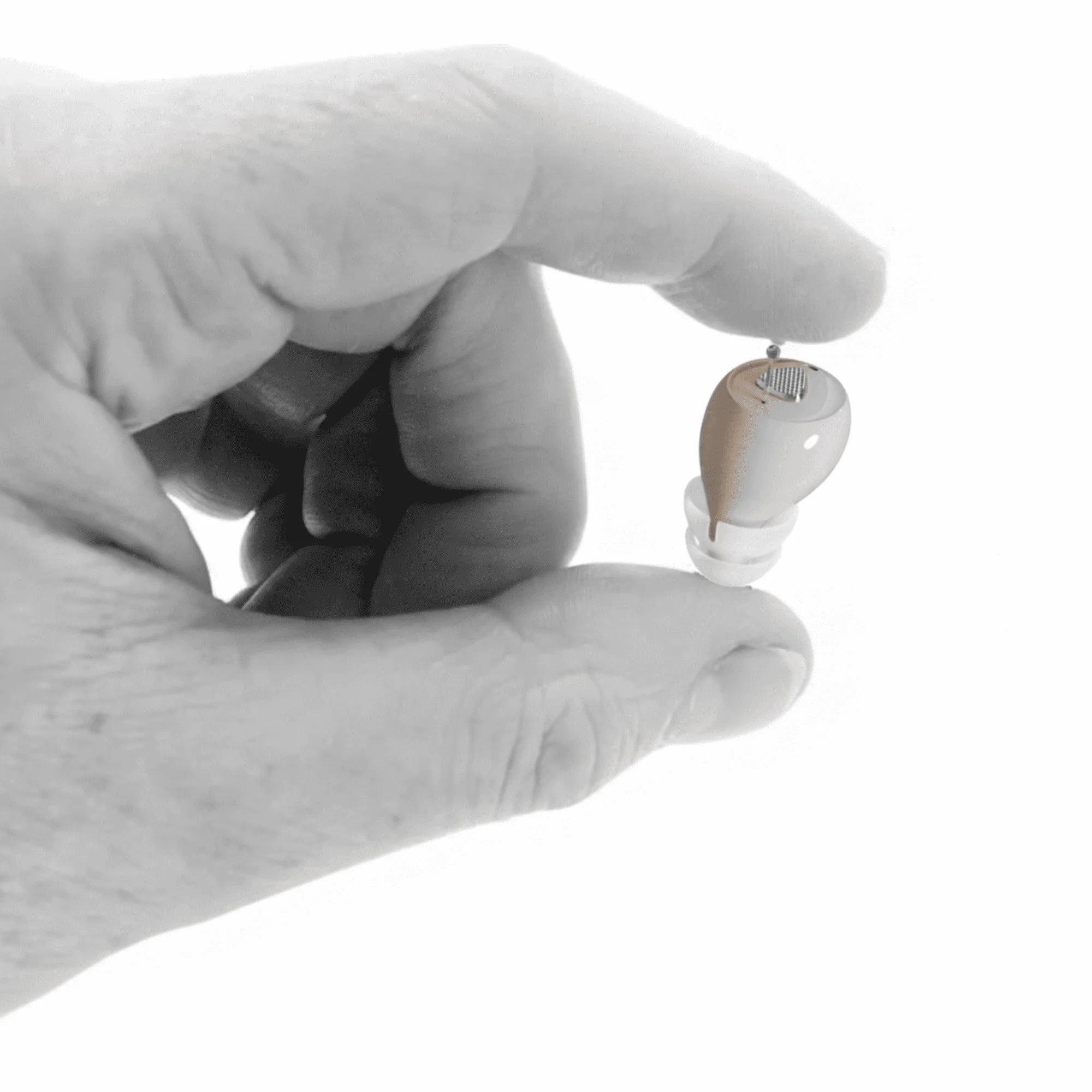
Uno studio della Dalhousie University su 179 adulti a basso reddito ha rilevato che un programma comunitario di assistenza per gli apparecchi acustici ha prodotto un uso quotidiano costante e riduzioni significative e durature del disagio uditivo riferito dai pazienti.
Per molti adulti con perdita dell'udito, il principale ostacolo a un migliore ascolto non è la tecnologia. È il denaro, insieme alla difficoltà pratica di raggiungere i servizi audiologici. I ricercatori sospettano da tempo che, eliminando questi ostacoli, i risultati per le persone svantaggiate sarebbero molto diversi.
Un nuovo studio condotto in Nova Scotia, in Canada, dà a questa idea dei numeri concreti. Ha seguito adulti che hanno ricevuto apparecchi acustici attraverso un programma di assistenza finanziato dalla provincia e ha monitorato, nell'arco di un intero anno, quanto usassero i dispositivi e come cambiassero le loro difficoltà uditive quotidiane.
Titolo: Advancing Hearing Care Equity: Outcomes From a Community-Based Hearing Aid Assistance Program for Underserved Adults
Autori: Zahra Jafari, Sarah Mason, Sarah Wilson
Affiliazioni: School of Communication Sciences and Disorders, Dalhousie University, Halifax, Nova Scotia, Canada; Department of Psychology and Neuroscience, Division of Geriatric Medicine, and Division of Otolaryngology-Head & Neck Surgery, Dalhousie University
Rivista: American Journal of Audiology, pubblicato il 19 agosto 2026
Tipo di studio: Studio longitudinale retrospettivo
DOI su PubMed: 10.1044/2026_AJA-26-00091
Contesto: perché i ricercatori hanno condotto lo studio
L'accesso ai servizi audiologici è spesso limitato da disuguaglianze sanitarie e difficoltà economiche. Gli apparecchi acustici possono costare migliaia di dollari attraverso i canali tradizionali, e le persone a basso reddito sono tra le meno propense a riceverli, pur soffrendo di perdita dell'udito almeno quanto gli altri.
Il gruppo di ricerca della Dalhousie University voleva capire che cosa accade quando questa barriera economica viene rimossa in modo deliberato. Ha studiato il Dalhousie Hearing Aid Assistance Program - Community Services, un'iniziativa finanziata dalla provincia della Nova Scotia e pensata per ampliare l'accesso alle cure dell'udito per gli adulti a basso reddito.
Al centro dello studio c'erano due domande. Le persone che ricevevano gli apparecchi acustici tramite il programma li avrebbero davvero indossati? E il loro disagio uditivo percepito, quello che gli audiologi chiamano hearing handicap, sarebbe migliorato realmente nel tempo?
Come è stato condotto lo studio
I ricercatori hanno riesaminato il sistema digitale di gestione dei pazienti del programma ed estratto i dati demografici, audiologici e autoriferiti sull'uso degli apparecchi acustici di 179 partecipanti. L'età media era di circa 59 anni e le soglie uditive medie indicavano una perdita dell'udito bilaterale di grado moderato.
I risultati sono stati misurati con due strumenti molto diffusi. L'Hearing Handicap Inventory for the Elderly - Screening Version, o HHIE-S, rileva quanto la difficoltà uditiva interferisca con la vita emotiva e sociale di ogni giorno. La Client-Oriented Scale of Improvement, o COSI, chiede a ciascuna persona di indicare le situazioni di ascolto per lei più importanti e poi valuta quanto siano migliorate.
I partecipanti sono stati valutati dopo l'applicazione degli apparecchi e poi di nuovo ai controlli a 3 e a 12 mesi, il che ha permesso al gruppo di verificare se i primi benefici si mantenessero nel corso di un anno intero di utilizzo nella vita reale.
Che cosa hanno scoperto i ricercatori
L'adesione è stata elevata. La maggior parte dei partecipanti, l'89 percento, ha ricevuto apparecchi acustici per entrambe le orecchie e l'uso medio giornaliero ha raggiunto 9,2 ore. Il dato è importante perché gli apparecchi acustici aiutano solo se vengono effettivamente indossati, e lo scarso utilizzo è una delle ragioni più comuni per cui i benefici non si manifestano.
Il disagio uditivo è diminuito in modo significativo. I punteggi totali e delle sottoscale dell'HHIE-S sono calati sia al controllo a 3 mesi sia a quello a 12 mesi rispetto alla valutazione di base successiva all'applicazione, con miglioramenti di elevata significatività statistica. In altre parole, il beneficio non è stato un effetto novità di breve durata: si è mantenuto per tutto l'anno.
Nella COSI, i partecipanti hanno riferito miglioramenti sostanziali, superiori all'80 percento, rispetto agli obiettivi di ascolto da loro stessi scelti, e i ricercatori hanno riscontrato un'ampia correlazione di 0,716 tra quanto le persone sentivano di essere cambiate e la loro capacità di ascolto finale. Un'analisi di regressione ha mostrato che il grado di perdita dell'udito e il genere erano predittori significativi dei punteggi di hearing handicap.
Lo studio ha inoltre documentato quanto fosse diffuso l'acufene in questo gruppo. Quasi la metà dei partecipanti, il 47,5 percento, lo ha riferito: il 18,4 percento lo ha descritto come persistente e il 29,1 percento come intermittente, più spesso in entrambe le orecchie.
Che cosa significa per chi ha una perdita dell'udito
Il messaggio centrale è incoraggiante: quando il costo smette di fare da barriera, gli adulti a basso reddito non si limitano ad accettare gli apparecchi acustici, ma li indossano per gran parte della giornata e riferiscono miglioramenti significativi e duraturi nella vita quotidiana.
Questo risultato smentisce l'idea che i gruppi svantaggiati non porterebbero a termine il percorso di cura dell'udito. In questo studio, l'ostacolo era l'accesso, non la motivazione. Una volta ottenuti i dispositivi, l'uso e il beneficio sono arrivati di conseguenza.
Per chi vive fuori dalla Nova Scotia, lo studio ricorda che l'aiuto per l'udito non deve aspettare circostanze perfette. Programmi, sussidi e dispositivi a costo inferiore contribuiscono tutti ad abbattere la stessa barriera che questo programma è stato creato per rimuovere.
Abbattere la barriera del costo fuori dalla clinica
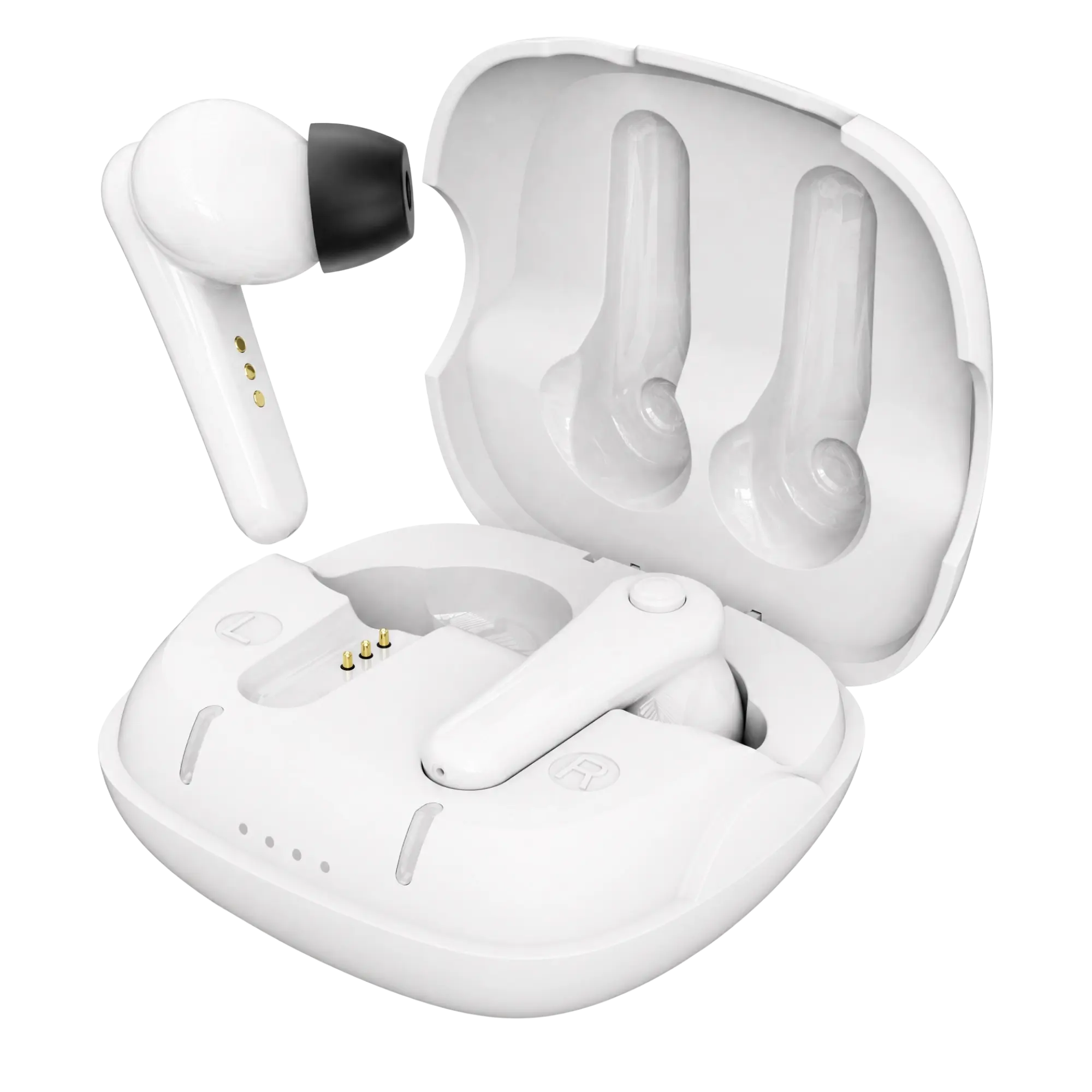
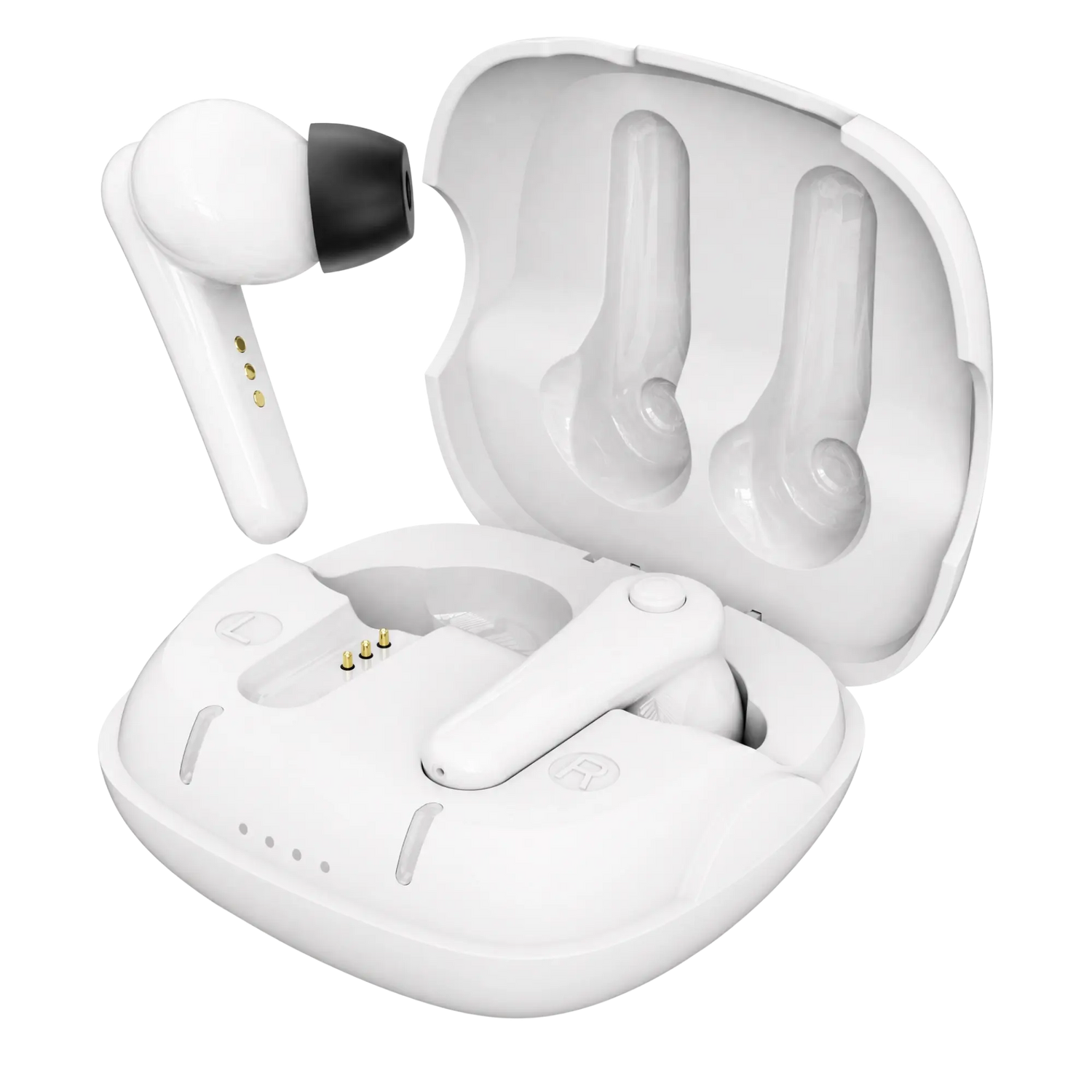
Poiché questo studio mette in evidenza il costo come ostacolo centrale alle cure dell'udito, vale la pena ricordare che i nuovi apparecchi acustici OTC approvati dalla FDA sono nati proprio per questo motivo: offrire agli adulti con perdita dell'udito da lieve a moderata un modo più accessibile per ottenere l'amplificazione. Panda Air è uno di questi dispositivi, un moderno apparecchio acustico in stile auricolare con elaborazione WDRC a 16 canali e riduzione adattiva del rumore multibanda.
Air funziona subito, appena estratto dalla confezione, e offre anche un test dell'udito in-ear opzionale tramite app, in grado di personalizzare guadagno e risposta in frequenza in base al profilo uditivo dell'utente: un apparecchio acustico OTC con autoregolazione per chi desidera questo passaggio in più. È inoltre un apparecchio ricaricabile con custodia di ricarica: la custodia a ricarica rapida garantisce 60 ore di utilizzo totale, e il Bluetooth permette di gestire chiamate, TV e musica.
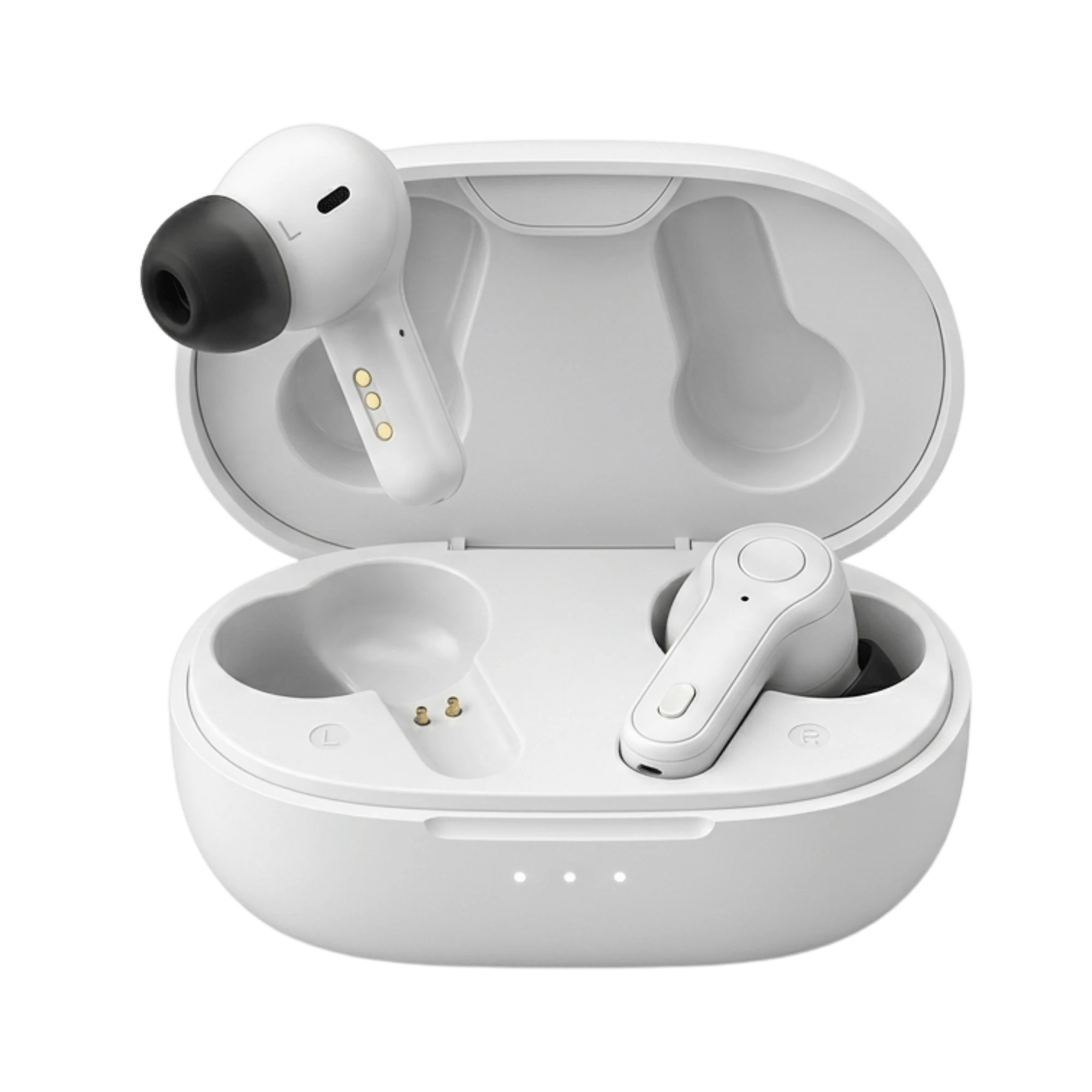
Air è coperto da una garanzia di 5 anni e da una prova di 45 giorni che decorre dalla consegna del dispositivo. Un'avvertenza da tenere presente: gli apparecchi acustici OTC sono approvati per la perdita dell'udito da lieve a moderata, e chi ha una perdita grave o profonda continua a trarre il massimo beneficio dalle applicazioni cliniche, come quelle offerte dal programma della Nova Scotia. Maggiori dettagli su pandahearing.com/products/panda-air.
Limiti di questa ricerca
Si è trattato di uno studio retrospettivo basato sui registri di un unico programma, senza un gruppo di controllo di adulti simili che non abbiano ricevuto apparecchi acustici. Alcuni esiti, come il disagio uditivo e l'uso quotidiano, erano autoriferiti, il che può introdurre distorsioni, e i risultati di un singolo programma finanziato dalla provincia della Nova Scotia potrebbero non essere generalizzabili ad altre regioni o ad altri modelli di finanziamento.
Il programma stesso è finanziato dalla provincia; l'abstract dello studio non riporta finanziamenti di ricerca separati né conflitti di interesse.
Le conclusioni
Questo studio aggiunge prove solide al fatto che l'equità nelle cure dell'udito non sia un obiettivo astratto ma misurabile: eliminata la barriera economica, gli adulti svantaggiati indossano gli apparecchi acustici per più di nove ore al giorno e, a distanza di un anno, riferiscono un disagio uditivo minore. Per chi rimanda la soluzione ai propri problemi di udito a causa del costo, il messaggio è che vale la pena cercare strade accessibili per ottenere l'amplificazione, attraverso programmi comunitari dove esistono o attraverso dispositivi a costo inferiore dove non ci sono.
Jafari Z, Mason S, Wilson S. Advancing Hearing Care Equity: Outcomes From a Community-Based Hearing Aid Assistance Program for Underserved Adults. American Journal of Audiology. 2026. Retrieved from PubMed. https://doi.org/10.1044/2026_AJA-26-00091