Éisteacht le Cluas Mhaith Amháin: Léarscáilíonn Staidéar Tionchar Fíorshaoil an Chaillteanais Éisteachta Aontaobhaigh
Faigheann staidéar nua go dtuairiscíonn daoine fásta a bhfuil caillteanas éisteachta in aon chluas amháin acu deacracht éisteachta níos mó gach lá agus rannpháirtíocht shóisialta níos srianta, agus go gcasann siad a gcinn i bhfad níos minice chun déileáil le comhrá.
Is minic a chuirtear caillteanas éisteachta in aon chluas amháin i leataobh mar fhadhb bheag. Tar éis an tsaoil, oibríonn an chluas eile go fóill. Ach insíonn daoine a mhaireann leis scéal difriúil: bíonn comhráite i seomraí gnóthacha tuirsiúil, bíonn sé deacair a rá cad as a dtagann fuaimeanna, agus tosaíonn cásanna sóisialta ag mothú cosúil le hobair.
Chuir foireann taighde ón Spáinn, ón Astráil agus ón Danmhairg romhpu an taithí bheo sin a thomhas le huirlisí a théann thar an mbosca caighdeánach tástála éisteachta. Tugann a dtorthaí, a foilsíodh san iris Audiology Research, le tuiscint nach ngabhann an audaiméadracht thraidisiúnta ach cuid den méid a dhéanann caillteanas éisteachta aontaobhach don saol laethúil.
Faoin Staidéar Seo
Teideal: Unilateral Hearing Loss: Listening Ability, Social Participation and Adaptive Strategies to Challenges in the Real World
Údair: Joaquin T. Valderrama, Colin Barbier, Paola Incerti, Jorge Mejia, Melanie Ferguson
Cleamhnais: University of Granada and CITIC-UGR (an Spáinn); National Acoustic Laboratories, Sydney; Macquarie University, Sydney; Technical University of Denmark and Copenhagen Hearing and Balance Center, Rigshospitalet (an Danmhairg); Curtin University, Perth
Iris: Audiology Research, foilsithe ar líne an 7 Meán Fómhair, 2026
Cineál staidéir: Staidéar breathnóireachta saotharlainne le bataire tástála dírithe ar an gcomhthéacs nádúrtha
DOI PubMed: 10.3390/audiolres16050133
Cúlra: Cén Fáth ar Bhreathnaigh na Taighdeoirí air Seo
Ciallaíonn caillteanas éisteachta aontaobhach, a ghiorraítear go minic go UHL, go bhfuil éisteacht laghdaithe in aon chluas amháin agus go gcloiseann an chluas eile go normálta. Toisc gurb iad dhá chluas oibre a ligeann don inchinn difríochtaí beaga ama agus airde fuaime eatarthu a chur i gcomparáid, laghdaítear dhá chumas a mheasann formhór na ndaoine mar ghnáthchúrsa nuair a chailltear taobh amháin: urlabhra a thuiscint nuair a bhíonn torann cúlra ann, agus a oibriú amach cad as a dtagann fuaim, ar a dtugann closeolaithe éisteacht spásúil.
Is í an fhadhb do chliniceoirí nár dearadh an gnáth-mheasúnú éisteachta, an t-audagram tonach íon a thomhaistear i mbosca ciúin, chun na streachailtí fíorshaoil sin a ghabháil. Is féidir le duine a bhfuil UHL air breathnú measartha maith ar pháipéar agus é fós ag seachaint bialann, dinnéar grúpa agus cruinnithe toisc go bhfuil comhrá a leanúint ansin rófhánach.
Theastaigh ó na taighdeoirí tionchar feidhmiúil UHL a shainiú ar fud roinnt gnéithe ag an am céanna: an méid a thuairiscíonn daoine faoina saol féin, cé chomh tapa is a fhreagraíonn siad d’fhuaim i dtorann, cé chomh maith is a leanann siad comhráite réalaíocha, agus fiú conas a bhogann siad a gcinn go fisiciúil chun cúiteamh a dhéanamh.
Conas a Rinneadh an Staidéar
Earcaigh an fhoireann 15 dhuine fásta a raibh caillteanas éisteachta céadfaí-néaróg measartha go dian orthu in aon chluas amháin, agus 16 dhuine fásta a raibh gnáthéisteacht acu sa dá chluas mar ghrúpa comparáide. Chuir gach duine ceistneoirí caighdeánaithe faoi mhíchumas éisteachta agus rannpháirtíocht shóisialta i gcrích, ionas go bhféadfadh na taighdeoirí a chainníochtú cé mhéad a bhí an éisteacht ag cur srian ar shaol laethúil gach duine.
D’oibrigh rannpháirtithe ansin trí bhataire tascanna éisteachta. Ina measc bhí tasc ama freagartha closamhairc a rinneadh i gciúnas agus i dtorann chúlra araon, agus an National Acoustic Laboratories Dynamic Conversations Test, a insamhlaíonn comhrá réalaíoch sruthlaithe a leanúint seachas abairtí aonair cleachta a athrá. Le linn dóibh a bheith ag éisteacht, rianaigh na taighdeoirí treoshuíomh a gcinn, agus ina dhiaidh sin bhailigh siad féintuairiscí faoin méid iarrachta a bhí i gceist leis na tascanna.
Anailíseadh difríochtaí grúpa le samhlacha staitistiúla éifeachtaí measctha agus tástálacha t, agus scrúdaigh aischéimniú taiscéalaíoch cé na tomhais inrochtana a d’fhéadfadh difríochtaí aonair a mhíniú i gcomhthuiscint urlabhra i dtorann laistigh den ghrúpa UHL.
An Méid a Fuair na Taighdeoirí
Bhí an toradh is soiléire sa mhéid a thuairiscigh rannpháirtithe faoina saol féin. Chuir daoine fásta a raibh UHL orthu síos ar dheacrachtaí éisteachta i bhfad níos mó agus ar shrianta níos mó ar a rannpháirtíocht shóisialta ná an grúpa a raibh gnáthéisteacht acu. Ar bhealach eile, bhí fadhb éisteachta an duine le cluas amháin le feiceáil ní hamháin sna saotharlanna ach sa cheist an raibh daoine in ann páirt a ghlacadh sa saol sóisialta.
Ar an tasc leanta comhrá, d’fheidhmigh an grúpa UHL beagán níos measa i dtorann ná an grúpa comparáide. Ar bhealach spéisiúil, ní raibh an bhearna sin suntasach go staitistiúil a thuilleadh nuair a choigeartaigh na taighdeoirí don aois, rud a mheabhraíonn dúinn gur fachtóir cumhachtach í an aois féin in éisteacht in áiteanna torannacha.
D’inis amanna freagartha scéal uilíoch: d’fhreagair gach duine, is cuma cén stádas éisteachta, i bhfad níos moille d’fhuaimeanna i dtorann ná i gciúnas. Ní raibh difríocht shuntasach idir na grúpaí ar an tomhas seo.
Léirigh na sonraí rianaithe cinn iompar cúitimh sainiúil. Threoraigh rannpháirtithe le UHL a gcinn i bhfad níos mó i dtreo a dtaobh is measa éisteachta agus léirigh siad athraitheacht níos mó i suíomh an chinn agus iad ag éisteacht, fianaise fhisiciúil ar an athsuíomh leanúnach a chuireann go leor daoine a bhfuil caillteanas éisteachta aontaobhach orthu síos air agus iad i mbun comhrá.
Ar deireadh, bhí an chuma ar shamhail thaiscéalaíoch a chomhcheangail am freagartha i dtorann le trí mhír fhéintuairiscithe go raibh cuid mhór de na hathruithe in fheidhmíocht urlabhra i dtorann á míniú aici, le R-chearnaithe coigeartaithe de 0.71. Ach nuair a chuir na taighdeoirí an tsamhail faoi thástáil struis le trasbhailíochtú inmheánach, tháinig laghdú suntasach ar a feidhmíocht thuartha, go 0.19, agus mar sin bíonn siad cúramach cur síos a dhéanamh uirthi mar phointe tosaigh seachas uirlis bhailíochtaithe.
Cad a Chiallaíonn Sé do Dhaoine a bhfuil Caillteanas Éisteachta Orthu
Cuireann an staidéar meáchan le rud a bhí á rá le fada ag daoine a bhfuil caillteanas éisteachta orthu: ní hé an t-audagram an scéal ar fad. Is féidir le beirt le torthaí tástála cosúla saolta an-difriúla a chaitheamh ag brath ar an gcaoi a n-iompraíonn a gcuid éisteachta i dtorann, cé mhéad iarrachta a éilíonn éisteacht, agus cé chomh mór is a tharraingíonn siad siar ó chásanna sóisialta dá bharr.
Tugann sé le tuiscint freisin go bhféadfadh cliniceoirí go leor a fhoghlaim ó thomhais shimplí inrochtana, cosúil le ceistneoirí gearra agus tascanna ama freagartha, a ghabhann feidhm fhíorshaoil. Do dhuine ar bith a bhfuil amhras air go bhfuil a chuid éisteachta ag cur srian ar a shaol sóisialta, is cúis iad na torthaí sin na taithí sin a chur síos go mion do ghairmí seachas brath ar thástáil an bhosca amháin.
Agus tugann toradh treoshuímh an chinn ainm do nós a aithneoidh go leor: an chluas mhaith a chlaonadh i dtreo an chainteora, an tráthnóna ar fad. Is cuid den chúis é an cúiteamh fisiciúil leanúnach sin a bhfágann suíomhanna sóisialta torannacha go leor daoine a bhfuil caillteanas éisteachta orthu ag mothú traochta.
Nuair Is é an Torann an Chuid is Deacra den Chomhrá, Cabhraíonn Urlabhra Níos Soiléire
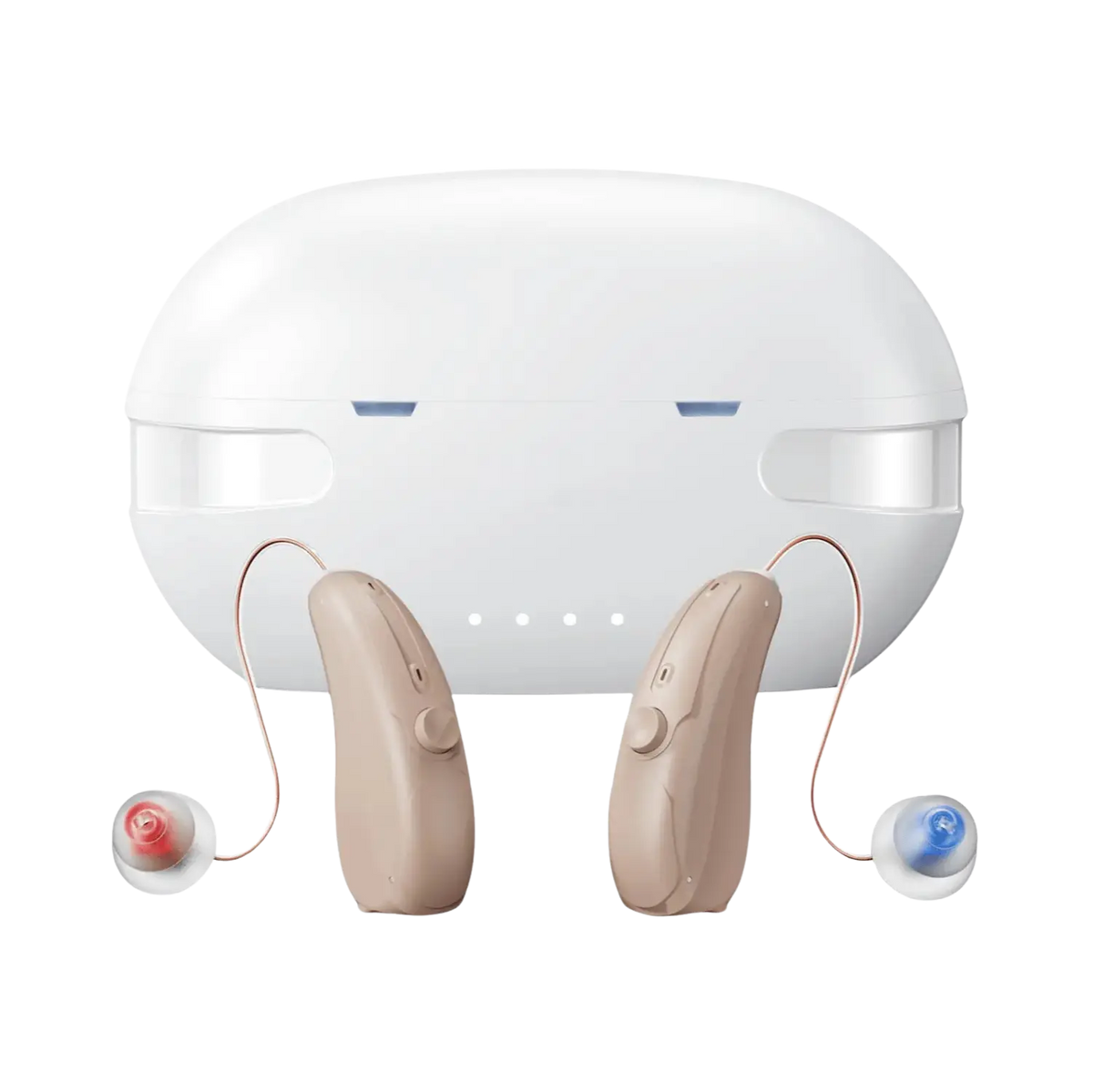
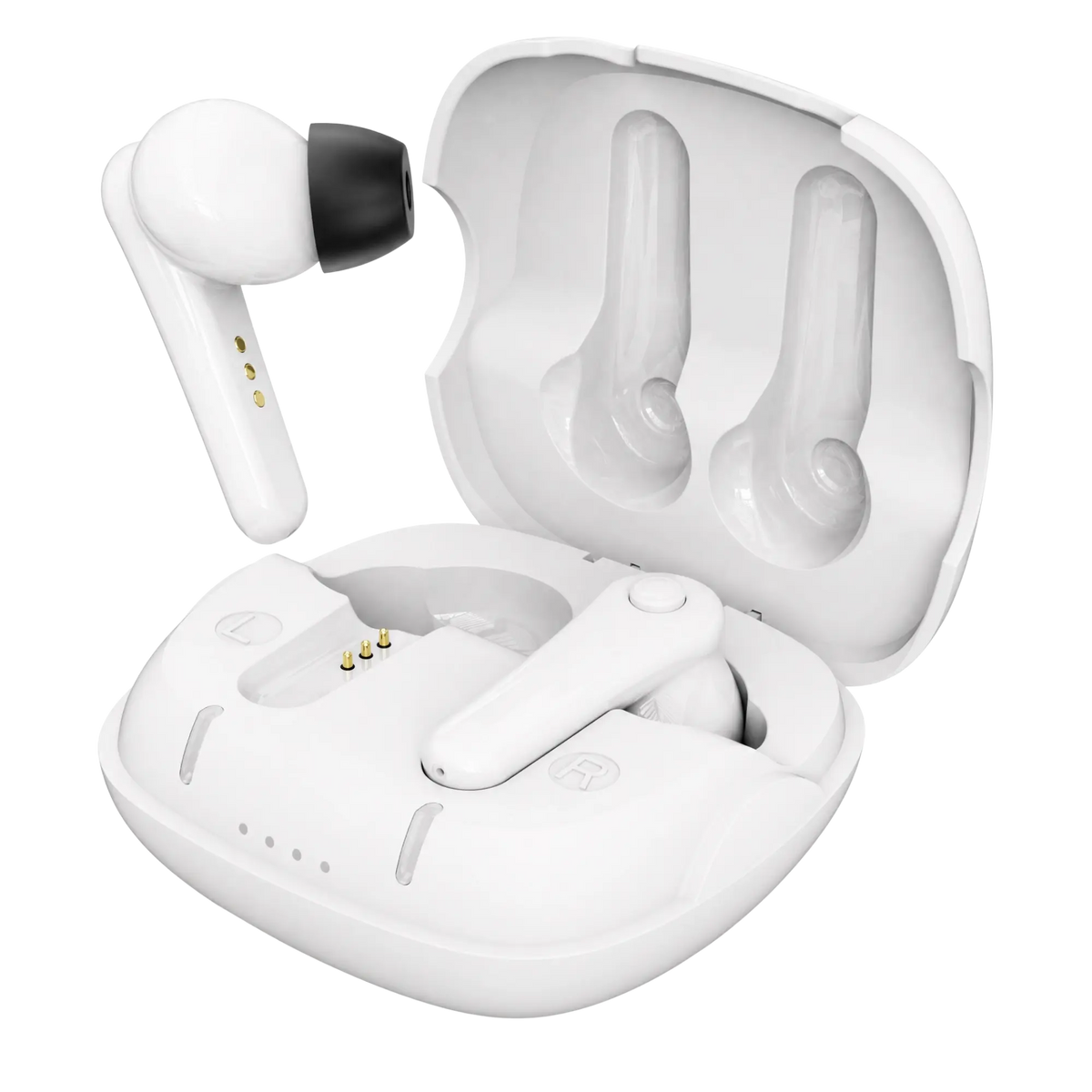
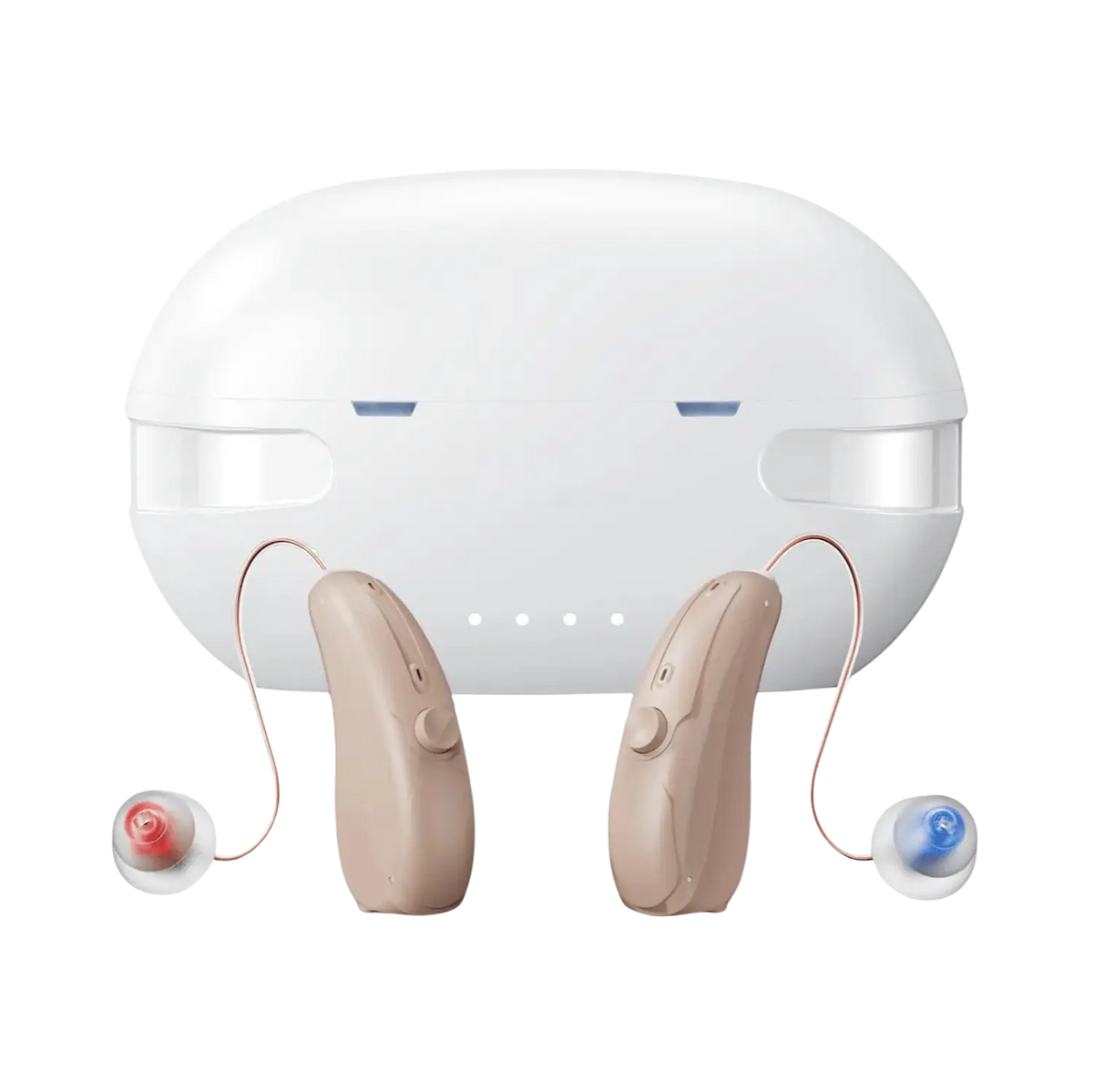
Toisc go gcuireann an staidéar seo uimhreacha ar an gcaoi a bhfuil torann cúlra, iarracht éisteachta agus rannpháirtíocht shóisialta fite fuaite ina chéile, léiríonn sé cén fáth a bhfuil an oiread sin de theicneolaíocht éisteachta nua-aimseartha dírithe go díreach ar fhadhb na hurlabhra i dtorann. Tá an teicneolaíocht sin níos éasca a fháil de bharr cabhairghléasanna éisteachta FDA-OTC. Is sampla amháin é Panda Quantum: gléas glacadóra-sa-chanáil 16 chainéal le laghdú torainn oiriúnaitheach, deartha mar chabhairghléas éisteachta urlabhra-i-dtorann le haghaidh urlabhra níos soiléire i dtimpeallachtaí torannacha cosúil leis na comhráite grúpa a d’insamhail an staidéar seo.
Ritheann Quantum 20 uair an chloig in aghaidh an luchtaithe, agus iompraíonn a chás trí luchtú iomlána breise le haghaidh 80 uair an chloig d’úsáid iomlán. Sruthaíonn sé glaonna, teilifís agus ceol thar Bluetooth, agus tagann sé le barántas 5 bliana agus triail 45 lá a thosaíonn nuair a shroicheann an táirge. Is féidir le haip chompánach roghnach seiceáil éisteachta shonrach ar mhinicíocht a rith tríd an gcabhairghléas féin agus an gnóthú agus an fhreagairt mhinicíochta a phearsanú do phróifíl éisteachta an úsáideora, cé go n-oibríonn Quantum díreach as an mbosca gan an aip ná an tástáil.
Rabhadh amháin is fiú a athrá ó chomhthéacs an taighde: tá cabhairghléasanna éisteachta OTC ceadaithe do chaillteanas éisteachta éadrom go measartha. Bhí caillteanas measartha go dian ar rannpháirtithe an staidéir seo sa chluas thionchar, agus baineann daoine sa raon dian-go-géar tairbhe is mó fós as feistiú cliniciúil le closeolaí. Tá sonraí ar fáil ag pandahearing.com/products/panda-hearing-aids-quantum.

Teorainneacha an Taighde Seo
Staidéar beag a bhí anseo, le 15 rannpháirtí sa ghrúpa UHL agus 16 sa ghrúpa comparáide, agus níor meaitseáladh na grúpaí ar aois, rud a raibh tábhacht leis: chaill an difríocht urlabhra i dtorann a suntasacht staitistiúil tar éis choigeartú na haoise. D’fheidhmigh an tsamhail thuartha, a raibh cuma gheallta uirthi, i bhfad níos measartha faoi thrasbhailíochtú, agus iarrann na húdair féin bailíochtú i gcohóirt níos mó, aoise-mheaitseáilte, neamhspleácha sula n-úsáidtear í chun cinntí a dhéanamh.
Dearbhaíonn na húdair nach bhfuil aon choimhlint leasa acu.
An Áit a bhFágann Seo Sinn
Ní fadhb leathmhéide é caillteanas éisteachta aontaobhach, agus cabhraíonn an staidéar seo le míniú cén fáth: tá a chostais le feiceáil i seomraí torannacha, i gcasadh cinn leanúnach, agus sna hócáidí sóisialta a scoireann daoine go ciúin de bheith ag freastal orthu. Is cosúil gurb í tomhas na ngnéithe fíorshaoil sin, seachas tairseacha an bhosca amháin, an treo ina bhfuil taighde cúraim éisteachta ag dul, agus is dea-scéal é sin do dhuine ar bith nár mheaitseáil a n-audagram a dtaithí riamh go hiomlán.
Valderrama JT, Barbier C, Incerti P, Mejia J, Ferguson M. Unilateral Hearing Loss: Listening Ability, Social Participation and Adaptive Strategies to Challenges in the Real World. Audiology Research. 2026. Retrieved from PubMed. https://doi.org/10.3390/audiolres16050133