New Research Reveals the 3 Biggest Reasons People Don't Get Hearing Help 2026 Study
Most people wait years before doing anything about their hearing. A new peer-reviewed study just mapped out exactly why — and two of the three biggest reasons are the very problems Panda Hearing was built to solve.
There's a quiet pattern in almost every family where a loved one has hearing loss. The TV creeps louder. Phone calls get shorter. Dinner conversation becomes something to nod through. Everyone around them notices, but somehow the hearing aids never get ordered. Why?
A new qualitative study published April 22, 2026 in Disability and Rehabilitation set out to answer that question. The researchers interviewed 22 adults with hearing loss about what stopped them from seeking care, and what would have helped. The answers are striking — and they say as much about the hearing aid industry as they do about the people it is supposed to serve.

What the 2026 Study Found
The research team from the University of Queensland and Universiti Sains Malaysia used the COM-B behavioral model, a framework that breaks behavior down into Capability, Opportunity, and Motivation. According to PubMed, their findings cluster into three consistent barriers that keep people from stepping into hearing care:
1. Lack of awareness and knowledge about hearing loss and the services available to treat it.
2. Financial constraints — people simply could not afford prescription hearing aids or the repeated audiology visits they require.
3. Stigma tied to wearing a visible, medical-looking device.
On the flip side, the three things that helped people finally act were family support, community outreach programs, and public funding. The research was conducted in Malaysia, but the authors note the findings likely apply broadly to "other low- and middle-income countries facing similar challenges" — and anyone who has shopped for hearing aids in the United States will recognize the same three walls.
Source: Romli et al. 2026, Disability and Rehabilitation. DOI: 10.1080/09638288.2026.2658947.
Barrier 1: "I Didn't Know My Options"
The study's first barrier is awareness. Most adults with hearing loss did not know what kind of hearing support existed, what FDA-OTC hearing aids are, or that a professional-quality device could be ordered without a clinic visit. This gap is not the user's fault — hearing care has traditionally sat behind gatekeepers, and the industry has not done enough to make options clear.
This is where something simple matters: a friendly team on the other end of the phone. Panda offers lifetime customer support, a clear contact page, and guidance from people trained in hearing care. Whether someone is comparing an invisible device to an earbud-style one, or figuring out whether they need one hearing aid or a pair, they can reach a human at Panda. No clinic referral, no 90-day waiting list.
Awareness is also why Panda publishes its technical specs plainly — channels, frequency range, battery life, warranty length — so customers can compare exactly what they are buying instead of wading through marketing language.
Barrier 2: The Price Wall
Financial cost was the second major barrier in the study, and it is the one that hit hardest in the interview quotes. Traditional prescription hearing aids in the United States commonly run $3,000 to $6,000 a pair, plus a stream of fitting appointments, tuning visits, and warranty renewals. That price tag turns a health decision into a household budget crisis.
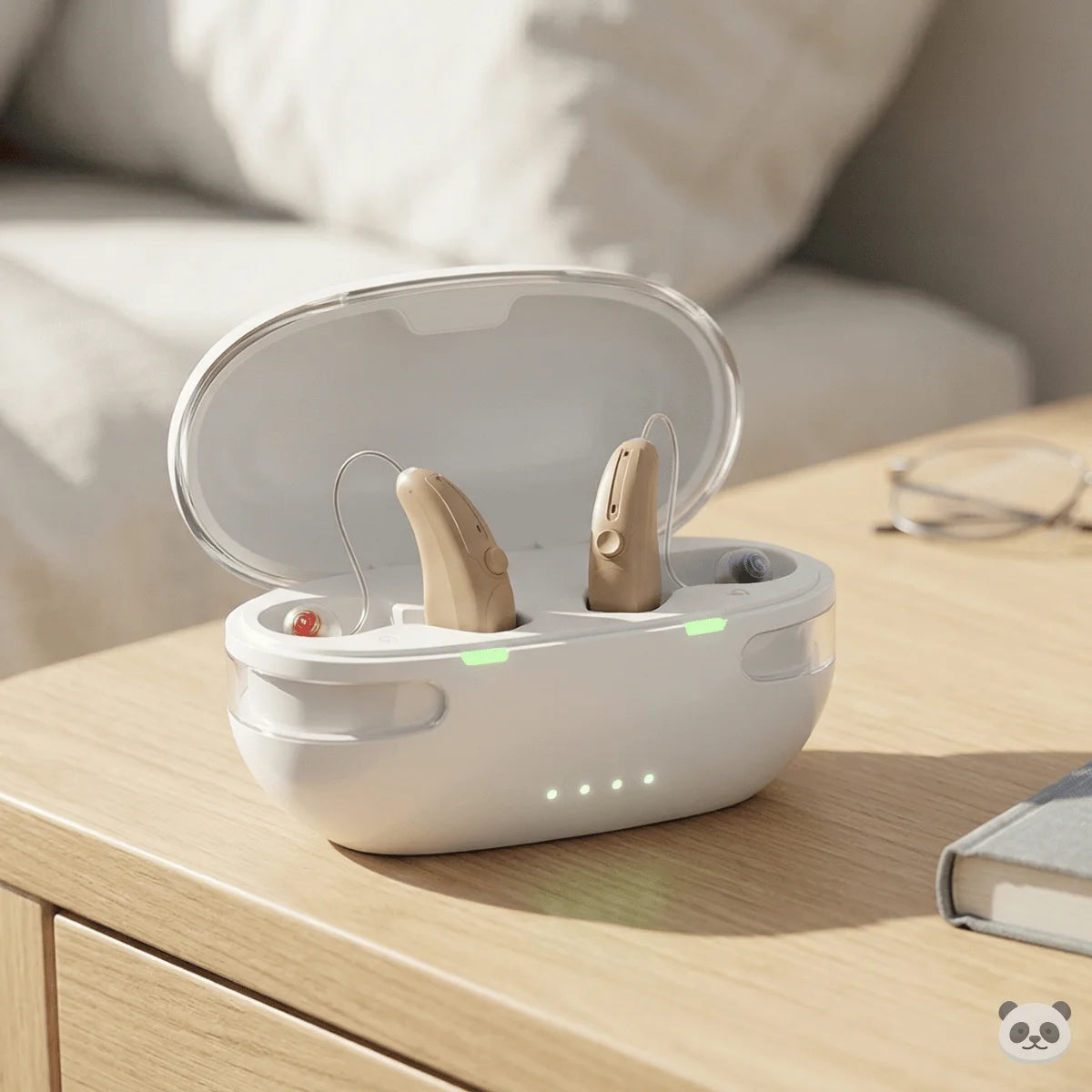
The FDA-OTC category, which Panda operates in, exists precisely to break that wall down. Panda Quantum delivers 16-channel wide-dynamic-range compression, adaptive noise reduction, Bluetooth streaming, and a clinically tuned self-fitting test at a fraction of prescription pricing. Its advanced self-fitting chip adjusts sound frequencies just like an audiologist — but without the appointments or high costs. Combined with a 5-year warranty, 45-day risk-free trial, and free shipping, it dismantles the financial barrier the study describes without asking the customer to compromise on quality.

Barrier 3: "I Didn't Want to Look Old"
Stigma is the barrier that rarely gets discussed at the kitchen table, but it shows up in nearly every interview transcript. Wearing a beige banana-shaped device behind the ear can feel, to many people, like wearing a sign that says "I am aging" or "something is wrong with me." That visible signal keeps millions of people quietly struggling rather than seeking help.
Panda addressed this problem directly by building two distinct product lines for the two people the stigma affects most.
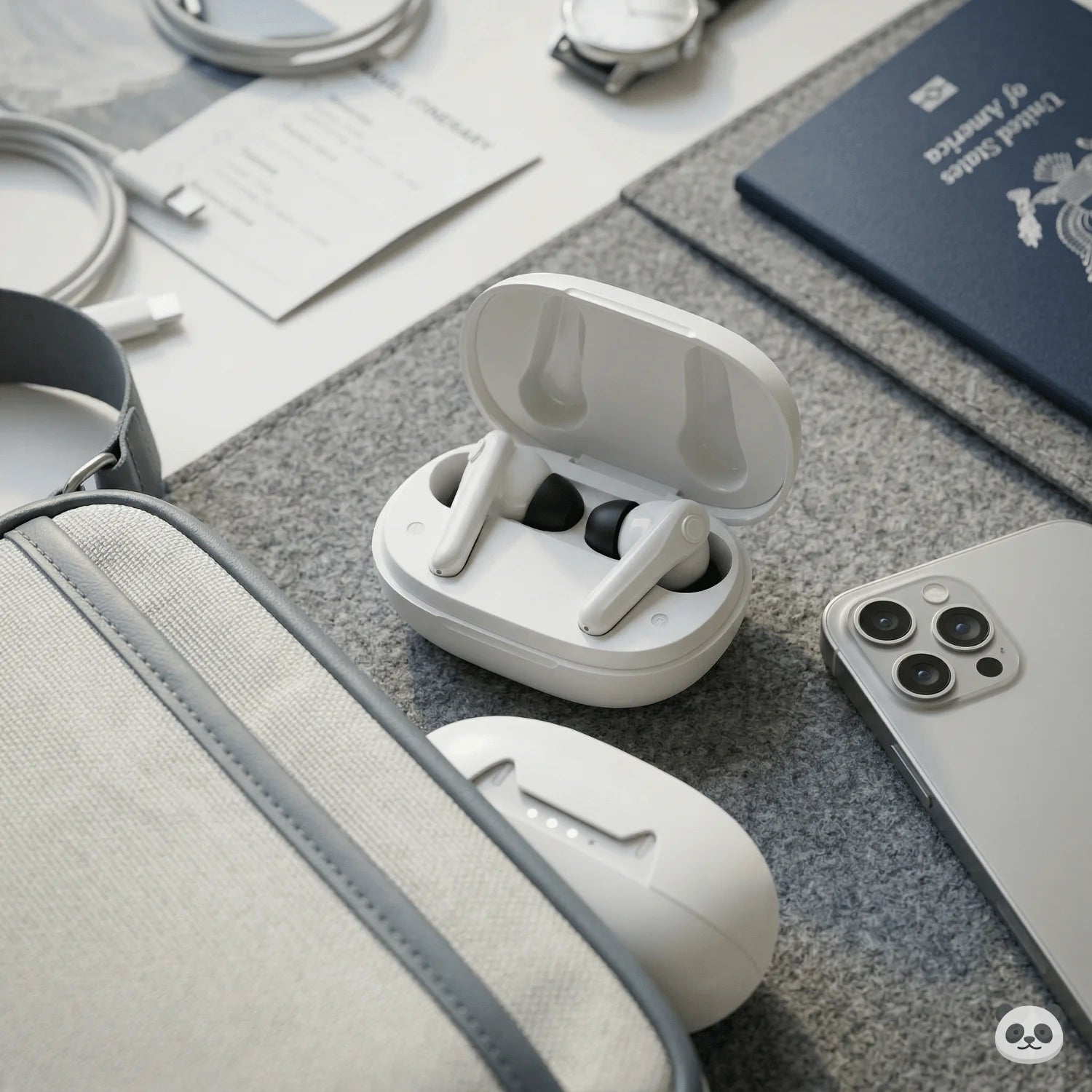
For the person who wants to stay active and modern without looking clinical, Panda Air was designed to look and feel like everyday wireless earbuds — not a medical device. It delivers 16-channel digital processing, multi-band adaptive noise reduction, Bluetooth streaming, and up to 60 hours of total use with the fast-charge case. As the Panda Air landing page puts it: "Hearing That Looks Like Everyday Life."
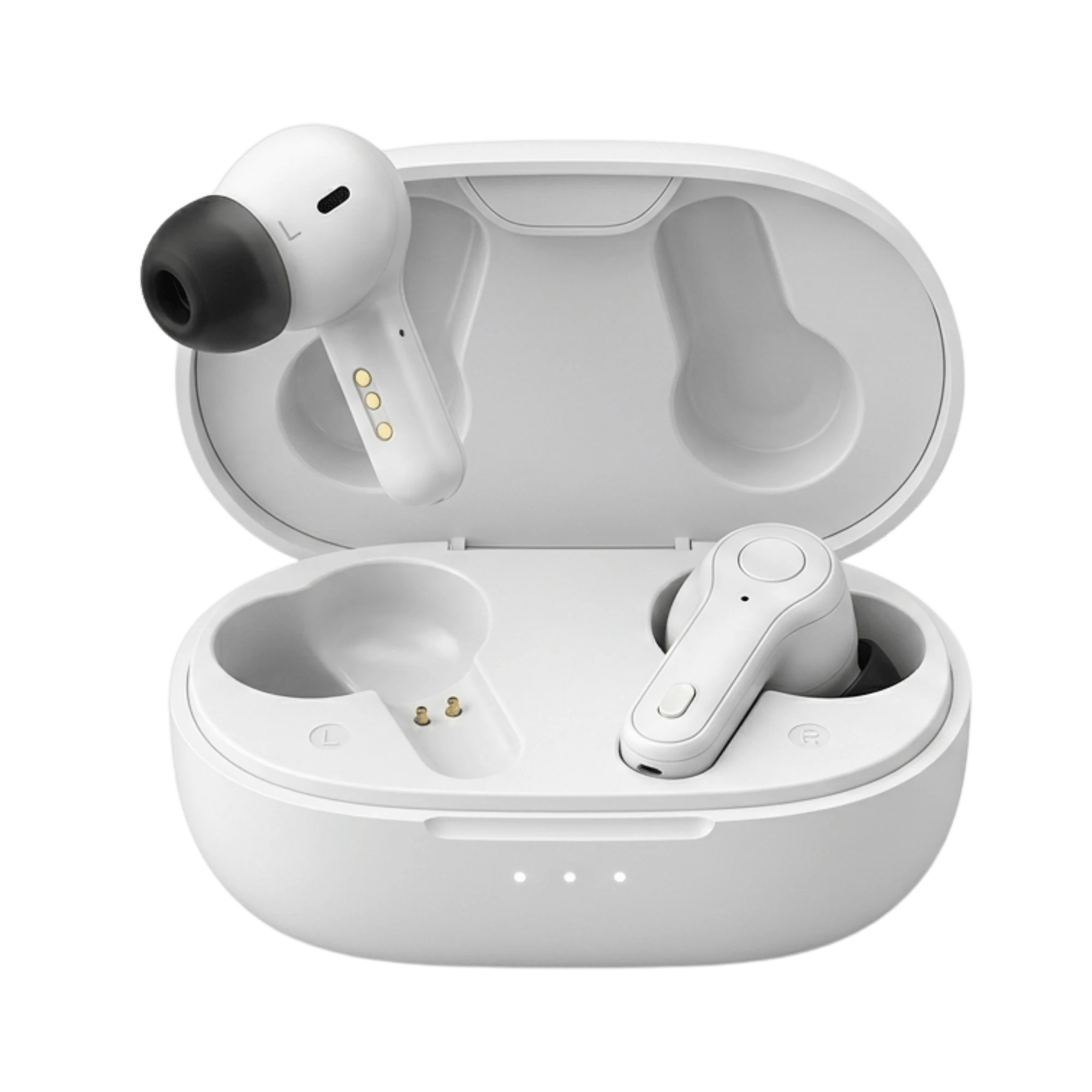
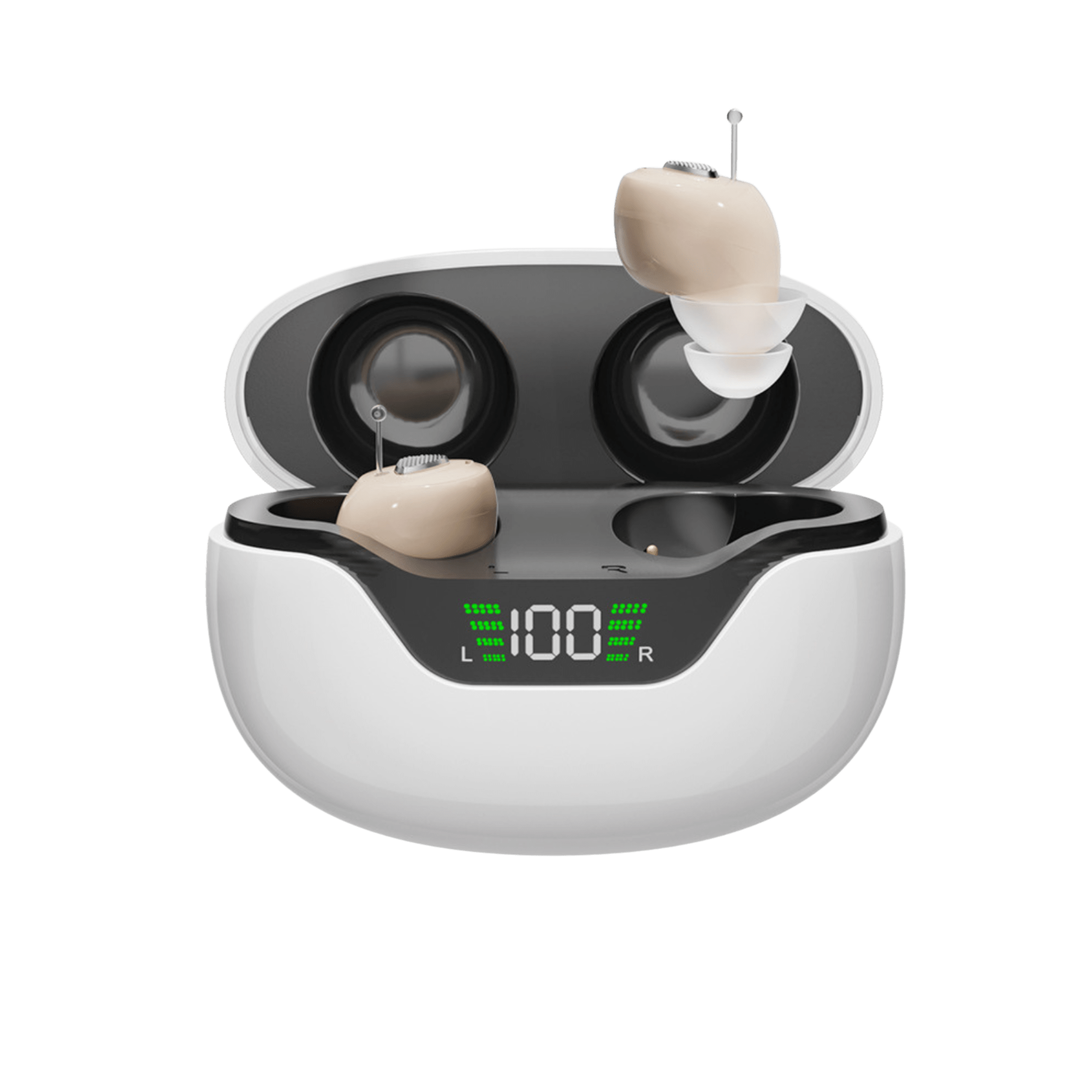
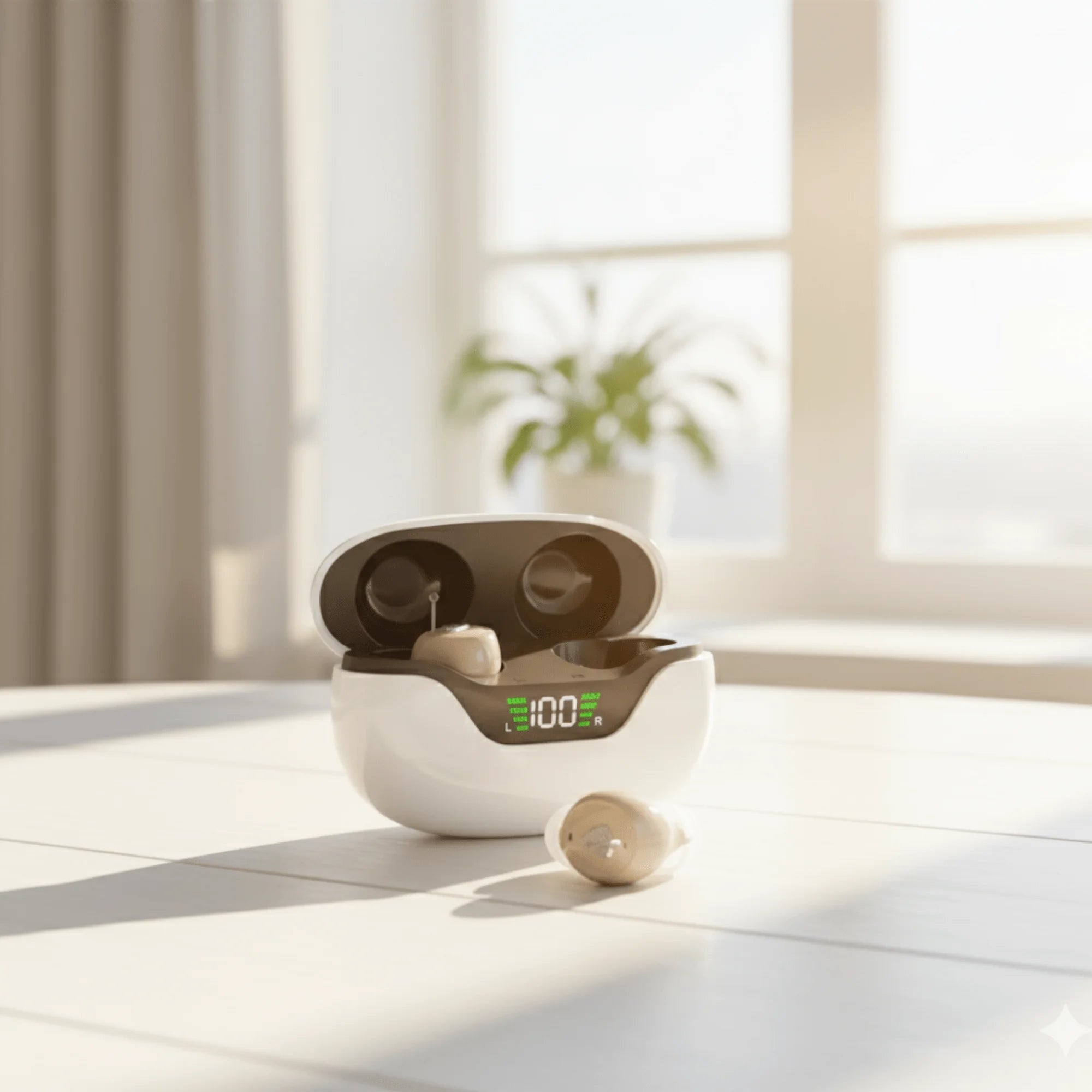
For the person who wants their hearing aid to be completely invisible, Panda Stealth weighs just 2.3 grams, about the weight of a dime, and disappears into the ear canal. Volume is controlled wirelessly through the charging case, so there is nothing to touch or fiddle with in public. No one will notice you're wearing it, but you'll notice everything you've been missing.

The Three Facilitators — And What They Have in Common
The study also identified what actually helped people take action: family support, community outreach, and public funding. Each of these has a common thread — they lower the emotional and practical cost of seeking help. A child who orders the hearing aid for their parent. A community event where people can try a device before buying it. A program that pays part of the bill. Each one removes a reason to delay.
A 45-day risk-free trial plays the same role on a private scale. It gives a family member a low-stakes way to say "just try it for six weeks — if it doesn't help, send it back." That alone is often the nudge that finally turns a decade of delay into a decision.
According to the World Health Organization, taking early action on hearing support is one of the most effective ways to stay connected, independent, and engaged in daily life.
Quick Facts
A 2026 qualitative study in Disability and Rehabilitation identified three main barriers to hearing care: lack of awareness, financial cost, and stigma.
Panda Hearing offers three FDA-OTC hearing aids — Panda Quantum (16-channel RIC with Bluetooth and self-fitting), Panda Air (earbud-style ITC with 60-hour case), and Panda Stealth (2.3g invisible ITC) — each built to address one or more of the barriers the research identified.
All three models include a 5-year warranty, 45-day risk-free trial, free shipping, and lifetime support from Panda's customer team.
The Verdict. The 2026 research confirms what families have been quietly experiencing for years — awareness, cost, and stigma are the real reasons millions of people with hearing loss do not seek help. Panda Hearing was built around those exact walls. Affordable FDA-OTC pricing. Designs that either look like modern earbuds or disappear entirely. Transparent specs, a real support team, a 45-day trial, and a 5-year warranty. Better hearing, without the old barriers.
Frequently Asked Questions
Do I need a hearing test?
No clinic visit is required. Panda Quantum and Panda Air include a clinically tuned 10-minute online hearing test that personalizes the sound to your specific hearing profile at home.
Are your hearing aids FDA-approved?
Yes. All three Panda models are FDA-OTC compliant and meet FCC, CE, ROHS, and EMC certifications, with ISO 9001 manufacturing standards.
How do you keep your prices so low compared to others?
Panda sells direct to customers under the FDA-OTC framework, so there are no clinic markups or repeated fitting fees. That is how the same clinical-grade technology reaches you at a fraction of prescription pricing.
Hear the Life You Love — Without the Old Barriers
The research is clear. The barriers that keep people from hearing again are not the device itself — they are awareness, price, and stigma. Panda Hearing built its entire product line to dismantle those three walls. If you or someone you love has been waiting, you can try any Panda hearing aid risk-free for 45 days. If it doesn't change your day, send it back. If it does, you'll wonder why you waited so long.
Source: Romli M, Anantharaman D, Dawes P, Timmer BHB. Exploring the perceived barriers and facilitators for accessing audiology services in Malaysia by adults with hearing loss: a qualitative study using the COM-B model. Disability and Rehabilitation. 2026. Retrieved from PubMed. DOI: 10.1080/09638288.2026.2658947