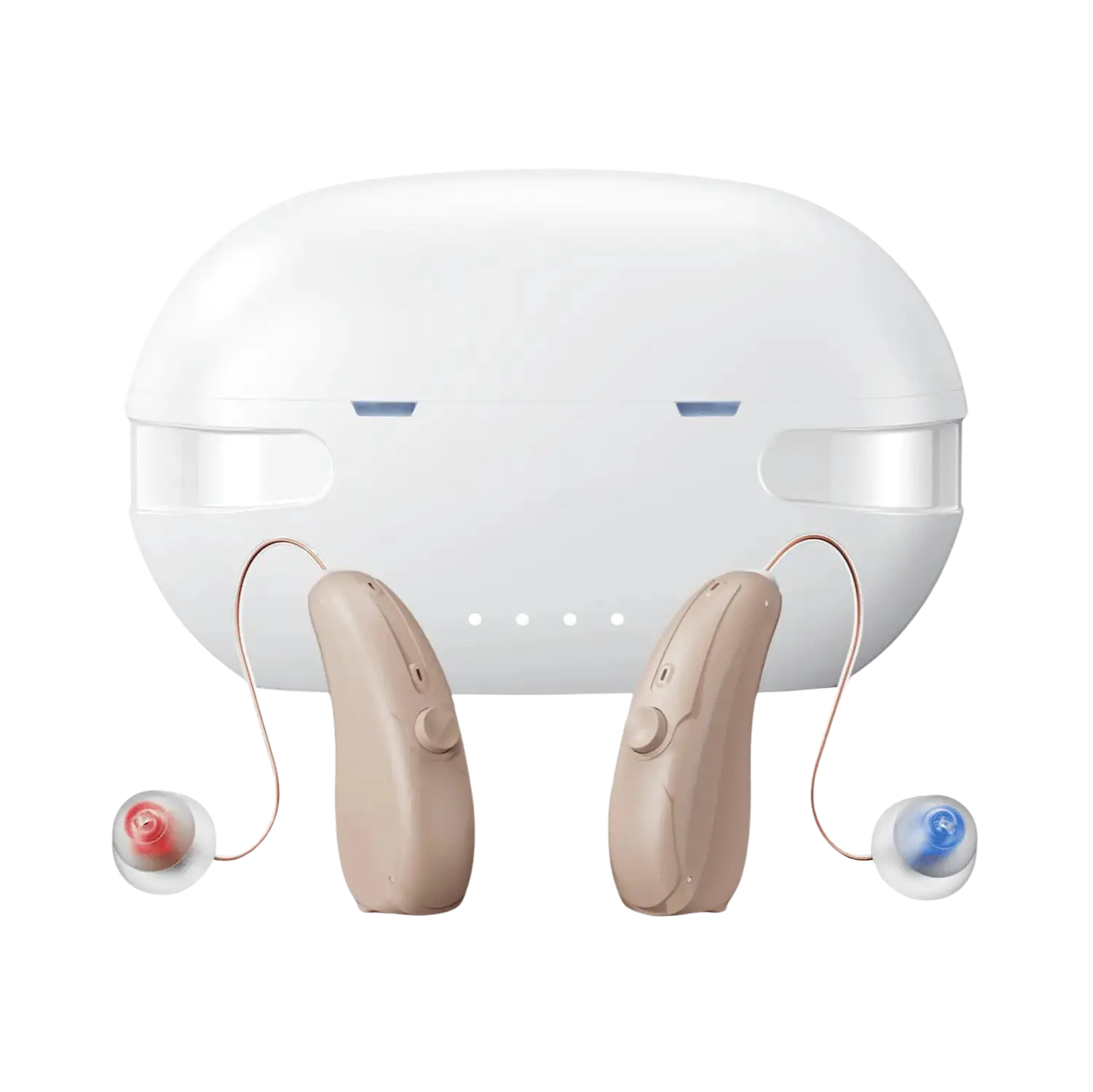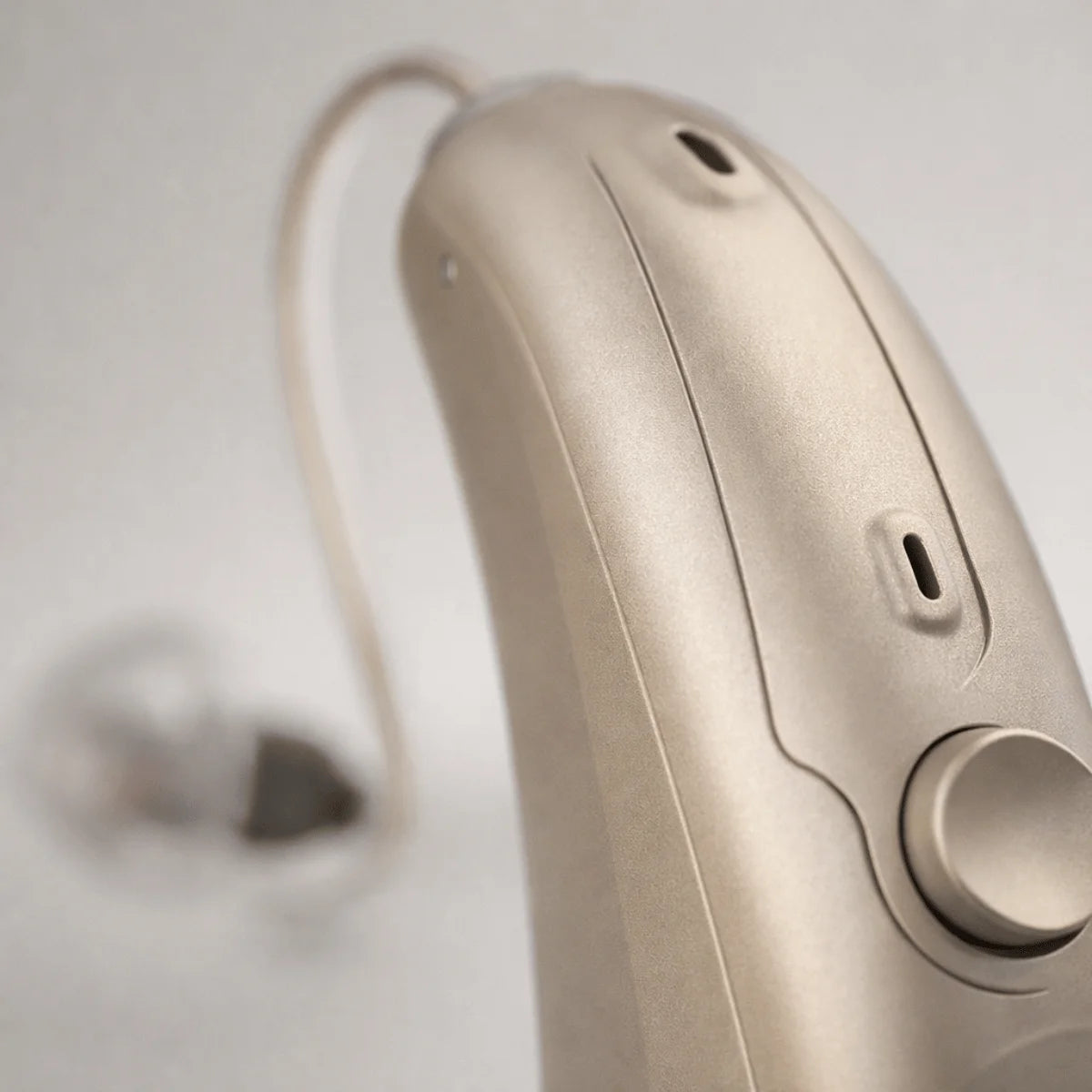
Panda Quantum vs Beltone Serene: Deja de preguntar "¿Qué?" Cada cinco minutos
Estás en una cafetería. Un amigo se acerca para decirte algo importante. Coges la mitad. "¿Qué dijiste?" Lo repiten. Todavía te faltan piezas. Lo dicen por tercera vez, más lento y más fuerte. Ambos sienten la incomodidad ahora. La conversación deja de ser humana y pasa a ser trabajo.
Cuando un audífono no puede separar el habla del ruido en tiempo real, usted no está escuchando conversaciones, sino que está escuchando. Estás pidiendo repetición porque la ayuda filtró las consonantes, se tragó el ritmo o ahogó la voz en el ruido de fondo. La persona que habla se siente rechazada. Te sientes agotado. El verdadero problema: la reducción de ruido de su audífono es demasiado agresiva o su tecnología de detección del habla no es lo suficientemente rápida como para captar el diálogo antes de que ya lo haya perdido.
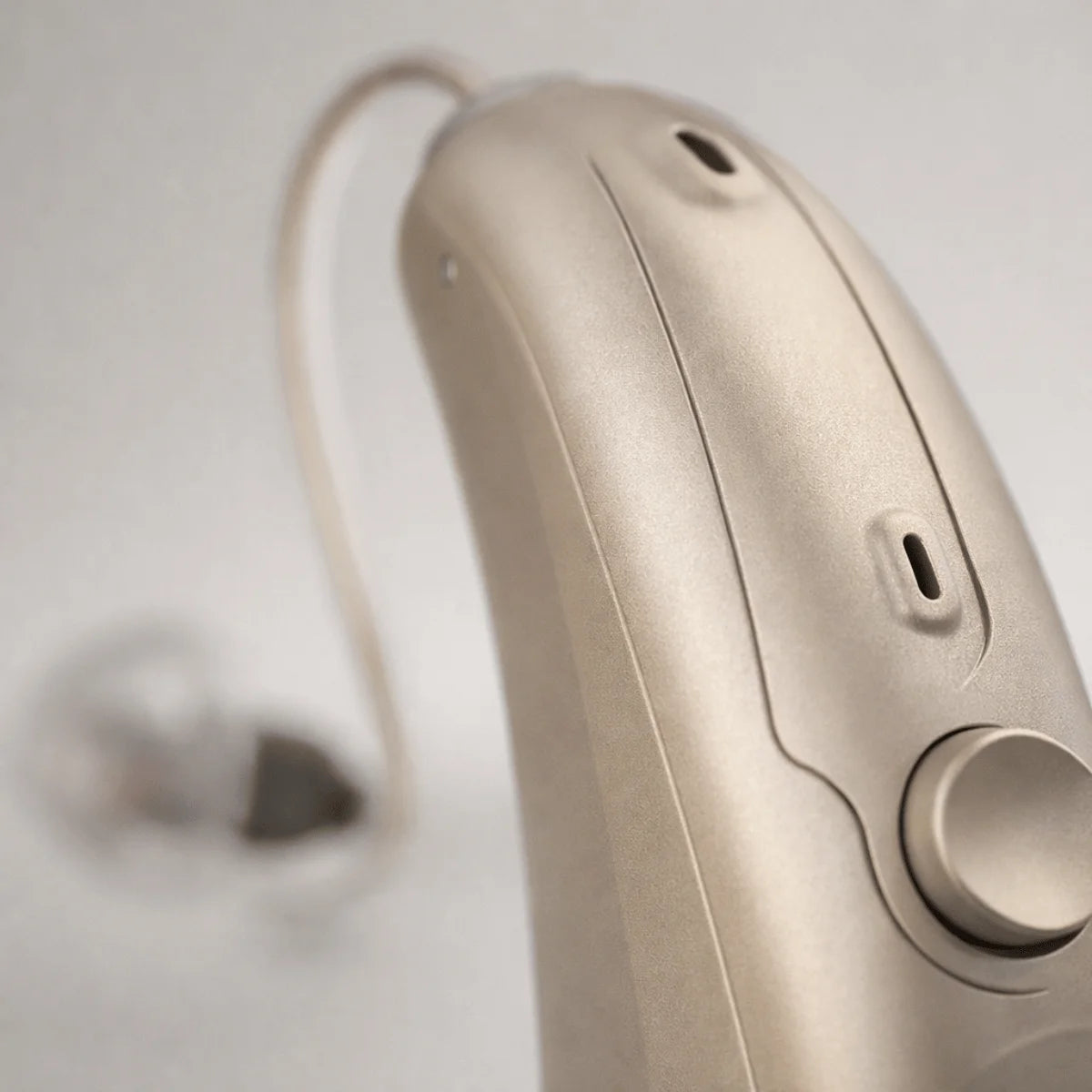
La Comparación: Panda Quantum vs Beltone Serene
| Característica | Beltone Serene | Panda Quantum |
|---|---|---|
| Precio | $2,800-$3,500 por par | $349 |
| Velocidad de detección de voz | Retraso de procesamiento estándar (se pierden consonantes) | Tecnología de adaptación instantánea de frecuencias |
| Reducción de ruido | Agresivo (corta la textura del habla) | ANR adaptativo (preserva la claridad) |
| Canales | 8-12 canales (menos precisión) | 16-canal WDRC + ANR (control exacto) |
| Controles de grifo | Sí, pero limitado (requiere configuración) | Sí, además de control total de la aplicación |
| Rango de frecuencia | Comprimido (consonantes faltantes) | 250-5,500 Hz de banda ancha (voz completa) |
| Modelo de ajuste | Dependiente de la oficina (control de acceso) | Prueba en línea de 10 minutos clínicamente sintonizada |
| Garantía + Garantía | 2 años limitados (30 días de prueba) | 5 años de garantía + 45 días de garantía de devolución de dinero |
¿Por qué sigues diciendo "¿Qué?" Con Beltone Serene
Beltone Serene tiene reducción de ruido, pero funciona a la antigua usanza: suprime el sonido en gran medida. El problema es que las consonantes (las letras que transmiten 40% claridad del habla) viven justo al lado de las frecuencias de ruido. Cuando el algoritmo de Beltone Serene intenta eliminar el ruido, también elimina la "t" de "tarde", la "s" de "esto" y la "th" de "aquello". Tu amigo está hablando, pero te faltan piezas. Preguntas "¿qué?" porque realmente no lo escuchaste.
Panda Quantum utiliza tecnología de coincidencia de frecuencia con el canal 16 WDRC. En lugar de suprimir el sonido, corrige frecuencias específicas en tiempo real. Cuando llega el habla, Quantum detecta el patrón exacto y amplifica las consonantes que necesitas mientras reduce solo el ruido debajo de ellas. Escuchas la frase completa la primera vez. Sin repetición. Ningún "¿qué?" Sin fricciones sociales.
El problema del retraso en el procesamiento Beltone Serene
Beltone Serene, como la mayoría de los audífonos clínicos, procesa el sonido a través de múltiples árboles de decisión: ¿Esto es discurso? ¿Es esto ruido? ¿Cuánto debo reducir? Para cuando decide, ya te habrás perdido el estallido de consonante que inicia la palabra. Esto no es un defecto de Beltone Serene; así es como funcionan los audífonos clínicos tradicionales. Priorizan la "seguridad" (sin comentarios, sin cambios repentinos) sobre lo único que realmente necesitas: claridad instantánea. La tecnología de coincidencia de frecuencia de
Panda Quantum funciona instantáneamente. En el momento en que una voz ingresa a su canal auditivo, los canales 16 de Quantum detectan el patrón de frecuencia exacto del habla y lo amplifican en el momento del impacto. No hay demoras, no hay retrasos en la decisión, no se pierde la sílaba inicial. Escuchas Escucha la vida que amas, completamente presente en la conversación desde la primera palabra.
Impuesto de instalación oculto de Beltone Serene
Beltone Serene cuesta de $2,800 a $3,500 por par. Pero ese es sólo el dispositivo. También necesita: una visita al consultorio para configurar los controles táctiles (cada control es una configuración personalizada), ajustes si la reducción de ruido es demasiado agresiva, una cita de seguimiento para afinar la detección del habla y soporte profesional continuo. El costo real es el tiempo y el dinero que dedica a administrar la ayuda en lugar de usarla.
La prueba de audición en línea de 10 de un minuto de Panda Quantum le permite igualar la frecuencia y adaptarla de inmediato. Sin visita al consultorio. Sin esperas. Sin control profesional. Tú mismo ajustas la ayuda a través de la aplicación en tiempo real. Si una configuración no funciona, cámbiala ahora. Esa es la verdadera corrección auditiva. En sus términos.
El "¿Qué?" Problema en la vida cotidiana
Estás en un restaurante. Tu compañero dice: "El salmón tiene buena pinta". Con Beltone Serene, escuchas "The ___mon ___oks ___od" - las consonantes se eliminan, la agresiva reducción de ruido ha destruido la oración. Dices "¿qué?" Lo repiten. Escuchas la misma versión entrecortada. En la tercera repetición, finalmente lo logras, pero ahora se sienten heridos porque no estás escuchando y el momento se fue.
Con el canal 16 de Panda Quantum WDRC y la coincidencia de frecuencia instantánea, escuchas "El salmón se ve bien" la primera vez, con total claridad. Respondes con naturalidad. La conversación sigue siendo humana. Las personas no sienten que las escucha alguien que está luchando, sino que se sienten escuchadas por alguien que realmente está presente.
Su 10-Prueba de audición por minuto: Cómo Panda Quantum se adapta mejor a usted que Beltone Serene
La prueba de audición autoadaptable clínicamente sintonizada de Panda Quantum tarda 10 minutos en línea. La prueba mide su sensibilidad auditiva en todas las frecuencias y genera inmediatamente un perfil personalizado de 16 canal WDRC que coincide con sus espacios específicos. Usted se coloca los audífonos, realiza la prueba y está calibrado para corregir su pérdida auditiva exacta. Sin visita al audiólogo. No se toman decisiones arbitrarias en su nombre. Tu perfil auditivo, tus ajustes, desde el principio.
Beltone Serene requiere una prueba de audición en el consultorio, que cuesta tiempo y dinero, y luego el audiólogo establece los parámetros de reducción de ruido y detección del habla basándose en su interpretación de su pérdida, no en su experiencia vivida. Si la configuración es demasiado agresiva, volverá a la oficina esperando una cita para ajustarla. Con Panda Quantum, lo ajustas tú mismo, ahora mismo, en tu aplicación.
Enmascaramiento adaptativo del tinnitus: lo que Beltone Serene no ofrece
Si tiene tinnitus además de pérdida auditiva, Beltone Serene lo obliga a elegir: controlar el tinnitus por separado con un dispositivo diferente, o simplemente aprender a vivir con el timbre mientras su audífono amplifica el sonido ambiental. Panda Quantum incluye enmascaramiento adaptativo de tinnitus integrado en la plataforma del canal 16. La ayuda detecta cuando el tinnitus está activo y aplica un enmascaramiento de frecuencia específico para calmarlo. Obtiene claridad del habla Y alivio del tinnitus desde un dispositivo, una aplicación y un precio. Beltone te hace comprar una segunda solución.
El "¿qué?" El problema de repetición proviene de dos fallas específicas en Beltone Serene: reducción agresiva del ruido que corta las consonantes y retraso en el procesamiento que pierde el habla en el impacto. La tecnología de coincidencia de frecuencia de Panda Quantum y el canal 16 WDRC resuelven ambos simultáneamente. Escuchas un discurso de espectro completo al instante, por lo que no preguntas "¿qué?" - solo participas. En $349 frente a $2,800+ de Beltone Serene, Panda gana tanto en claridad como en precio por un margen histórico.
Preguntas frecuentes
Si tengo problemas con restaurantes muy ruidosos, ¿Panda Quantum lo manejará mejor que Beltone Serene?
Absolutamente. La reducción general de ruido de Beltone Serene en realidad hace que los restaurantes sean más difíciles: suprime la voz del hablante junto con el ruido de fondo. La tecnología de coincidencia de frecuencias de Panda Quantum aísla las frecuencias específicas de la persona frente a ti y las amplifica solo, dejando el ruido de fondo en niveles naturales. Tienes más control en entornos ruidosos porque el audífono es más inteligente en cuanto a lo que escucha.
¿Panda Quantum funciona con conversaciones grupales o solo uno a uno?
El canal 16 de Panda Quantum WDRC está diseñado específicamente para conversaciones grupales. La tecnología de coincidencia de frecuencia cambia dinámicamente a medida que diferentes personas hablan, para que puedas seguir el flujo natural de la conversación. El perfil fijo de reducción de ruido de Beltone Serene no se adapta de esa manera: trata todas las voces igual que las de fondo, razón por la cual la configuración de grupo es más difícil. Quantum te permite ser parte del grupo en lugar de simplemente observarlo.
¿Puedo probar Panda Quantum si no estoy seguro acerca de la prueba de 10 minutos?
Sí, y tienes 45 días para usarlo en la vida real. Esto es tres semanas más que los 30 días de prueba de Beltone Serene y está protegido por una garantía total de devolución de dinero, no por una tarifa de reposición. Empiece a usar Quantum en una cafetería, en grupos, en la cena: los lugares donde "¿qué?" sucede la mayoría. Si no está bien, te devolvemos tu dinero. Beltone Serene cobra $2,800 y te regala 30 días. Panda Quantum cuesta $349 y te regala 45 días.
Por qué Beltone Serene no cumple con este problema
Beltone Serene se basa en un modelo clínico donde la reducción del ruido es la máxima prioridad y la claridad del habla es secundaria. Su filtrado agresivo funciona bien en algunas situaciones (fábricas ruidosas, autopistas), pero falla catastróficamente en la situación en la que vive la mayoría de la gente: conversaciones con personas que les importan. Cuando la ayuda corta ruidos agresivamente, corta las consonantes que hacen que el habla sea inteligible. Terminas diciendo "¿qué?" porque la ayuda lo filtró, no porque no lo escuchaste.
Panda Quantum invierte la prioridad: la claridad del habla primero, el ruido controlado debajo. La tecnología de coincidencia de frecuencia de canal 16 preserva cada consonante y reduce solo el ruido que se encuentra debajo de ella. No tienes que elegir entre escuchar a tu amigo o escuchar el silencio. Obtienes ambas cosas, que es lo que realmente deberían hacer los audífonos.
En $349 con autoajuste clínicamente ajustado y Panda Quantum avance en la coincidencia de frecuencias, dejas de preguntar "¿qué?" y comienza a participar en tu vida nuevamente. Beltone Serene cuesta 10 veces más y utiliza tecnología de 10 años para suprimir su problema en lugar de resolverlo.
¿Listo para tener una conversación completa sin repeticiones? Realice su prueba de audición de 10 minutos con Panda Quantum hoy. Escucharás la diferencia en la primera interacción. También lo harán las personas que te rodean.