فقدان السمع مرتبط بضعف القدرة على التخطيط في دراسة أجريت على 4458 شخصًا بالغًا
في واحدة من أكبر الدراسات السكانية من نوعها، سجل البالغون الذين يعانون من فقدان السمع القابل للقياس درجات أقل في اختبار القدرة على التخطيط، مما يضيف إلى الأدلة على أن المعاناة من أجل السمع تضع عبئًا إضافيًا على الدماغ المفكر.
لقد عرف الباحثون منذ سنوات أن فقدان السمع يميل إلى السفر مع ارتفاع خطر التدهور المعرفي، لكن الأسباب لا تزال موضع نقاش. هل هو الشيخوخة المشتركة التي تؤثر على الأذنين والدماغ في نفس الوقت، أم الانسحاب الاجتماعي الذي يمكن أن يتبع عندما تصبح المحادثة عملاً، أم الجهد العقلي المطلق الذي يبذله لمتابعة الكلام؟
وقد حاول فريق يعمل مع دراسة صحية ألمانية كبيرة تحسين تلك الصورة من خلال النظر ليس إلى الذاكرة بشكل عام، بل إلى مهارة تنفيذية محددة: القدرة على التخطيط للمستقبل. لقد ربطوا اختبارات السمع الدقيقة مع أحجية التخطيط الكلاسيكية، ثم سألوا عما إذا كان هناك ارتباط بين آلاف البالغين.
حول هذه الدراسة
العنوان: فقدان السمع والوظائف التنفيذية، نتائج دراسة أترابية قائمة على السكان.
المؤلفون: جوليا دوجي، دانييل أوتن، بيريت هاكنبرج، كارولين أوبراين، مانفريد إي بيوتل، وزملائهم.
الانتماءات: المركز الطبي الجامعي التابع لجامعة يوهانس غوتنبرغ ماينز، ألمانيا (أقسام طب الأنف والأذن والحنجرة، والطب النفسي الجسدي والعلاج النفسي، وأمراض القلب، وغيرها)، مع متعاونين في المركز الطبي بجامعة سارلاند.
المجلة والتاريخ: PLoS One، نُشر في 22 يونيو 2026.
نوع الدراسة: تحليل مقطعي ضمن مجموعة سكانية، دراسة جوتنبرج الصحية، بما في ذلك 4458 شخصًا بالغًا تتراوح أعمارهم بين 40 إلى 80 عامًا.
بوبمد DOI: https://doi.org/10.1371/journal.pone.0351409
الخلفية: لماذا نظر الباحثون إلى هذا
الوظائف التنفيذية هي أدوات إدارة الدماغ. وهي تشمل التخطيط، ووضع المعلومات في الاعتبار، والتبديل بين المهام، ومقاومة التشتيت. القدرة على التخطيط، محور هذه الدراسة، هي التي تمكن الإنسان من رسم خطوات الوصول إلى الهدف قبل التصرف، وهي إحدى المهارات التنفيذية التي تميل إلى الضعف مع التقدم في السن.
أحد التفسيرات الرائدة لارتباط السمع والإدراك هي فكرة جهد الاستماع. عندما تتدهور الإشارة التي تصل إلى الأذن، يتعين على الدماغ أن يعمل بجهد أكبر لإعادة بناء ما قيل، وقد يعتمد هذا الجهد الإضافي على نفس الموارد العقلية المستخدمة في التفكير والتذكر والتخطيط. إذا كان هذا صحيحًا، فيجب أن يظهر فقدان السمع بشكل أكثر وضوحًا في المهام التي تعتمد على تلك الموارد المشتركة.
وقام الباحثون أيضًا بقياس إدراك الكلام في الضوضاء، والقدرة على انتقاء الكلمات المنطوقة مقابل صوت الخلفية. إنها واحدة من أكثر مهام الاستماع اليومية تطلبًا وهي علامة أولى شائعة على ضعف السمع، مما جعلها جسرًا طبيعيًا بين القدرة على السمع والجهد العقلي.
كيف تمت الدراسة
جاءت البيانات من دراسة جوتنبرج الصحية، وهي مجموعة كبيرة من السكان أجريت في المركز الطبي الجامعي في ماينز. وشمل التحليل 4458 مشاركًا لديهم بيانات كاملة، مقسمة بالتساوي تقريبًا بين الرجال والنساء، بمتوسط عمر 58 عامًا ويتراوح من 40 إلى 80 عامًا.
تم تقييم السمع باستخدام قياس السمع النقي لتوصيل الهواء والتوصيل العظمي، وهي الطريقة السريرية القياسية، وتم تعريف ضعف السمع باستخدام عتبة منظمة الصحة العالمية. تم قياس القدرة على الكلام في الضوضاء من خلال اختبار الجملة الألمانية المعتمد، وهو اختبار أولدنبورغ للجملة، والذي يحدد المستوى الذي يمكن للمستمع عنده متابعة الكلام المختلط بالضوضاء.
تم قياس القدرة على التخطيط باستخدام نسخة فرايبورغ من برج لندن، وهو لغز معروف حيث يجب على الشخص تحريك القطع الملونة إلى ترتيب مستهدف في أقل عدد ممكن من الحركات، مما يكافئ التفكير بعدة خطوات إلى الأمام. استخدم الفريق بعد ذلك نماذج الانحدار، وهو نهج إحصائي يبحث عن الارتباطات مع مراعاة العوامل الأخرى، لربط السمع بالتخطيط.
ما وجده الباحثون
البالغون الذين يعانون من فقدان السمع في كلتا الأذنين، والذين تم تعريفهم على أنهم عتبات لا تقل عن 20 ديسيبل، حصلوا على درجات أقل في اختبار التخطيط. كان الارتباط ذا دلالة إحصائية، حيث أبلغ التحليل عن وجود علاقة سلبية بين فقدان السمع ودرجة التخطيط الإجمالية وقيمة احتمالية أقل من 0.01 بأن الارتباط كان بسبب الصدفة.
كانت الصورة أكثر دقة عندما استخدم الباحثون حدًا سريريًا صارمًا للخلل الوظيفي التنفيذي، وسجلوا أقل من السادس عشر من النطاق. وبهذا المقياس، لم يكن الارتباط كبيرًا، مما يشير إلى أن فقدان السمع كان مرتبطًا بتخطيط أضعف بشكل طفيف عبر المجموعة بدلاً من دفع أعداد كبيرة من الأشخاص إلى منطقة تعاني من ضعف واضح.
كما سارت العلاقة في الاتجاه المعاكس المتوقع. كان الأشخاص الذين يتمتعون بقدرة تخطيط أقوى أقل عرضة للإصابة بضعف السمع، وكان أداؤهم أفضل في اختبار التحدث في الضوضاء، وكانوا بحاجة إلى إشارة أقل تفضيلاً لمتابعة الجمل. وكان كل من تلك الجمعيات ذات دلالة إحصائية.
مجتمعة، قرأ المؤلفون هذه النتائج كدعم لنموذج جهد الاستماع، حيث يضيف ضعف السمع متطلبات على الذاكرة العاملة والانتباه. والخيط الذي يربط بين النتائج هو الكلام في الضوضاء: كلما كان من الصعب فصل الكلمات عن صوت الخلفية، كلما تطلبت كل محادثة المزيد من العمل العقلي.
ماذا يعني للأشخاص الذين يعانون من فقدان السمع
بالنسبة لأي شخص يعاني من فقدان السمع، فإن الرسالة العملية ليست أن مشكلة السمع تقضي على العقل. وهو أن الاستماع المجهود أمر حقيقي، وله تكلفة. إن متابعة محادثة في غرفة صاخبة يمكن أن يترك الشخص مستنزفًا بطريقة لا علاقة لها بالذكاء، بل تتعلق بكمية العمل الذي يقوم به الدماغ بهدوء لملء الفجوات.
كما أنه يعيد صياغة العناية بالسمع باعتبارها شيئًا قد يحمي أكثر من الأذنين. إذا كانت الإشارة الأكثر وضوحًا تقلل من العبء العقلي للاستماع، فإن معالجة فقدان السمع يمكن أن تحرر الانتباه والطاقة لبقية الحياة. لا يمكن لهذه الدراسة أن تثبت أن علاج فقدان السمع يحافظ على القدرة على التخطيط، ولكنها تعزز ضرورة أخذ الارتباط على محمل الجد.
إن نتيجة الكلام في الضجيج هي القطعة الأكثر قابلية للتنفيذ، لأنها تحدد الموقف الدقيق الذي يعاني فيه الناس أكثر من غيره والمكان الذي تكون فيه المساعدة أكثر وضوحًا: المطاعم المزدحمة، والتجمعات العائلية، وأي مكان تتنافس فيه عدة أصوات في وقت واحد.
عندما يتطلب متابعة الكلام مجهودًا أقل، يكون لدى الدماغ المزيد ليوفره
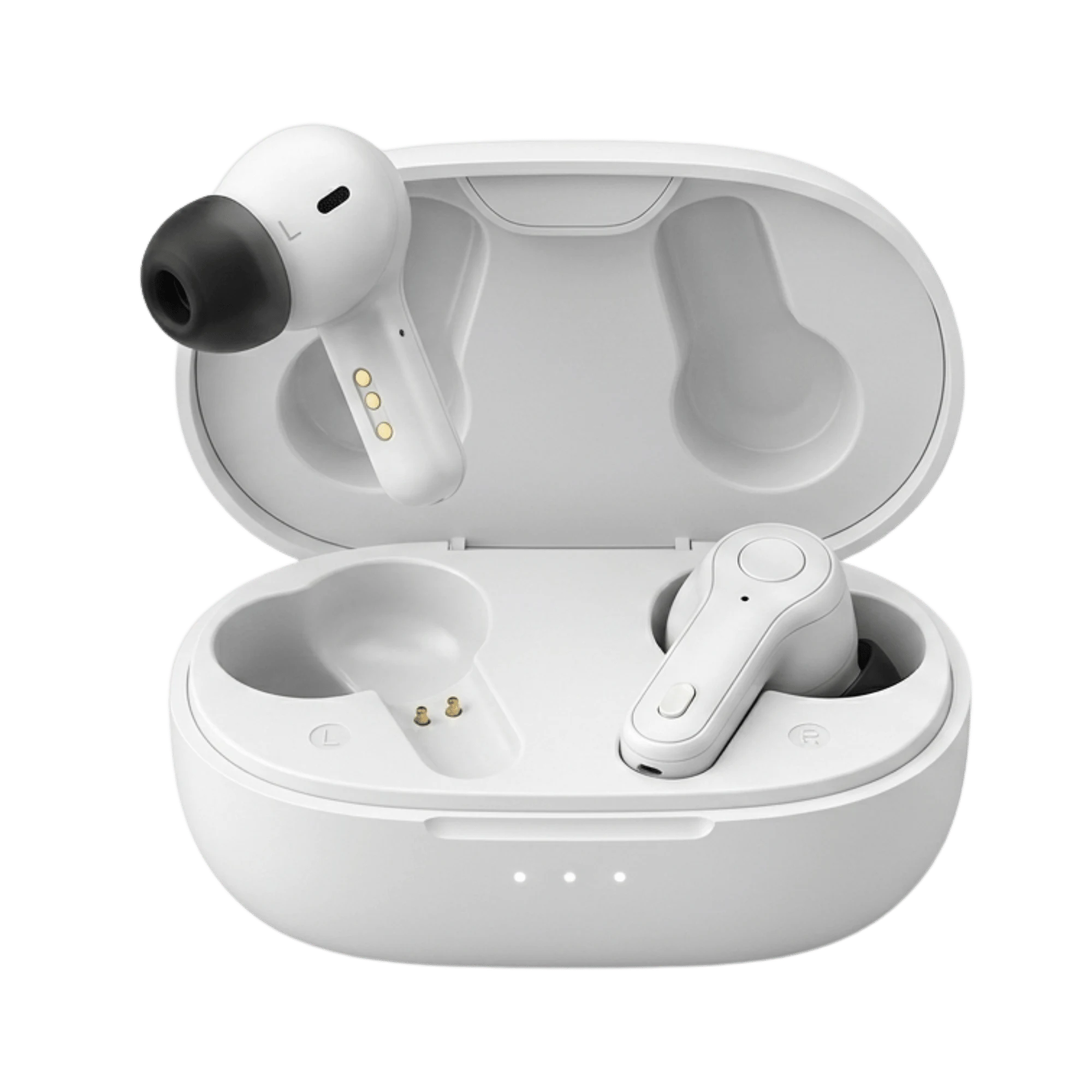
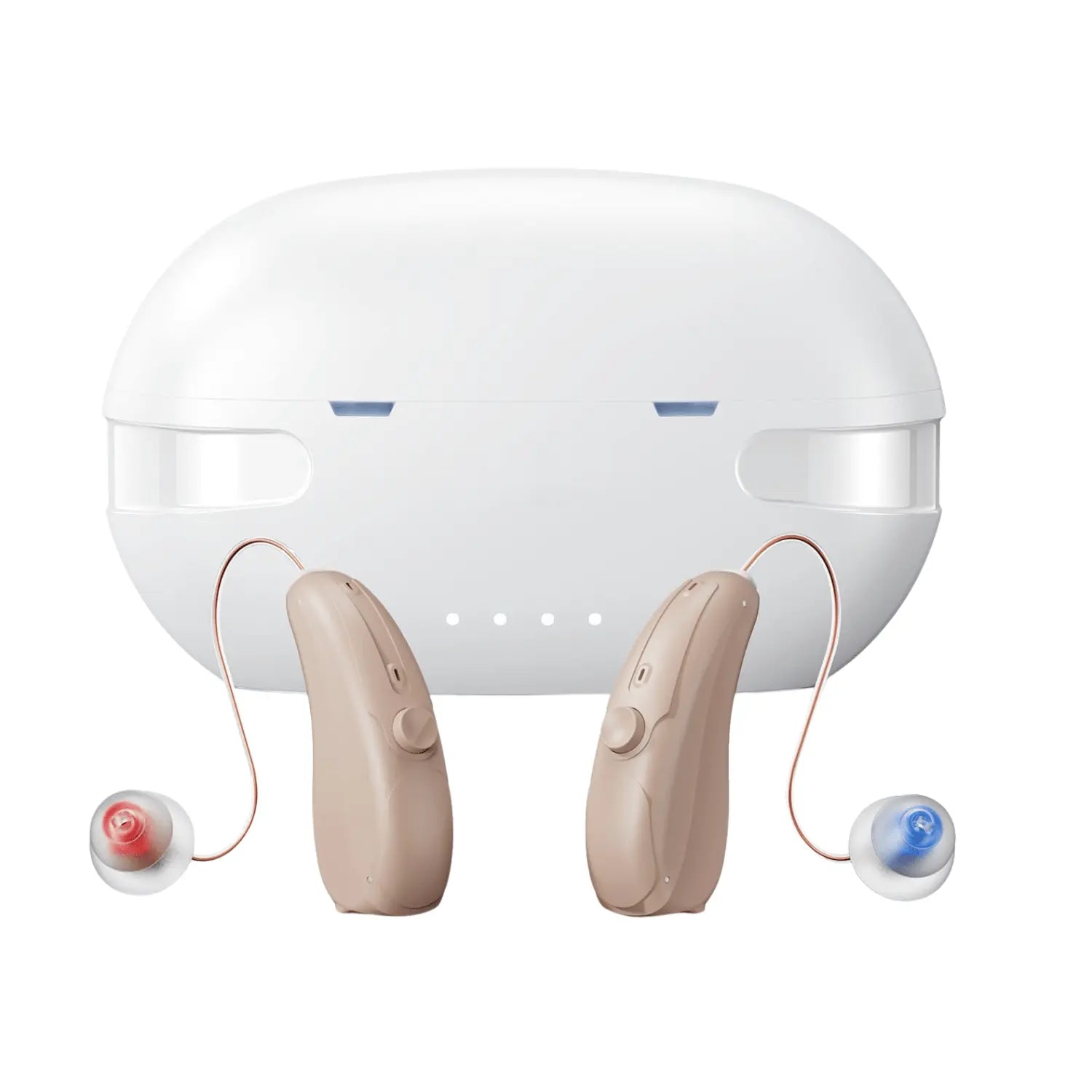
إذا كان العبء في هذه الدراسة هو جهد إخراج الكلام من الضوضاء، فإن نوع المساعدة ذو الصلة هو جهاز مصمم لهذا الغرض بالضبط. Panda Quantum يهدف إلى حل مشكلة الكلام في الضوضاء التي أبرزها الباحثون. وهو عبارة عن جهاز مكون من 16 قناة مزود بتقنية تقليل الضوضاء التكيفية، وهو مصمم لتقديم كلام واضح في البيئات الصاخبة من خلال تهدئة صوت الخلفية الثابت مع إبقاء الأصوات في المقدمة.

المنطق بسيط. إذا كان فقدان السمع يرهق الانتباه والتخطيط من خلال إجبار الدماغ على إعادة بناء الكلام الموحل، فإن أداة السمع التي تجعل متابعة الأصوات أسهل في الضوضاء يجب أن تخفف هذا العبء. باعتبارها أداة مساعدة للسمع تعمل على التحدث في الضوضاء، تعمل Quantum على دمج تقليل الضوضاء التكيفي مع البث عبر Bluetooth للمكالمات والتلفزيون والموسيقى، وبالتالي فإن الاستماع الأكثر تطلبًا، على الهاتف أو عبر غرفة صاخبة، يصل مع ضجة أقل منافسة.
يعتمد الإعداد على نفس النهج المنزلي الذي يتوقعه الكثير من الأشخاص الآن: الاقتران مع تطبيق Panda، الذي يجري اختبار السمع من خلال الجهاز ويضبطه وفقًا لمخطط السمع للمستمع، تمامًا مثل التركيب السريري. تم تصميم التفاصيل الداعمة للاستخدام اليومي، مع ما يصل إلى 80 ساعة من البطارية إلى جانب علبة الشحن، وضمان لمدة 5 سنوات، ونافذة إرجاع لمدة 45 يومًا. يتم السماح للأجهزة المتاحة دون وصفة طبية بفقدان السمع الخفيف إلى المتوسط، ولا يزال الأشخاص الذين يعانون من فقدان شديد أو عميق يستفيدون بشكل أكبر من التركيب الاحترافي.
حدود هذا البحث
القيد الأكثر أهمية مدمج في التصميم. كانت هذه دراسة مقطعية، لقطة تم التقاطها في لحظة واحدة، لذلك يمكن أن تظهر أن فقدان السمع وضعف التخطيط يحدثان معًا ولكن لا يمكن إثبات أن أحدهما يسبب الآخر. لقد أوضح المؤلفون أن اتجاه العلاقة غير واضح وأن هناك حاجة إلى دراسات طولية، تتابع الأشخاص مع مرور الوقت، لتحديد السبب والنتيجة.
ومن الممكن أيضًا أن يكون هناك عامل ثالث، مثل صحة الأوعية الدموية أو الشيخوخة العامة، وهو ما يحفز نتائج السمع والتخطيط في نفس الوقت. تم اختيار هذه المجموعة من منطقة واحدة في ألمانيا، وكانت تميل نحو مرحلة البلوغ المتوسطة والأكبر، لذلك قد لا تنتقل النتائج بشكل واضح إلى الشباب أو إلى مجموعات سكانية أخرى. كان العمل مرتبطًا بدراسة صحية أكاديمية كبيرة وليس بأي شركة مصنعة للأجهزة.
حيث يتركنا هذا
أضف هذه الدراسة إلى مجموعة متزايدة من الأبحاث التي تشير إلى نفس الاتجاه: السمع والتفكير مرتبطان، وجهد الاستماع هو رابط معقول بينهما. وهذا لا يعني أن فقدان السمع سوف يسرق مهاراتك في التخطيط، ولا يثبت أن المعينات السمعية تحمي العقل. ما يفعله هو إعطاء سبب ملموس لمعالجة صعوبة السمع في الضوضاء باعتبارها تستحق المعالجة الآن، سواء بالنسبة للمحادثات نفسها أو للطاقة العقلية التي تستهلكها بهدوء.
دوجي جيه، أوتن دي، هاكنبرج بي، أوبراين كيه، بيوتل ME، هاينريش الأول، شاتنبرج JM، كونستانتينيدس SV، مونزيل تي، لاكنر KJ، شميدتمان الأول، شلبي جيه، شوستر AK، ماتياس سي، بحر هام ك. فقدان السمع والوظائف التنفيذية، نتائج دراسة أترابية قائمة على السكان. بلوس واحد. 2026. تم الاسترجاع من PubMed. https://doi.org/10.1371/journal.pone.0351409