توصلت الدراسة إلى أن قضاء عام مع استخدام المعينات السمعية يوفر كلامًا أكثر وضوحًا ونوعية حياة أفضل
لقد تمكن البالغون المزودون بالمعينات السمعية الذين يعانون من ضعف السمع المتوسط إلى الشديد من فهم الكلام بشكل أكثر وضوحًا وشعروا بقدر أقل من التراجع الاجتماعي والعاطفي خلال السنة الأولى من الاستخدام، على الرغم من أن مقياس استجابة الدماغ الأساسي ظل دون تغيير.
نادراً ما يكون الحصول على زوج أول من المعينات السمعية بمثابة لحظة تحول واحدة. تتكيف الأذنان والدماغ تدريجياً، والمقياس الحقيقي للنجاح هو ما إذا كانت المحادثة اليومية تصبح أسهل خلال الأشهر التالية. ومع ذلك، فإن عددًا قليلًا نسبيًا من الدراسات تتبع نفس الأشخاص قبل ملاءمتهم لمدة عام كامل من الاستخدام.
قام فريق في البرازيل بذلك بالضبط، حيث قام بمتابعة البالغين الذين يعانون من ضعف السمع المتوسط والشديد خلال الأشهر الـ 12 الأولى من عمرهم باستخدام أدوات السمع. بناءً على المقالات المستردة من PubMed، نُشرت الدراسة في عام 2026 في مجلة النطق والسمع CoDAS.
العنوان: تركيب المعينة السمعية: تحليل التأثير على الجهاز السمعي خلال السنة الأولى من الاستخدام في حالة فقدان السمع المتوسط والشديد
المؤلفون: فيكتور جويريس كالديرارو، ماريا ستيلا أرانتيس دو أمارال، إدواردو تاناكا ماسودا، آنا كلوديا ميراندولا باربوسا ريس
الانتماءات: كلية ريبيراو بريتو الطبية، جامعة ساو باولو (USP)، البرازيل، بما في ذلك المركز المتخصص لطب الأنف والأذن والحنجرة وعلاج النطق في مستشفى داس كلينيكا
المجلة والتاريخ: CoDAS، 2026، المجلد 38، العدد 4
نوع الدراسة: دراسة سريرية مستقبلية أجريت على 24 شخصًا بالغًا قبل التركيب وفي عمر 6 و12 شهرًا
المصدر: تم الاسترجاع من PubMed. DOI: 10.1590/2317-1782/e20250077pt
الخلفية: لماذا نظر الباحثون إلى هذا
يأتي فقدان السمع الحسي العصبي، وهو النوع الدائم الأكثر شيوعًا، من تلف في الأذن الداخلية أو العصب السمعي ويجعل الأصوات أكثر هدوءًا وأقل وضوحًا. تعمل أدوات السمع على استعادة القدرة على السمع، لكن الباحثين ما زالوا يناقشون مدى تكيف الدماغ نفسه بمجرد تضخيم الصوت، ومدى سرعة تحسن الاستماع في العالم الحقيقي.
وللإجابة على كلا السؤالين في وقت واحد، قام الفريق بدمج قياس نشاط الدماغ مع اختبارات عملية للكلام والرفاهية التي تم الإبلاغ عنها ذاتيًا. مقياس الدماغ، المسمى P300، هو استجابة كهربائية مسجلة من فروة الرأس تعكس كيفية تسجيل الدماغ وانتباهه للصوت. إن تتبعه إلى جانب أداء السمع يتيح للباحثين معرفة ما إذا كانت الفائدة تظهر في تجربة الاستماع، أو في نشاط الدماغ القابل للقياس، أو كليهما.
كيف تمت الدراسة
قام الباحثون بتسجيل 24 شخصًا بالغًا، رجالًا ونساءً، يعانون من ضعف السمع الحسي العصبي المعتدل إلى الشديد. تم تقييم كل شخص في ثلاث نقاط: قبل تركيب أدوات السمع، ثم مرة أخرى بعد 6 أشهر و12 شهرًا من الاستخدام. أنشأت المرحلة الأولى خط الأساس قبل أي تضخيم.
وفي كل زيارة، سجل الفريق استجابة الدماغ P300، باستخدام النغمات البسيطة وأصوات الكلام، وقياس فهم الكلام باستخدام اختبار التعرف على الجمل البرتغالية. أكمل المشاركون أيضًا جردًا للإعاقة السمعية، وهو استبيان يوضح مدى تداخل صعوبة السمع مع الحياة العاطفية والاجتماعية. قامت هذه الأدوات معًا بتتبع الأعمال الداخلية للنظام السمعي والتجربة المحسوسة للسمع اليومي.
ما وجده الباحثون
وجاءت أوضح المكاسب في فهم الكلام ونوعية الحياة. بمجرد تركيب المعينات السمعية، تمكن المشاركون من الوصول إلى أصوات الكلام التي كانت بعيدة المنال، واختلفت عتبات السمع لديهم في المرحلة الأولى بشكل ملحوظ عن مرحلتي 6 أشهر و12 شهرًا. تحسن التعرف على الكلام عبر المراحل الثلاث، وكانت الفائدة واضحة بشكل خاص لدى الأشخاص الذين يعانون من فقدان السمع المعتدل.
روى استبيان التقرير الذاتي قصة مماثلة. أدى ارتداء المعينات السمعية إلى تقليل الشعور بالتقييد في المواقف العاطفية والاجتماعية، وفي اللحظات اليومية، بدءًا من العشاء العائلي وحتى المكالمات الهاتفية، حيث يميل فقدان السمع إلى عزل الناس. ووصف المشاركون نوعية حياة أفضل.
وعلى النقيض من ذلك، لم تتغير استجابة الدماغ P300 بشكل ملحوظ بين المراحل الثلاث، سواء تم قياسها بالنغمات أو الكلام. قرأ الباحثون ذلك كإشارة إلى أن الفائدة العملية للمعينات السمعية، على الأقل خلال السنة الأولى، تأتي إلى حد كبير من استعادة الوصول إلى الصوت وليس من تحول قابل للقياس في هذه الإشارة الدماغية المحددة.
ماذا يعني للأشخاص الذين يعانون من فقدان السمع
تعزز النتائج نقطة عملية: تظهر قيمة المعينات السمعية في المجالات الأكثر أهمية، في فهم المحادثة وفي الشعور بإعادة التواصل مع الأشخاص من حولك. بالنسبة لشخص يفكر فيما إذا كان التضخيم يستحق ذلك، تقدم الدراسة دليلاً على أن وضوح الكلام والثقة الاجتماعية تميل إلى التحسن خلال السنة الأولى، وليس فقط في الأسبوع الأول.
كما أنه يعيد صياغة الصبر كجزء من العملية. نظرًا لأن السمع يقوم بمعظم العمل، فإن الحصول على التركيب الصحيح، بحيث يوصل الجهاز الصوت الصحيح لكل أذن، يعد أمرًا أساسيًا لتحقيق المردود. يعد التحسن الذي يتراكم على مدار أشهر أمرًا طبيعيًا، ويعتبر الالتزام بالاستخدام اليومي المستمر جزءًا من كيفية تراكم الفوائد.
المحادثة الأكثر وضوحًا هي الهدف الحقيقي: ما أهمية الملاءمة ومعالجة الصوت
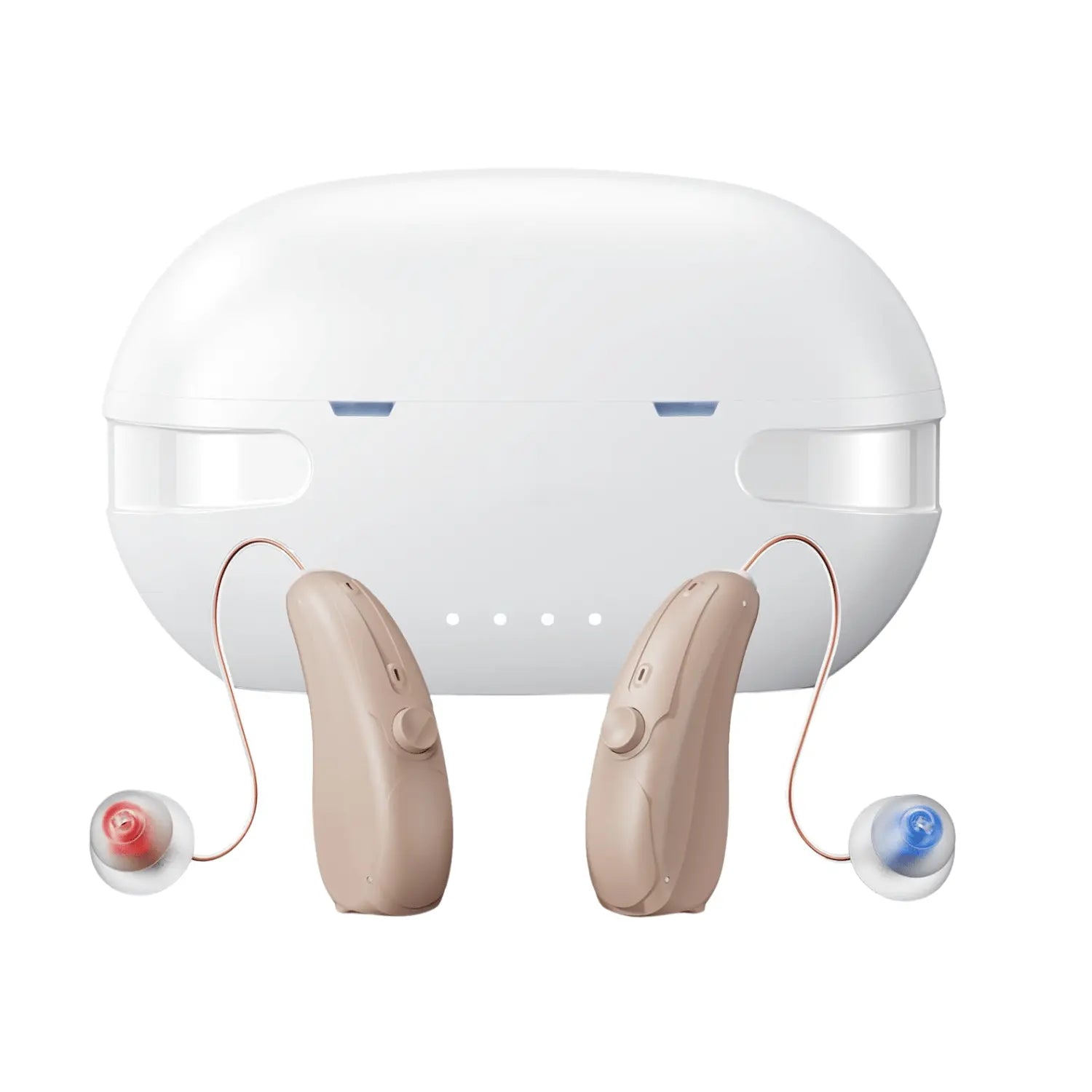
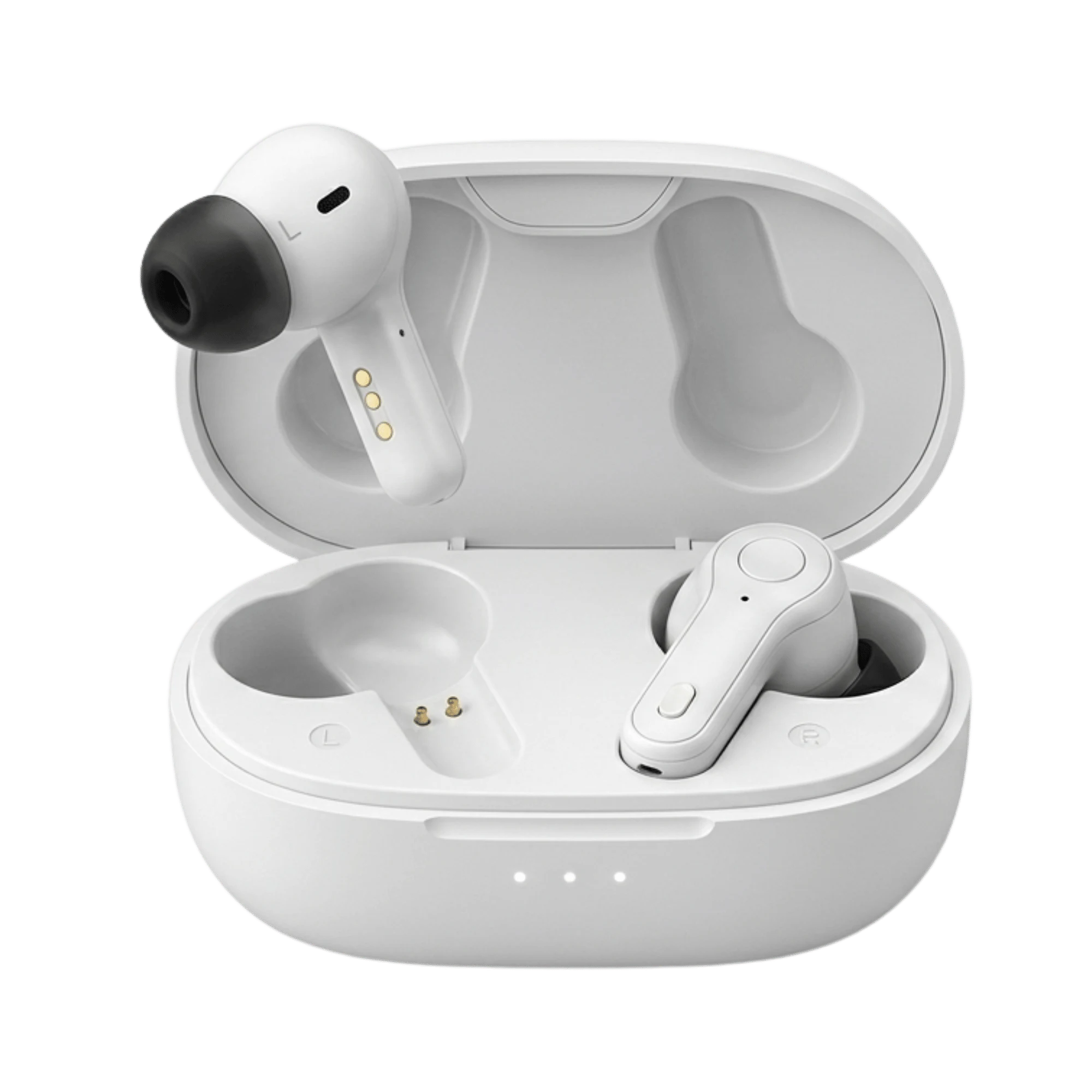
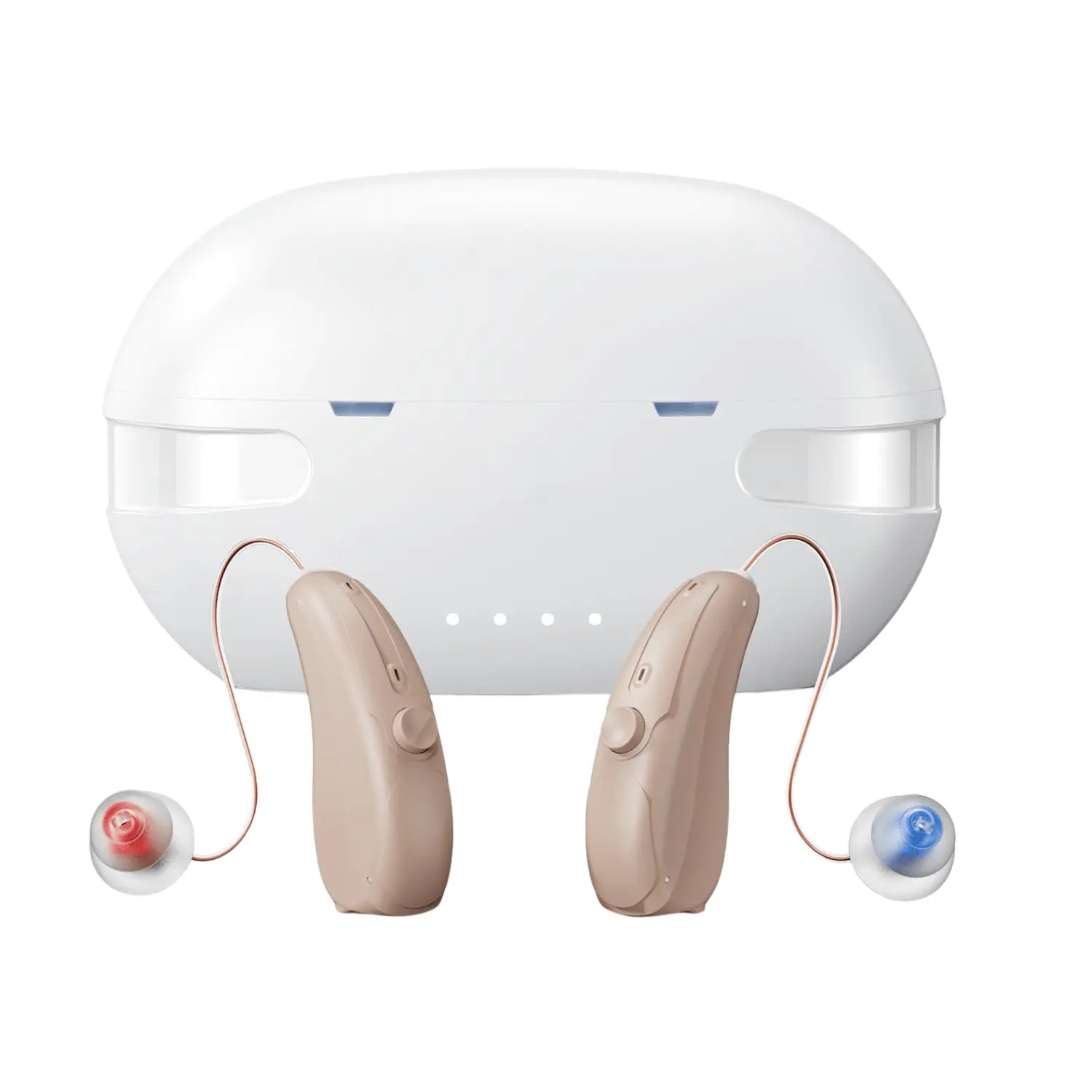
إذا كان عنوان الدراسة هو أن المعينات السمعية تكتسب مكانتها من خلال كلام أكثر وضوحًا وحياة اجتماعية أسهل، فإن الميزات التي تعزز وضوح الكلام هي التي تستحق الفهم. تم تصميم Panda Quantum حول هذا الهدف: جهاز استقبال داخل القناة مكون من 16 قناة مع تقليل ضوضاء متكيف يعمل على رفع الكلام من صوت الخلفية، وهو نوع الكلام الواضح في البيئات الصاخبة التي تتطلبها المطاعم والتجمعات العائلية.
ونظرًا لأن الدراسة تؤكد مدى أهمية التركيب نفسه، فمن الجدير بالذكر أن جهاز Quantum يتضمن اختبار السمع داخل الأذن القائم على التطبيق Panda. بعد وصول الجهاز، يقوم مرتديه بإقرانه مع التطبيق، الذي يقوم بإجراء اختبار السمع من خلال أداة السمع ثم يقوم بتعيين الجهاز ليطابق مخطط السمع الخاص به تلقائيًا، وهو شكل من أشكال تخصيص السمع القائم على التطبيق والذي يعكس ما يحدث في التركيب السريري. يوفر Quantum أيضًا تقنية Bluetooth للمكالمات والتلفزيون والموسيقى، وما يصل إلى 80 ساعة من إجمالي البطارية مع غلافه، مدعومًا بضمان لمدة 5 سنوات ونافذة إرجاع لمدة 45 يومًا.
تحذير واحد صادق يتتبع مجتمع الدراسة مباشرة. شمل هذا البحث الأشخاص الذين يعانون من فقدان شديد للسمع، وتمت الموافقة على الأجهزة التي لا تستلزم وصفة طبية لفقدان السمع الخفيف إلى المتوسط. لا يزال أي شخص يعاني من خسارة شديدة أو عميقة يستفيد كثيرًا من التركيب السريري والرعاية المهنية المستمرة.

حدود هذا البحث
كانت هذه دراسة صغيرة أجريت على 24 شخصًا في مركز واحد، دون وجود مجموعة مقارنة منفصلة، وبالتالي فإن النتائج تصف الاتجاه بدلاً من إثبات السبب والنتيجة. تم قياس مكاسب الكلام ونوعية الحياة جزئيًا من خلال التقرير الذاتي، الذي يحمل بعض الذاتية، وتوقفت المتابعة عند عام واحد، مما ترك التغييرات طويلة المدى غير معروفة. كما أن جهاز P300 الذي لم يتغير له حدود باعتباره نافذة واحدة لتكيف الدماغ، ويعني مزيج الفقدان المعتدل والشديد أن النتائج قد تختلف بالنسبة لفقدان السمع الأخف. لم يتم تفصيل مصادر التمويل المحددة والمصالح المتنافسة في ملخص الدراسة.
ماذا تفعل بهذا
بالنسبة للأشخاص الذين يفكرون في استخدام المعينات السمعية، فإن النتيجة مشجعة وملموسة: توقع كلامًا أكثر وضوحًا وعبءًا اجتماعيًا وعاطفيًا أخف، وتوقع أن تنمو هذه المكاسب خلال السنة الأولى عندما تستقر على الاستخدام المستمر. إن الحصول على الملاءمة الصحيحة وإعطاء الدماغ وقتًا للتكيف هما الرافعتان اللتان تحولان التضخيم إلى فهم، وهو في النهاية الهدف من ارتداء الأجهزة على الإطلاق.
كالديرارو VG، أمارال MSA، ماسودا ET، ريس ACMB. تركيب المعينة السمعية: تحليل التأثير على الجهاز السمعي خلال السنة الأولى من الاستخدام في حالة فقدان السمع المتوسط والشديد. كوداس. 2026;38(4):e20250077. تم الاسترجاع من PubMed. https://doi.org/10.1590/2317-1782/e20250077pt