Study Finds FDA Rules for OTC Hearing Aids Permit Higher Sound Levels Than Intended
A new technical analysis argues that the way the FDA measures the maximum output of over-the-counter hearing aids leaves room for far louder sound at the eardrum than the mild-to-moderate category was designed for.
When the FDA created the over-the-counter hearing aid category in 2022, the goal was clear: make safe, effective help for mild to moderate hearing loss available without a prescription or a clinic visit. Part of keeping that promise is a cap on how loud an OTC device is allowed to get.
A new paper in the journal Audiology Research takes a close look at how that cap is actually measured, and concludes that a technical detail, the difference between a test coupler and a real human ear, means the current rules permit considerably more output than the numbers on paper suggest.
About This Study
Title: Extremely High Fitting Range and Dangerous Levels Permitted by the Current FDA Guidelines for OTC Hearing Aids and the Need to Consider RECDs
Author: King Chung
Affiliations: Northern Illinois University, DeKalb, IL; MGH Institute of Health Professions, Boston, MA
Journal: Audiology Research, published online August 25, 2026
Study type: Technical modeling analysis using hearing aid prescription methods
PubMed DOI: 10.3390/audiolres16050124
Background: Why the Researchers Looked at This
Current FDA guidelines limit OTC hearing aids to an output of 111 decibels SPL for linear devices, or 117 decibels SPL for devices with compression, when tested with loud 90-decibel tones. The key detail is where that measurement happens: not in a human ear, but in a standardized metal cavity called a 2 cc coupler.
Real ear canals, especially adult canals occupied by an earpiece, are smaller than that test cavity, so the same device produces a higher sound pressure at a real eardrum than it does in the coupler. Audiologists call this gap the real-ear-to-coupler difference, or RECD. It varies from person to person and across frequencies, and it is the reason careful pediatric and clinical fittings measure the individual ear rather than trusting coupler numbers alone.
The author of this paper set out to quantify what the coupler-based limits imply for actual eardrums: how much hearing loss could a fully compliant OTC device technically fit, and how loud could its output become in a real ear canal?
How the Study Was Done
Rather than testing devices off the shelf, the study modeled hypothetical OTC compression hearing aids that comply exactly with the current FDA output limits. Using the two prescription formulas that dominate clinical practice, NAL-NL2 and DSL v5, the author calculated the most severe hearing thresholds such devices could technically fit with adequate gain and headroom.
The analysis also calculated the theoretical maximum overall sound level a compliant device could produce inside an ear canal, accounting for RECDs, and then repeated the fitting-range exercise under an alternative rule in which the 117-decibel limit is defined at the eardrum itself rather than in the coupler.
What the Researchers Found
The central finding is that the current guidelines leave far more room than the OTC category's mild-to-moderate mission implies. By the paper's calculations, a compression device that fully complies with today's limits could deliver enough gain and headroom to fit severe to profound hearing loss.
The output numbers are more striking. In the presence of a loud wideband signal, the author calculates that a compliant compression device with a bandwidth of 5,657 Hz could reach an overall level of 164.5 decibels SPL in the ear canal, a figure far above the single-frequency coupler limits that appear in the regulation.
The proposed fix changes the picture substantially. If the maximum output were instead defined at the eardrum, with RECDs already built into the limit, the fitting range of a compliant device drops to moderate hearing loss, in line with the category's intent, and the maximum overall output falls by about 10 decibels.
The paper describes this as a potential regulatory vulnerability rather than evidence of harm from any marketed product, and discusses additional strategies regulators could use to prevent the limits from being exploited.
What It Means for People with Hearing Loss
For consumers, the takeaway is not that OTC hearing aids are unsafe. It is that the OTC category was built for mild to moderate hearing loss, and the guardrails that keep it there are still being refined. Regulatory scientists publishing analyses like this one are part of how the young category matures.
The practical advice embedded in the research is familiar: match the tool to the problem. Someone who struggles in meetings and restaurants but manages one-on-one at home is squarely in OTC territory. Someone who cannot follow raised speech in a quiet room likely has a loss beyond what OTC devices are designed for, and a professional evaluation is the safer route.
The study is also a reminder that how a device is set for an individual ear matters. Fittings tailored to the person, rather than maximum volume, are what make amplification comfortable and useful day to day.
Personalized Fitting Within the Range OTC Was Designed For
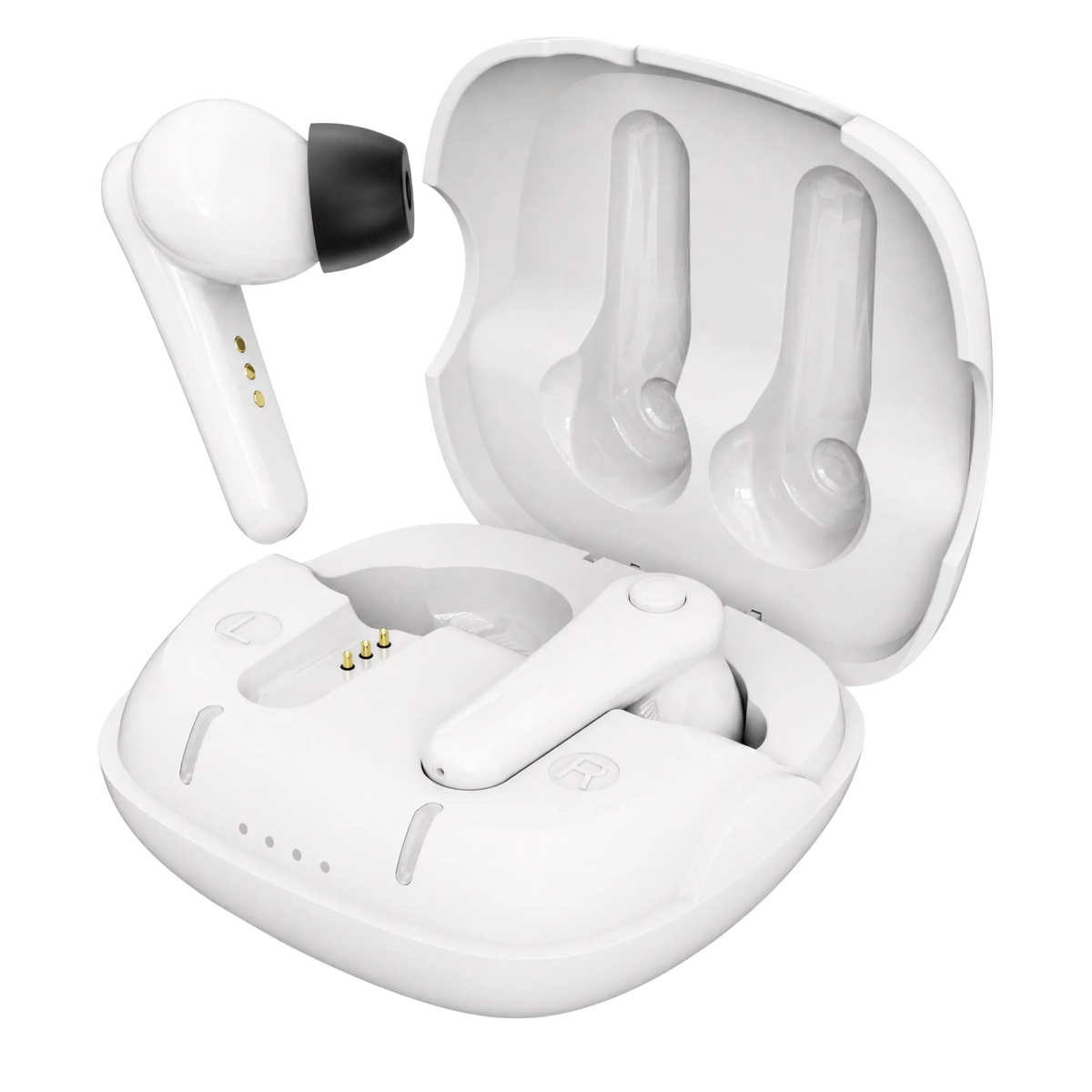
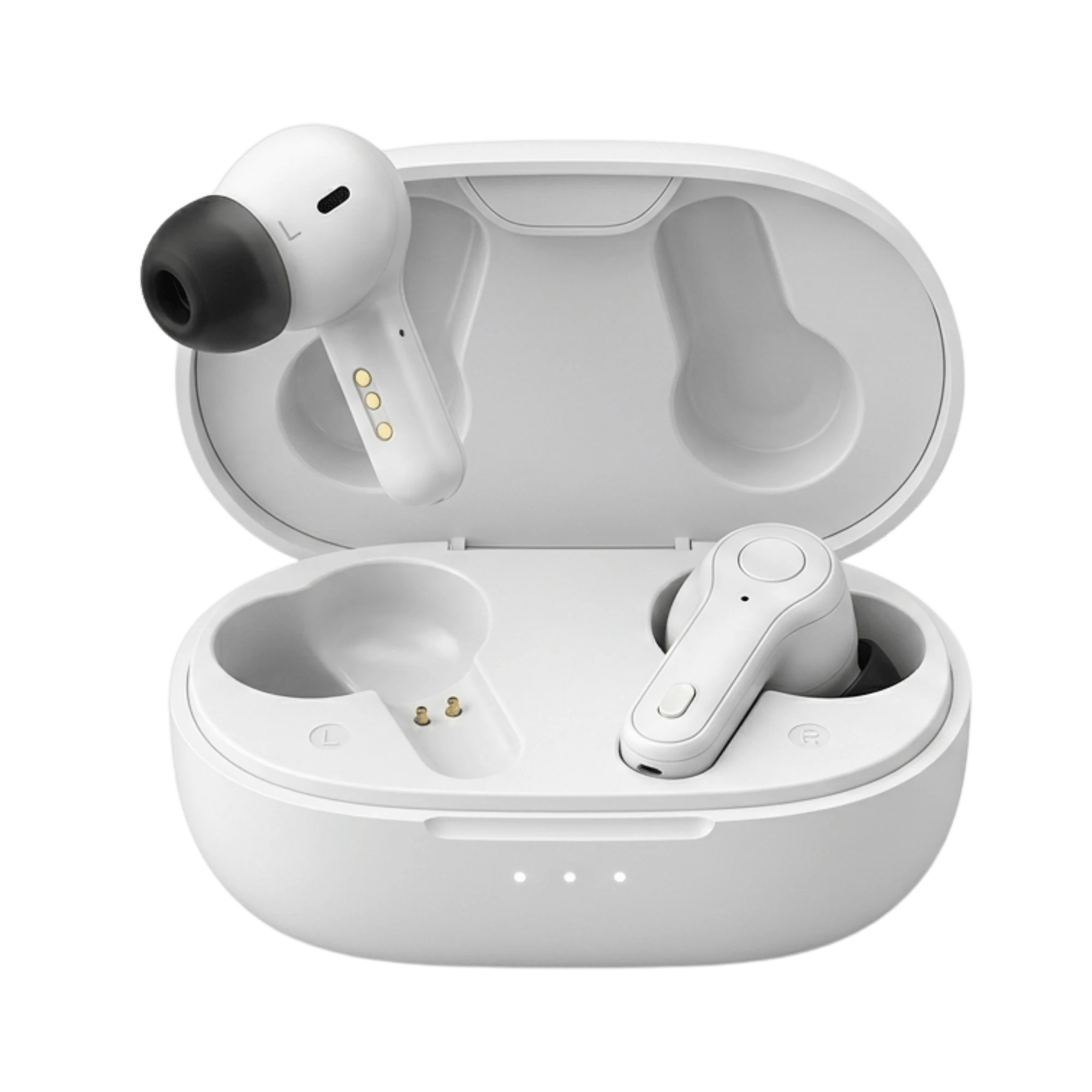
Because this study is ultimately about keeping OTC devices matched to the mild-to-moderate losses they were created for, it underlines the value of personalization in FDA-OTC hearing aids. Panda Air approaches this as a self-fitting OTC hearing aid: its optional companion app can run a frequency-specific hearing check through the earbud-style aid itself and personalize gain and frequency response to the user's own hearing profile, and the app-tuned settings can be adjusted as needs change. Air also works out of the box without the app or the test.
Beyond fitting, Air uses 16-channel wide dynamic range compression with multi-band adaptive noise reduction, streams calls, TV and music over Bluetooth, and comes with a fast-charge case that provides 60 hours of total use, a 5-year warranty and a 45-day trial that begins when the product arrives.
The caveat this research makes plain deserves repeating: OTC hearing aids are approved for mild to moderate hearing loss, and people with severe or profound loss still benefit most from a clinical fitting with an audiologist. Details are at pandahearing.com/products/panda-air.
Limitations of This Research
This is a theoretical modeling study of hypothetical devices that comply with the letter of the current limits, not measurements of hearing aids actually on the market, and it does not show that any marketed OTC product reaches the calculated levels in real use. The calculations also depend on assumed RECD values and prescription-formula conventions, and the paper reflects the analysis and interpretation of a single author. The author declares no conflicts of interest.
Where This Leaves Us
The OTC hearing aid category has opened doors for millions of people, and analyses like this one are how its safety rails get tightened: by asking, in precise acoustic terms, whether the rules as written match the category as intended. If regulators take up the paper's suggestion to define output limits at the eardrum, the change would be invisible to most consumers but meaningful for the ears the rules exist to protect.
Chung K. Extremely High Fitting Range and Dangerous Levels Permitted by the Current FDA Guidelines for OTC Hearing Aids and the Need to Consider RECDs. Audiology Research. 2026. Retrieved from PubMed. https://doi.org/10.3390/audiolres16050124