Faigheann Staidéar Gur 92 faoin gCéad an Gá Neamhfhoirfe le Cúnna Éisteachta san India
Faigheann staidéar ionadaíoch náisiúnta ar 31,902 duine scothaosta san India nach n-úsáideann ach níos lú ná 8 faoin gcéad díobh siúd a bhfuil cúnna éisteachta de dhíth orthu ceann acu i ndáiríre, an bhearna is leithne d'aon ghléas cúnta a ndearnadh scrúdú air.
Tá spéaclaí, cúnna éisteachta, bataí siúil, agus fráimeanna siúil i measc na dteicneolaíochtaí sláinte is simplí atá ann, agus i measc na gceann is neamhchothroime a úsáidtear. Do dhaoine scothaosta, is féidir leis na feistí seo a bheith mar an difear idir neamhspleáchas agus iargúltacht, ach i gcuid mhór den domhan ní shroicheann siad na daoine a bhfuil gá acu leo riamh.
Cuireann anailís nua ar cheann de na staidéir aosaithe is mó a rinneadh riamh san India uimhreacha dochta leis an mbearna sin, agus is leis an éisteacht an uimhir is géire.
Teideal: Seeing, hearing, and moving: Inequalities in assistive device use and health outcomes among older adults in India
Údair: Alok Roy agus Bhaswati Das
Cleamhnais: Department of Geography, Krishnagar Government College, Krishnanagar, an India; Centre for the Study of Regional Development, School of Social Sciences, Jawaharlal Nehru University, New Delhi, an India
Irisleabhar: Assistive Technology, irisleabhar oifigiúil RESNA, foilsithe an 11 Lúnasa, 2026
Cineál staidéir: Anailís suirbhé ionadaíoch náisiúnta (Longitudinal Ageing Study in India, Tonn 1)
DOI PubMed: 10.1080/10400435.2026.2711815
Cúlra: Cén Fáth ar Bhreathnaigh na Taighdeoirí air Seo
Tá teorainneacha feidhmiúla san éisteacht, san amharc, agus sa soghluaisteacht i measc na bpríomhfhadhbanna sláinte i ndeireadh na beatha, agus tá teicneolaíocht chúnta dea-bhunaithe ag gach ceann acu: cúnna éisteachta, spéaclaí, agus áiseanna soghluaisteachta ar nós bataí siúil agus fráimeanna siúil. Nuair nach bhfuil gléas ag daoine a bhfuil sé de dhíth orthu, tugann taighdeoirí gá neamhfhoirfe air sin.
Tá tábhacht ag baint leis an ngá neamhfhoirfe thar míchaoithiúlacht. Tá teorainneacha braiteacha agus soghluaisteachta gan chóireáil ceangailte le dúlagar, le neamhspleáchas laghdaithe i ngníomhaíochtaí laethúla, agus le tarraingt siar shóisialta. Ach bhí fianaise ionadaíoch náisiúnta ón India, baile do cheann de na daonraí scothaosta is mó agus is tapúla ag fás ar domhan, teoranta.
Shocraigh na húdair a thomhas, ar fud na tíre ar fad, cé mhéad duine scothaosta a úsáideann gach cineál gléis, cé mhéad a théann as agus cén bhaint atá idir úsáid gléis agus feidhmiú laethúil agus comharthaí dúlagair.
Conas a Rinneadh an Staidéar
Rinne na taighdeoirí anailís ar Thonn 1 den Longitudinal Ageing Study in India (LASI), a bailíodh in 2017 agus 2018. Bhí 31,902 duine fásta 60 bliain d'aois agus os a chionn ina sampla, ualaithe chun ionadaíocht a dhéanamh ar an daonra scothaosta náisiúnta.
Do gach fearann, d'aithin siad daoine a thuairiscigh an deacracht ábhartha, agus ansin ríomh siad cén sciar a d'úsáid gléas cúnta agus cén sciar a raibh gá neamhfhoirfe acu. Ansin d'úsáid siad cúlchéimniú lóistíochta coigeartaithe do shuirbhé chun naisc a thástáil idir úsáid gléis agus dhá thoradh: teorannú trom i ngníomhaíochtaí laethúla, arna shainiú mar thrí theorainn nó níos mó, agus comharthaí dúlagair, arna sainiú mar scór de 4 nó níos airde ar scála scagthástála caighdeánach.
Cad a Fuair na Taighdeoirí
Dúirt na trí ghléas trí scéal an-difriúla. Ba é cúram radhairc an rath soiléir: i measc daoine scothaosta a bhfuil deacrachtaí radhairc acu, d'úsáid 91.8 faoin gcéad spéaclaí nó gléas radhairc eile, rud a d'fhág nach raibh ach 8.2 faoin gcéad den ghá neamhfhoirfe.
Bhí áiseanna soghluaisteachta i bhfad ar gcúl. Níor úsáid ach 12.2 faoin gcéad de dhaoine scothaosta a bhfuil deacrachtaí soghluaisteachta acu bata siúil, fráma siúil, nó áis chosúil, gá neamhfhoirfe de 87.8 faoin gcéad.
Tháinig an éisteacht deireanach. I measc daoine scothaosta a bhfuil deacrachtaí éisteachta acu, níor úsáid ach 7.8 faoin gcéad cúnamh éisteachta. Bhí gá neamhfhoirfe ag an 92.2 faoin gcéad eile, níos mó ná naonúr as gach deichniúr, an bhearna is mó d'aon chatagóir gléis sa staidéar.
Lean úsáid gléis feidhmiú laethúil freisin, cé nach mbíodh sé sa treo a bhíothas ag súil leis i gcónaí. Bhí úsáid gléis radhairc ceangailte le seans níos ísle teorannaithe throm i ngníomhaíochtaí laethúla. Bhí úsáid áise soghluaisteachta ceangailte le seans níos airde teorannaithe throm, patrún a chuireann na húdair i leith cúiseachta inbhéartaithe: is iad na daoine a bhfuil na teorainneacha is tromaí acu na daoine a fhaigheann bataí siúil agus fráimeanna siúil ar an gcéad dul síos. Níor aimsigh anailísí íogaireachta aon chomhcheangal suntasach idir úsáid áise soghluaisteachta agus comharthaí dúlagair.
Cad a Chiallaíonn Sé do Dhaoine a bhfuil Caillteanas Éisteachta Orthu
Is í an chomparáid le spéaclaí an toradh is léiritheach sa staidéar. Tá spéaclaí neamhchostasach, díolta beagnach i ngach áit, normalaithe go sóisialta, agus is beag seirbhís ghairmiúil leanúnach a éilíonn siad. Ní hé sin an cás le cúnna éisteachta i bhformhór an domhain: bhí siad costasach go traidisiúnta, dáilte trí chlinicí speisialtóra, agus ualaithe ag an stiogma. Is é an toradh bearna 92 faoin gcéad san India don éisteacht i gcomparáid le bearna 8 faoin gcéad don amharc.
Cé gur staidéar Indiach é, is patrún domhanda é. D'aimsigh taighde i dtíortha ard-ioncaim arís agus arís eile nach n-úsáideann formhór na ndaoine fásta a bhainfeadh leas as cúnna éisteachta iad, agus tá an costas agus an rochtain i measc na bpríomhchúiseanna. Baineann conclúid na n-údar, gur cheart rochtain chothrom ar theicneolaíocht chúnta inacmhainne a bheith ina tosaíocht beartais, i bhfad níos faide ná teorainneacha tíre amháin.
Bearna 92 faoin gCéad: Cén Fáth a bhfuil Tábhacht le Laghdú ar Bhacainn an Chostais
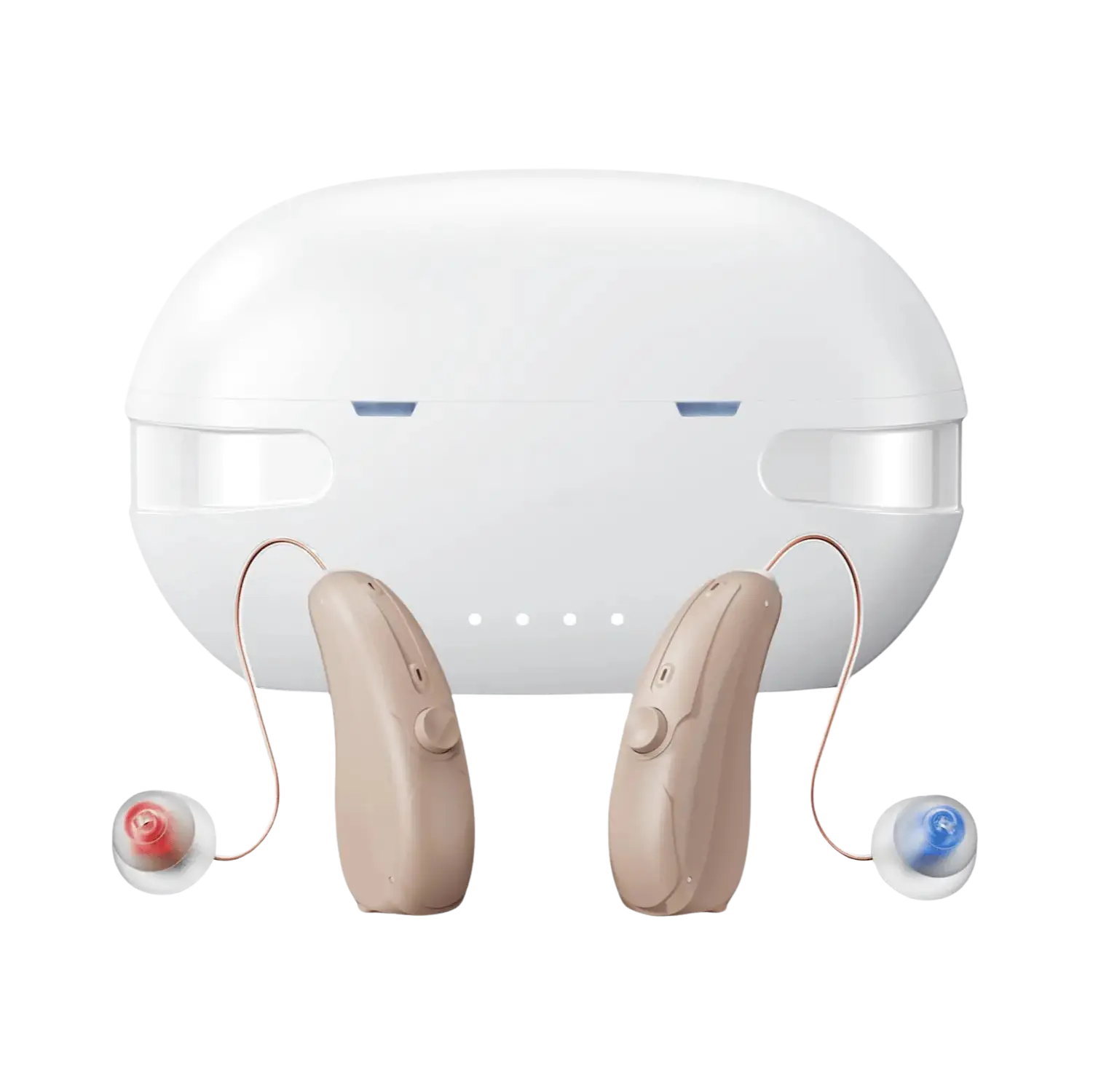
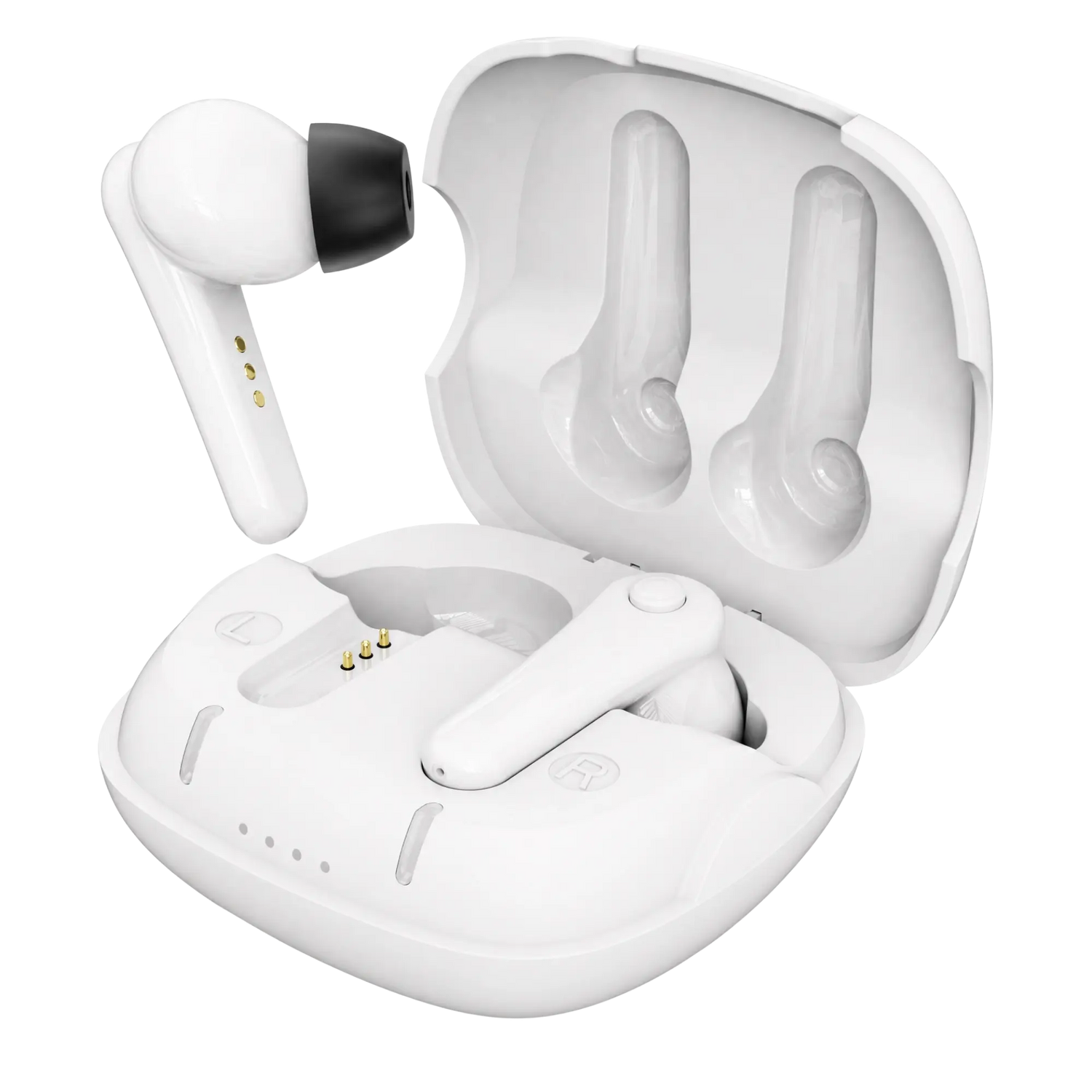
Toisc go dtugann an staidéar seo aird ar an gcaoi a gcoinníonn bacainní costais agus seirbhíse cúnna éisteachta as ruaig, is fiú a lua gur cruthaíodh cúnna éisteachta FDA-OTC níos nuaí sna Stáit Aontaithe chun na bacainní sin go beacht a laghdú, rud a ligeann do dhaoine fásta a bhfuil caillteanas éisteachta éadrom go measartha orthu gléas a cheannach go díreach. Is gléas den sórt sin é Panda Air, cúnamh éisteachta nua-aimseartha ar chuma cluasáin le próiseáil WDRC 16 chainéal agus laghdú torainn oiriúnaitheach il-bhanda.
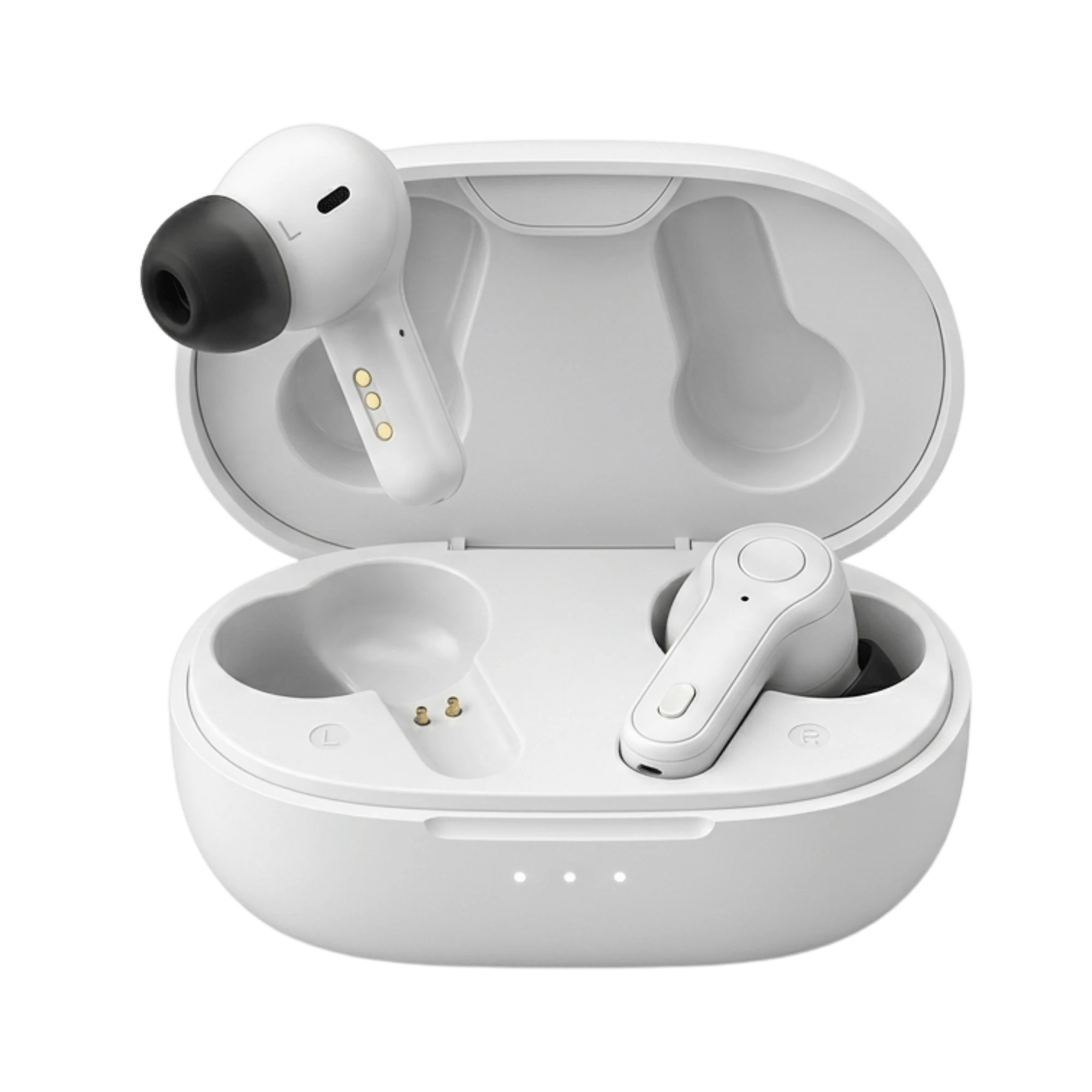
Glacann Air le cur chuige an chúnaimh éisteachta OTC féinoiriúnaithe: is féidir le haip roghnach tástáil éisteachta a bhaineann le minicíocht áirithe a rith tríd an gcúnamh féin agus gnóthú agus freagra minicíochta a phearsanú do phróifíl éisteachta an úsáideora, agus oibríonn an cúnamh as an mbosca freisin gan an aip ná an tástáil. Mar chúnamh éisteachta in-athluchtaithe le cás luchtaithe, soláthraíonn a chás tapa-luchtaithe 60 uair an chloig d'úsáid iomlán, agus sruthaíonn sé glaonna, teilifís, agus ceol thar Bluetooth.
Tá ráthaíocht 5 bliana agus triail 45 lá ag baint le Air a thosaíonn nuair a fhaigheann an custaiméir an táirge. Baineann an rabhadh gnách: tá feistí thar an gcuntar formheasta do chaillteanas éisteachta éadrom go measartha, agus baineann caillteanas trom nó domhain an leas is mó as oiriúnú cliniciúil fós.
Teorainneacha an Taighde Seo
Tarraingíonn an anailís ar thonn amháin sonraí, mar sin gabhann sí léargas seachas athrú thar am, agus tuairiscíodh deacrachtaí agus úsáid gléis araon go féin-thuairiscithe seachas iad a thomhas go cliniciúil. Cuireann torthaí contrártha na n-áiseanna soghluaisteachta béim ar an gcaoi ar féidir le mearbhall de bharr an tsuaitheantais castacht a chur ar an gcineál seo oibre breathnóireachta, teorainn a admhaíonn na húdair go díreach.
Bailíodh na sonraí in 2017 agus 2018 freisin, mar sin ní léiríonn siad athruithe níos déanaí i gcláir sláinte agus i margaí gléas na hIndia.
Cad atá le Déanamh leis Seo
Ní fadhb theicneolaíochta é gá neamhfhoirfe de 92 faoin gcéad, ós rud é go bhfuil cúnna éisteachta ann agus go n-oibríonn siad, ach fadhb seachadta costais, dáilte, agus stiogma, agus léiríonn codarsnacht an staidéir idir spéaclaí agus cúnna éisteachta cé chomh hiomlán is féidir leis na bacainní sin titim nuair a éiríonn gléas saor, ar fáil, agus coitianta.
Roy A, Das B. Seeing, hearing, and moving: Inequalities in assistive device use and health outcomes among older adults in India. Assistive Technology. 2026. Retrieved from PubMed. https://doi.org/10.1080/10400435.2026.2711815