D'fhéadfadh Torann Ceirde Cailliúint Éisteachta a Bhaineann le hAois a Bhrostú, a Deir Staidéar
Tugann anailís ar shuirbhé sláinte náisiúnta ón gCóiré Theas le fios nach bhfuil éisteacht níos measa ag daoine a chaith blianta ag obair i dtimpeallachtaí callánacha ag gach aois amháin, ach go gcailleann siad éisteacht níos tapúla de réir mar a théann siad in aois.
Is ceann de na riochtaí ainsealacha is coitianta i ndeireadh na beatha é cailliúint éisteachta a bhaineann le haois, ar a dtugtar presbycusis go leigheasach. Tagann sé ar dhuine de réir a chéile, ag tosú de ghnáth sna minicíochtaí arda, agus is príomhchúis é le go mbíonn deacracht ag daoine scothaosta comhrá a leanúint i mbialanna, ag cruinnithe teaghlaigh, agus in áiteanna callánacha eile.
Is é an torann an namhaid mór eile ar an éisteacht. Tá a fhios ag taighdeoirí le fada go ndéanann láithreacha oibre callánacha ar nós monarchana, láithreán tógála, feirmeacha, agus siopaí innealra dochar don éisteacht astu féin. An rud a bhí níos lú soiléir ná an chaoi a n-idirghníomhaíonn an dá fhórsa: an bhfágann gairm challánach máchail seasta amháin, nó an athraíonn sí conair na héisteachta de réir mar a théann daoine in aois? Tugann anailís nua ar shonraí sláinte náisiúnta ón gCóiré Theas súil níos géire air.
Teideal: Does occupational noise exposure aggravate age-related hearing loss? A population-based study
Údair: Dongha Kim, Sungwon Park, Jingyeong Jeong, Jaesung Park, Jae-Jun Song, Sung-Won Chae
Cleamhnachtaí: Department of Otorhinolaryngology-Head and Neck Surgery, Korea University Guro Hospital, and Korea University College of Medicine, Seoul, Republic of Korea
Iris: European Archives of Oto-Rhino-Laryngology, foilsithe ar líne an 31 Lúnasa, 2026
Cineál staidéir: Staidéar trasghearrthach bunaithe ar dhaonra
DOI PubMed: 10.1007/s00405-026-10579-0
Cúlra: Cén Fáth a Ndearna na Taighdeoirí Staidéar air Seo
Tomhaistear éisteacht i ndeicibeil tairsigh, an fhuaim is boige is féidir le duine a bhrath ag tuinairde áirithe, nó minicíocht. Tomhaistear minicíochtaí i gcileaheirts (kHz). Tá an raon 2 go 4 kHz thar a bheith tábhachtach don saol laethúil toisc go n-iompraíonn sé cuid mhaith den eolas géar consan, fuaimeanna ar nós s, t, agus f, a fhágann go dtuigtear cainte.
De ghnáth bíonn cailliúint éisteachta arna cur faoi deara ag torann le feiceáil thart ar 4 kHz ar dtús, rud a chruthaíonn tumadh sainiúil i dtorthaí na tástála éisteachta. Os a choinne sin, claonann cailliúint éisteachta a bhaineann le haois i dtreo fánaí anuas ar fud na minicíochtaí arda. Toisc go gcuireann an dá phatrún forluí ar a chéile sa réigiún céanna, ba mhian leis na taighdeoirí a fháil amach an ndéanann stair torainn láithreach oibre an meath a bhaineann le haois níos géire, agus más ea, cé acu minicíochtaí ina gcuimsítear an damáiste.
Tá impleachtaí praiticiúla ag baint leis an gceist. Má chailleann oibrithe a bhfuil torann i gceist dóibh éisteacht níos tapúla de réir mar a théann siad in aois, b'fhéidir go mbeadh monatóireacht níos luaithe agus níos minice de dhíth orthu, agus b'fhéidir go sroichfidís pointe a dteastaíonn cabhair éisteachta uathu níos luaithe ná a gcomhghleacaithe.
Conas a Rinneadh an Staidéar
Rinne an fhoireann taighde anailís ar shonraí 3,719 duine fásta 40 bliain d'aois agus os a chionn a ghlac páirt sa 9ú Suirbhé Náisiúnta Scrúdaithe Sláinte agus Cothaithe sa Chóiré (KNHANES) in 2023, suirbhé mór sláinte de dhaonra na Cóiré arna reáchtáil ag an rialtas. Chríochnaigh gach rannpháirtí audaiméadracht ton glan, an gnáthtástáil éisteachta a thomhaiseann tairseacha ar fud raon minicíochtaí.
Measadh go raibh rannpháirtithe faoi thionchar torainn ceirde má d'oibrigh siad i dtimpeallacht challánach ar feadh trí bliana nó níos mó. Chuimsigh an sainmhíniú sin 617 duine; bhunaigh na 3,102 eile an grúpa comparáide. Toisc go raibh daoine de réir raon leathan aoiseanna san áireamh sa suirbhé ag pointe amháin ama, d'úsáid na taighdeoirí samhail staitistiúil le téarma idirghníomhaíochta aois-ar-torann chun measúnú a dhéanamh ar cé chomh tapa is a dhéanann tairseacha meath in aghaidh na bliana d'aois i ngach grúpa, agus coigeartú déanta don ghnéas, don leibhéal oideachais, agus d'ioncam an teaghlaigh.
An Méid a Fuair na Taighdeoirí
Chuala daoine a raibh stair torainn láithreach oibre acu níos measa ná a gcomhghleacaithe gan nochtadh ag gach aois a ndearnadh staidéar uirthi. Ba leithne an bhearna ag 4 kHz, áit ar chuir tairseacha an ghrúpa a nochtadh don torann 10.0 deicibeil níos measa ar meán, difríocht atá mór go leor le go mbeadh sí inbhraite san éisteacht laethúil.
Tar éis coigeartú a dhéanamh don aois, don ghnéas, don oideachas, agus d'ioncam an teaghlaigh, d'fhan tairseacha ag 2, 4, agus 8 kHz bainteach go suntasach le nochtadh don torann. Bhí an nasc is láidre ag 4 kHz, áit ar ardaigh gach deicibeil breise tairsigh an dóchúlacht a bheith i ngrúpa an nochta torainn thart ar 2 faoin gcéad.
Bhain an toradh ba shuntasaí le luas an mheatha. Ar an iomlán, mheath an éisteacht i ngrúpa an nochta torainn 0.10 deicibeil breise in aghaidh na bliana d'aois thar an meath a chonacthas i measc daoine fásta nár nochtadh. San anailís a bhí sonrach do mhinicíocht, bhí an barrachas comhchruinnithe ag 2 kHz agus 4 kHz, áit ar chaill rannpháirtithe a nochtadh 0.17 deicibeil breise in aghaidh na bliana ag gach minicíocht, le barrachas níos lú de 0.09 deicibeil in aghaidh na bliana ag 1 kHz.
Sa ghearrchaint, ní fhanann an bhearna éisteachta idir daoine fásta a nochtadh don torann agus daoine nár nochtadh seasta. Leathnaíonn sí le haois, agus leathnaíonn sí is tapúla sa raon minicíochta is tábhachtaí chun cainte a thuiscint.
Cad a Chiallaíonn Sé do Dhaoine a bhfuil Cailliúint Éisteachta Orthu
Do dhuine ar bith a chaith blianta timpeall innealra callánach, feithiclí callánacha, nó slua callánach, is é an teachtaireacht ná go bhféadfadh nach caibidil dúnta iad éifeachtaí an nochta sin. Tugann na torthaí le fios go bhfágann torann an chluas níos leochailí i leith gnáthchaitheamh na haoise, agus mar sin d'fhéadfadh éisteacht a raibh cuma mhaith go leor uirthi ag 50 bliain d'aois creimeadh níos tapúla ná mar a bhíothas ag súil leis trí na 60idí agus 70idí.
Díríonn na húdair cliniceoirí agus cláir caomhnaithe éisteachta go sonrach ar na tairseacha 2 agus 4 kHz agus oibrithe a nochtadh don torann á monatóiriú. Do dhaoine aonair, aistrítear sé sin go nós praiticiúil: éisteacht a sheiceáil go rialta, aird a thabhairt ar na minicíochtaí sonracha ina ndéanann torann a dhamáiste, agus gníomhú go luath nuair a thosaíonn cainte ag cailleadh a géire, go háirithe i dtorann cúlra.
Na Minicíochtaí Beachta ina nDéanann Torann a Dhochar a Sheiceáil
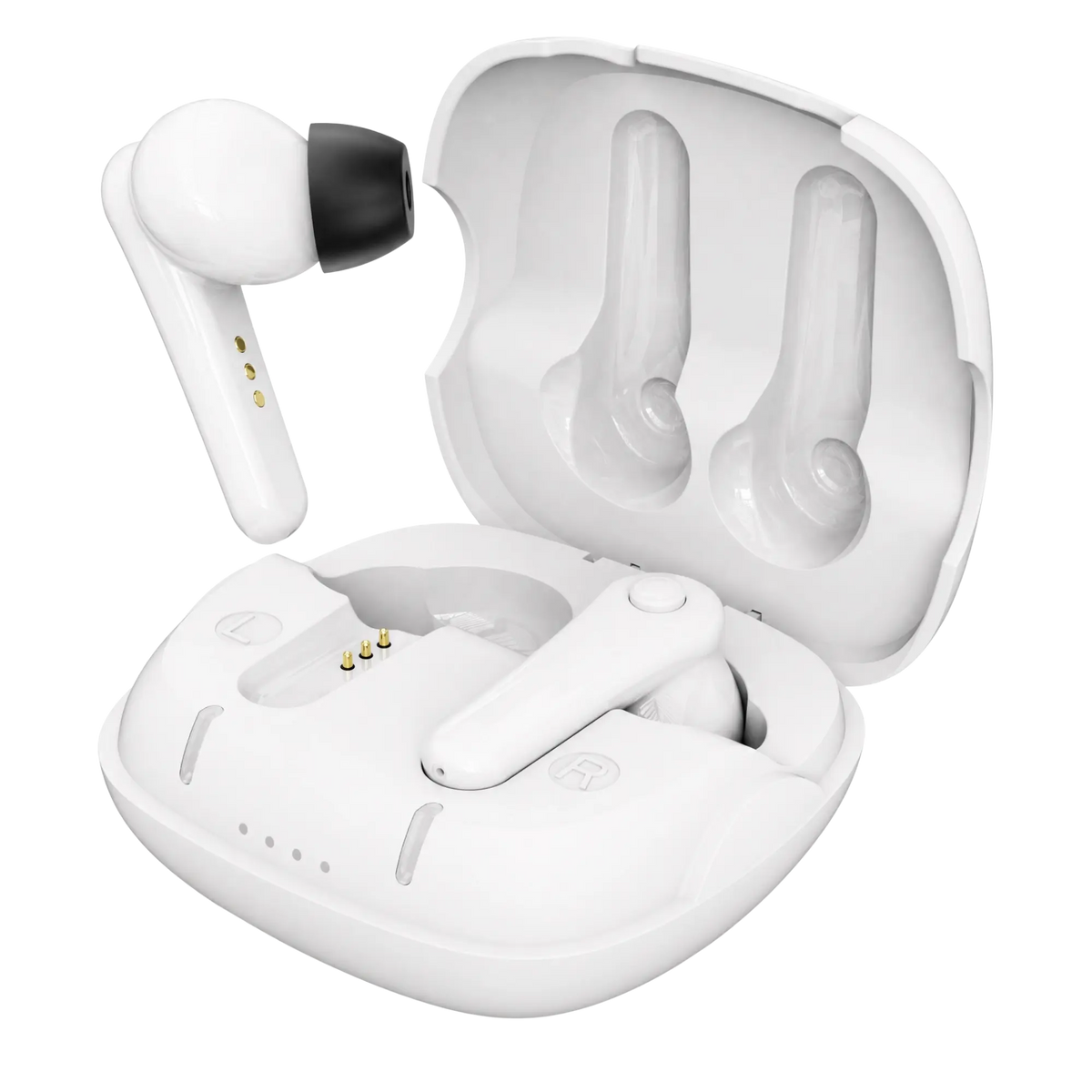
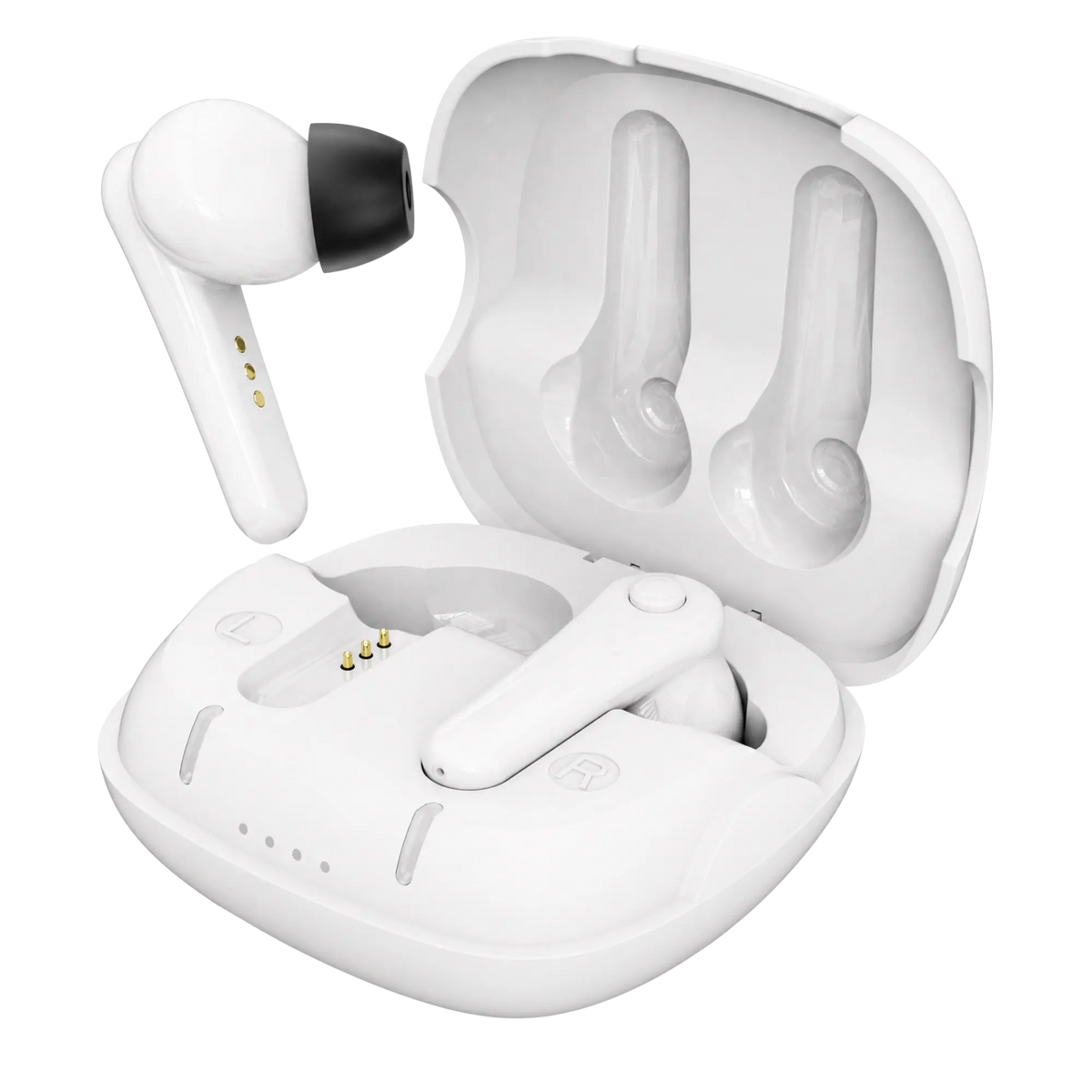
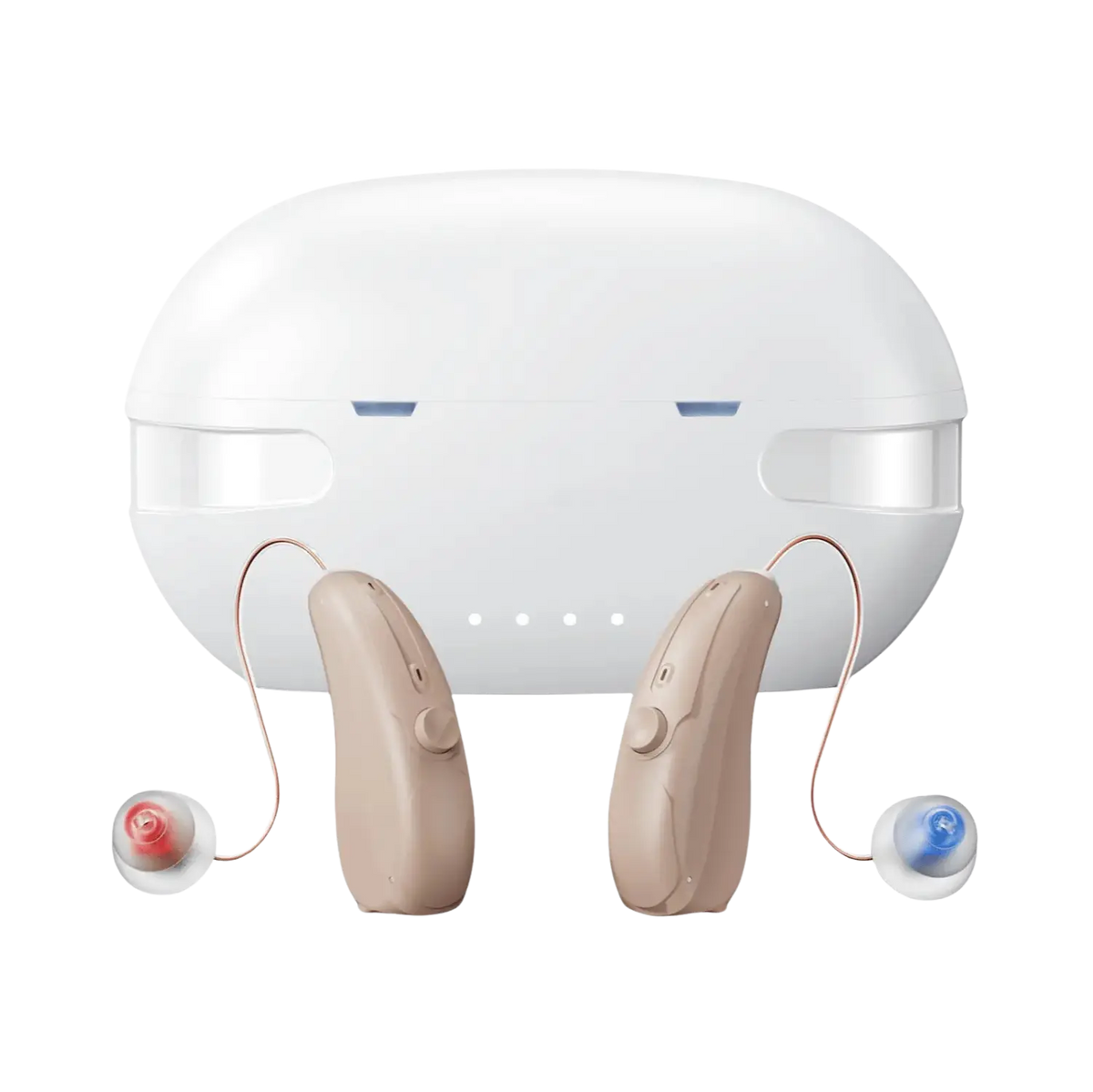
Toisc go sainaithníonn an staidéar seo 2 agus 4 kHz mar na minicíochtaí ina meathann daoine fásta a nochtadh don torann is tapúla, is mó ná mionsonraí teicniúla amháin an tástáil agus an feistiú a oibríonn minicíocht ar mhinicíocht. Tá áiseanna éisteachta nua FDA-OTC deartha chun bealach le bacainn níos ísle a thabhairt do dhaoine fásta a bhfuil cailliúint éisteachta éadrom go measartha orthu chun gníomhú ar thorthaí den chineál seo go beacht.
Is sampla amháin é Panda Quantum, gléas glacadóir-sa-chanáil 16 chainéal le laghdú torainn oiriúnaitheach agus próiseáil 16 chainéal do chaint níos soiléire i dtimpeallachtaí callánacha. Is féidir lena aip chompánach roghnach seiceáil éisteachta a bhaineann le minicíocht a rith tríd an áis féin, cuid de aicme nua d'áiseanna éisteachta féintástála, agus pearsanú éisteachta bunaithe ar aip a úsáid chun gnóthú agus freagra minicíochta a mhúnlú thart ar thairseacha an úsáideora féin, lena n-áirítear an réigiún 2 go 4 kHz a leagann an staidéar seo béim air. Tá an aip agus an tástáil roghnach, agus oibríonn Quantum as an mbosca gan iad. Ritheann sé 20 uair an chloig ar gach luchtú le cás a iompraíonn trí luchtú iomlána breise ar feadh 80 uair an chloig san iomlán, sruthaíonn sé glaonna, teilifís, agus ceol thar Bluetooth, agus tagann sé le barántas 5 bliana agus triail 45 lá a thosaíonn nuair a fhaightear an gléas.

Ba cheart rabhadh amháin a chur le haon rogha thar-an-chuntar: tá áiseanna éisteachta OTC formheasta do chailliúint éisteachta éadrom go measartha. Bainfidh daoine a bhfuil cailliúint dhian nó dhomhain orthu, lena n-áirítear roinnt oibrithe fadtéarmacha a nochtadh don torann, an tairbhe is mó as feistiú cliniciúil le closeolaí.
Teorainneacha an Taighde Seo
Tá an staidéar trasghearrthach: déanann sé daoine d'aoiseanna éagsúla a chur i gcomparáid ag pointe amháin ama seachas na daoine céanna a rianú thar na blianta fada, agus mar sin is meastacháin iad na figiúirí meatha bliantúla a bhaintear as difríochtaí aoise. Bhí nochtadh don torann ceirde bunaithe ar fhéinthuairisciú ar obair i dtimpeallacht challánach ar feadh trí bliana ar a laghad, rud nach féidir dáileoga torainn beachta a ghabháil, agus tagann na sonraí ó thír amháin, rud a d'fhéadfadh teorainn a chur leis an nginearálú. Níor cuireadh mionsonraí maoinithe agus coinbhleachtaí leasa in iúl san achoimre atá ar fáil trí PubMed.
Cad atá le Déanamh leis Seo
Má bhí do shaol oibre callánach, déileáil le d'éisteacht mar rud atá le monatóiriú go gníomhach seachas a ghlacadh leis go bhfuil sí cobhsaithe. Cuireann bunphointe tástála éisteachta, aird ar an raon 2 go 4 kHz sna torthaí, agus nós athsheiceála gach bliain nó dhó chun tosaigh thú ar mheath a mholann an staidéar seo a bhogann níos tapúla ná gnáthaosú amháin.
Kim D, Park S, Jeong J, Park J, Song JJ, Chae SW. Does occupational noise exposure aggravate age-related hearing loss? A population-based study. European Archives of Oto-Rhino-Laryngology. 2026. Retrieved from PubMed. https://doi.org/10.1007/s00405-026-10579-0