Insurance Coverage for Hearing Aids Is Growing Unevenly Across the US, National Study Finds
A new national analysis in JAMA Otolaryngology finds that mandated hearing aid coverage has expanded for children and working-age adults since 2008, while coverage for adults 65 and older has quietly declined.
For millions of Americans with hearing loss, the first question is rarely which device to choose. It is whether anyone will help pay for it. Hearing aids are one of the few widely needed medical devices that traditional Medicare does not cover, and whether a private plan or Medicaid program steps in depends heavily on the state a person lives in and the year they happen to need care.
A research team spanning audiology, economics, law, and public health has now mapped how far mandated hearing aid coverage actually reaches across the entire US population, and how that reach has changed over 16 years. The picture they found is one of real progress for the young and a slow slide for the old.
Title: Longitudinal Growth of Mandated Hearing Aid Benefits in the US
Authors: Michelle L. Arnold, Lauren Tonti, Serena Phillips, Stacie P. Kershner, Brandy Lipton, Brianna Heslin, Benjamin Ukert, Austin Landini, Michael F. Pesko
Affiliations: University of South Florida, Tampa; University of Missouri, Columbia; Georgia State University College of Law, Atlanta; University of California, Irvine; University of Texas at San Antonio
Journal: JAMA Otolaryngology, Head & Neck Surgery, published online October 15, 2026
Study type: Cross-sectional policy surveillance study
PubMed DOI: 10.1001/jamaoto.2026.3143
Background: Why the Researchers Looked at This
A coverage mandate is a law or program rule that requires an insurer to pay for a specific benefit, in this case hearing aids. In the US, those mandates form a patchwork. Some states require private insurers to cover hearing aids for children, fewer do so for adults, and Medicaid benefits vary state by state. On top of that sit federal direct-service programs, such as the Department of Veterans Affairs, TRICARE for military families, and the Indian Health Service, which provide hearing aids to the specific populations they serve.
Earlier research tended to examine these programs one at a time, looking only at private insurance mandates or only at Medicaid. That left a basic question unanswered: across all major programs combined, what share of Americans actually has a mandated right to hearing aid coverage, and is that share growing?
The question matters because untreated hearing loss is linked to social isolation, reduced employment, and poorer overall health, and because cost is consistently reported as one of the biggest reasons people who need hearing aids never get them.
How the Study Was Done
The researchers combined two kinds of data. First, they built a policy surveillance database, a systematic record of which coverage mandates existed in which states and programs in each year from 2008 to 2023. Second, they used the American Community Survey, a very large annual survey run by the US Census Bureau, to see what kind of insurance individual Americans actually held in each of those years.
By matching each survey respondent's age, state, and insurance type against the mandate database, the team could estimate what proportion of the population was entitled to mandated hearing aid coverage in any given year. The analysis covered more than 50 million survey respondents in three age groups: children under 18, adults 18 to 64, and adults 65 and older. The researchers also looked at household income and home ownership as markers of economic circumstances.
What the Researchers Found
Children saw the clearest gains. The share of US youth with mandated hearing aid coverage rose from 34.1 percent in 2008 to 52.5 percent in 2023, meaning that for the first time, more than half of American children are covered by some mandate. The authors attribute much of this to Medicaid's long-standing Early and Periodic Screening, Diagnostic, and Treatment benefit, along with a wave of state laws requiring private insurers to cover pediatric hearing aids.
Working-age adults also gained ground, though from a much lower base. Coverage among adults 18 to 64 nearly doubled, from 10.2 percent to 19.2 percent, with Medicaid expansion the largest contributor. Even so, roughly four in five working-age adults still have no mandated hearing aid benefit at all.
The most striking result concerns older adults, the group most likely to have hearing loss. Mandated coverage for adults 65 and older actually declined over the study period, from 18.5 percent to 16.9 percent. Traditional Medicare does not cover hearing aids, so older adults depend mainly on Medicaid and on federal programs like the VA, and those sources did not keep pace.
Statistically, coverage grew about 1.03 percentage points faster per year among children than among seniors, a gap the authors describe as widening steadily across the 16 years studied. One further pattern stood out: in 2023, renters and people in households below the federal poverty level were more likely to hold mandated coverage than homeowners and higher-income households in every age group, reflecting Medicaid's central role.
What It Means for People with Hearing Loss
The study puts hard numbers on something many families discover the hard way: whether your hearing care is covered depends less on your hearing than on your age, your state, and your insurance card. A child with hearing loss today has a better than even chance of mandated coverage. Their grandparent, who is far more likely to need hearing aids, most often has none.
The authors argue that policy reforms, including expanded Medicaid benefits and mandates covering hearing aids in private insurance and Medicare, could close these gaps. Until that happens, most older Americans will keep paying for hearing help out of pocket, which makes the price and accessibility of the devices themselves a central part of the story.
When Insurance Falls Short: Lowering the Cost Barrier Directly
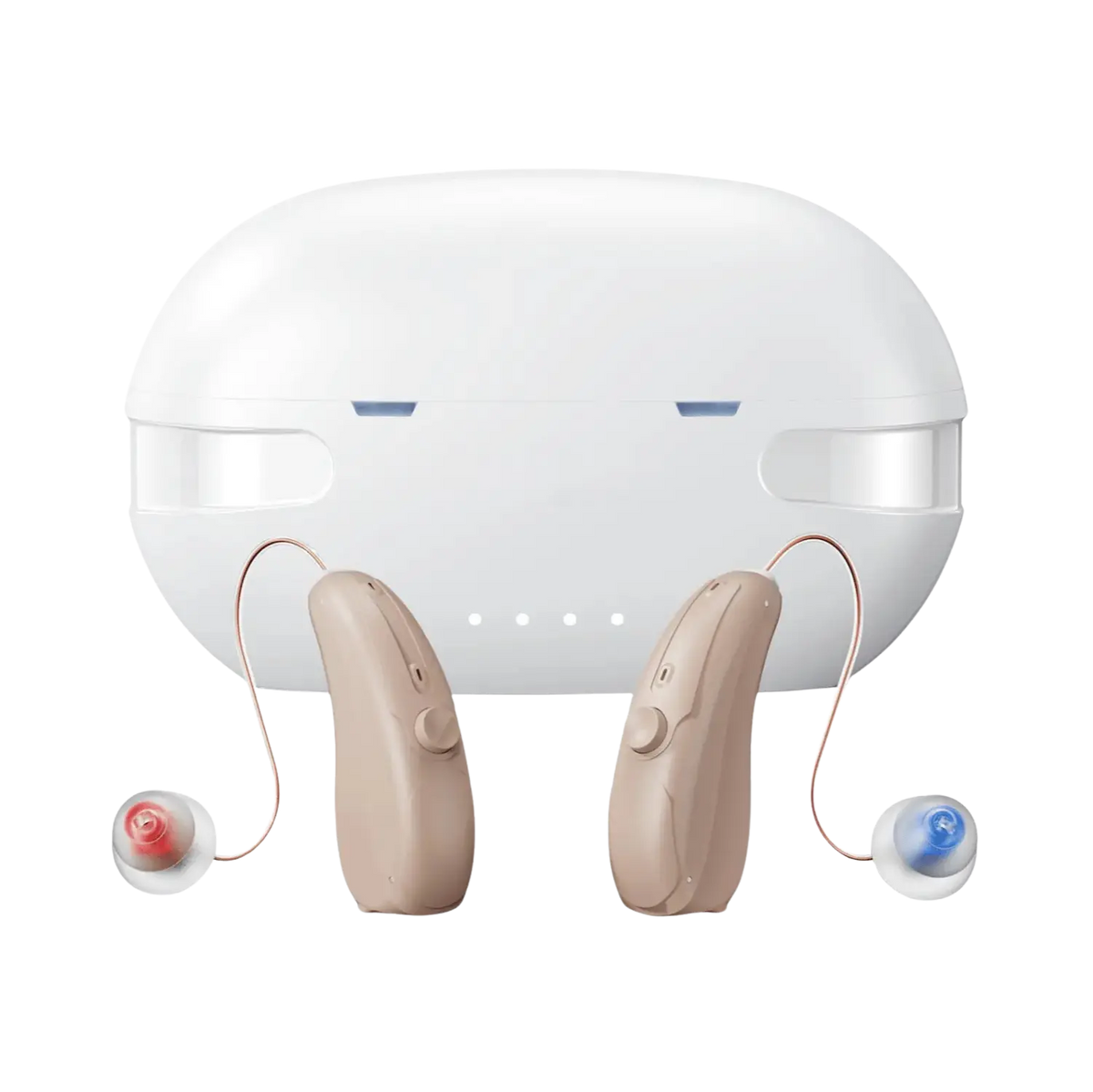
Because this study shows that most adults, and especially most seniors, still have no mandated hearing aid benefit, the cost of the device itself remains the deciding factor for many households. That is the gap newer FDA-OTC hearing aids were created to address, by offering regulated hearing devices at a fraction of traditional clinic prices, without requiring insurance approval at all.
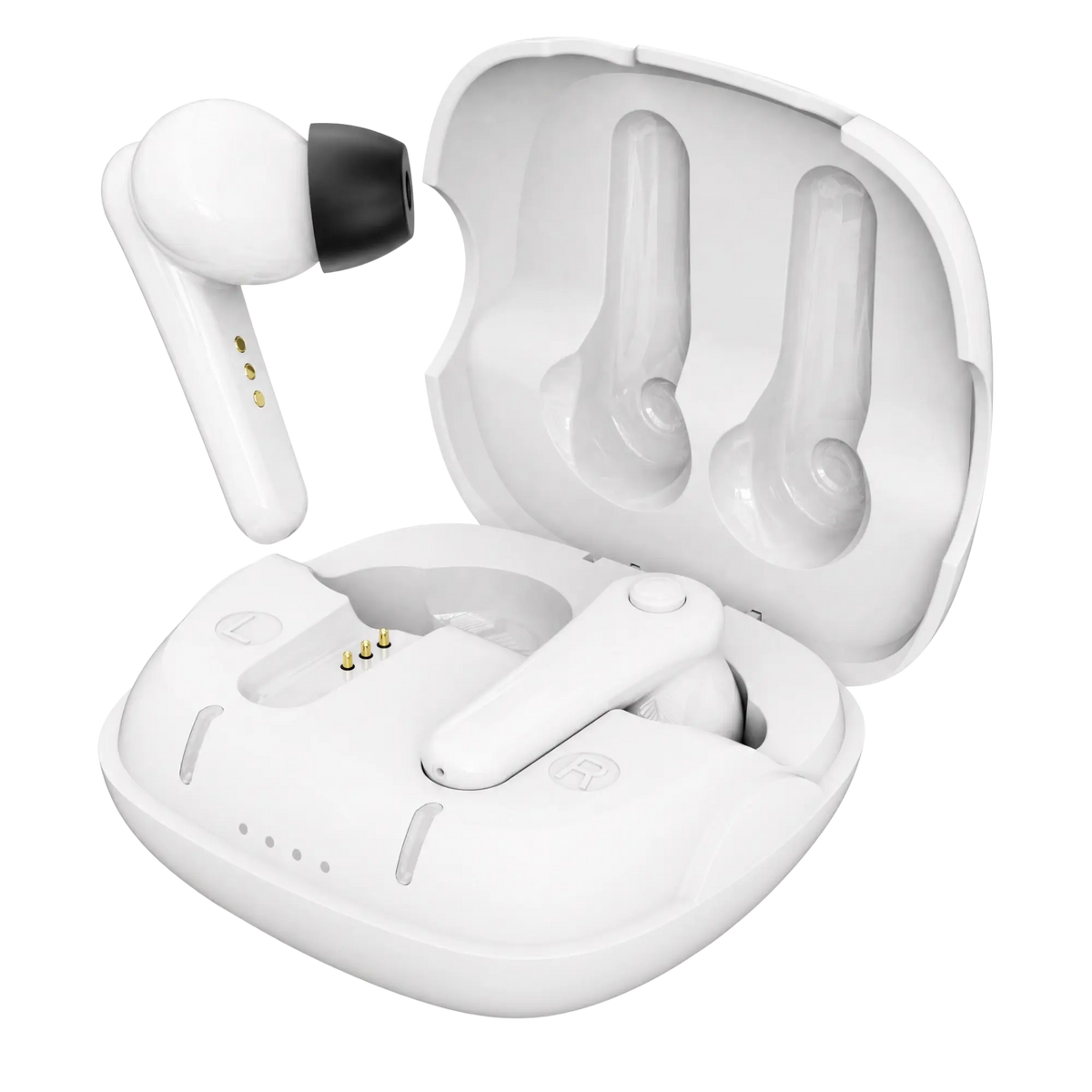
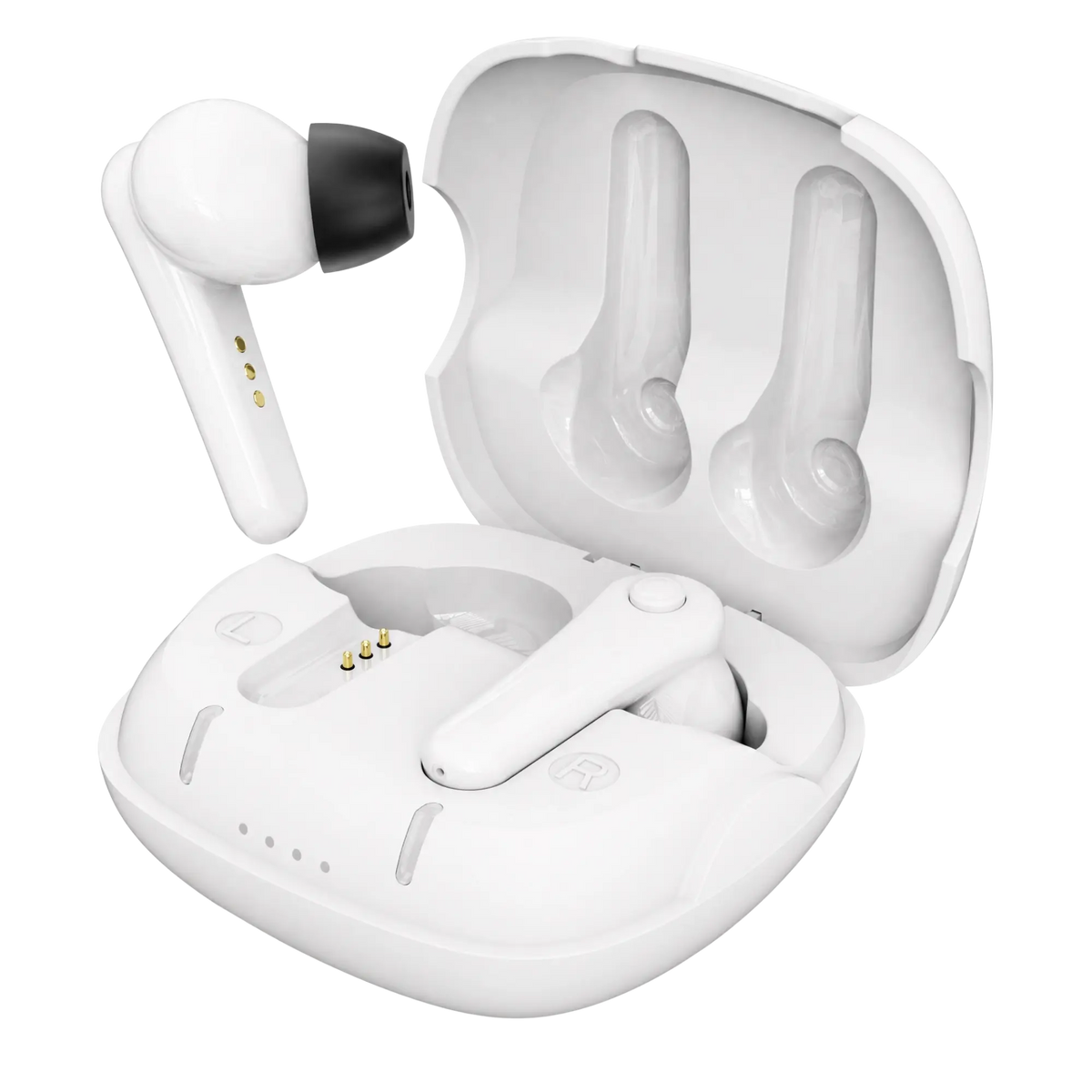
Panda Air is one example of this approach: a modern earbud-style device among self-fitting OTC hearing aids, with 16-channel WDRC sound processing, multi-band adaptive noise reduction, Bluetooth for calls, TV, and music, and a fast-charge case that provides 60 hours of total use. An optional companion app can run a frequency-specific hearing test through the aid itself and personalize gain and frequency response to the user's hearing profile, making it one of the more flexible app-tuned hearing aids in this category, though Air also works out of the box without the app or the test.
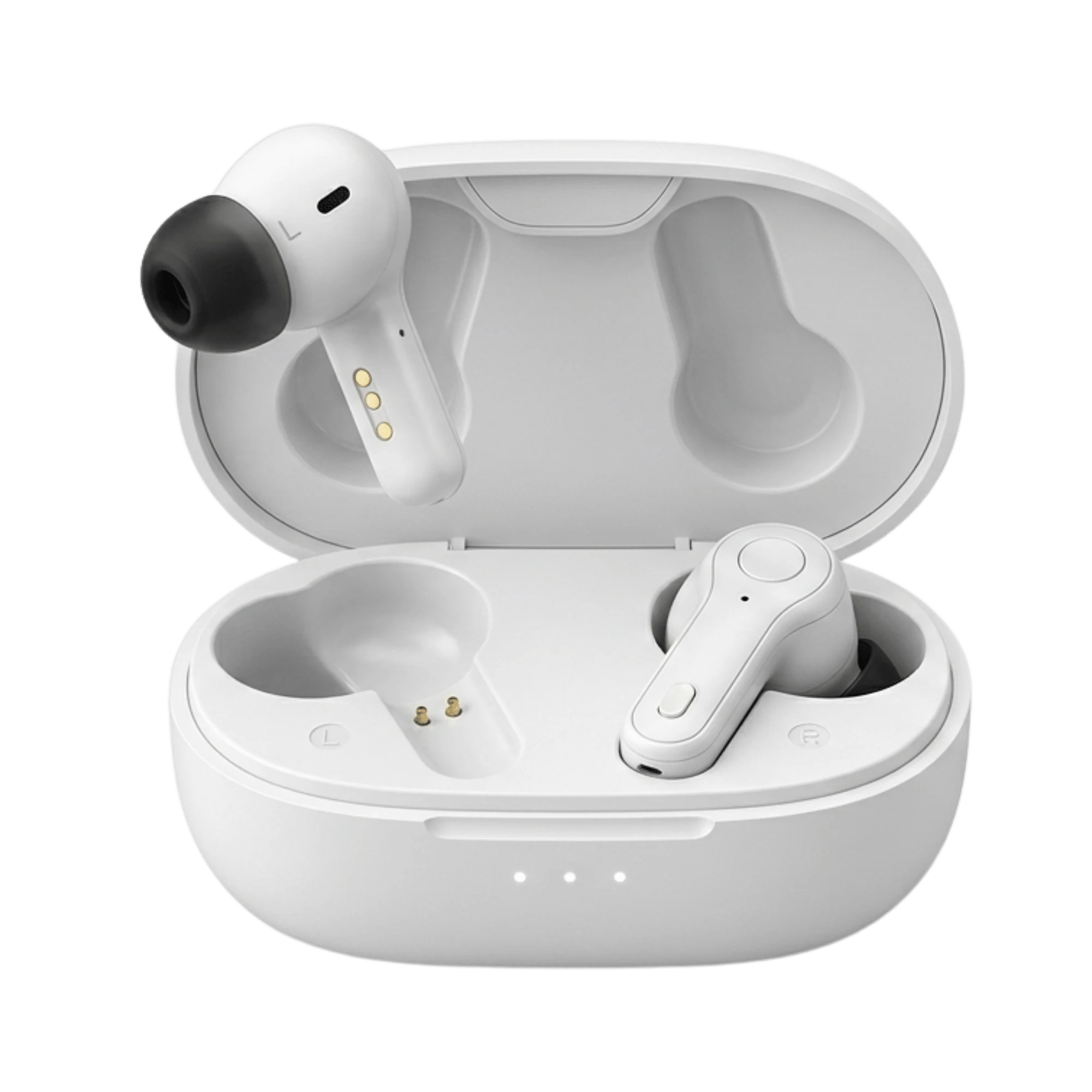
Each purchase includes a 5-year warranty and a 45-day trial that starts when the product is received. One caveat worth keeping in mind: OTC hearing aids are approved for adults with mild-to-moderate hearing loss, and people with severe or profound loss still benefit most from a clinical fitting.
Limitations of This Research
This is a cross-sectional study of coverage entitlements, not of care actually received. Having a mandated benefit does not guarantee that a person obtains hearing aids, and the survey data cannot show how often covered individuals used their benefit, or how generous each benefit was in practice. Coverage rules were also measured at the program level, so individual plan differences within a category may be smoothed over.
The analysis ends in 2023, so more recent policy changes are not captured. The published report reviewed here did not detail funding sources or conflicts of interest.
Where This Leaves Us
Sixteen years of policy progress have left American children meaningfully better covered for hearing aids and left older adults slightly worse off, and that imbalance is unlikely to fix itself. For anyone weighing hearing help today, it is worth checking what your own plan or state program actually covers, because this study suggests the answer varies far more than most people assume.
Arnold ML, Tonti L, Phillips S, Kershner SP, Lipton B, Heslin B, Ukert B, Landini A, Pesko MF. Longitudinal Growth of Mandated Hearing Aid Benefits in the US. JAMA Otolaryngology, Head & Neck Surgery. 2026. Retrieved from PubMed. https://doi.org/10.1001/jamaoto.2026.3143