A Minnesota screening study finds that hearing loss is far more common among rural residents, yet basic awareness of how and where to get hearing care is strikingly low across both rural and urban communities.
Hearing loss is one of the most common chronic conditions among adults, but whether it gets identified and treated depends on far more than the ears. Where a person lives, whether their doctor ever raises the topic, and whether they know what their insurance covers all shape who actually ends up getting help.
A new study published in Otology and Neurotology put a research-grade hearing screening to work on a practical question: do rural and urban residents differ in how much hearing loss they carry, and in how aware they are of the care available to them? To find out, the researchers brought audiometric testing directly into community settings in Minnesota rather than waiting for people to come to a clinic.
Title: Barriers to Hearing Health Care in the Northern US: A Comparison of Rural and Urban Minnesotans
Authors: Catherine L. Kennedy, Nivedita Sabarinathan, August Richter, Jacqueline Tucker, Claire Attarian, Hussein Bare, Jake Berg, Athena Brooks, Ciera Johnson, Soorya Todatry, Diamond Yusuf, Meredith E. Adams
Affiliations: Cooper University Health Care and Cooper Medical School of Rowan University, Camden, NJ; University of Minnesota School of Medicine and Department of Otolaryngology-Head and Neck Surgery, Minneapolis, MN; University of Colorado Anschutz, Aurora, CO; Oregon Health and Science University, Portland, OR; University of Michigan, Ann Arbor, MI
Journal and date: Otology and Neurotology, published June 9, 2026
Study type: Cross-sectional, community-based hearing screening and survey
Source: Retrieved from PubMed. DOI 10.1097/MAO.0000000000004974
Background: Why the Researchers Looked at This
Untreated hearing loss is linked to a long list of downstream problems, from social withdrawal to a higher risk of cognitive decline. Yet the path from "I think I might be missing things" to actually wearing a hearing device is full of gaps. A person has to suspect a problem, get tested, learn that solutions exist, and understand how to pay for them. A breakdown at any one of those steps can stall the whole process for years.
Rural communities are often assumed to be at a disadvantage here, with fewer audiologists, longer drives, and thinner local services. The researchers wanted to test that assumption with real measurements. Two terms help frame what they did. Audiometric hearing loss means a measured failure on a hearing test, as opposed to subjective hearing loss, which is simply how a person rates their own hearing. Health literacy refers to how well someone can find, understand, and use health information, and the team measured it with a brief validated screening tool so they could rule it out as the sole explanation for any awareness gaps.
How the Study Was Done
The team set up community-based screening at two Minnesota locations, one in Bemidji to reach rural residents and one in St. Paul to reach urban residents. Adults aged 18 and older took part. Each participant completed an in-person survey covering background information and awareness of hearing loss and hearing care, had their ears examined with an otoscope, and took a hearing screening at 25 decibels across four frequencies.
Hearing loss was defined as failing at least one frequency in at least one ear. The researchers also recorded a brief health literacy score for every participant, then compared the rural and urban groups on hearing loss rates, awareness, and reported barriers to care. In total, 289 people took part, 77 from the rural site and 212 from the urban site.
What the Researchers Found
The rural and urban groups differed sharply in measured hearing. Rural residents were far more likely to show audiometric hearing loss on the screening, at about 69.9 percent compared with 42.0 percent of urban residents. They were also more likely to suspect a problem themselves, with 57.1 percent reporting subjective hearing loss versus 32.1 percent in the city. The rural group was older on average, at 57.9 years compared with 47.4 years, which likely contributes to the difference.
Importantly, this was not a story about poor health literacy. Both groups scored in the adequate range on the brief health literacy screen, around 13.5 for rural and 14.2 for urban participants, and the overall sample was largely insured, at 93.7 percent. In other words, these were people generally equipped to navigate the health system.
Despite carrying different amounts of hearing loss, both groups reported similar trouble accessing hearing care, at roughly 27 percent of rural and 24 percent of urban residents. And recent testing was uncommon in both: only about 33.8 percent of rural and 30.2 percent of urban participants had had their hearing checked within the previous five years.
The most striking results were the awareness gaps that cut across geography. Only 15.6 percent of participants knew what counts as a normal hearing level. Just 9.5 percent had ever discussed hearing testing with their primary care provider. And only 35.6 percent were aware that Minnesota Medicaid covers hearing services. People often did not know they should be tested, did not hear about it from their doctor, and did not know help might be covered.
What It Means for People with Hearing Loss
The headline difference is that rural adults carried more hearing loss, but the more useful lesson is what rural and urban residents had in common: very few had been tested recently, talked with a doctor about it, or knew where coverage stood. When even insured, health-literate adults are missing these basics, the bottleneck looks less like a shortage of clinics and more like a shortage of information.
For an individual, that reframes the first step. Knowing that hearing loss may be present, that a hearing check is quick and low-stakes, and that solutions and coverage exist are all things a person can act on without waiting for the system to prompt them. The study is a reminder that asking your primary care provider about a baseline hearing test, even when nothing feels urgent, is one of the simplest ways to close the gap the researchers measured.
When Cost and Access Are the Barrier, At-Home Hearing Aids Lower the First Hurdle
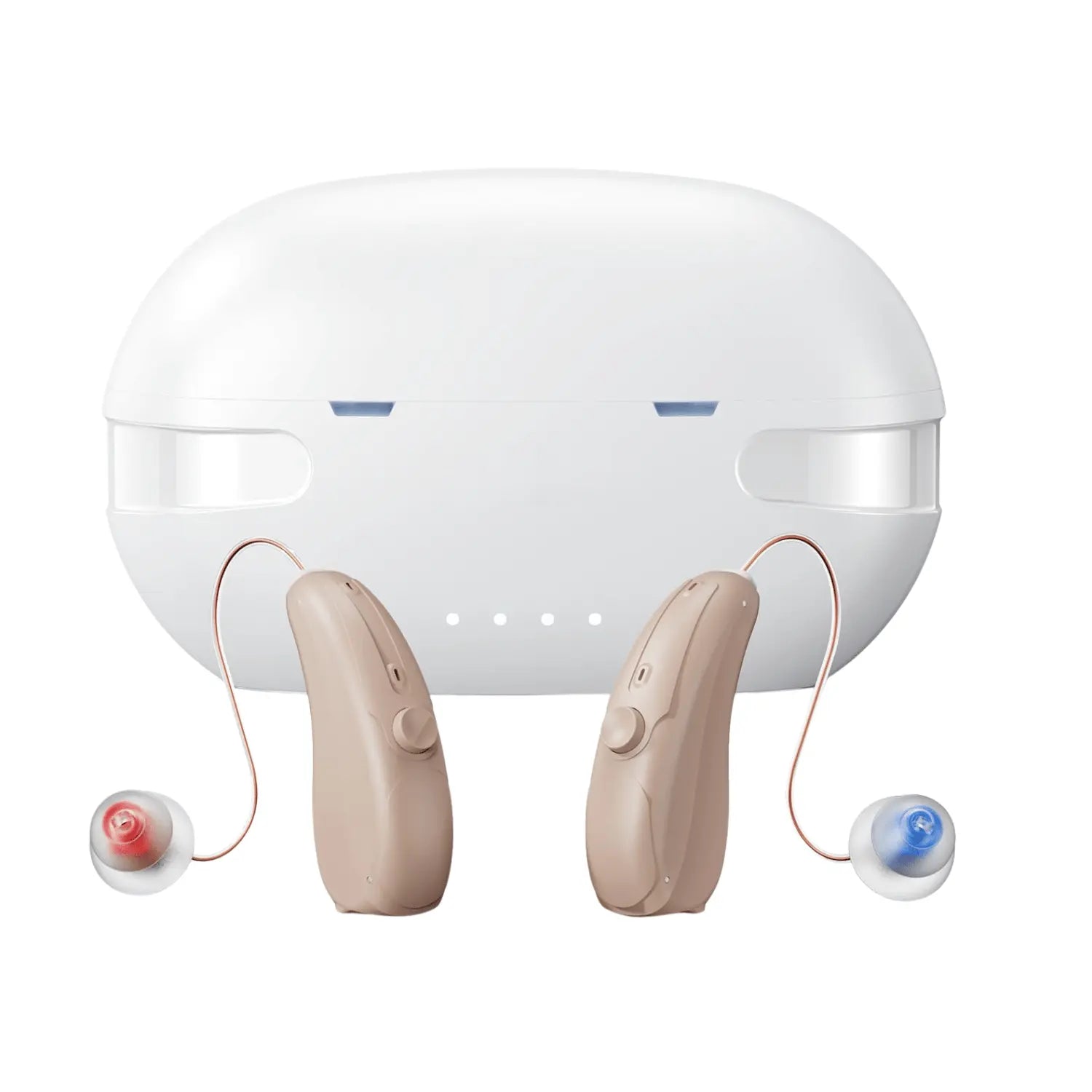
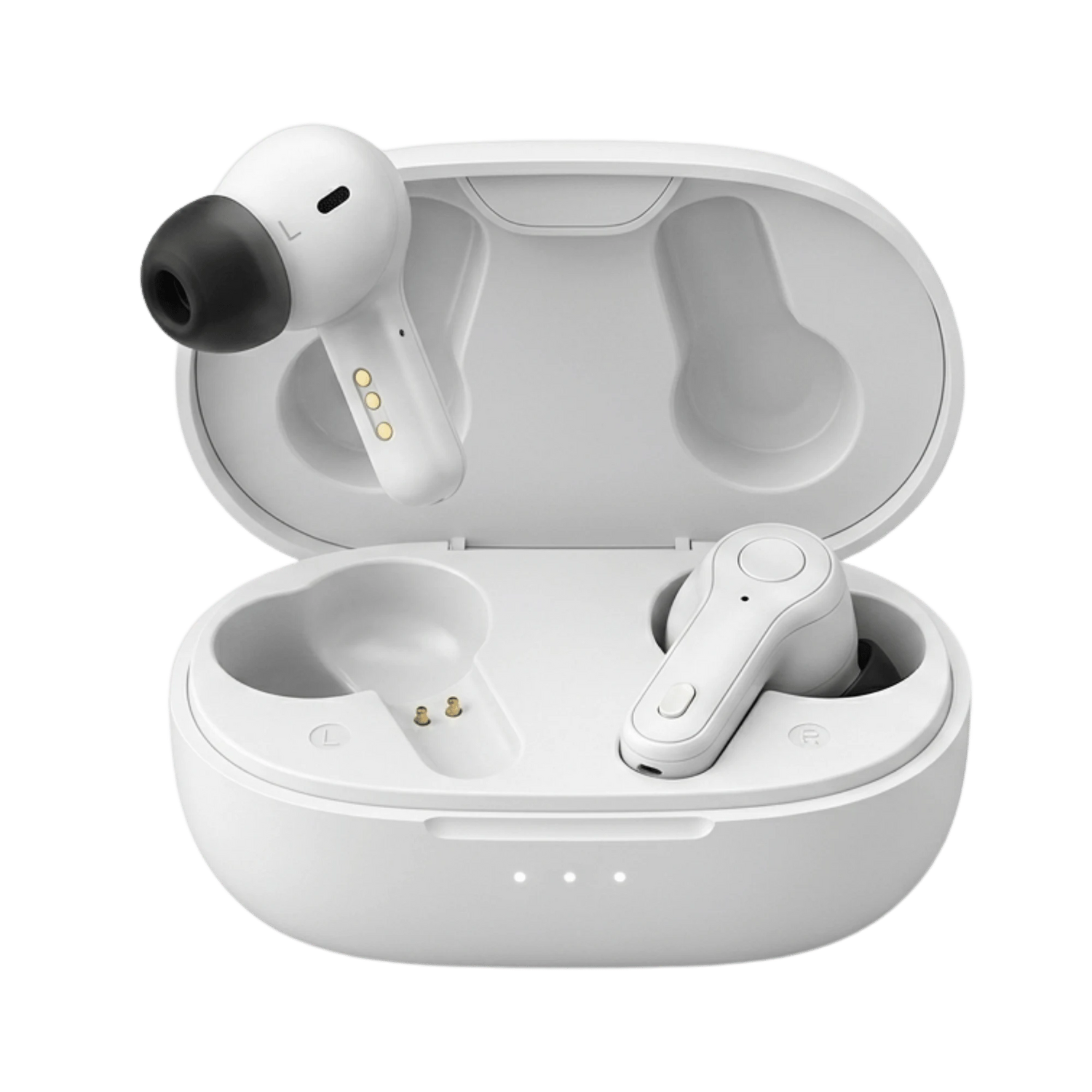
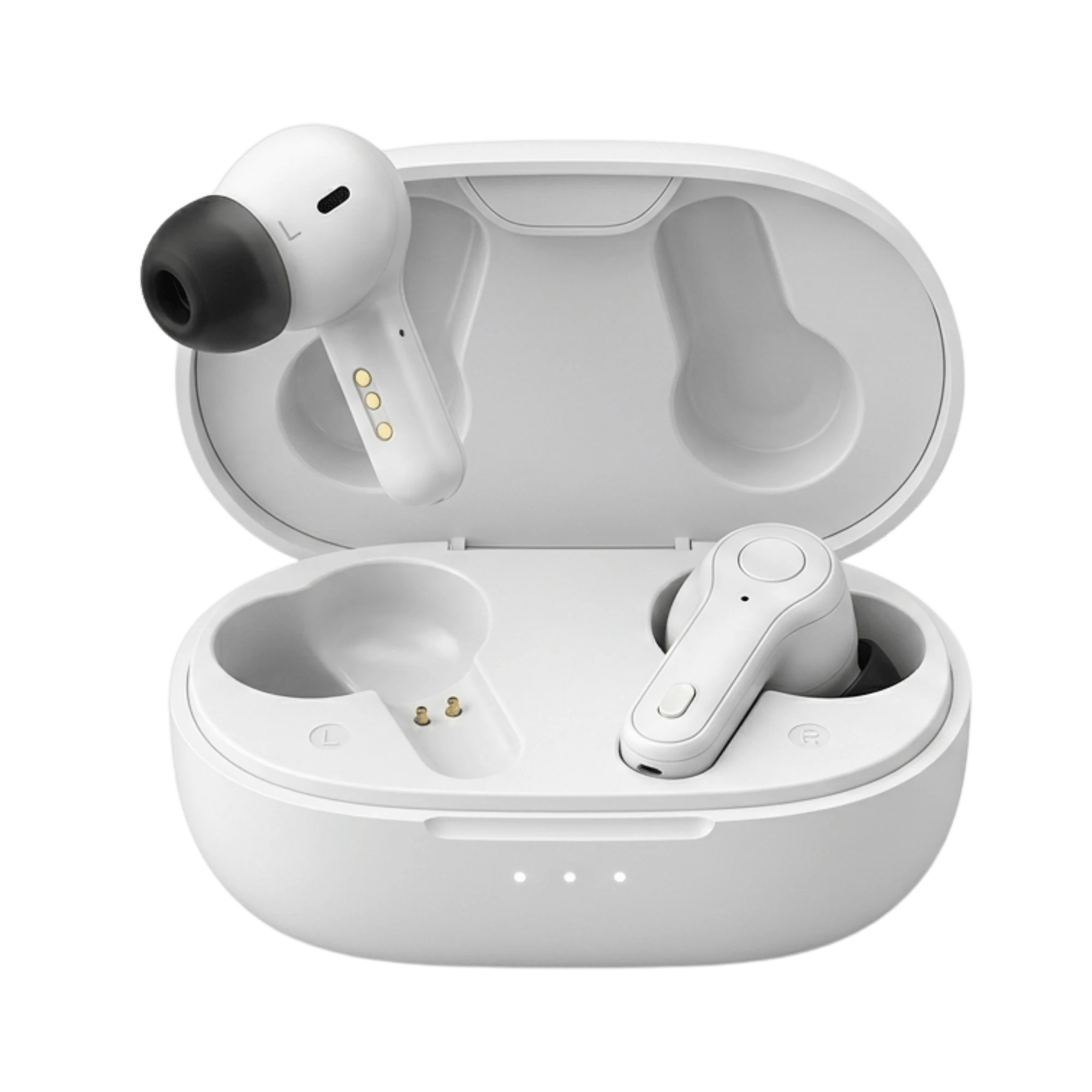
One pattern runs through these findings: a lot of adults simply are not getting their hearing checked, and access and cost sit near the top of the reasons. That barrier is part of what newer over-the-counter devices were built to lower. Panda Air, an earbud-style over-the-counter hearing aid, ships directly to the user and pairs with the Panda app, which runs a frequency-specific hearing test through the device itself and then programs its gain and frequency response to match the listener's results, much like the audiogram-based fitting an audiologist performs in a clinic. For someone who has gone years without a hearing test, that self-fitting OTC path removes the need to schedule and travel to an appointment just to learn where they stand.
On the hardware side, Panda Air uses 16-channel wide dynamic range compression and multi-band adaptive noise reduction, and its charging case delivers up to 60 hours of use from a fast charge, so the day-to-day experience leans on app-based hearing personalization rather than repeat clinic visits. Panda backs the device with a 5-year warranty and a 45-day return window, which gives a first-time user room to try it in their own life before committing. You can see the full details on the Panda Air product page.
One caveat is worth keeping in view. Over-the-counter hearing aids are cleared for adults with perceived mild to moderate hearing loss. The rural residents in this study who showed more significant loss, along with anyone experiencing sudden, one-sided, or severe hearing loss, still benefit most from an in-person evaluation and a professional fitting.
Limitations of This Research
This was a cross-sectional study, a single snapshot in time, so it can describe differences between groups but cannot prove what causes them. The rural group was also older than the urban group, which on its own would push rural hearing loss rates higher and makes it hard to separate the effect of place from the effect of age. The screening itself used a fail threshold across four frequencies rather than a full diagnostic audiogram, and some of the awareness measures relied on self-report.
The sample was drawn from two community sites in a single state and was overwhelmingly white, at 88.5 percent, and insured, so the numbers may not carry over to other regions or to uninsured populations who could face even steeper barriers. The published abstract did not include funding or conflict-of-interest details. As the authors themselves frame it, the results are a call for public health efforts to educate primary care providers and raise awareness of available benefits.
What to Do With This
If there is one takeaway, it is that awareness is the first treatment. Most people in this study had not been tested in years, had never discussed hearing with their doctor, and did not know what their coverage included. Getting a baseline hearing check, asking a primary care provider to weigh in, and learning what your insurance covers are small, concrete steps that put a person ahead of the gap these researchers documented, whether they live in a city or a small town.
Kennedy CL, Sabarinathan N, Richter A, Tucker J, Attarian C, Bare H, Berg J, Brooks A, Johnson C, Todatry S, Yusuf D, Adams ME. Barriers to Hearing Health Care in the Northern US: A Comparison of Rural and Urban Minnesotans. Otology and Neurotology. 2026. Retrieved from PubMed. DOI 10.1097/MAO.0000000000004974.